
You know how frustrating it is to search for your utility knife when you need it most. A cluttered workspace or misplaced tools can slow you down and cause unnecessary stress.
What if you could keep your utility knives organized, safe, and always within reach? This guide to storing utility knives efficiently will show you simple, practical ways to transform your tool storage. By the end, you’ll save time, protect your blades, and make your work feel smoother every day.
Ready to take control of your tools? Let’s dive in.
Credit: www.globalcutleryusa.com
Choosing The Right Storage Spot
Storing utility knives properly keeps your workspace safe and tidy. Picking the right place helps you find your knives fast.
Think about space, ease of use, and safety. These factors make storing knives easy and secure.
Assessing Available Space
Look around your workspace to find spots for your knives. Check drawers, shelves, or toolboxes.
Choose a spot that fits your knives without crowding other tools. This keeps everything organized.
- Measure the space before placing knives
- Use small containers or trays if needed
- Keep knives separate to avoid damage
Considering Accessibility
Store knives where you can reach them quickly. This saves time during work.
A good spot is near your main work area but not in the way. Avoid places that slow you down.
- Keep knives visible to avoid searching
- Place knives at a comfortable height
- Use wall mounts or magnetic strips if possible
Safety First
Safety is key when storing utility knives. Keep blades covered and out of reach of children.
Use storage options that lock or close securely. This prevents accidents and keeps knives sharp.
- Use blade guards or retract blades
- Store knives in locked drawers if possible
- Label storage areas clearly
Storage Options For Utility Knives
Utility knives are useful tools that need proper storage. Keeping them organized protects the blades and keeps your workspace safe.
There are many ways to store utility knives. Each option suits different needs and spaces.
Wall-mounted Holders
Wall-mounted holders save counter and drawer space. They keep knives visible and easy to reach. These holders come in various sizes and materials like wood or plastic.
Drawer Organizers
Drawer organizers keep utility knives safe inside drawers. They separate knives from other tools and prevent damage to the blades.
- Soft inserts protect blades
- Compartments keep knives from moving
- Easy to customize for different knife sizes
Magnetic Strips
Magnetic strips hold knives firmly on the wall. They keep blades off surfaces and reduce clutter. Magnets must be strong enough to hold the knives safely.
| Type | Material | Best Use |
| Alnico Magnets | Metal | Heavy knives |
| Neodymium Magnets | Rare-earth metal | Strong hold for light and heavy knives |
| Rubber-coated Magnets | Metal with rubber | Protects knife handles |
Portable Cases
Portable cases are perfect for carrying utility knives safely. They often have padded slots to keep each knife in place. Cases protect knives from damage during transport.
Maximizing Space With Creative Solutions
Storing utility knives safely and neatly saves space. It also keeps your tools easy to find and use.
Using smart storage ideas helps you keep your workspace clean and organized. It stops knives from getting lost or damaged.
Using Vertical Space
Vertical space is often unused. You can hang knives or holders on walls or boards. This frees up drawer and shelf space.
Magnetic strips work well for holding metal blades safely. Pegboards with hooks also keep knives within reach.
- Install magnetic strips on walls
- Use pegboards with hooks for handles
- Hang small shelves for knife cases
Repurposing Household Items
You can reuse common items to store knives. This saves money and reduces clutter. Old jars or small containers work well.
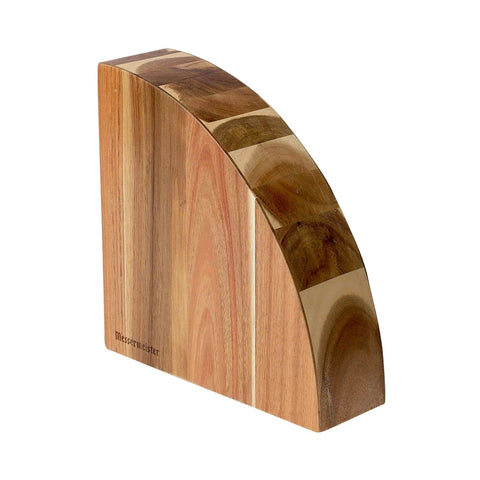
Wooden blocks with slots or ice cube trays can organize blades. This keeps them separated and easy to grab.
- Use jars or cups to hold knives upright
- Turn ice cube trays into blade holders
- Make wooden blocks with slots for knives
Stacking And Nesting Techniques
Stacking knives with care saves horizontal space. Use trays or boxes that fit well together. This protects blades and keeps order.
Nesting smaller knives inside larger ones or containers reduces space too. Keep sharp edges covered to avoid accidents.
- Stack knives in shallow trays with separators
- Use boxes that fit inside each other
- Cover blades before nesting to prevent damage
Credit: www.souschef.co.uk
Maintenance Tips For Safe Storage
Storing utility knives properly keeps them sharp and safe. Good storage helps prevent accidents and damage.
Follow simple steps to clean, protect, and inspect your knives before storing them.
Cleaning Before Storage
Clean your utility knife after each use to remove dirt and debris. This stops rust and keeps the blade sharp.
Use a soft cloth and mild soap with water. Dry the knife completely before putting it away.
Blade Protection Methods
Protect the blade to avoid accidents and keep it from dulling. Use blade covers or retract the blade fully.
- Use plastic or rubber blade guards
- Retract the blade into the handle
- Store knives in a dedicated box or pouch
Regular Inspection
Check your utility knife often for damage or wear. Look for rust, loose parts, or blade dullness.
Replace or repair the knife if you find any problems. Safe knives work better and reduce injury risk.
Organizing Multiple Utility Knives
Keeping many utility knives organized saves time and keeps your workspace safe. A good system helps find the right knife fast.
Using clear methods to store your knives helps you work better and avoid accidents. Let’s look at simple ways to organize them.
Labeling Systems
Label each utility knife to know its purpose or blade type. Labels reduce confusion and speed up tool selection.
Use tags, stickers, or permanent markers on handles. Keep labels clear and easy to read.
- Write the knife’s use, like “Carpet” or “Box Cutter”
- Note blade size or type if you have different blades
- Use color-coded labels for quick visual checks
Categorizing By Use
Group knives by what they are used for. This makes it easy to pick the right tool for each job.
Separate knives for heavy cutting, light tasks, or specialty work. Store each group in its own container or drawer.
- Keep heavy-duty knives together
- Store precision knives in a separate case
- Place frequently used knives where they are easy to reach
Rotation And Replacement
Rotate knives to use all blades evenly. Replace blades before they become dull or unsafe.
Check knives regularly. Mark the date of last blade change on labels to track use.
- Use older blades first to avoid waste
- Replace blades after heavy use or damage
- Keep spare blades nearby for quick swaps
Credit: towncutler.com
Frequently Asked Questions
How To Store Utility Knives Safely At Home?
Store utility knives in a secure, child-proof drawer or a knife block. Keep blades retracted when not in use. Use blade covers for added safety. Ensure they are stored away from food preparation areas to maintain hygiene. Regularly check and maintain the knives for any damage or wear.
What Are The Best Storage Solutions For Utility Knives?
Magnetic strips, knife blocks, or drawer organizers are great for storing utility knives. Ensure they are kept in a dry, clean area. Consider using blade guards for extra protection. Proper storage prevents accidents and maintains blade sharpness. Choose a solution that fits your kitchen space and usage needs.
Why Is Proper Utility Knife Storage Important?
Proper storage prevents accidents and extends the knife’s lifespan. It maintains the blade’s sharpness and hygiene. Organized storage also saves space and makes knives easily accessible when needed. Safety and efficiency are crucial in any workspace, and proper storage achieves both.
Can Utility Knives Be Stored With Other Kitchen Knives?
Yes, but ensure they are separated to prevent damage and accidents. Use a knife block or separate slots in a drawer organizer. Keep them in a designated section to maintain organization. This separation also helps in maintaining the sharpness of all knives.
Conclusion
Storing utility knives safely saves time and avoids accidents. Keep blades covered and dry to prevent rust. Use designated holders or cases for easy access. Organize knives by size or type for quick use. Regularly check blades and replace when dull.
A tidy workspace helps you work better and safer. Simple storage habits protect your tools and yourself. Start small, and notice the big difference. Safe storage keeps your knives ready for any task.
