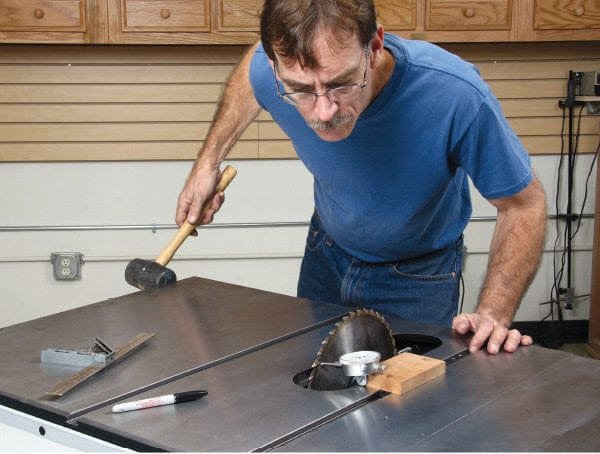
If you own a table saw, you know how important it is to keep it running smoothly. But when was the last time you thought about lubricating your saw?
Skipping this simple step can lead to slow cuts, overheating, and costly repairs. In this guide, you’ll discover easy, effective ways to lubricate your table saw so it works like new every time. Keep reading to learn how a little maintenance can save you time, money, and frustration on your next project.
Credit: www.searspartsdirect.com
Why Lubricate Table Saws
Lubricating a table saw keeps it running smoothly. It helps reduce friction between moving parts.
Regular lubrication can extend the life of your saw and improve its performance.
Benefits Of Proper Lubrication
Proper lubrication lowers wear and tear on the saw’s parts. It helps the blade and motor work better.
Lubrication also reduces noise and heat from the machine. This makes the saw safer and easier to use.
- Reduces friction and wear
- Improves blade movement
- Decreases noise during operation
- Prevents overheating of parts
- Extends the saw’s lifespan
Common Issues Without Lubrication
Without lubrication, parts can stick or grind against each other. This causes damage and poor cutting.
Dry parts wear out faster and may break. The saw can become noisy and hard to control.
- Increased friction and wear
- Blade may bind or slow down
- Motor strain and overheating
- Parts can rust or corrode
- Shorter machine life
Types Of Lubricants
Lubricating your table saw keeps it running smoothly. It reduces wear and tear on moving parts.
There are different types of lubricants. Each type works best in certain conditions.
Dry Vs. Wet Lubricants
Dry lubricants use powders like graphite or Teflon. They do not attract dust or dirt.
Wet lubricants are oils or greases. They provide strong protection but can attract debris.
- Dry lubricants:Clean and low maintenance
- Wet lubricants:Better for heavy use and high pressure
Recommended Products
Choose lubricants made for woodworking tools. This keeps your table saw parts safe.
- Graphite powder for dry lubrication
- Silicone spray for light wet lubrication
- White lithium grease for heavy duty parts
- Specialized table saw oils for smooth blade movement
Preparing The Saw For Lubrication
Before lubricating a table saw, proper preparation is important. It helps keep the saw working well and lasts longer.
Taking time to prepare the saw ensures safety and better lubrication results. Let’s look at key steps to get ready.
Safety Precautions
Always put safety first before working on the table saw. Turn off the saw and unplug it to avoid accidents.
Wear safety gloves and eye protection to guard against sharp parts and dust. Keep the area clear of distractions.
- Unplug the saw from the power source
- Wear gloves and safety goggles
- Work in a clean, well-lit space
- Keep children and pets away
Cleaning Before Lubrication
Remove dust, dirt, and debris from the saw. Clean parts allow lubricant to work better and last longer.
Use a brush or compressed air to clear sawdust. Wipe metal parts with a dry cloth before applying lubricant.
- Brush or blow away sawdust
- Wipe metal surfaces dry
- Check for rust or build-up
- Remove any old lubricant if needed

Credit: woodworkingurusa.com
Lubrication Points On Table Saws
Keeping your table saw well lubricated helps it work smoothly and last longer. Lubrication reduces friction and wear on moving parts.
Knowing where to apply lubricant is important. This guide focuses on key lubrication points on table saws.
Blade Arbor And Bearings
The blade arbor holds the saw blade and spins it. Bearings support the arbor and let it turn easily. Both need regular lubrication.
Use light machine oil or grease for these parts. Avoid over-lubricating to stop dust buildup.
- Remove the blade before lubricating
- Apply lubricant to the arbor shaft
- Lubricate bearings inside the arbor housing
- Wipe off excess oil or grease
Trunnion And Elevation Mechanism
The trunnion holds the blade assembly and allows it to tilt. The elevation mechanism moves the blade up and down. Both need smooth movement.
Lubricate pivot points and gears to keep adjustments easy and precise.
- Apply grease to trunnion pivot pins
- Lubricate elevation rack and pinion gears
- Check for rust or dirt before oiling
Fence And Sliding Components
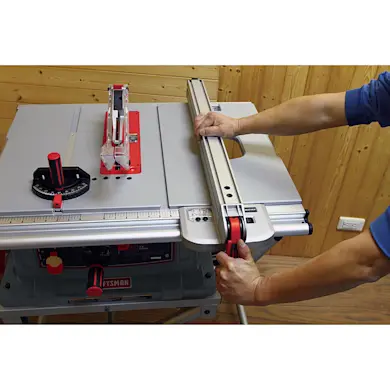
The fence guides your workpiece for straight cuts. Sliding parts let you move the fence smoothly. Lubricating these parts prevents sticking.
Use dry lubricant or light oil on rails and locking levers to keep them moving freely.
- Lubricate fence rails or tracks
- Oil locking mechanisms and knobs
- Clean dust and debris before lubrication
Step-by-step Lubrication Process
Lubricating your table saw keeps it running smoothly. It prevents wear and tear on moving parts.
Follow these steps to lubricate your saw safely and correctly. Proper care will extend the tool’s life.
Applying Lubricant Correctly
Clean the table saw before applying lubricant. Remove dust and debris from moving parts.
Use a lubricant made for metal tools. Apply it on the blade arbor, gears, and trunnions.
- Wipe parts with a clean cloth.
- Apply a small amount of lubricant.
- Use a brush or spray for hard-to-reach areas.
- Move parts to spread the lubricant evenly.
Avoiding Over-lubrication
Too much lubricant can attract dust and dirt. This can cause parts to stick or wear faster.
Apply only what the manufacturer recommends. Excess lubricant does not improve performance.
- Use just enough to coat parts lightly.
- Wipe off extra lubricant with a cloth.
- Check for signs of dirt buildup after lubrication.
- Lubricate regularly, but avoid daily over-application.
Maintenance Tips For Longevity
Keeping your table saw in good shape helps it last longer. Regular care avoids damage and costly repairs.
Lubricating the moving parts reduces friction and wear. This guide covers when and how to lubricate your table saw.
Regular Lubrication Schedule
Set a routine to lubricate your table saw. Doing this often keeps the parts moving smoothly.
Check your saw’s manual for specific recommendations. Most users should lubricate every 3 to 6 months.
- Clean the saw before applying lubricant
- Use the right lubricant for metal parts
- Focus on the arbor, gears, and moving joints
- Wipe off extra lubricant to prevent dust buildup
Signs It’s Time To Reapply
Watch for signs that your table saw needs more lubrication. Acting early avoids damage to the machine.
Look for stiff or noisy movement. If parts feel rough or hard to move, lubrication is overdue.
- Increased resistance when adjusting the blade height
- Squeaking or grinding noises during use
- Visible dryness or rust on metal parts
- Dust or debris sticking to dry surfaces
Troubleshooting Common Problems
Lubricating your table saw keeps it running smoothly. Sometimes problems still happen after lubrication.
Knowing how to fix common issues helps you save time and avoid damage.
Noise And Friction Issues
Noise and friction can mean your table saw needs attention. Too much friction wears parts quickly.
Check if the lubricant is applied correctly. Lack of lubrication often causes loud noises and stiffness.
- Clean the moving parts before lubricating
- Use the correct lubricant type for your saw
- Apply lubricant evenly to all needed areas
- Do not over-lubricate, it can cause buildup
- Tighten loose parts to reduce noise
Lubricant Build-up And Residue
Excess lubricant can leave residue on your table saw. This build-up may attract dust and dirt.
Residue causes parts to stick and reduces saw performance. Clean the build-up regularly to keep the saw working well.
- Wipe off extra lubricant after application
- Use a clean cloth and mild solvent for residue
- Inspect the saw for sticky or gummed parts
- Remove old lubricant before adding new
- Follow the manufacturer’s lubrication guide
Credit: www.wurthbaermachinery.com
Frequently Asked Questions
How Often Should You Lubricate A Table Saw?
Regular lubrication is essential for optimal performance. Lubricate your table saw every 6 to 12 months, depending on usage. Frequent use may require more frequent lubrication. Consistent maintenance ensures smooth operation and extends the lifespan of the saw, preventing wear and tear.
What Kind Of Lubricant Is Best For Table Saws?
Use a dry lubricant, such as graphite or silicone spray. These lubricants reduce friction and prevent dust accumulation. They ensure smooth operation without leaving a sticky residue. Avoid using oil-based lubricants, as they can attract dust and debris, affecting the saw’s performance.
Can I Use Wd-40 On My Table Saw?
It’s not recommended to use WD-40 on table saws. WD-40 can attract dust, leading to buildup and operational issues. Instead, opt for a dry lubricant like silicone spray. Dry lubricants offer better protection and reduce friction without attracting dust and debris.
Why Is My Table Saw Blade Burning Wood?
A dull or improperly lubricated blade can cause burning. Ensure the blade is sharp and well-lubricated. Proper lubrication reduces friction and heat, preventing wood burns. Regular maintenance, including blade cleaning and lubrication, enhances cutting efficiency and quality.
Conclusion
Keeping your table saw well-lubricated helps it run smoothly and last longer. Regular oiling reduces friction and prevents parts from wearing out fast. Clean the saw before applying lubricant to avoid dirt buildup. Use the right type of lubricant for best results.
Simple care steps save time and money on repairs. A well-maintained table saw makes cutting safer and easier. Follow this guide to keep your tool in top shape. Small efforts bring big benefits.