Are you struggling to plant your seeds evenly and correctly? A garden dibber could be the simple tool you need to make your gardening easier and more successful.
With just a few small holes, you can give your seeds the perfect start for healthy growth. In this guide, you’ll discover how to use a garden dibber step-by-step, so your seeds have the best chance to sprout and thrive.
Keep reading to transform your planting routine and watch your garden flourish like never before.
Choosing The Right Dibber
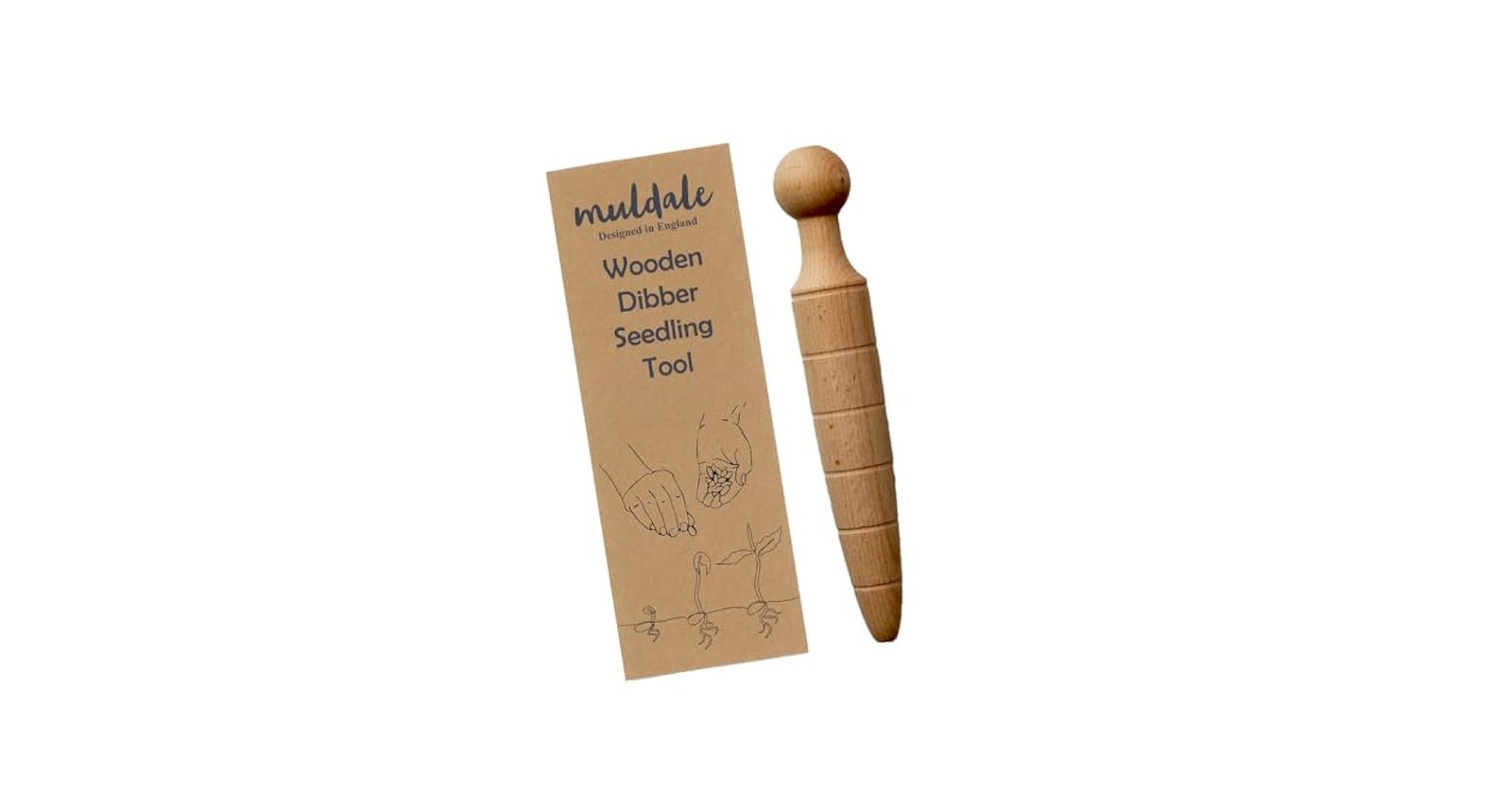
A garden dibber helps you plant seeds by making holes in the soil. Picking the right dibber makes planting easier and more accurate. You should think about the dibber’s type, material, size, and shape.
This guide explains what to look for in a dibber. It will help you find one that fits your gardening needs.
Types Of Garden Dibbers
Garden dibbers come in different styles. Each type works best for certain tasks. Some common types are:
- Pointed dibbers for deep holes
- Round dibbers for shallow planting
- Adjustable dibbers with depth markers
- Multi-prong dibbers for making several holes at once
Material And Durability
Dibbers are made from wood, metal, or plastic. Wood feels natural but may wear down fast. Metal is strong and lasts longer. Plastic is light and good for small gardens.
| Material | Advantages | Disadvantages |
| Wood | Natural feel, easy to grip | Can crack or rot over time |
| Metal | Very durable, sharp tip | Heavier, may rust if not coated |
| Plastic | Lightweight, affordable | Less durable, can break |
Size And Shape Considerations
Choose a dibber size that fits your hand and garden type. A longer dibber makes deep holes easier. The shape affects how you hold and use it.
- Short dibbers work well for small pots
- Long dibbers are better for outdoor beds
- Thick handles give a firm grip
- Tapered tips penetrate soil smoothly

Credit: www.amazon.com
Preparing The Soil
Good soil helps seeds grow strong and healthy. Preparing the soil before planting makes it easier for seeds to sprout.
Using a garden dibber is simple when the soil is ready. Start by checking soil texture and moisture.
Soil Texture And Moisture
Soil should be soft but not too wet. Clay soil feels sticky and heavy. Sandy soil feels dry and grainy.
Ideal soil holds moisture well but drains extra water. Avoid soil that is too hard or soggy for dibber use.
- Check soil by squeezing it in your hand
- It should hold shape but crumble easily
- Water soil lightly if it feels dry
- Let soil dry if it is muddy or sticky
Clearing Debris
Remove rocks, sticks, and old plants from the soil surface. Debris can block the dibber and seeds.
Clear soil helps the dibber make perfect holes. It also gives seeds space to grow roots freely.
- Pick up large stones and sticks by hand
- Rake the soil surface to remove small debris
- Dispose of weeds and dead plants away from the garden
Loosening The Ground
Break up hard soil before using the dibber. Loose soil allows seeds to settle and grow better.
Use a garden fork or hoe to loosen soil about 6 to 8 inches deep. Avoid making soil too fine.
- Work the soil gently to keep its structure
- Remove roots and clumps while loosening soil
- Prepare rows or beds based on your seed type
Marking Planting Spots
Using a garden dibber helps you mark the exact spots to plant seeds. This tool makes planting neat and organized.
Marking spots before planting saves time and improves seed growth. It ensures seeds get enough space and depth.
Spacing Seeds Correctly
Seeds need space to grow well. Using a dibber helps keep the right distance between seeds. This prevents crowding and competition for nutrients.
Check seed packets for recommended spacing. Mark each spot with the dibber at these distances for best results.
- Measure the distance needed between seeds
- Use the dibber to mark each spot clearly
- Keep rows evenly spaced apart
Using The Dibber For Precision
The dibber helps you plant seeds exactly where you want them. It makes holes the right size and depth each time.
Hold the dibber steady and press it into the soil at each marked spot. This creates a perfect hole for planting seeds.
- Use a dibber with a pointed tip
- Press straight down for uniform holes
- Mark spots before making holes for accuracy
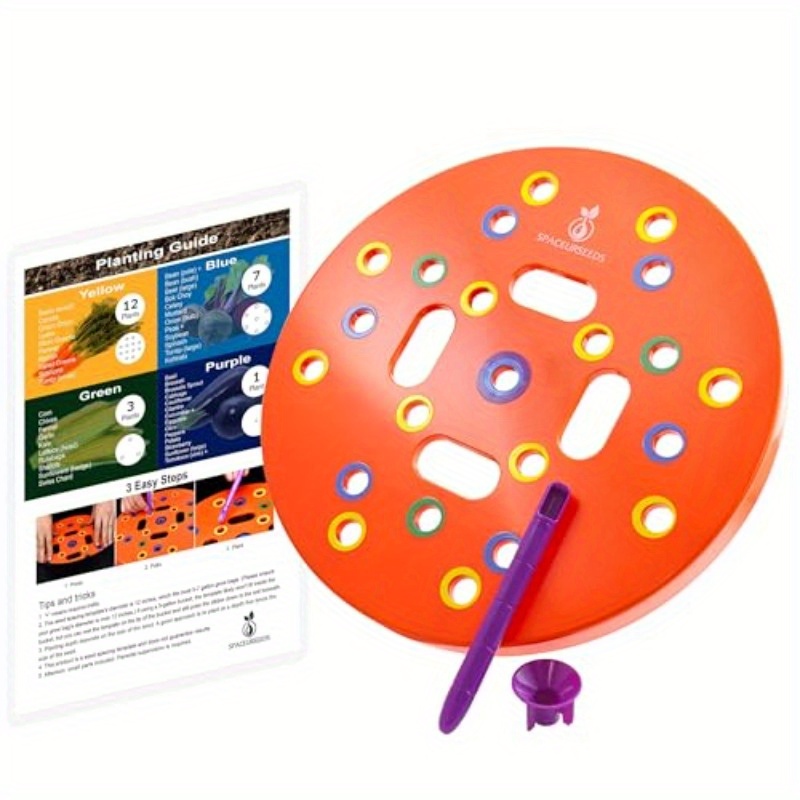
Creating Uniform Holes
Uniform holes help seeds grow evenly. The dibber makes holes the same size and depth every time.
This helps roots develop well and plants grow strong. It also makes watering and care easier.
- Use the dibber to press holes of equal depth
- Check hole size matches seed size
- Fill holes gently after planting seeds
Credit: www.temu.com
Planting Seeds With A Dibber
A garden dibber is a simple tool that helps you plant seeds with ease. It makes holes in the soil for seeds to go in. This guide will help you use a dibber to plant seeds properly.
Using a dibber ensures that seeds are planted at the correct depth and covered well. This helps seeds grow into healthy plants.
Setting The Right Depth
Planting seeds too deep or too shallow can stop them from growing. Use your dibber to make holes at the right depth for each seed type.
- Check the seed packet for recommended depth.
- Mark the dibber with a tape to the right length.
- Push the dibber straight into the soil to the marked depth.
- Lift the dibber carefully to leave a hole.
Dropping Seeds Into Holes
After making holes, drop seeds carefully one by one. Use your fingers or a small tool to place seeds gently into the holes.
| Seed Type | Seeds per Hole | Notes |
|---|---|---|
| Carrot | 1-2 | Thin later for best growth |
| Peas | 2-3 | Space holes 3 inches apart |
| Lettuce | 3-4 | Keep soil moist after planting |
Covering Seeds Properly
Covering seeds with soil is important for moisture and protection. Use the dibber or your hand to cover the seeds lightly.
- Fill holes with loose soil.
- Press soil gently to remove air pockets.
- Do not press too hard to avoid damaging seeds.
- Water soil gently after covering.
Care After Planting
After using a garden dibber to plant your seeds, proper care is key. This helps seeds grow into healthy plants.
Good care includes watering, protecting seedlings, and watching their growth closely.
Watering Techniques
Seeds need gentle watering to stay moist without flooding. Use a fine spray or small watering can.
Water early in the morning or late in the afternoon to reduce evaporation and stress on plants.
- Keep soil damp but not soaked
- Avoid strong water jets that can wash seeds away
- Water at the base of the seedlings
Protecting Seedlings
Young seedlings are delicate and need protection from pests and harsh weather. Use covers or nets if needed.
Remove weeds near the seedlings to stop competition for water and nutrients.
- Use lightweight fabric covers to block insects
- Place barriers to keep animals away
- Check seedlings daily for damage
Monitoring Growth
Watch seedlings every day to see how they grow. Look for signs of stress or disease early.
Thin out crowded plants so the strongest have room to grow. This improves air flow and light.
- Check leaf color and firmness
- Remove weak or damaged seedlings
- Note growth progress to adjust care

Credit: www.amazon.com
Maintaining Your Dibber
Keeping your garden dibber in good shape helps it last longer. Proper care makes planting seeds easier.
Regular maintenance stops dirt build-up and damage. It also keeps your dibber ready for each use.
Cleaning Tips
Clean your dibber after every gardening session. Dirt and seed residue can cause rust or wear.
Use warm water and mild soap to wash it gently. Avoid harsh chemicals that may damage the material.
- Rinse off soil with a soft brush or cloth
- Dry completely to prevent rust or mold
- Check for cracks or chips while cleaning
Storage Suggestions
Store your dibber in a dry place away from moisture. This helps prevent rust and wood rot if it has a wooden handle.
Keep it in a toolbox or hang it on a pegboard. Avoid leaving it outside where weather can damage it.
- Choose a cool, dry storage spot
- Keep away from direct sunlight
- Wrap wooden handles with cloth to protect
When To Replace Your Dibber
Replace your dibber if it becomes cracked or bent. A damaged dibber can make planting seeds hard.
Signs of wear include rust, splinters, and loose handles. Using a broken dibber can hurt your hands.
- Cracks or splits in the tip or body
- Rust covering the metal parts
- Wobbly or broken handle
- Difficult to make neat holes in soil
Frequently Asked Questions
What Is A Garden Dibber Used For?
A garden dibber is a tool used to make holes in the soil. It helps in planting seeds or seedlings accurately. The dibber ensures consistent depth and spacing, promoting healthy plant growth. Ideal for gardeners, it simplifies seed sowing and transplanting tasks.
How Do You Use A Garden Dibber?
To use a garden dibber, push its pointed end into the soil. Create a hole of desired depth for your seeds. Place the seed in the hole, cover it with soil, and gently press down. This process ensures seeds are planted securely and at the correct depth.
Can I Make A Diy Garden Dibber?
Yes, you can easily make a DIY garden dibber. Use a wooden dowel or an old broom handle. Sharpen one end to a point for easy soil penetration. You can also mark measurements on the dibber to ensure consistent planting depth and spacing.
What Materials Are Garden Dibbers Made From?
Garden dibbers are commonly made from wood, plastic, or metal. Wooden dibbers are traditional and eco-friendly. Plastic dibbers are lightweight and affordable. Metal dibbers offer durability and strength. Each material has its advantages, allowing gardeners to choose based on preference and gardening needs.
Conclusion
Using a garden dibber helps plant seeds with ease and accuracy. It makes holes the right size for seed planting. This tool saves time and keeps your garden neat. With practice, your planting will become faster and better. Try different seed depths to see what works best.
A garden dibber is simple but very helpful. Give it a try for your next planting day. Your seeds will thank you with strong, healthy growth.