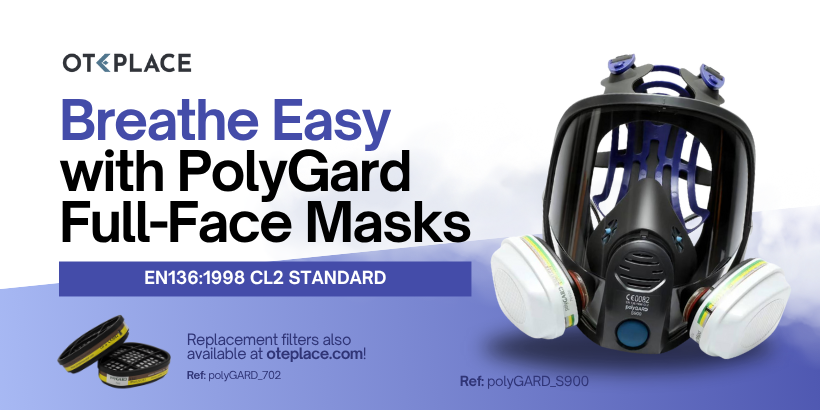
When you work with chemicals, your safety is non-negotiable. Protecting your face from harmful splashes and fumes isn’t just smart—it’s essential.
That’s where face shields come in. But how do you choose the right one? And how can you use it properly to keep yourself safe every time? This guide will walk you through everything you need to know about using face shields for chemical protection.
By the end, you’ll feel confident and ready to handle hazardous materials without worry. Keep reading to learn how to shield yourself effectively and stay safe on the job.
Types Of Face Shields
Face shields protect your face from chemical splashes and hazards. They come in different types based on materials and design. Choosing the right one helps keep you safe.
Understanding the materials and chemical resistance features of face shields will guide you to pick the best option for your needs.
Materials And Designs
Face shields use various materials to balance protection and comfort. Common materials include polycarbonate, acetate, and PETG. Each offers different levels of clarity and impact resistance.
- Polycarbonate:Strong, clear, and impact-resistant. Good for high-risk tasks.
- Acetate:Clear and chemical resistant. Best for splash protection.
- PETG:Lightweight and flexible. Suitable for general use.
- Designs:Full face coverage, wrap-around, and adjustable headbands for a secure fit.
Chemical Resistant Features
| Feature | Description |
| Anti-fog coating | Prevents fogging for clear vision |
| Scratch resistance | Protects shield from damage and wear |
| Acid and alkali resistance | Protects against common chemical splashes |
| UV protection | Blocks harmful ultraviolet rays |
Select face shields with proper chemical resistance to match the hazards you face. Check for labels that confirm protection levels and durability.
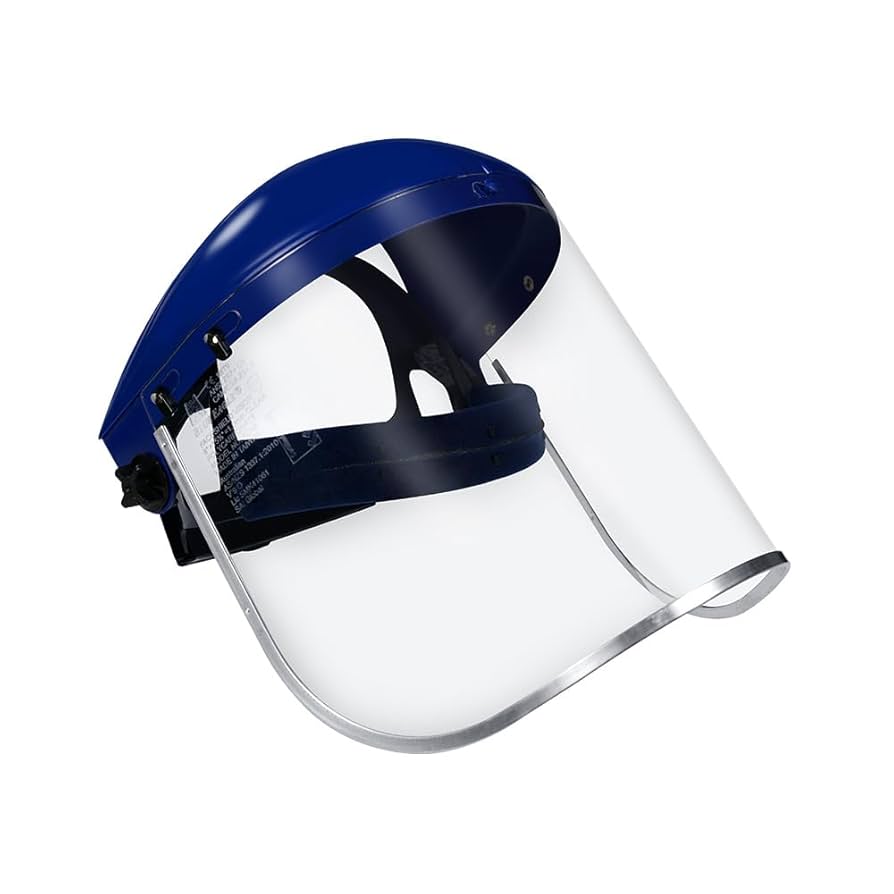
Credit: www.amazon.ca
Choosing The Right Face Shield
Face shields protect your face from harmful chemicals. Picking the right one helps keep you safe at work.
Not all face shields are the same. Choose one that fits your needs and protects you well.
Assessing Chemical Hazards
Know the type of chemicals you work with. Some chemicals can splash, while others may give off harmful vapors.
Check the chemical’s danger level. This helps decide how strong the face shield should be.
- Identify if chemicals are acidic, alkaline, or solvents
- Consider if splashes, sprays, or vapors are likely
- Choose shields resistant to the specific chemicals
Fit And Comfort Considerations
Choose a face shield that fits your head well. It should not be too tight or loose.
Comfort helps you wear the shield longer without problems. Look for adjustable straps and lightweight materials.
- Adjustable headbands for a secure fit
- Lightweight shields to reduce fatigue
- Clear, anti-fog visors for good visibility
- Proper length to cover your face fully
Proper Wearing Techniques
Face shields help protect your face from harmful chemicals. Wearing them correctly keeps you safe at work.
Learn how to adjust face shields for full coverage and use them with other protective gear.
Adjusting For Full Coverage
Make sure the face shield covers your entire face, from forehead to below the chin. This stops chemicals from reaching your skin.
Adjust the headband to fit snugly but comfortably. The shield should not move or tilt during use.
- Position the shield straight in front of your face
- Keep the shield close to your forehead
- Ensure the sides wrap around your face for side protection
- Tighten the headband without causing discomfort
Combining With Other Ppe
Use face shields with goggles or safety glasses to protect your eyes fully. This adds a strong barrier against chemicals.
Wear gloves, aprons, and respirators along with face shields. This gives you full-body protection from chemical hazards.
- Wear goggles under the face shield for eye safety
- Use gloves to protect your hands from splashes
- Put on aprons to shield your body and clothes
- Wear respirators for harmful fumes and gases
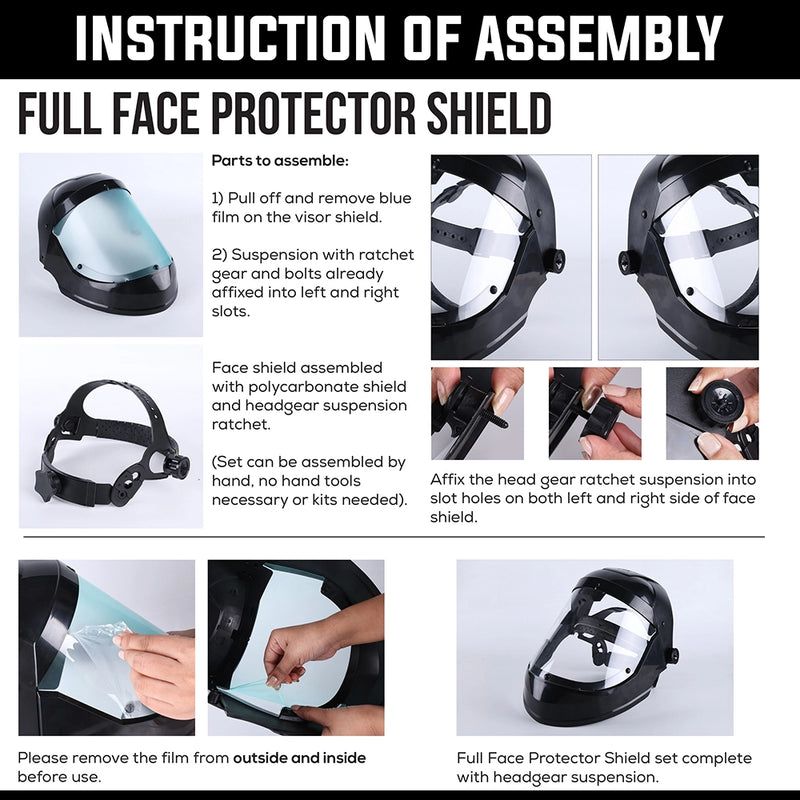
Credit: bisonlifeusa.com
Maintenance And Cleaning
Face shields protect you from harmful chemicals. Keeping them clean and well-maintained is very important. Clean shields improve safety and comfort during use.
Regular cleaning and careful inspection help extend the life of your face shield. Follow simple steps to keep your shield safe and clear.
Safe Cleaning Methods
Use gentle cleaning products that do not harm the shield material. Avoid strong chemicals that can cause damage or clouding.
- Rinse the shield with clean water to remove dust and dirt.
- Use mild soap or detergent with a soft cloth or sponge.
- Gently wipe the shield without scrubbing hard.
- Rinse again with water to remove soap residue.
- Dry with a soft, clean cloth to avoid scratches.
- Store the shield in a clean, dry place away from sunlight.
Inspecting For Damage
Check your face shield before each use. Look carefully for cracks, scratches, and other damage that can reduce protection.
| Damage Type | What to Look For | Action Needed |
| Cracks | Visible splits or breaks in the shield | Replace shield immediately |
| Scratches | Deep marks that block vision | Replace if vision is impaired |
| Discoloration | Cloudy or yellowed areas | Clean or replace if not clear |
| Loose parts | Worn or broken headbands or fasteners | Repair or replace parts |
Common Mistakes To Avoid
Face shields are important for protecting against chemicals. Using them the right way keeps you safe.
Some common mistakes reduce how well face shields work. Avoid these errors to stay protected.
Incorrect Usage
Wearing a face shield too high or too low leaves parts of your face open. The shield must cover your entire face.
Using a face shield without other protective gear can cause harm. Always wear gloves and goggles with it.
- Keep the shield centered on your face
- Do not lift the shield during chemical use
- Use other protective equipment together
Ignoring Expiry And Wear
Face shields can get scratched or cracked. Old shields may not block chemicals well.
Check your face shield often. Replace it if you see damage or if it is past its expiry date.
- Inspect the shield before each use
- Replace shields with cracks or deep scratches
- Follow manufacturer’s expiry guidelines
Credit: www.compliancetrainingonline.com
Regulations And Standards
Face shields protect workers from harmful chemicals. They stop splashes and sprays from reaching the face. Following rules keeps workers safe and workplaces legal.
Different organizations set rules for face shield use. These rules help choose and wear the right shield for chemical protection.
Osha Requirements
The Occupational Safety and Health Administration (OSHA) sets safety rules for face shields. Employers must provide shields that meet these rules.
- Face shields must meet ANSI Z87.1 standards for impact and chemical resistance.
- Shields should cover the entire face and be worn with other protective gear.
- Employers must train workers on proper use and care of face shields.
- Shields must be cleaned and inspected regularly for damage.
- Replace shields immediately if cracked or scratched.
Industry Best Practices
Besides OSHA rules, industries follow best practices to improve safety. These help reduce accidents and improve shield effectiveness.
| Practice | Description |
| Use face shields with chemical-resistant coatings | Prevents damage from acids and solvents |
| Combine face shields with goggles | Provides full eye and face protection |
| Regularly replace face shields | Ensures clear vision and strong protection |
| Provide fit testing | Makes sure shields fit each worker properly |
| Keep extra shields available | Allows quick replacement if damaged |
Frequently Asked Questions
What Are Face Shields Used For In Chemical Protection?
Face shields protect against chemical splashes and hazardous substances. They provide a barrier for the face, especially the eyes and skin, from harmful chemicals. They’re essential in environments where chemicals are handled, ensuring safety and compliance with health regulations.
How Effective Are Face Shields Against Chemicals?
Face shields are highly effective in protecting against chemical splashes. They offer full-face coverage, reducing exposure risk. However, they should be used in conjunction with other protective gear for maximum safety. Proper fit and material are crucial for optimal protection.
Do Face Shields Replace Safety Goggles?
Face shields do not replace safety goggles. They are meant to complement them. Goggles provide eye protection, while face shields protect the entire face. For comprehensive safety in chemical environments, both should be used together.
How To Maintain And Clean Face Shields?
To maintain face shields, clean them regularly with mild soap and water. Avoid harsh chemicals that may damage the material. Inspect for scratches or cracks frequently, and replace if damaged. Proper maintenance ensures longevity and effectiveness in protection.
Conclusion
Wearing face shields helps protect your face from harmful chemicals. Choose shields that fit well and cover your entire face. Always clean and inspect them before use. Combine face shields with other safety gear for full protection. Remember, safety starts with the right equipment and good habits.
Protect yourself to work safely and confidently around chemicals. Stay aware and follow all safety guidelines every time. Your health matters—keep your face shield ready and use it properly.