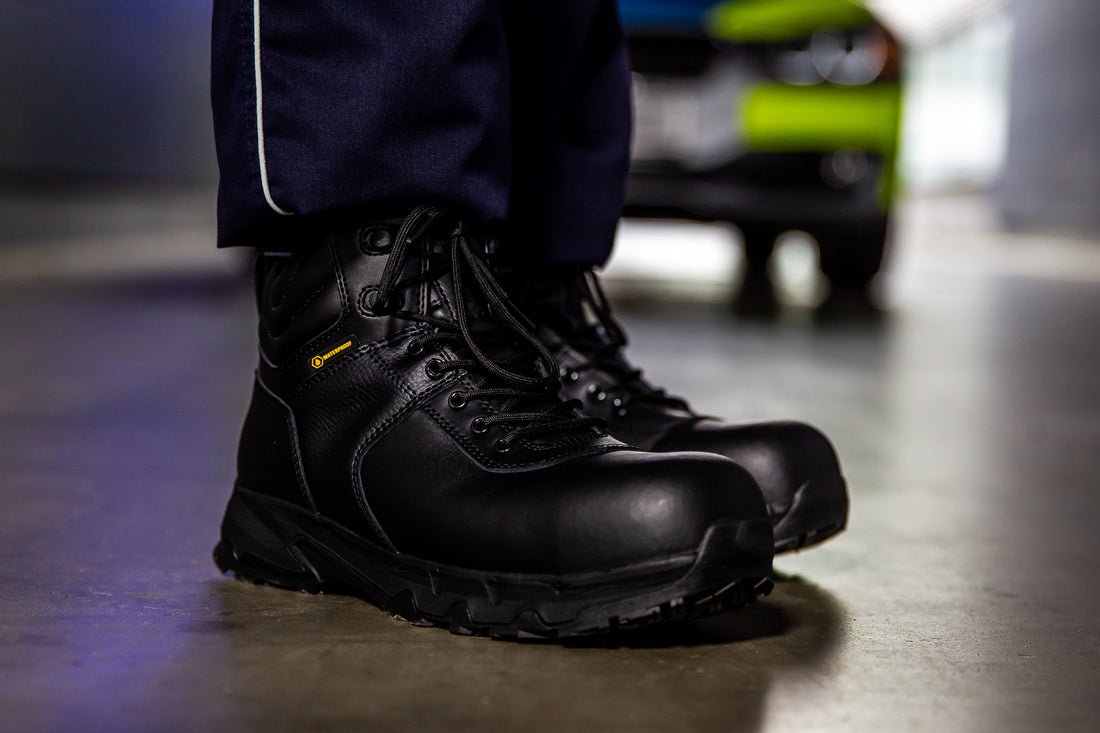
If you wear safety boots with steel toes, you know how important they are for protecting your feet. But did you know that wearing them the right way can make a huge difference in comfort and safety?
Whether you’re on a construction site, in a warehouse, or working outdoors, your boots need to fit well and support you all day long. You’ll discover simple tips that help you get the most out of your steel-toe boots. Keep reading to learn how to stay comfortable, prevent injuries, and make your boots work for you—not against you.

Credit: www.ishn.com
Choosing The Right Fit
Wearing safety boots with steel toes protects your feet from injuries. The right fit makes boots comfortable and safe to wear all day. Choosing the correct size and style helps avoid pain and blisters.
Pay attention to how your feet are measured and try boots with the right socks. Consider width options to ensure your boots fit well without squeezing.
Measuring Your Feet Accurately
Measure your feet at the end of the day when they are largest. Use a ruler or tape to check the length from heel to longest toe. Measure both feet because one may be bigger.
- Stand on a flat surface with your heel against a wall.
- Place a piece of paper under your foot.
- Mark the longest toe and the heel on the paper.
- Measure the distance between marks in centimeters or inches.
- Repeat for the other foot and use the larger size.
Considering Boot Widths
Boots come in different widths to fit narrow, regular, or wide feet. Wearing boots that are too tight or too loose can cause discomfort. Check the width size when buying safety boots.
| Width Label | Description |
| B | Narrow fit for smaller feet |
| D | Standard or regular width |
| EE | Wide fit for larger feet |
| EEE | Extra wide fit |
Trying Boots With Socks
Always try safety boots wearing the socks you plan to use. Thick work socks take more space inside the boots. Thin socks may cause your foot to slide inside the boot.
Tips for trying boots with socks:
- Wear clean, dry socks that fit well.
- Put on boots and stand to check comfort.
- Make sure toes have space but do not slide forward.
- Walk around to test fit and support.
Selecting Comfortable Materials
Choosing the right materials for safety boots with steel toes helps keep your feet comfortable all day. Proper materials reduce sweat, pressure, and discomfort.
Look for boots made with breathable, flexible, and durable parts. These features support foot health and improve your work experience.
Breathable Linings
Breathable linings allow air to flow inside the boot. This keeps your feet dry and cool, reducing sweat and bad smells. Materials like mesh or moisture-wicking fabric work well.
Flexible Uppers
Flexible uppers let your foot move naturally. Soft leather or synthetic materials can stretch and bend with your foot. This lowers pressure points and stops blisters from forming.
Durable Soles
| Material | Comfort Benefit | Durability Feature |
| Rubber | Shock absorption for less foot pain | Long wear and slip resistance |
| Polyurethane (PU) | Lightweight cushioning | Strong resistance to oils and chemicals |
| Thermoplastic Rubber (TPR) | Flexible and comfortable walking | Good abrasion resistance |
Breaking In Your Safety Boots
Breaking in safety boots with steel toes is important for comfort. New boots can feel stiff and tight at first. You need to soften them gently before wearing all day.
This guide shows easy ways to break in your boots. Follow these tips to protect your feet and avoid blisters.
Gradual Wearing Period
Wear your new boots for short times at first. Start with one or two hours a day. Increase the time slowly over several days. This helps the boots fit your feet better.
- Wear boots indoors to avoid dirt and damage.
- Use thick socks to reduce rubbing.
- Take breaks if your feet feel sore.
- Check for pressure spots and adjust laces.
- Keep increasing wear time until boots feel comfortable.
Using Boot Stretchers
Boot stretchers help widen boots for a better fit. They gently stretch tight areas without damaging the leather. Use them carefully to avoid overstretching.
| Boot Stretcher Type | Purpose |
|---|---|
| Toe Stretchers | Loosen tight toe box area |
| Width Stretchers | Expand boot width |
| Combination Stretchers | Stretch toe and width |
Insert the stretcher and turn the handle slowly. Leave it in for 24 hours. Remove and test the fit. Repeat if needed but avoid stretching daily.
Applying Leather Conditioners
Leather conditioners keep boots soft and flexible. They prevent cracks and stiff spots. Apply conditioner after cleaning the boots.
- Choose a conditioner made for safety boots.
- Use a soft cloth to apply evenly.
- Let the boots dry naturally away from heat.
- Repeat conditioning every few weeks for best results.
Using Supportive Insoles
Safety boots with steel toes protect your feet from injuries. Using supportive insoles makes them more comfortable. Insoles help reduce foot pain and fatigue during long work hours.
Good insoles provide extra cushioning and arch support. They improve your foot alignment and prevent blisters. Choosing the right insoles can keep your feet healthy and strong.
Types Of Insoles
Insoles come in many styles and materials. Some are soft and cushioned, while others are firm for support. Gel insoles absorb shock and reduce pressure on your feet.
Foam insoles provide light padding and comfort. Cork insoles mold to your feet over time for a custom fit. Choose the type that matches your foot shape and work needs.
- Gel insoles: shock absorption
- Foam insoles: lightweight comfort
- Cork insoles: mold to feet
- Orthotic insoles: correct foot posture
Custom Vs. Off-the-shelf
Custom insoles are made to fit your feet exactly. They offer the best support and comfort. These insoles help with foot problems like flat feet or high arches.
Off-the-shelf insoles are ready-made and less expensive. They fit most foot shapes and offer general comfort. Choose off-the-shelf insoles if you have no special foot issues.
- Custom insoles: exact fit, higher cost
- Off-the-shelf insoles: general fit, lower cost
- Both improve comfort and support
Replacing Insoles Regularly
Insoles wear out over time and lose support. Replace them every 6 to 12 months. Check for signs like thinning, tears, or bad odors.
Fresh insoles keep your boots comfortable and protect your feet. Regular replacement helps prevent foot pain and injuries at work.
- Replace insoles every 6 to 12 months
- Look for wear, holes, or bad smells
- New insoles keep feet supported and comfy
Lacing Techniques For Comfort
Wearing safety boots with steel toes can be tough on your feet. Proper lacing makes boots more comfortable. It helps reduce pain and keeps your feet safe.
Using the right lacing method prevents tight spots and supports your ankles. Adjusting laces can also help if your feet swell during long work hours.
Preventing Pressure Points
Tight laces can cause pressure on your foot. This leads to sore spots and discomfort. Try loosening laces near the toes to avoid this.
- Start lacing loosely at the bottom
- Tighten laces gradually as you move up
- Skip eyelets near the pressure points
- Use a loop or “ladder” lacing to spread pressure evenly
Securing The Ankle
Good ankle support prevents injuries and keeps your foot stable. Use a strong lacing pattern around the ankle area. This holds the boot snugly without hurting.
| Technique | Description |
| Figure-Eight Lacing | Cross laces in a figure-eight pattern around ankle hooks for firm support. |
| Double-Back Lacing | Loop laces back through lower eyelets before going up to increase tightness. |
| Hook Lock | Secure laces on ankle hooks, then pull tight to lock the ankle in place. |
Adjusting For Swelling
Feet often swell after standing or walking for hours. Loosen the laces a little to allow more space. You can also use lace hooks to adjust tension quickly.
Quick tips for swelling:
- Loosen laces mid-day if feet feel tight
- Use lace hooks for fast adjustments
- Try skipping one or two eyelets to reduce tightness
Credit: veronicahanson.medium.com
Maintaining Your Safety Boots
Safety boots with steel toes protect your feet in tough work conditions. Keeping them in good shape makes them last longer. This guide helps you care for your boots well.
Proper maintenance also keeps the boots comfortable and safe for daily use. Follow these tips to maintain your steel toe safety boots.
Cleaning And Drying Tips
Clean your boots regularly to remove dirt and grime. Use a soft brush or damp cloth for the job. Avoid harsh chemicals that can damage the material.
- Remove mud and dirt after each use
- Use mild soap and water for cleaning
- Dry boots naturally at room temperature
- Do not place boots near direct heat sources
- Stuff boots with newspaper to absorb moisture
Regular Inspection
Check your boots often for any damage or wear. Look for cracks, loose stitching, or worn soles. Early detection helps prevent accidents and costly repairs.
| Inspection Area | What to Check |
|---|---|
| Toe Cap | Look for dents or cracks |
| Soles | Check for thinning or holes |
| Stitching | Ensure seams are tight and intact |
| Laces | Replace if frayed or broken |
Proper Storage
Store your boots in a cool, dry place. Avoid damp areas that cause mold and bad odors. Keep them away from direct sunlight to stop fading and cracking.
Tips for storing safety boots:
- Use a boot rack or shelf
- Keep boots upright to keep shape
- Use silica gel packs to reduce moisture
- Do not store boots in plastic bags
Additional Comfort Accessories
Wearing safety boots with steel toes can sometimes cause discomfort. Adding comfort accessories helps improve the fit and feel. These small items reduce pressure and keep feet dry.
Using the right accessories makes long workdays easier. They protect your feet and keep you comfortable on the job.
Moisture-wicking Socks
Moisture-wicking socks pull sweat away from your skin. This helps keep your feet dry and prevents blisters. Look for socks made of synthetic materials or wool blends. Avoid cotton as it holds moisture.
- Choose socks with extra padding in key areas
- Change socks daily to maintain dryness
- Pick socks that fit well without bunching
Gel Pads And Cushions
Gel pads add extra cushioning inside your boots. They reduce pressure on the ball of your foot and heels. These pads can also absorb shock from walking or standing.
| Type | Best Use | Benefit |
| Ball of Foot Pads | Front foot area | Reduces pressure and pain |
| Heel Cushions | Heel area | Absorbs shock and prevents soreness |
| Arch Supports | Middle foot | Improves foot alignment |
Heel Grips And Inserts
Heel grips stop your foot from slipping inside the boot. Inserts can fill extra space to improve fit. Both help prevent blisters and rubbing. Choose soft, padded options for best comfort.
- Use heel grips to keep boots snug
- Try full-length inserts for extra support
- Replace worn inserts regularly

Credit: safetymk.com
Frequently Asked Questions
How To Choose The Right Steel Toe Size?
Choosing the right size is crucial for comfort and safety. Measure your feet in the afternoon when they are most swollen. Opt for a snug fit but ensure your toes have room to move. Consider trying on boots with your usual work socks to ensure the best fit.
Can Steel Toes Cause Discomfort?
Steel toes can cause discomfort if they’re too tight or poorly fitted. Ensure you choose the correct size and break them in gradually. Consider wearing cushioned socks for added comfort. If discomfort persists, check for pressure points and adjust lacing or insoles accordingly.
Are Steel Toe Boots Waterproof?
Not all steel toe boots are waterproof. When purchasing, check product descriptions for waterproof features or treatments. Waterproof boots often have sealed seams and moisture-wicking linings. If you need waterproofing, consider applying a suitable spray or wax for added protection.
How Often Should I Replace Safety Boots?
Replace safety boots when they show significant wear or damage. Check for worn soles, compromised steel toes, or damaged uppers. Regular inspections prolong their life and ensure safety. Typically, replace them every 12 to 24 months, depending on usage and work conditions.
Conclusion
Wearing steel toe safety boots protects your feet from injury. Choose the right size for comfort and safety. Keep your boots clean and dry to last longer. Use proper socks to avoid blisters and sweat. Always lace your boots tightly to prevent slipping.
Check boots regularly for damage or wear. Follow these tips to stay safe on the job. Comfort and protection go hand in hand. Safety boots are an important part of your gear. Take care of them, and they will take care of you.