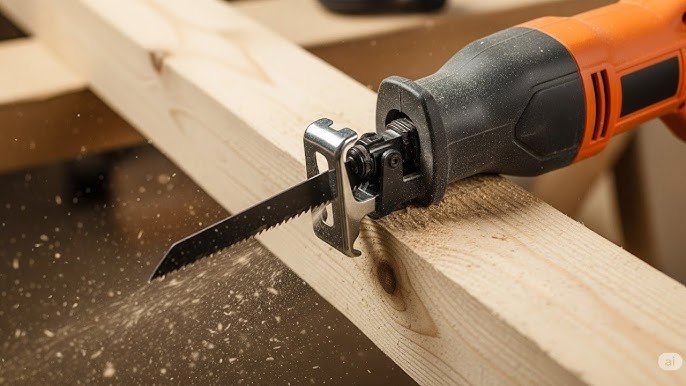
Are you ready to tackle your next cutting project with a reciprocating saw? Before you start, it’s crucial to know how to operate this powerful tool safely.
Using a reciprocating saw without proper precautions can lead to serious injuries or damage. You’ll discover simple, practical steps to keep your hands safe and your work precise. By following these easy tips, you’ll gain confidence and avoid costly mistakes.
Keep reading to learn exactly how to handle your reciprocating saw like a pro—and protect yourself every step of the way.
Credit: eldoradotools.com
Choosing The Right Reciprocating Saw
Using a reciprocating saw safely starts with picking the right tool. The right saw fits your project and skill level.
Choose a saw that feels comfortable and has features you need for your work.
Types Of Reciprocating Saws
There are different types of reciprocating saws. Each type suits certain tasks and users.
Some saws are cordless, offering more freedom. Others use a cord for continuous power.
- Corded Reciprocating Saws:Plug into power outlets. Good for long jobs.
- Cordless Reciprocating Saws:Battery powered. Easy to move around.
- Compact Reciprocating Saws:Smaller size for tight spaces and light work.
- Heavy-Duty Reciprocating Saws:Strong motors for tough materials.
Key Features To Consider
Look at features that improve safety and ease of use. These help you work better and avoid accidents.
Check the blade clamp, speed control, and grip comfort when choosing a saw.
- Blade Clamp:Tool-free clamps let you change blades safely and fast.
- Variable Speed Control:Adjust speed to match the material you cut.
- Anti-Vibration Handle:Reduces hand fatigue and keeps better control.
- Orbital Action:Helps cut wood faster by moving the blade in a circular motion.
- Weight and Size:Choose a saw that is light enough to handle easily.
Preparing Your Workspace
Operating a reciprocating saw needs a safe workspace. Preparing your area helps prevent accidents and makes work easier.
Focus on clearing the space, checking lighting, and spotting any hazards before starting.
Clearing The Area
Remove all items that can block your movement or cause trips. Keep tools organized and away from the saw’s path.
- Clear loose objects like cables and debris
- Keep the floor dry and clean
- Store unused tools safely
- Make sure there is enough room to move freely
Ensuring Proper Lighting
Good lighting helps you see clearly and avoid mistakes. Use bright lights that shine directly on your work area.
| Lighting Type | Benefits |
| Natural Light | Reduces eye strain |
| LED Work Lights | Bright and energy-efficient |
| Adjustable Lamps | Focus light where needed |
Checking For Hazards
Look for anything that could cause harm during cutting. This includes unstable surfaces and hidden electrical wires.
- Loose floorboards or uneven ground
- Wet or slippery spots
- Hidden nails or sharp objects
- Electrical cables near cutting area
Personal Protective Equipment
Using a reciprocating saw can be dangerous without the right safety gear. Personal protective equipment helps protect your body from injury.
Always wear proper protection before starting work. It keeps you safe from flying debris, loud noises, and sharp edges.
Eye Protection
Eye protection prevents dust and small pieces from hitting your eyes. Safety glasses or goggles are best choices.
- Wear impact-resistant safety glasses.
- Use side shields or wrap-around goggles.
- Ensure glasses fit snugly without gaps.
- Replace damaged or scratched lenses immediately.
Hearing Protection
Reciprocating saws create loud noise that can harm hearing. Use earplugs or earmuffs to reduce noise levels.
| Type | Noise Reduction | Comfort |
| Foam Earplugs | High | Good for long use |
| Silicone Earplugs | Medium | Reusable and washable |
| Earmuffs | High | Easy to wear |
Gloves And Clothing
Wear gloves to protect your hands from cuts and vibration. Choose clothes that cover your arms and legs.
- Use thick work gloves with good grip.
- Wear long sleeves and pants made of durable fabric.
- Avoid loose clothing that can get caught in the saw.
- Wear sturdy boots with non-slip soles.

Credit: www.youtube.com
Inspecting The Saw Before Use
Before using a reciprocating saw, always inspect it carefully. Checking the saw helps prevent accidents and ensures smooth work.
Look over the saw parts and make sure everything is in good shape. Do not use the saw if you find any problems.
Blade Condition
Check the blade for any damage before starting. A dull or broken blade can cause the saw to slip or work poorly.
- Look for cracks or chips on the blade teeth.
- Make sure the blade is sharp and clean.
- Replace the blade if it shows any signs of wear.
Power Cord And Battery Check
| Component | What to Check | Why it Matters |
| Power Cord | Look for cuts, frays, or exposed wires | Prevent electric shock and power loss |
| Battery | Ensure battery is fully charged and fits securely | Avoid sudden power failure during use |
Securing The Blade
Make sure the blade is firmly attached before turning on the saw. A loose blade can come off and cause injury.
Follow these steps to secure the blade:
- Turn off and unplug the saw or remove the battery.
- Insert the blade into the holder fully.
- Tighten the blade clamp or locking mechanism.
- Pull gently on the blade to check it is locked in place.
Safe Operating Techniques
Using a reciprocating saw safely is important for every job. You need to follow clear rules to avoid accidents.
This guide covers key techniques to keep control and work safely with your saw.
Proper Grip And Stance
Hold the saw firmly with both hands. Keep your body balanced and feet shoulder-width apart. This stance helps you control the saw better and reduces the chance of slipping.
- Use your dominant hand on the main handle
- Place your other hand on the front grip
- Keep elbows slightly bent
- Stand with feet apart for stability
- Keep your weight balanced over both feet
Controlling The Saw Speed
Control the speed to match the material you cut. Start slow to avoid mistakes. Increase speed only when the blade moves smoothly.
| Material | Recommended Speed |
| Wood | Medium to High |
| Metal | Low to Medium |
| Plastic | Low |
Avoiding Kickback
Kickback happens when the blade gets stuck or hits hard material suddenly. It can cause the saw to jump back toward you.
- Keep the blade sharp and clean
- Do not force the saw into the material
- Hold the saw firmly to absorb sudden moves
- Wear safety gear like gloves and goggles
- Always cut at the right angle
Handling Different Materials
Using a reciprocating saw requires care with different materials. Each type needs special handling. Safety is important to avoid accidents.
Learn how to cut wood, metal, and pipes safely. Follow clear steps and use the right techniques for each material.
Cutting Wood Safely
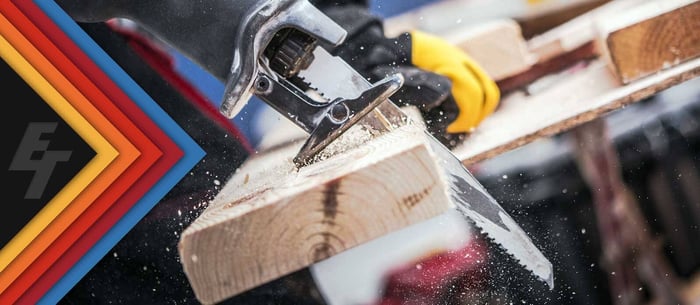
Always check the wood for nails or screws before cutting. Use a slow speed to start the cut and increase speed once the blade is steady. Keep both hands on the saw for control.
- Wear safety goggles to protect your eyes from wood chips.
- Use a blade designed for wood cutting to get clean cuts.
- Keep the saw blade straight to avoid binding or kickback.
- Clamp the wood firmly before cutting to prevent movement.
Working With Metal
Metal cutting requires a fine-toothed blade and steady pressure. Avoid forcing the saw to prevent blade damage. Use cutting oil to cool the blade and reduce friction.
| Blade Type | Speed Setting | Safety Tip |
| Bi-metal blade | Medium | Wear gloves to protect hands |
| Carbide blade | Low to medium | Secure metal piece tightly |
| High-speed steel | Medium | Use eye protection |
Dealing With Pipes And Other Objects
Identify the pipe material before cutting. For plastic pipes, use a blade made for plastics. For metal pipes, use a metal cutting blade. Keep the pipe steady to get a clean cut.
Safety tips for cutting pipes:
- Wear a dust mask when cutting plastic pipes.
- Mark the cut line clearly before starting.
- Keep the saw perpendicular to the pipe for a straight cut.
- Hold the pipe with a pipe wrench or clamp.
Maintaining The Saw Post-use
Taking care of your reciprocating saw after use keeps it working well. Proper maintenance helps avoid damage and extends the tool’s life.
Follow these simple steps to clean, store, and maintain your saw safely and effectively.
Cleaning And Storage
Always unplug the saw before cleaning. Remove dust and debris from the blade and body using a brush or cloth. Avoid using water or harsh cleaners that can cause rust.
Store the saw in a dry place. Use a protective case or cover to keep it safe from moisture and dirt.
Blade Replacement
Change the blade when it becomes dull or damaged. Using a sharp blade ensures safe and efficient cutting.
- Unplug the saw before replacing the blade.
- Use the correct blade type for your saw model.
- Follow the manufacturer’s instructions for blade removal and installation.
- Check that the blade is tightly secured before use.
Regular Maintenance Tips
| Task | Frequency | Description |
| Lubricate moving parts | Monthly | Apply oil to reduce friction and wear. |
| Inspect power cord | Before each use | Look for cuts or damage to avoid electrical hazards. |
| Tighten screws and bolts | Monthly | Keep all fasteners secure for safe operation. |
| Check carbon brushes | Every 6 months | Replace worn brushes to maintain motor efficiency. |
Emergency Procedures
Using a reciprocating saw can be risky without proper safety steps. Knowing what to do in an emergency can prevent serious harm.
This guide covers how to handle accidents, basic first aid, and when to get expert medical help.
Dealing With Accidents
Stop using the saw immediately if an accident happens. Turn off the power and unplug the tool if possible. Check the injured person carefully but avoid moving them unless necessary.
- Keep calm and call for help.
- Clear the area to keep others safe.
- Use a clean cloth to stop bleeding.
- Do not remove any objects stuck in wounds.
- Keep the injured person warm.
First Aid Basics
Knowing basic first aid is important. It helps reduce injury severity before medical help arrives.
| Injury | Action |
| Small cuts | Clean with water, cover with bandage |
| Deep cuts | Apply pressure to stop bleeding, seek help |
| Burns | Cool with water, cover loosely |
| Eye injury | Do not rub, rinse with clean water |
When To Seek Professional Help
Some injuries need fast care from doctors. Do not wait if the injury is serious.
- Heavy bleeding that won’t stop
- Deep cuts or wounds with objects inside
- Loss of movement or feeling
- Large burns or severe pain
- Signs of shock like pale skin or confusion

Credit: www.youtube.com
Frequently Asked Questions
How To Hold A Reciprocating Saw Correctly?
To hold a reciprocating saw, grip the handle firmly with one hand. Use the other hand to support the front of the saw. Ensure your hands are dry to prevent slipping. Maintain a balanced stance with your feet shoulder-width apart for stability.
Always keep the saw steady during operation.
What Safety Gear Is Needed For Reciprocating Saw?
Always wear safety goggles to protect your eyes from flying debris. Use ear protection, as reciprocating saws can be loud. Wear heavy-duty gloves for a better grip and protection. Consider steel-toed boots to protect your feet from falling objects. Always ensure your clothing is snug to prevent it from catching.
Can Beginners Use A Reciprocating Saw Safely?
Yes, beginners can use a reciprocating saw safely with proper guidance. Start by reading the user manual carefully. Practice holding and controlling the saw before starting a project. Always follow safety precautions and wear protective gear. Start with simple tasks to build confidence and skill.
What Are Common Reciprocating Saw Mistakes?
Common mistakes include not securing the workpiece properly, which can lead to dangerous kickbacks. Using the wrong blade type for the material can damage the saw and ruin the cut. Not wearing safety gear increases the risk of injury. Failing to maintain a stable stance can result in loss of control.
Conclusion
Operating a reciprocating saw safely protects you and others around. Always wear safety gear like gloves and goggles. Keep your hands clear of the blade at all times. Check the saw before use to ensure it works well. Use the right blade for the material you cut.
Take breaks to avoid tiredness and stay focused. Following these steps helps prevent accidents and injuries. Stay alert and respect the tool’s power. Safe use makes your work easier and more effective. Safety first, every time you pick up the saw.