Are your garden knives feeling dull and making your cutting tasks harder than they should be? A sharp garden knife can make all the difference, giving you clean, precise cuts that help your plants grow healthier and your work go faster.
But how do you sharpen your garden knives the right way? You’ll discover simple, effective techniques to bring your blades back to life. By the end, you’ll be ready to tackle any garden task with confidence and ease. Keep reading to unlock the secrets to perfect, precision cuts every time.
Choosing The Right Sharpening Tools
Sharpening garden knives makes cutting easier and safer. Using the right tools helps keep your blades sharp for precise work.
This guide explains three popular sharpening tools. Each has its uses and benefits for garden knives.
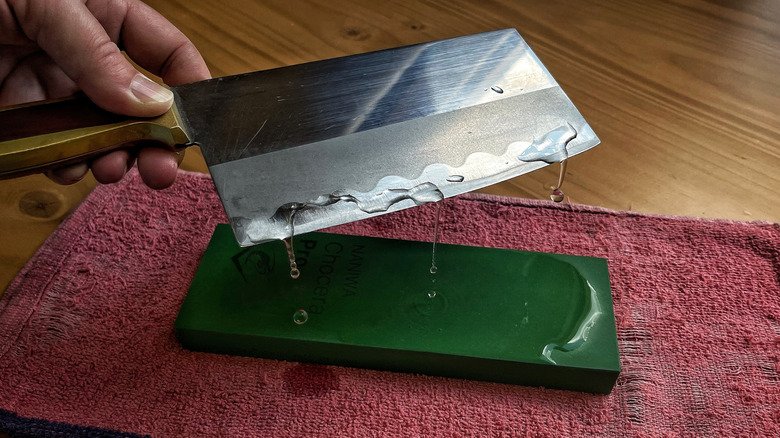
Whetstones And Their Grit Levels
Whetstones are flat stones used to sharpen blades by hand. They come in different grit levels that affect how they sharpen.
- Coarse grit (200-600):Removes chips and shapes the blade.
- Medium grit (800-1500):Sharpens the edge and smooths rough areas.
- Fine grit (2000+):Polishes the blade for a very sharp edge.
Using Sharpening Rods
Sharpening rods, also called honing rods, realign the blade edge. They are not for heavy sharpening but for quick touch-ups.
Use a sharpening rod regularly to keep your garden knives sharp between full sharpenings.
Electric Sharpeners: Pros And Cons
| Pros | Cons |
| Fast sharpening | Can remove too much metal |
| Easy to use | May damage blade if used incorrectly |
| Good for beginners | Less control over sharpening angle |
Electric sharpeners save time but need careful use. Choose one that fits your knife size and sharpening needs.

Credit: www.yahoo.com
Preparing Your Garden Knife
Preparing your garden knife is an important step before sharpening. It helps you get better and safer results.
Cleaning and inspecting the blade ensures the knife works well and lasts longer.
Cleaning The Blade
Remove dirt and sap from the blade before sharpening. A clean blade sharpens more evenly.
Use warm water and mild soap with a soft cloth. Avoid harsh chemicals that can damage the metal.
- Rinse the blade under warm water
- Apply mild soap and scrub gently
- Wipe with a soft cloth or sponge
- Dry the blade completely to stop rust
Checking For Damage
Look closely at the blade to find any chips, cracks, or bends. Damage can make sharpening unsafe.
Small chips can be fixed by careful sharpening. Large cracks or bends may need professional repair or replacement.
- Check the edge for small chips or dents
- Look for cracks along the blade
- Make sure the blade is straight
- Inspect the handle for cracks or looseness
Sharpening Techniques For Precision
Sharp garden knives make clean, precise cuts. This helps plants heal faster and grow better.
Using the right sharpening methods keeps your knives effective and safe to use.
Setting The Correct Angle
Keeping the correct angle is key to sharp edges. Most garden knives need a 20-degree angle.
- Hold the knife firmly.
- Place the blade on the sharpening stone.
- Keep the blade at about 20 degrees to the stone.
- Maintain this angle while sharpening both sides.
Consistent Stroke Methods
Use smooth, steady strokes for best results. Consistency shapes the blade evenly.
| Stroke Method | Description |
| Push | Push blade forward along the stone. |
| Pull | Pull blade back toward you on the stone. |
| Circle | Move blade in small circular motions. |
| Side to Side | Slide blade horizontally across the stone. |
Using Water Or Oil During Sharpening
Water or oil keeps the stone clean and cool. It helps sharpen blades smoothly.
- Use water with water stones.
- Use oil with oil stones.
- Apply a few drops before sharpening.
- Reapply as needed to avoid dry friction.

Credit: smithsproducts.com
Testing Sharpness
Checking the sharpness of your garden knives is important for making clean cuts. Sharp knives cut smoothly and reduce damage to plants.
There are simple tests to see if your knife is sharp enough. These tests help you decide if more sharpening is needed.
Paper Cut Test
This test uses a piece of paper to check how well the knife cuts. A sharp knife will slice through paper easily without tearing.
- Hold a sheet of paper by one edge.
- Try slicing the paper with your garden knife.
- Watch if the paper cuts cleanly or rips.
- A clean slice means the knife is sharp.
- If the paper tears, sharpen the blade more.
Vegetable Slicing Test
Cutting a vegetable is a good way to test sharpness in real use. Sharp knives make smooth, even cuts without crushing.
| Vegetable | Cut Result if Sharp | Cut Result if Dull |
| Carrot | Clean slice with no crushing | Rough cut, crushed edges |
| Cucumber | Thin, even slices | Uneven, squashed slices |
| Tomato | Skin cut easily, no squashing | Skin tears, mushy inside |
Maintaining Sharpness Over Time
Keeping garden knives sharp ensures clean and precise cuts. Sharp blades reduce plant damage and make work easier.
Regular care helps your knives stay effective for a long time. Two key habits help maintain sharpness: honing and proper storage.
Regular Honing
Honing realigns the blade edge without removing much metal. It keeps knives sharp between full sharpenings.
- Hold the honing rod vertically on a flat surface.
- Place the knife blade at a 20-degree angle to the rod.
- Swipe the blade down the rod from heel to tip.
- Repeat five times on each side of the blade.
- Check the sharpness by cutting a leaf or paper.
Proper Storage Tips
Storing knives properly protects their edges and prevents rust. Avoid tossing knives in drawers or leaving them outside.
| Storage Method | Benefits | Notes |
| Knife block | Keeps blades safe and sharp | Use a clean, dry block |
| Magnetic strip | Easy access, prevents dulling | Keep blades dry before mounting |
| Blade guards | Protects edges during storage or transport | Choose guards that fit well |
| Dry cloth wrap | Prevents moisture and rust | Change cloth often to stay dry |
Safety Tips When Sharpening
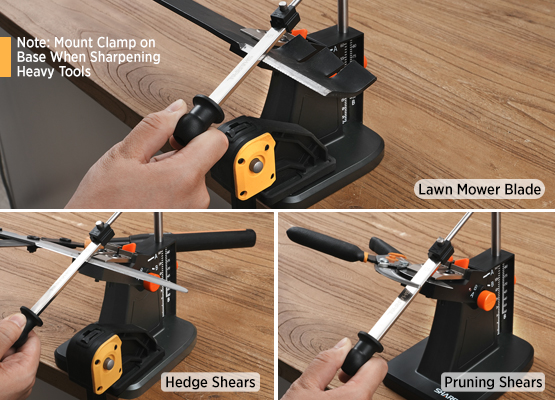
Sharpening garden knives needs care and attention. Safety helps avoid injuries and keeps the tool in good shape.
Follow safety tips to protect yourself and work with confidence. Use the right gear and handle knives carefully.
Wearing Protective Gear
Wearing protective gear is important while sharpening. It protects your hands, eyes, and body from accidents.
- Wear cut-resistant gloves to protect your hands from sharp edges.
- Use safety glasses to shield your eyes from metal shards.
- Wear a long-sleeved shirt to protect your arms from scratches.
- Choose sturdy shoes to keep your feet safe if you drop tools.
Safe Handling Practices
Handling knives safely reduces the risk of cuts and accidents during sharpening. Always be aware of your movements.
| Practice | Reason |
| Hold the knife firmly by the handle | Prevents slipping and loss of control |
| Sharpen away from your body | Avoids injury if the knife slips |
| Keep your work area clean and dry | Reduces risk of slipping or dropping tools |
| Use steady, slow strokes when sharpening | Ensures even sharpening and safer handling |
| Store sharpened knives safely after use | Prevents accidental cuts and damage |
Credit: sharpal.com
Frequently Asked Questions
How Often Should You Sharpen Garden Knives?
Garden knives should be sharpened every few months, depending on usage. Regular sharpening ensures precision cuts and extends tool life. Inspect your knives after heavy use to determine if sharpening is needed sooner. Keeping your knives sharp reduces effort and ensures clean cuts in your garden.
What Tools Are Needed To Sharpen Garden Knives?
To sharpen garden knives, you’ll need a sharpening stone or a honing rod. A whetstone is ideal for most knife types. Consider a diamond stone for tougher blades. A honing rod helps maintain edge alignment. Additionally, safety gloves are recommended to protect your hands during the sharpening process.
Can You Use A Kitchen Sharpener For Garden Knives?
Yes, a kitchen sharpener can be used for garden knives, but it’s not ideal. Kitchen sharpeners are designed for specific blade angles. Garden knives might require different angles. A sharpening stone offers better precision. If using a kitchen sharpener, ensure it accommodates various blade types for best results.
How Do You Test Garden Knife Sharpness?
Test garden knife sharpness by gently slicing through a sheet of paper. A sharp knife will cut effortlessly. Alternatively, try cutting through a tomato or soft fruit. If the knife struggles, it needs sharpening. Regularly test sharpness to ensure optimal performance in the garden.
Conclusion
Sharpening garden knives takes a little time and care. Keep the blade angle steady for best results. Use the right tools to make precise cuts easier. Regular sharpening keeps knives safe and effective. Dull blades can damage plants and slow work.
Practice often to improve your sharpening skill. Clean your knives after sharpening to stop rust. Well-maintained knives help your garden thrive. Try these tips to enjoy smoother, cleaner cuts every time.