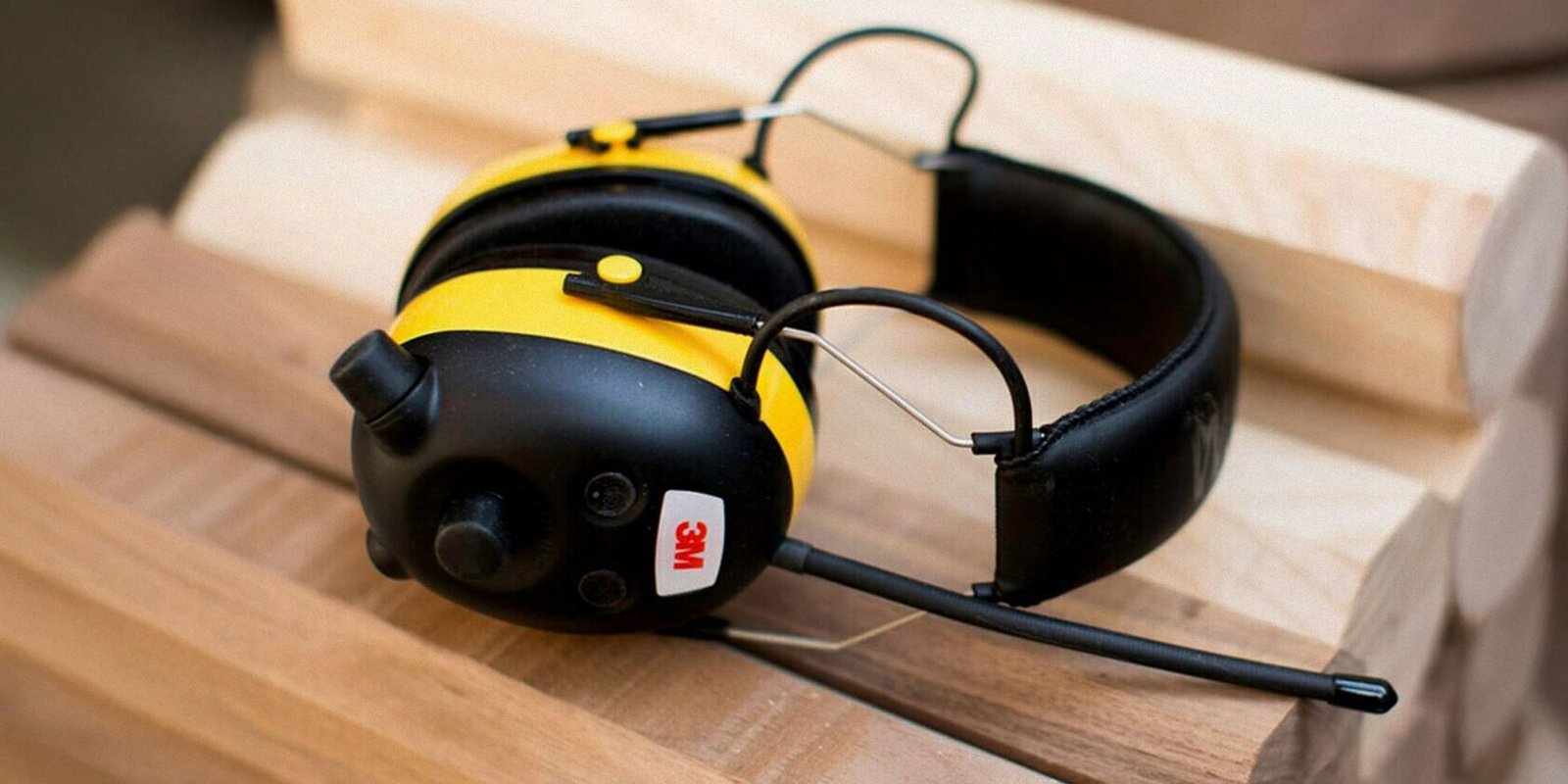
When you’re working with loud power tools, protecting your hearing isn’t just smart—it’s essential. But with so many ear muffs on the market, how do you pick the right ones for your needs?
You want comfort, clear communication, and most importantly, effective noise protection. Choosing the wrong ear muffs could leave your ears at risk or make your work uncomfortable. You’ll discover simple steps to select the perfect ear muffs that keep your hearing safe without slowing you down.
Keep reading to find out exactly what to look for and how to make the best choice for your safety and comfort.
Noise Levels And Risks
Using loud power tools can harm your hearing if you are not careful. Ear muffs help protect your ears from loud noise. It is important to know about noise levels and risks before choosing ear muffs.
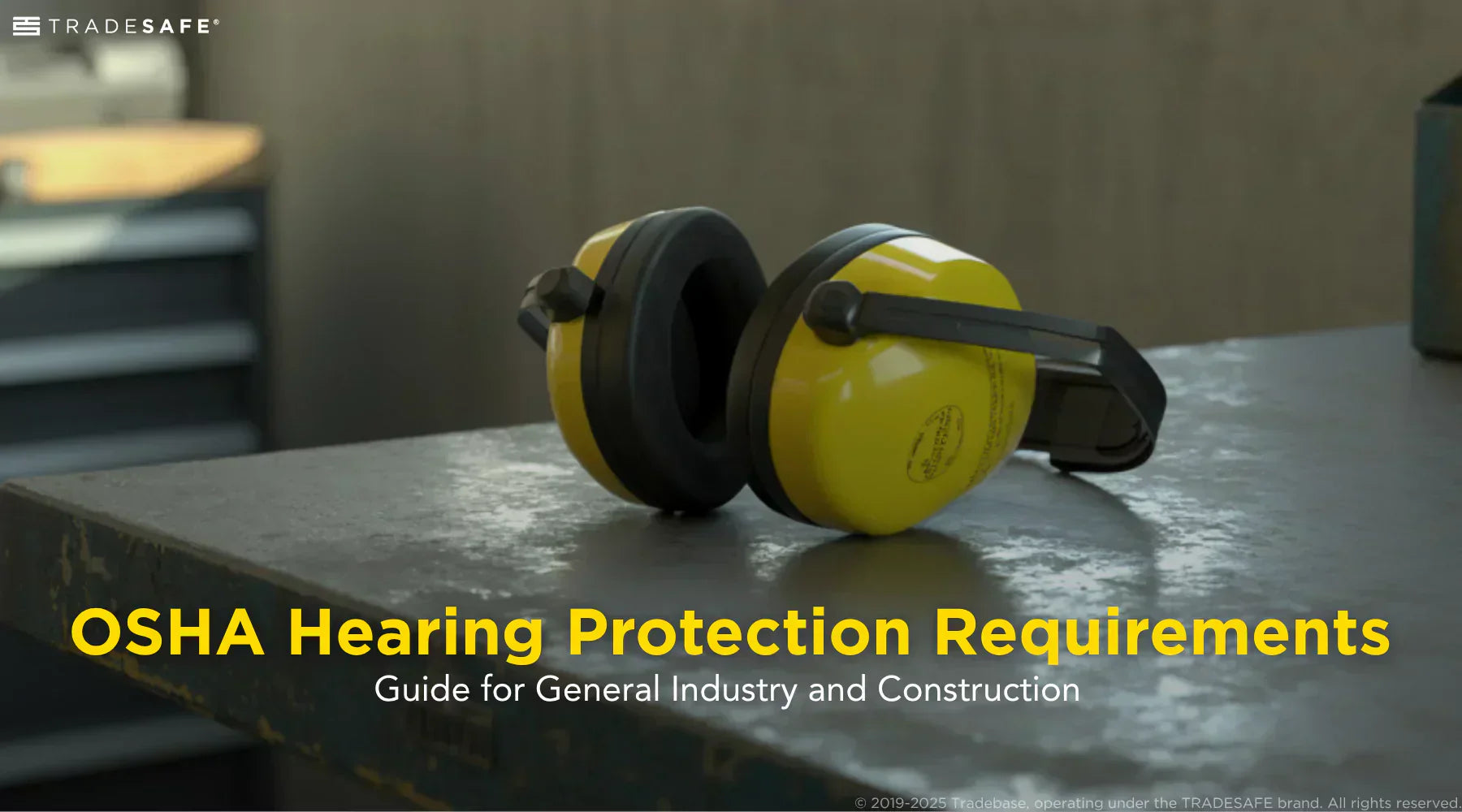
This guide explains the decibel ratings of power tools and how loud sounds can cause hearing damage. Understanding these facts helps you select the right ear muffs for safety.
Decibel Ratings Of Power Tools
Power tools produce different noise levels. These levels are measured in decibels (dB). The higher the decibel, the louder the sound. Some tools can reach very high decibel ratings that can harm hearing.
| Power Tool | Average Noise Level (dB) |
| Chainsaw | 110 |
| Angle Grinder | 100 |
| Drill | 90 |
| Hammer Drill | 95 |
| Leaf Blower | 105 |
Hearing Damage From Loud Sounds
Loud sounds can cause hearing loss over time. The risk depends on the noise level and how long you are exposed. Sounds over 85 dB can harm your ears if exposure is long or repeated.
- Sounds at 85 dB or more can cause damage after 8 hours.
- At 100 dB, damage can happen in just 15 minutes.
- Very loud sounds over 120 dB can cause instant pain and injury.
- Using ear muffs reduces noise and protects hearing.
Credit: trdsf.com
Types Of Ear Muffs
Ear muffs protect your ears from loud sounds. They help reduce noise from power tools.
There are different types of ear muffs for various needs. Choose the right type to stay safe.
Passive Ear Muffs
Passive ear muffs block noise using thick padding. They do not need batteries or power.
These ear muffs are simple and durable. They work well for constant loud noises.
- Use foam or plastic cups to cover ears
- Reduce noise by creating a barrier
- Best for steady, loud sounds
- No electronic parts to break
Electronic Ear Muffs
Electronic ear muffs use batteries to control sound levels. They lower loud sounds but let quieter sounds in.
They help you hear voices and warnings while protecting ears. These are good for changing noise environments.
- Amplify soft sounds like speech
- Reduce harmful loud noises automatically
- Use in areas with variable noise
- Require batteries to work
Noise-canceling Features
Noise-canceling ear muffs remove background noise using special technology. They make loud sounds less distracting.
These ear muffs use microphones and speakers inside the cups. They create sound waves that cancel noise.
- Use active noise control technology
- Ideal for very loud or constant noise
- Help reduce fatigue from noise
- Often battery-powered
Key Features To Consider
Choosing the right ear muffs for loud power tools is important. Ear muffs protect your ears from noise damage.
Look at key features to find ear muffs that keep you safe and comfortable.
Noise Reduction Rating (nrr)
Noise Reduction Rating shows how much noise the ear muffs block. Higher numbers mean better protection.
Choose ear muffs with an NRR that matches the noise level of your power tools.
- NRR 20-25 dB for moderate noise
- NRR 26-30 dB for very loud tools
- NRR above 30 dB for extremely loud environments
Comfort And Fit
Comfort is key for long use. Ear muffs that fit well reduce pressure on your head and ears.
Look for adjustable headbands and soft ear cushions. These help keep the ear muffs in place.
- Padded headbands ease pressure
- Soft ear cushions seal noise without pain
- Adjustable size fits different head shapes
Durability And Materials
Durable ear muffs last longer in tough work settings. Strong materials resist wear and tear.
Choose ear muffs made with sturdy plastics and quality padding. This keeps them working well over time.
- Hard plastic shells protect against impacts
- Water-resistant materials handle sweat and rain
- Replaceable parts extend the product life
Choosing The Right Size And Fit
Selecting ear muffs that fit well is key to protecting your ears from loud tools. A proper fit blocks noise better and feels more comfortable.
Ear muffs come in many sizes. You need to find one that fits your head shape and size to wear them for long times.
Adjustable Headbands
Adjustable headbands help you find the perfect fit. They let you change the size to fit your head tightly without pain.
Look for headbands that slide smoothly and stay in place. This keeps ear muffs secure during work.
- Check for easy-to-use adjustment points
- Choose flexible but strong materials
- Make sure it fits well over hair or hats
Cushioning And Seal
Soft cushioning around the ears improves comfort and noise blocking. It creates a seal that stops loud sounds from entering.
Good seals fit snugly around your ears without gaps. This helps protect your hearing better during long use.
- Look for thick, soft ear cushions
- Materials like foam or gel offer better comfort
- Check if cushions fully cover your ears
Compatibility With Other Safety Gear
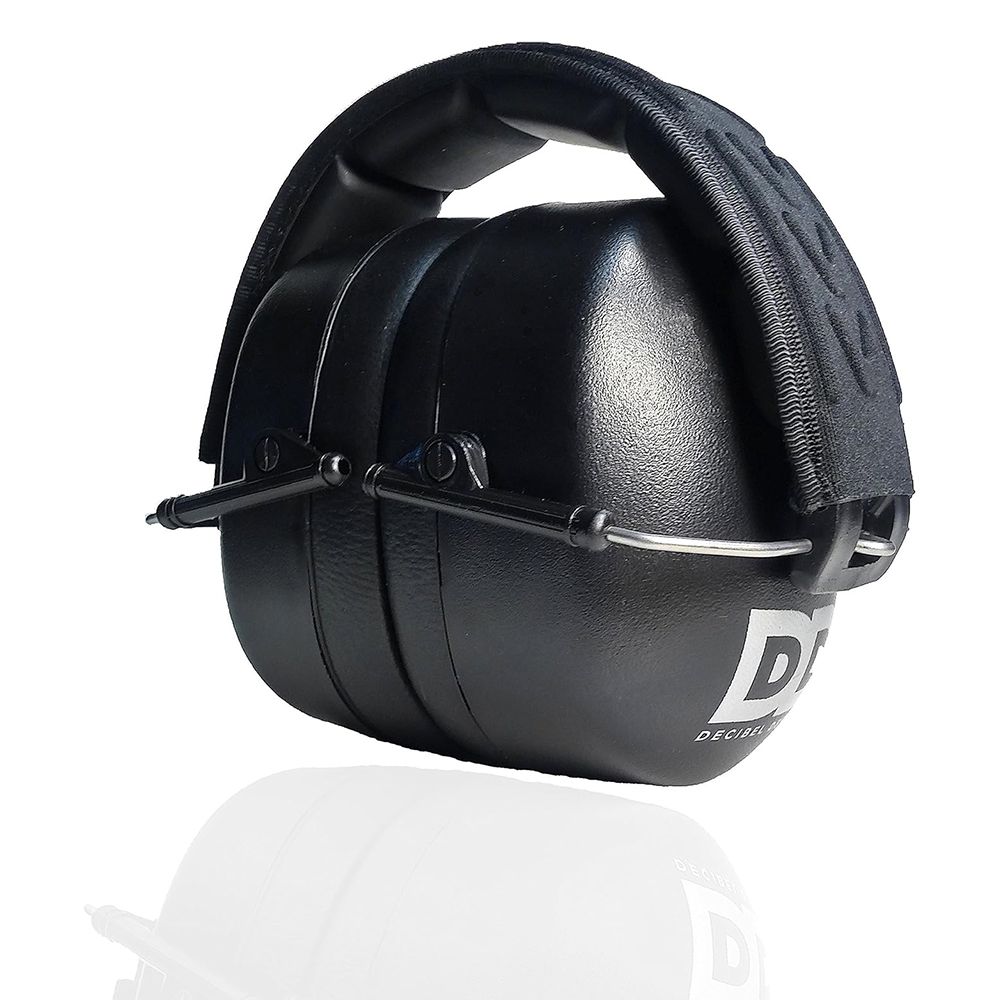
Make sure ear muffs fit well with your other safety gear. This includes glasses, helmets, or face shields.
Ear muffs that do not fit with other gear can cause discomfort or reduce protection.
- Try ear muffs on with your helmet or glasses
- Choose slim designs to avoid pressure points
- Adjust headbands to fit all gear together
Maintenance And Care Tips
Proper care helps ear muffs last longer and work well. Regular maintenance keeps them safe and comfortable.
Follow simple steps to clean, store, and know when to replace your ear muffs.
Cleaning Ear Muffs
Keep ear muffs clean by wiping them after each use. Use a soft cloth with mild soap and water for a deeper clean.
Avoid harsh chemicals and soaking ear cushions. Dry them well before storing to prevent mold and damage.
- Use a damp cloth and mild soap
- Wipe headbands and cushions gently
- Do not soak or use strong cleaners
- Let air dry completely before storage
Storage Recommendations
Store ear muffs in a cool, dry place away from sunlight. Keep them in a clean container or bag to avoid dust.
Do not place heavy objects on ear muffs. Avoid extreme temperatures that can damage the materials.
- Use a protective case or pouch
- Keep away from direct sunlight and heat
- Store in a dry, dust-free area
- Avoid stacking heavy items on top
When To Replace Ear Muffs
Replace ear muffs if cushions crack or lose shape. Worn parts reduce noise protection and comfort.
Check for loose or broken headbands. Replace if ear muffs do not fit well or feel uncomfortable.
- Cracked or hardened cushions
- Broken or loose headbands
- Reduced noise protection
- Uncomfortable fit or pressure
Credit: www.popularmechanics.com
Budget And Brand Recommendations
Choosing the right ear muffs for loud power tools depends on your budget and trusted brands. Good ear protection keeps your hearing safe during work.
This guide helps you find affordable options and reliable brands. It also covers warranty and customer support details.
Affordable Options
You can find effective ear muffs without spending too much. Look for models that offer noise reduction and comfort at a low price.
- Basic foam-filled ear muffs
- Lightweight plastic models
- Adjustable headbands for comfort
- Noise Reduction Rating (NRR) of at least 25 dB
- Simple designs with fewer extra features
Trusted Brands
Picking brands with good reviews ensures better quality and durability. Some brands focus on safety standards and user comfort.
| Brand | Key Features | Price Range |
| 3M Peltor | High noise reduction, durable | $$$ |
| Howard Leight | Comfortable, good value | $$ |
| DEWALT | Sturdy, designed for power tools | $$ |
| Pro For Sho | Budget-friendly, basic protection | $ |
Warranty And Support
Check the warranty before buying. A good warranty covers defects and repairs for at least one year.
- Look for at least a 1-year warranty
- Verify if customer support is easy to reach
- Read reviews about after-sales service
- Confirm if replacement parts are available

Credit: www.popularmechanics.com
Frequently Asked Questions
What Features To Consider In Ear Muffs?
When selecting ear muffs, consider noise reduction rating (NRR), comfort, and fit. Ensure they’re made from durable materials and are adjustable. Look for features like Bluetooth connectivity or AM/FM radio for added convenience. Choose a pair that provides a snug fit to effectively block noise from power tools.
Are Electronic Ear Muffs Better For Power Tools?
Yes, electronic ear muffs are often better for power tools. They can amplify low-level sounds while blocking harmful noise. This allows users to hear conversations and warnings while protecting their hearing. They’re ideal for environments where communication is essential.
How Do I Maintain My Ear Muffs?
Regularly inspect your ear muffs for wear and tear. Clean the ear cushions with a damp cloth and mild soap. Store them in a cool, dry place to maintain their effectiveness. Replace cushions and headbands periodically to ensure optimal performance and hygiene.
Do Ear Muffs Fit All Head Sizes?
Most ear muffs are designed to fit various head sizes. They often feature adjustable headbands to accommodate different users. However, it’s crucial to try them on before purchase to ensure a snug fit. A proper fit ensures maximum noise reduction and comfort during use.
Conclusion
Choosing the right ear muffs protects your ears from loud noise. Comfort matters for long use. Check the noise reduction rating before buying. Good fit stops sound from leaking in. Durable materials last through tough jobs. Don’t forget to clean and store them well.
Protect your hearing every time you use power tools. Small steps keep your ears safe and healthy. Stay aware and choose wisely for better work days.