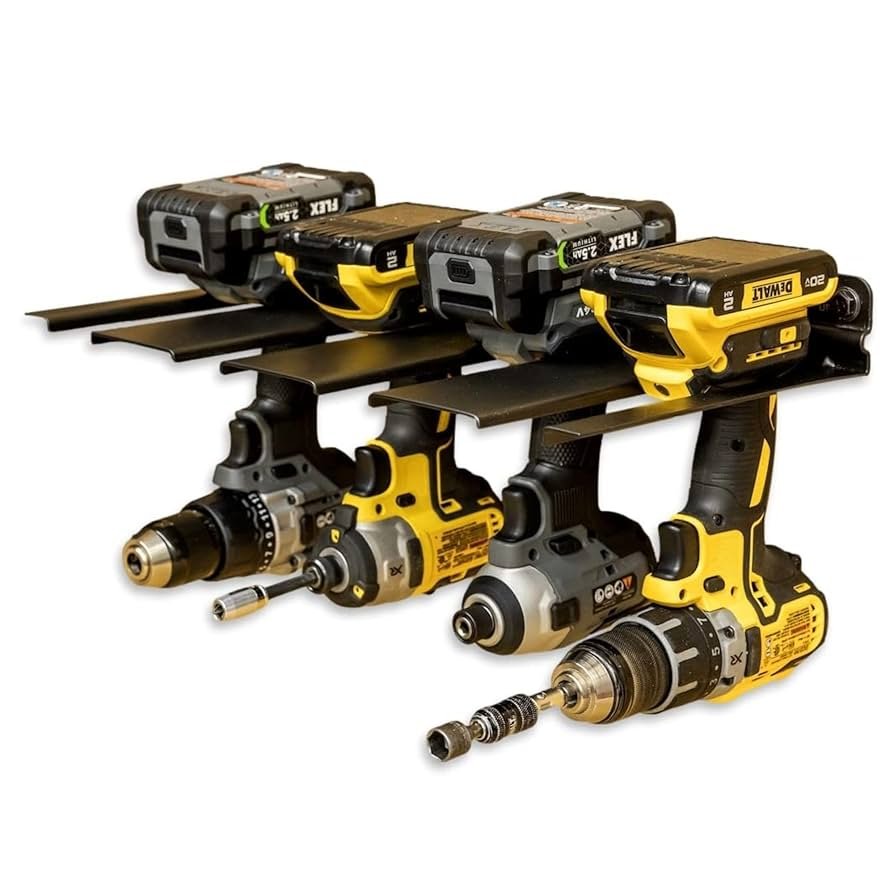
Are your drills and drivers always scattered, making it hard to find the right tool when you need it most? Imagine opening your workshop and instantly spotting the exact drill or driver you want, neatly organized and ready to use.
Storing these tools on shelves the right way not only saves you time but also protects your equipment and keeps your workspace tidy. You’ll discover simple, effective ways to arrange your drills and drivers on shelves so they stay safe, easy to reach, and in perfect condition.
Keep reading to transform your tool storage and make your projects smoother than ever.
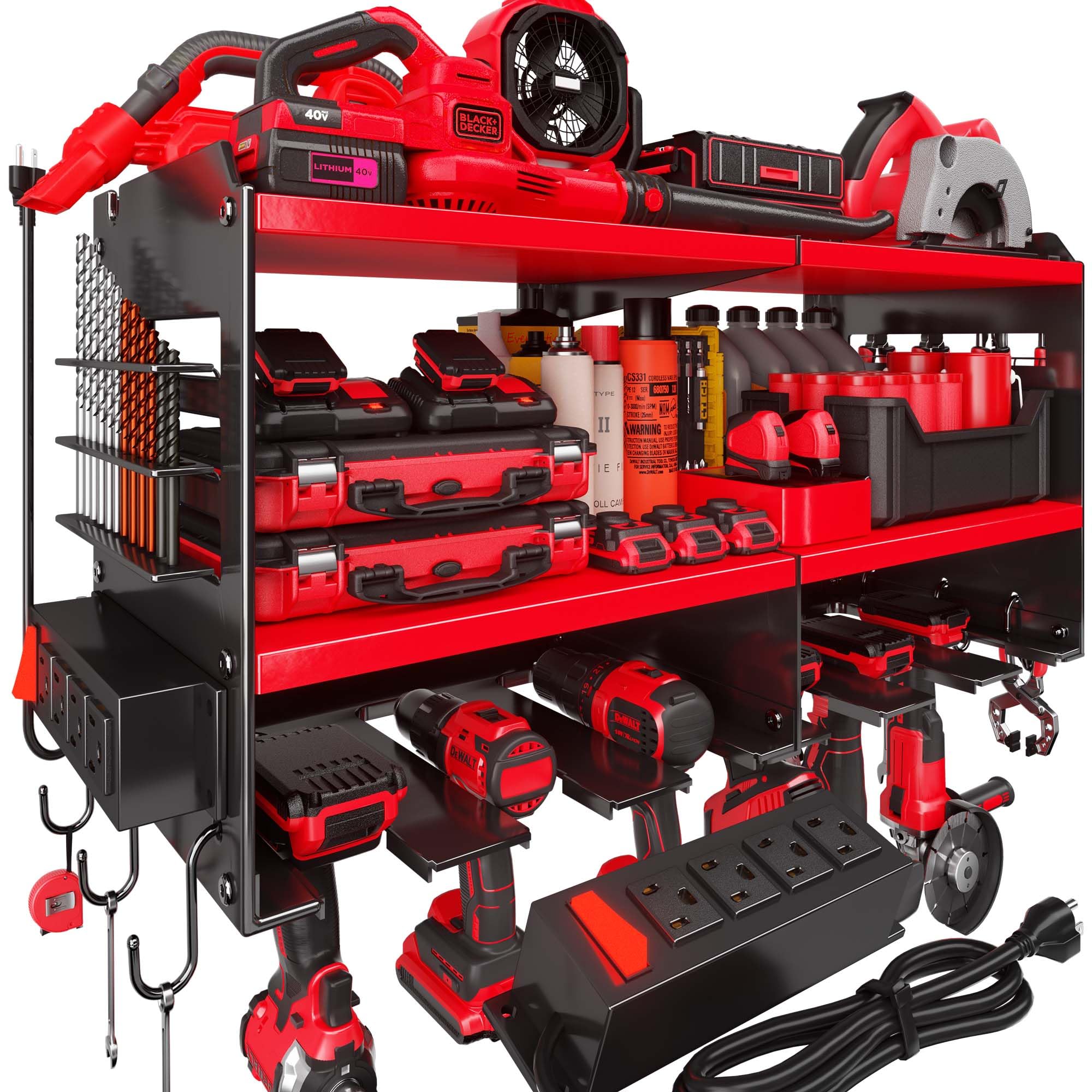
Credit: www.amazon.ca
Choosing The Right Shelf
Storing drills and drivers on shelves keeps your workspace tidy. It also protects your tools from damage.
Choosing the right shelf is important. The shelf should fit your tools and hold their weight safely.
Material Considerations
Shelves come in different materials like wood, metal, and plastic. Each material has benefits and limits.
Wood shelves look nice and are strong. Metal shelves are very durable and hold heavy tools well. Plastic shelves are light but may not hold heavy drills.
- Wood: sturdy, good for medium weight
- Metal: very strong, good for heavy tools
- Plastic: light, best for small tools
Weight Capacity
Check the shelf’s weight limit before buying. Drills and drivers can be heavy, especially with batteries.
Choose a shelf that can hold more than your heaviest tool. This prevents bending or breaking over time.
- Look for shelves with clear weight ratings
- Consider total weight of all tools on one shelf
- Pick a shelf with extra strength for safety
Size And Dimensions
Measure your drills and drivers before choosing a shelf. Make sure the shelf is wide and deep enough.
Also, check the height between shelves. Some tools need more vertical space, especially with handles or cases.
- Measure the length and width of your largest tools
- Choose shelf depth to fit tool size comfortably
- Allow extra space for easy access and removal
Organizing Drills And Drivers
Keeping drills and drivers organized helps save time and space. It makes your workspace cleaner and tools easy to find.
Using shelves is a smart way to store these tools. You can arrange them neatly and keep everything visible.
Grouping By Type
Sort your drills and drivers by their type. Group cordless drills, corded drills, and drivers separately on shelves.
This grouping helps find the right tool quickly. It also keeps similar tools together for better care.
- Cordless drills
- Corded drills
- Impact drivers
- Screwdrivers
Using Containers And Bins
Containers and bins keep small parts and chargers with your drills and drivers. They stop things from falling off shelves.
Use clear containers to see contents easily. Stackable bins save space and keep your shelf tidy.
- Clear plastic bins
- Stackable boxes
- Small containers for bits and batteries
- Charging station boxes
Labeling For Easy Access
Label shelves, containers, and bins for quick tool location. Use large, clear labels that are easy to read.
Labels help avoid confusion and save time searching. You can use stickers, tags, or a label maker.
- Label each shelf section by tool type
- Mark containers with contents
- Use color-coded labels for fast identification
- Update labels when you change tool storage
Space-saving Mounting Ideas
Drills and drivers take up space on workbenches and in toolboxes. Storing them on shelves can free up room.
Using smart mounting ideas helps keep your tools organized and easy to reach.
Vertical Storage Options
Store drills and drivers vertically on shelves to save shelf space. This method keeps tools visible and accessible.
You can use tall containers or small racks to hold your tools upright. Make sure the base is stable to prevent tipping.
Magnetic Strips And Holders
Magnetic strips hold drills and drivers securely by their metal parts. Attach strips to the shelf edge or wall near your workspace.
This option saves space and keeps tools within easy reach. Choose strong magnets for heavier drills to avoid falling.
- Install strips along shelf sides or under shelves
- Keep metal parts clean for better magnet grip
- Use magnetic holders with slots for added support
Pegboards And Hooks
Pegboards offer flexible storage by using hooks to hang drills and drivers. Mount a pegboard above or beside your shelves.
You can arrange hooks to fit different tool sizes. This keeps tools off the shelf surface and easy to find.
- Use strong hooks that support tool weight
- Label pegboard spots for quick tool return
- Add small shelves on the pegboard for chargers or bits
Safety And Maintenance Tips
Storing drills and drivers properly on shelves keeps your workspace safe. It also helps your tools last longer.
Follow these tips to protect your power tools and keep them ready to use anytime.
Securing Power Tools
Always place drills and drivers securely on shelves to avoid falling. Use hooks or brackets to hold them firmly.
Keep cords organized and away from edges to prevent tripping or damage. Store batteries separately to avoid accidents.
- Use wall-mounted holders or brackets for stability
- Place heavy tools on lower shelves
- Keep cords wrapped and off the floor
- Store batteries in a cool, dry place
Protecting From Dust And Moisture
Dust and moisture can damage your drills and drivers. Cover tools with cloth or plastic to keep dirt away.
Use moisture absorbers or silica gel packs on shelves. This helps stop rust and electrical problems.
- Cover tools with a clean cloth or plastic wrap
- Place silica gel packs near stored tools
- Avoid storing tools in damp areas
- Ensure shelves have good air circulation
Regular Inspection And Cleaning
Check your drills and drivers often for damage or dirt. Clean them after each use to keep them working well.
Look for loose parts, worn cords, or rust. Fix small problems early to avoid big repairs later.
- Wipe tools with a dry cloth after use
- Inspect cords and plugs for damage
- Check for rust and remove it quickly
- Test tools before use to ensure safety
Maximizing Small Workshop Spaces
Small workshops need smart storage solutions to keep tools organized. Storing drills and drivers properly saves space and time. This guide shows ways to use shelves efficiently.
With limited room, every inch counts. Choosing the right shelving helps hold your tools safely. You can create a neat and easy-to-access workspace.
Multi-purpose Shelves
Multi-purpose shelves hold different kinds of tools and supplies. They help keep drills and drivers within reach. Use shelves that fit various tool sizes for flexible storage.
- Place small bins on shelves for drill bits and accessories
- Store cordless drills upright to save shelf space
- Label shelves clearly to find tools fast
- Use durable materials that support heavy tools
Adjustable Shelving Systems
Adjustable shelves let you change heights to fit your tool sizes. This keeps drills and drivers snug and prevents clutter. You can add or remove shelves as needed.
| Feature | Benefit |
| Custom Height | Fits different tool sizes easily |
| Removable Shelves | Adjust space for new tools |
| Sturdy Build | Supports heavy drills safely |
| Easy Installation | Allows quick setup and changes |
Utilizing Wall And Ceiling Space
Walls and ceilings offer extra storage without using floor space. Mount racks and hooks to hold drills and drivers off shelves. This keeps tools visible and easy to grab.
- Install pegboards with hooks for drill storage
- Use ceiling-mounted racks for less-used tools
- Keep cords and chargers organized with wall clips
- Arrange tools by size or type for quick access

Credit: www.walmart.com
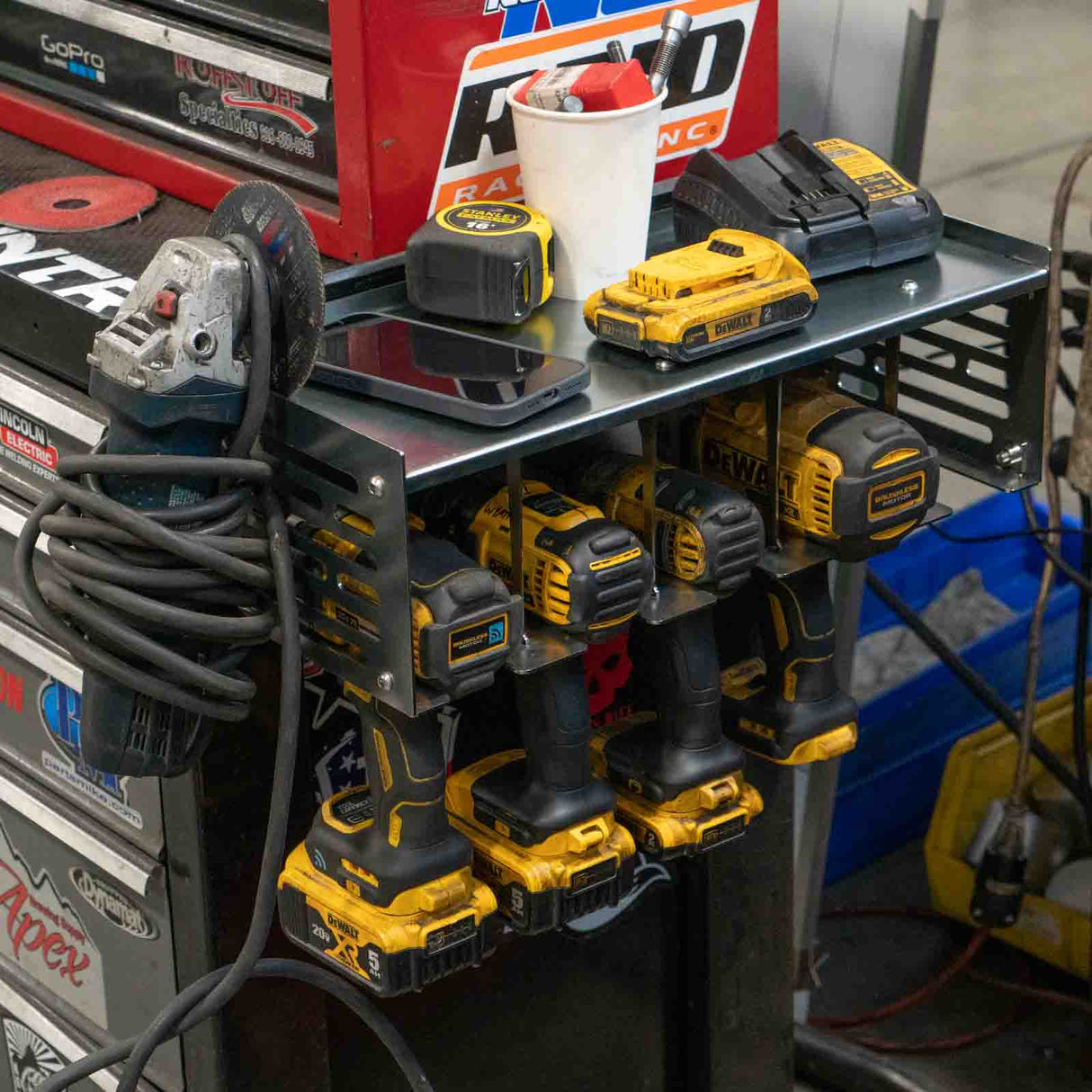
Credit: www.ruffstuffspecialties.com
Frequently Asked Questions
How To Organize Drills And Drivers On Shelves?
To organize drills and drivers on shelves, use labeled storage bins or holders. Place heavier tools at the bottom for stability. Keep frequently used items at eye level for easy access. Regularly declutter to maintain order and efficiency. Proper organization ensures safety and prolongs the lifespan of your tools.
What Materials Are Best For Tool Shelves?
For tool shelves, use durable materials like metal or high-quality wood. Metal shelves offer strength and resist warping. Wood provides a sturdy and aesthetic option. Ensure the shelves are moisture-resistant to prevent rust or decay. Choose materials that can support the weight of your drills and drivers effectively.
How Often Should I Clean My Tool Shelves?
Clean your tool shelves at least once a month to maintain order. Remove dust, debris, and any spilled substances. Regular cleaning helps in identifying misplaced items and ensures a tidy workspace. A clean environment prolongs the lifespan of your tools and reduces the risk of accidents.
Can I Store Power Tools Vertically?
Yes, you can store power tools vertically, saving space on shelves. Use wall-mounted racks or pegboards for vertical storage. Ensure tools are securely placed to prevent falls. Vertical storage provides easy access and visibility, helping in efficient tool management and quick retrieval during projects.
Conclusion
Storing drills and drivers on shelves keeps your workspace neat. It saves time by making tools easy to find. Use hooks, bins, or small containers to stay organized. Keep heavy items low and lighter ones higher for safety. Label each spot to avoid confusion later.
Regularly check and clean your shelf space. This simple habit extends tool life and boosts efficiency. A tidy shelf means less stress and more work done. Try these tips to keep your tools ready anytime. Simple steps, big difference.