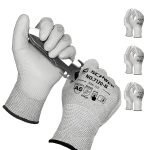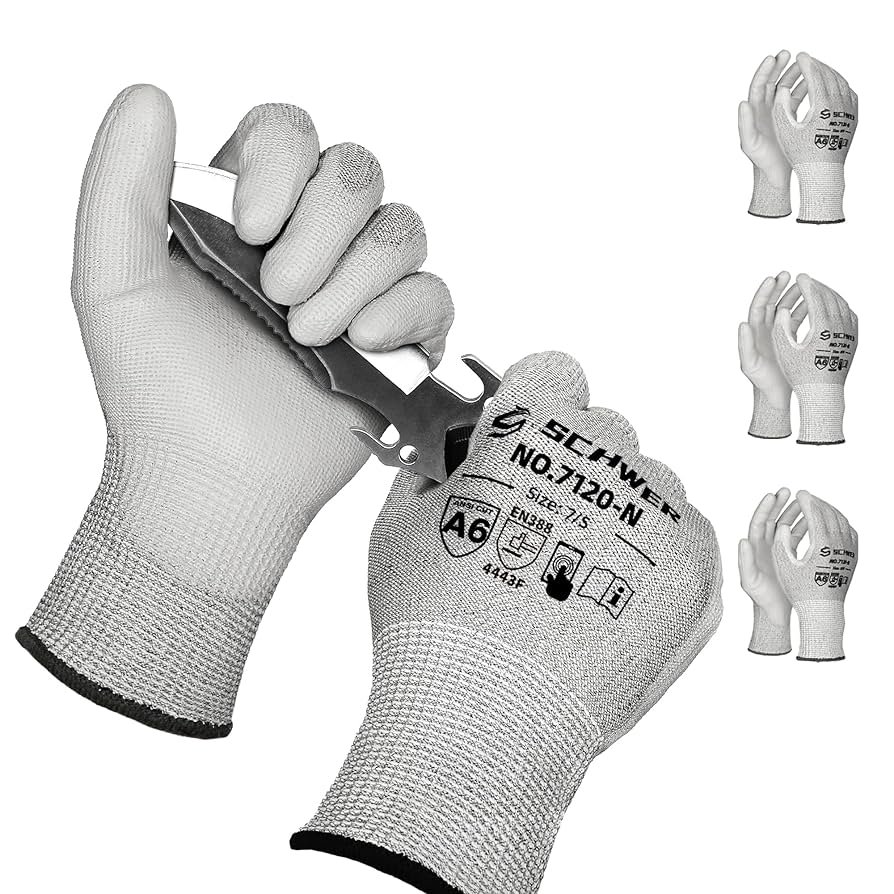
When you’re working with sharp tools and rough wood, protecting your hands isn’t just smart—it’s essential. Cut-resistant gloves can be your best defense against accidents that could ruin your project or, worse, cause serious injury.
But how do you choose the right gloves? And how can you make sure they actually keep you safe without slowing you down? In this guide, you’ll discover everything you need to know about using cut-resistant gloves for woodworking. By the end, you’ll feel confident and ready to work safer than ever before.
Keep reading to protect your hands and boost your woodworking skills.
Benefits Of Cut-resistant Gloves
Cut-resistant gloves are important for woodworking safety. They help protect your hands from sharp tools and splinters.
Wearing these gloves can reduce injuries and make your work easier and safer.
Enhanced Hand Protection
Cut-resistant gloves protect your hands from cuts and scratches. They create a strong barrier against sharp blades and wood edges.
This protection lowers the risk of serious injuries while you work with saws, chisels, and other tools.
Improved Grip And Dexterity
These gloves often have textured surfaces to help you hold tools firmly. They improve your grip on slippery or rough materials.
Good gloves let your fingers move freely. This means you can handle small parts and tools with care and accuracy.
Long-term Safety Advantages
Using cut-resistant gloves regularly keeps your hands safer over time. They reduce the chance of accidents and long-term injuries.
Protecting your hands helps you work longer without pain or damage. It supports your health for future woodworking projects.
Types Of Cut-resistant Gloves
Cut-resistant gloves protect your hands while working with sharp tools. They come in different materials and designs. Choosing the right type is important for safety and comfort.
This guide explains the main types of cut-resistant gloves. It covers materials, thickness, flexibility, and protection levels.
Material Options
Gloves use various materials to resist cuts. Common options include Kevlar, Dyneema, and metal mesh. Each material offers different strengths.
- Kevlar:Lightweight and strong. Good for general use.
- Dyneema:Very cut-resistant and flexible.
- Metal Mesh:Best for heavy cutting tasks. Heavier and less flexible.
- Nylon blends:Often combined with other fibers for comfort.
Glove Thickness And Flexibility
Thicker gloves give more protection but reduce hand movement. Thin gloves allow better grip and feel but may not protect as well.
| Thickness | Protection Level | Flexibility |
| Thin | Low to Medium | High |
| Medium | Medium to High | Medium |
| Thick | High | Low |
Choosing The Right Level Of Protection
Gloves have ratings that show cut resistance. Choose gloves that match your woodworking tasks. Higher ratings mean better protection but less comfort.
- Light tasks: Low to medium cut resistance
- Regular woodworking: Medium to high cut resistance
- Heavy cutting: Highest cut resistance needed
Selecting Gloves For Woodworking
Woodworking involves sharp tools and rough materials. Wearing cut-resistant gloves helps protect your hands from injuries.
Choosing the right gloves means thinking about the work you do. The right gloves offer safety without losing comfort or control.
Matching Gloves To Tasks
Different woodworking tasks need different glove features. Some tasks need thick protection. Others need good finger movement.
- Cutting or shaping wood needs high cut resistance
- Sanding requires gloves with good grip and flexibility
- Handling rough wood calls for durable and padded gloves
- Fine detail work needs thin gloves for better touch
Size And Fit Considerations
Gloves should fit snugly but not feel tight. Too loose gloves reduce control and increase risk of accidents.
Measure your hand width and length to find the best size. Check if gloves stretch or shrink after use.
- Measure hand around the knuckles
- Check finger length for full coverage
- Try gloves on before buying if possible
- Choose gloves with adjustable straps for a secure fit
Balancing Safety And Comfort
Safety is important, but gloves must feel comfortable. Uncomfortable gloves make you less likely to wear them.
Look for gloves that allow hand movement and breath well. This helps keep hands dry and reduces fatigue.
- Choose breathable materials like breathable fabric or mesh
- Pick gloves with padding only where needed
- Check gloves for flexibility in fingers and wrist areas
- Avoid gloves that cause sweating or irritation
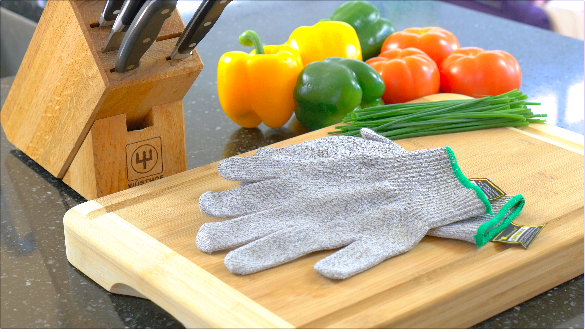
Credit: workglovesdepot.com
Proper Glove Use Techniques
Cut-resistant gloves protect your hands while woodworking. Using them correctly keeps you safe and efficient.
Learn how to wear gloves properly, keep a good grip, and avoid mistakes. These tips help you work better and safer.
Correct Wearing Practices
Make sure gloves fit well and cover your hands fully. Loose gloves can catch on tools, and tight gloves may limit movement.
- Choose gloves that fit snugly without squeezing
- Check for holes or tears before use
- Wear gloves that cover wrists for extra protection
- Put gloves on with clean, dry hands
- Remove gloves carefully to avoid cuts or damage
Maintaining Grip While Working
Good grip helps control your tools and wood pieces safely. Some gloves have textured surfaces to improve grip.
| Grip Tip | Why It Helps |
| Keep gloves clean | Dirt reduces grip strength |
| Dry your gloves if wet | Wet gloves slip more easily |
| Use gloves with rubber or textured palms | Improves hold on tools |
| Avoid bulky gloves | Keeps finger movement precise |
Avoiding Common Mistakes
Many workers make errors that lower glove safety. Watch out for these common mistakes.
- Wearing gloves with cuts or holes
- Using gloves not designed for woodworking
- Ignoring glove fit and comfort
- Touching sharp tools with bare hands
- Not cleaning gloves regularly
- Using oily gloves that reduce grip
Care And Maintenance
Cut-resistant gloves protect your hands during woodworking. Proper care keeps them effective and safe. Follow simple steps to clean and store them well.
Knowing when to replace gloves is important. Worn gloves may not protect you from cuts.
Cleaning Methods
Clean gloves regularly to remove dirt and debris. Use mild soap and cold water. Avoid harsh chemicals that can damage the material.
- Hand wash gloves gently with mild soap.
- Rinse thoroughly with cold water.
- Do not wring or twist gloves to dry.
- Air dry them flat away from direct sunlight.
- Do not use a dryer or heat source.
Storage Tips
Store gloves in a cool, dry place. Keep them away from sharp objects and chemicals. Proper storage helps keep gloves in good shape.
| Storage Tip | Reason |
|---|---|
| Keep gloves flat | Prevents creases and damage |
| Use a breathable bag | Allows air circulation |
| Store away from sunlight | Avoids material weakening |
| Separate from sharp tools | Prevents accidental cuts |
When To Replace Gloves
Check gloves often for signs of wear. Replace gloves if you see these problems to stay safe.
- Visible cuts or tears in the fabric
- Loss of cut resistance or stiffness
- Glove material becomes thin or worn out
- Gloves no longer fit properly
- Strong odors after cleaning

Credit: www.nmsafety.com
Additional Safety Tips
Cut-resistant gloves help protect your hands while woodworking. Use other safety steps to stay safe too. These tips improve your protection and reduce accidents.
Always combine gloves with other safety gear. Handle tools carefully. Follow good safety habits at work.
Combining Gloves With Other Gear
Wear gloves with other safety equipment. This gives better protection. Use eye protection, hearing protection, and dust masks.
- Wear safety goggles to protect your eyes from dust and chips.
- Use earplugs or earmuffs to reduce noise exposure.
- Wear a dust mask to avoid breathing sawdust.
- Use a face shield for extra face protection during cutting.
Safe Tool Handling
Use tools safely to avoid injuries. Always check your tools before use. Keep blades sharp and clean for better control.
| Tool | Safe Handling Tip |
| Saw | Keep a firm grip and cut away from your body. |
| Chisel | Hold firmly and use a mallet gently. |
| Drill | Use the right bit and steady pressure. |
| Plane | Push smoothly and keep the blade sharp. |
Workplace Safety Habits
Keep your work area clean and organized. Good habits lower risk and keep you safe.
- Clear sawdust and scraps often to avoid slips.
- Store tools properly when not in use.
- Use good lighting to see your work clearly.
- Take breaks to avoid tiredness and loss of focus.

Credit: www.reddit.com
Frequently Asked Questions
What Are Cut-resistant Gloves Made Of?
Cut-resistant gloves are typically made from high-performance materials like Kevlar, Dyneema, or metal mesh. These materials provide excellent protection against sharp tools. They are designed to prevent cuts and abrasions during woodworking tasks.
How Do Cut-resistant Gloves Work?
Cut-resistant gloves work by using tightly woven fibers or metal mesh to resist cuts. The materials are engineered to absorb and dissipate the force of sharp objects. This minimizes the risk of injury when handling woodworking tools.
Are Cut-resistant Gloves Comfortable?
Yes, modern cut-resistant gloves are designed for comfort. They are lightweight and flexible, allowing for dexterity. Many gloves also have breathable materials to keep hands cool during extended use.
Can Cut-resistant Gloves Prevent All Injuries?
Cut-resistant gloves significantly reduce the risk of cuts but can’t prevent all injuries. They are most effective against sharp objects. However, they might not protect against crush injuries or punctures.
Conclusion
Cut-resistant gloves protect your hands while woodworking. They reduce the risk of cuts and injuries. Always choose gloves that fit well and feel comfortable. Keep them clean and replace when worn out. Safety should be a top priority in every project.
Using these gloves helps you work with confidence and care. Stay safe, stay focused, and enjoy your woodworking tasks.