If you want your jigsaw to run smoothly and last longer, knowing how to lubricate its gears is a must. Without proper care, those tiny gears can wear out quickly, causing your tool to struggle or even break down.
In this guide, you’ll learn simple, step-by-step tips to keep your jigsaw’s gears well-oiled and working like new. Keep reading to save time, avoid costly repairs, and get the best performance from your tool every time you use it.

Credit: locknlube.com
Signs Your Jigsaw Gears Need Lubrication
Jigsaw gears need regular lubrication to work smoothly. Without it, they can wear out quickly and cause problems.
Knowing the signs of gear wear helps you keep your jigsaw in good shape. Watch for these common symptoms to avoid damage.
Common Symptoms Of Gear Wear
Worn gears show visible signs like cracks or rough edges. You might see metal shavings near the gears or notice the jigsaw blade moves unevenly.
Check the gears regularly. If they look dry or rusty, they need lubrication. This helps prevent further wear and tear.
- Cracked or chipped gear teeth
- Metal dust or shavings near gears
- Uneven or jerky blade movement
- Rust or dryness on gear surfaces
Noise And Performance Issues
Noisy jigsaws often mean the gears need oil. Grinding or squeaking sounds come from dry or damaged gears.
You might also notice the jigsaw slows down or struggles to cut. Poor gear lubrication causes these performance problems.
- Loud grinding or squeaking noises
- Jigsaw cuts slower than usual
- Blade stalls or stops during use
- Vibration or shaking while cutting
Tools And Materials Required
Lubricating your jigsaw gears keeps the tool running smoothly. You need the right tools and materials to do this job well.
This guide covers the types of lubricants that work best and the essential tools you will need.
Types Of Lubricants Suitable For Jigsaws
Choose lubricants that protect metal parts and reduce friction. Avoid thick grease that can clog the gears.
- Light machine oil: Easy to apply and cleans well.
- Silicone spray: Dries fast and does not attract dust.
- White lithium grease: Good for metal-to-metal contact but use sparingly.
- Graphite powder: Dry lubricant, useful in dusty environments.
Essential Tools For The Job
You need some basic tools to access the gears and apply lubricant safely.
| Tool or Material | Purpose |
| Screwdriver Set | To open the jigsaw housing and reach the gears. |
| Cleaning Brush | To remove dirt and old grease before lubrication. |
| Rag or Cloth | For wiping excess lubricant and cleaning parts. |
| Lubricant (as chosen) | To reduce friction and wear on gears. |
| Protective Gloves | To keep your hands clean and safe. |
Preparing Your Jigsaw For Lubrication
Lubricating the gears of your jigsaw keeps it running smoothly. Proper preparation helps avoid damage and injury.
This guide covers safety steps and how to take apart your jigsaw before lubrication.
Safety Precautions
Before you start, make sure to follow these safety tips to protect yourself and your tool.
- Unplug the jigsaw from the power source.
- Wear safety glasses and gloves.
- Work in a clean, well-lit area.
- Keep children and pets away from the workspace.
- Have a container ready to keep small screws safe.
Disassembling The Jigsaw
Take apart the jigsaw carefully to reach the gears for lubrication. Follow these steps.
- Remove the blade by loosening the blade clamp.
- Unscrew the housing screws with the correct screwdriver.
- Separate the two halves of the jigsaw body.
- Locate the gear assembly inside the housing.
- Clean dust and debris from the gears using a dry brush.
| Tool | Purpose |
| Phillips screwdriver | Remove housing screws |
| Dry brush | Clean gears |
| Container | Hold screws safely |
| Safety gloves | Protect your hands |
Credit: www.advancedtech.com
Step-by-step Gear Lubrication Process
Keeping your jigsaw gears well lubricated helps the tool work smoothly. Proper lubrication reduces wear and tear and extends the life of your saw.
This guide shows you how to clean old grease, apply new lubricant, and put your jigsaw back together correctly.
Cleaning Old Grease And Debris
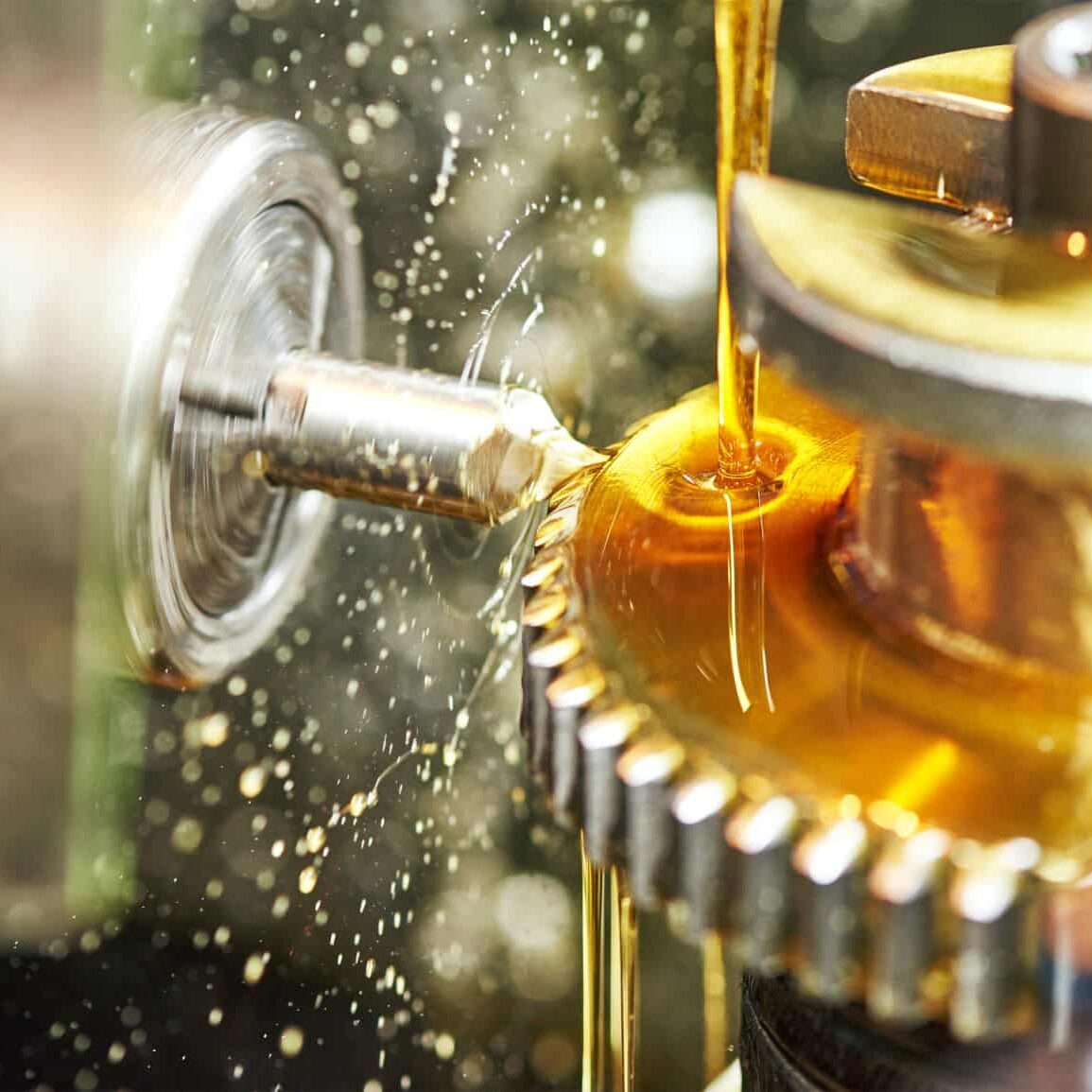
Start by removing the old grease and any dirt from the gears. This step prevents dirt from mixing with new lubricant and causing damage.
- Unplug the jigsaw and open the gear housing.
- Use a clean cloth or paper towel to wipe off old grease.
- Apply a small amount of solvent or degreaser to remove stuck debris.
- Use a soft brush to clean hard-to-reach gear teeth.
- Let the parts dry completely before adding new lubricant.
Applying Lubricant Correctly
Use the right lubricant and apply it evenly to all gear surfaces. Too much or too little can cause problems.
| Lubricant Type | Application Tips |
| Grease | Use a small brush to spread thinly and evenly. |
| Oil | Apply a few drops on gear teeth and moving parts. |
| Dry Lubricant | Spray lightly to avoid buildup and dust attraction. |
Reassembling The Jigsaw
After lubrication, put the jigsaw parts back carefully. Correct assembly ensures smooth operation and safety.
- Align the gears properly before closing the housing.
- Secure all screws tightly but do not overtighten.
- Check for any leftover debris inside the housing.
- Test the jigsaw at low speed to confirm smooth gear movement.
Maintenance Tips For Long-lasting Gears
Keeping your jigsaw gears well lubricated helps them work smoothly. Proper care stops wear and tear.
Regular maintenance extends the life of your tool and keeps it safe to use.
Regular Lubrication Schedule
Lubricate the gears often to avoid damage. Follow a set schedule based on use.
Check the gears every 20 hours of use or once a month if used less.
- Clean the gears before applying lubricant
- Use the correct oil or grease recommended for jigsaws
- Apply a thin, even layer on all gear surfaces
- Wipe off any excess lubricant to prevent dirt build-up
Avoiding Common Mistakes
Do not use too much lubricant; it can attract dust and grit. Avoid skipping cleaning before lubrication.
Never use harsh chemicals or wrong lubricants. They can damage gears or reduce tool life.
- Do not apply lubricant to the blade or motor parts
- Do not let dirt build up on gears before lubricating
- Always use lubricants made for power tools
- Store the jigsaw in a dry place to avoid rust
Troubleshooting Gear Lubrication Issues
Lubricating jigsaw gears helps them work smoothly. Proper lubrication stops wear and keeps the tool quiet.
Sometimes, lubrication problems cause noise or gear damage. Knowing how to fix these issues saves time and money.
Dealing With Persistent Noise
Noise from jigsaw gears can mean lubrication is missing or dirty. Clean the gears before applying fresh lubricant.
If noise stays after lubrication, check for worn or damaged gear teeth. Noise may also come from loose parts.
- Remove old grease and dirt with a brush or cloth
- Use the right lubricant for your jigsaw model
- Apply lubricant evenly to all gear surfaces
- Tighten any loose screws or fittings
- Test the jigsaw to hear if noise lessens
When To Replace Gears
Gears wear out from use and bad lubrication. Replace gears if teeth are chipped, cracked, or very worn.
Replacing gears keeps your jigsaw working safely and smoothly. Use only parts made for your jigsaw model.
- Check gears regularly for damage or wear
- Replace gears if noise or vibration continues after lubrication
- Use the right tools to remove and install new gears
- Test the jigsaw after gear replacement for smooth operation
Credit: medium.com
Frequently Asked Questions
How Often Should I Lubricate Jigsaw Gears?
Regularly lubricate jigsaw gears every 6 months or after 20 hours of use. Consistent maintenance ensures smooth operation, reduces wear, and extends tool lifespan. Check the manufacturer’s guidelines for specific recommendations. Proper lubrication prevents rust and gear damage, ensuring optimal performance and longevity of your jigsaw.
What Type Of Lubricant Is Best For Jigsaw Gears?
Use a light machine oil or silicone-based lubricant for jigsaw gears. These lubricants reduce friction and prevent rust, ensuring smooth operation. Avoid using heavy grease, as it can attract dust and debris. Always follow the manufacturer’s recommendations for the best results and to maintain tool efficiency.
Can I Use Wd-40 On Jigsaw Gears?
While WD-40 can be used for cleaning, it’s not ideal for lubrication. It evaporates quickly and doesn’t provide long-term lubrication. Opt for a dedicated machine oil or silicone-based lubricant for better results. Proper lubrication ensures smooth gear movement and prolongs the tool’s lifespan.
How Do I Apply Lubricant To Jigsaw Gears?
First, unplug the jigsaw and remove any attached blades. Clean the gears with a dry cloth to remove dust. Apply a small amount of lubricant directly onto the gears. Turn the gears manually to distribute the lubricant evenly. Wipe off any excess to prevent dust accumulation.
Conclusion
Keeping your jigsaw gears lubricated helps the tool work smoothly. Regular oiling stops parts from wearing out too fast. It also lowers noise and heat during use. Clean the gears before adding fresh lubricant each time. Use the right oil for the best results.
This simple care step saves money by extending tool life. A well-lubricated jigsaw makes cutting easier and safer. Small effort, big benefits. Take a few minutes to keep your tool running well.