Imagine having all your essential tools right at your fingertips, ready to tackle any job without the hassle of searching or carrying bulky boxes. Creating a mobile tool chest can save you time, keep your workspace organized, and make every project easier.
Whether you’re a DIY enthusiast or a professional, this guide will show you how to build a tool chest that fits your needs perfectly. Keep reading to discover simple steps that will transform the way you work and help you stay efficient wherever you go.
Choosing The Right Mobile Tool Chest
A mobile tool chest helps you keep tools organized and easy to move. Picking the right one makes your work faster and tidier.
Think about your needs before buying. Focus on size, material, and storage space to find the best fit.
Size And Portability
Choose a size that fits your workspace and tool collection. A big chest holds many tools but may be hard to move.
Look for wheels and handles for easy transport. Consider the chest’s weight when full to avoid strain.
Material And Durability
Materials affect how long the chest lasts. Metal chests are strong but heavy. Plastic ones are light but less durable.
- Steel: very strong and resistant to damage
- Aluminum: lighter than steel and rust-resistant
- Plastic: easy to carry but can crack under heavy load
Storage Capacity
| Chest Type | Drawer Count | Tool Types Stored |
|---|---|---|
| Compact | 3-5 | Small hand tools and accessories |
| Medium | 6-10 | Power tools and larger hand tools |
| Large | 10+ | Full tool sets and bulky equipment |
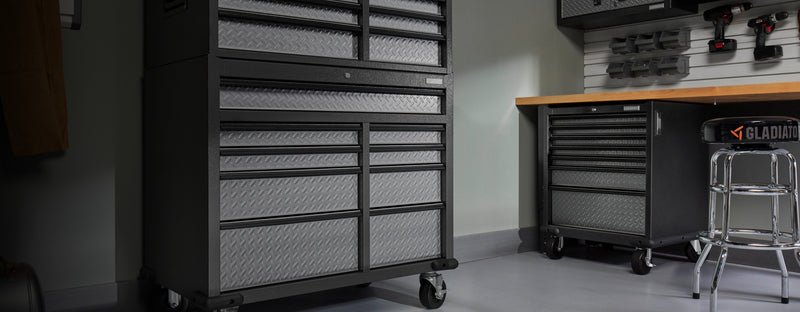
Choose a chest with enough drawers for your tools. Make sure the drawers open smoothly and lock securely.

Credit: www.gladiatorgarageworks.com
Essential Tools To Include
A mobile tool chest lets you carry tools easily. It helps you fix things anywhere.
Choosing the right tools is key. Pick tools that are useful and compact.
Hand Tools
Hand tools are basic and needed for many jobs. They do not need power to work.
Include tools that fit most repairs and tasks. Keep them small and sturdy.
- Hammer
- Screwdrivers (flat and Phillips)
- Pliers (needle nose and regular)
- Adjustable wrench
- Utility knife
- Allen wrench set
Power Tools
Power tools make work faster and easier. They are good for tough jobs.
Choose cordless tools for mobility. Pick ones that fit your common needs.
- Cordless drill with drill bits
- Compact circular saw
- Rechargeable flashlight or work light
- Multi-tool with sanding and cutting blades
Measuring Instruments
Measuring tools help you get things right. They make sure your work fits well.
Pick tools that measure length, angle, and level. These are useful every time.
- Tape measure (at least 25 feet)
- Carpenter’s square
- Level (small size)
- Angle finder or protractor
Organizing Your Tools Efficiently
Keeping your tools well-organized helps you work faster and stay focused. A mobile tool chest should be arranged for easy access and clear visibility.
Planning the layout of your tool chest saves time and reduces frustration. Use smart strategies to keep everything in its place.
Tool Placement Strategies
Place the tools you use most often in the top drawers or front areas. This keeps them within reach and reduces searching time.
- Group similar tools together, such as screwdrivers or wrenches.
- Keep heavy tools in lower drawers for safety.
- Store small parts in clear containers near the tools that use them.
- Reserve one drawer for specialty tools you use less often.
Using Compartments And Dividers
Compartments and dividers keep your tools separated and prevent damage. They also make the chest look neat and organized.
| Type | Purpose | Example |
| Plastic Dividers | Separate small tools | Screwdriver slots |
| Foam Inserts | Protect delicate tools | Drill bits |
| Small Bins | Hold loose parts | Nails and screws |
Labeling For Quick Access
Labels help you find tools quickly without opening every drawer. Use clear and simple tags for each section or compartment.
- Use waterproof labels for durability.
- Print labels in large, easy-to-read fonts.
- Color-code labels to match tool types.
- Place labels both on drawers and inside compartments.
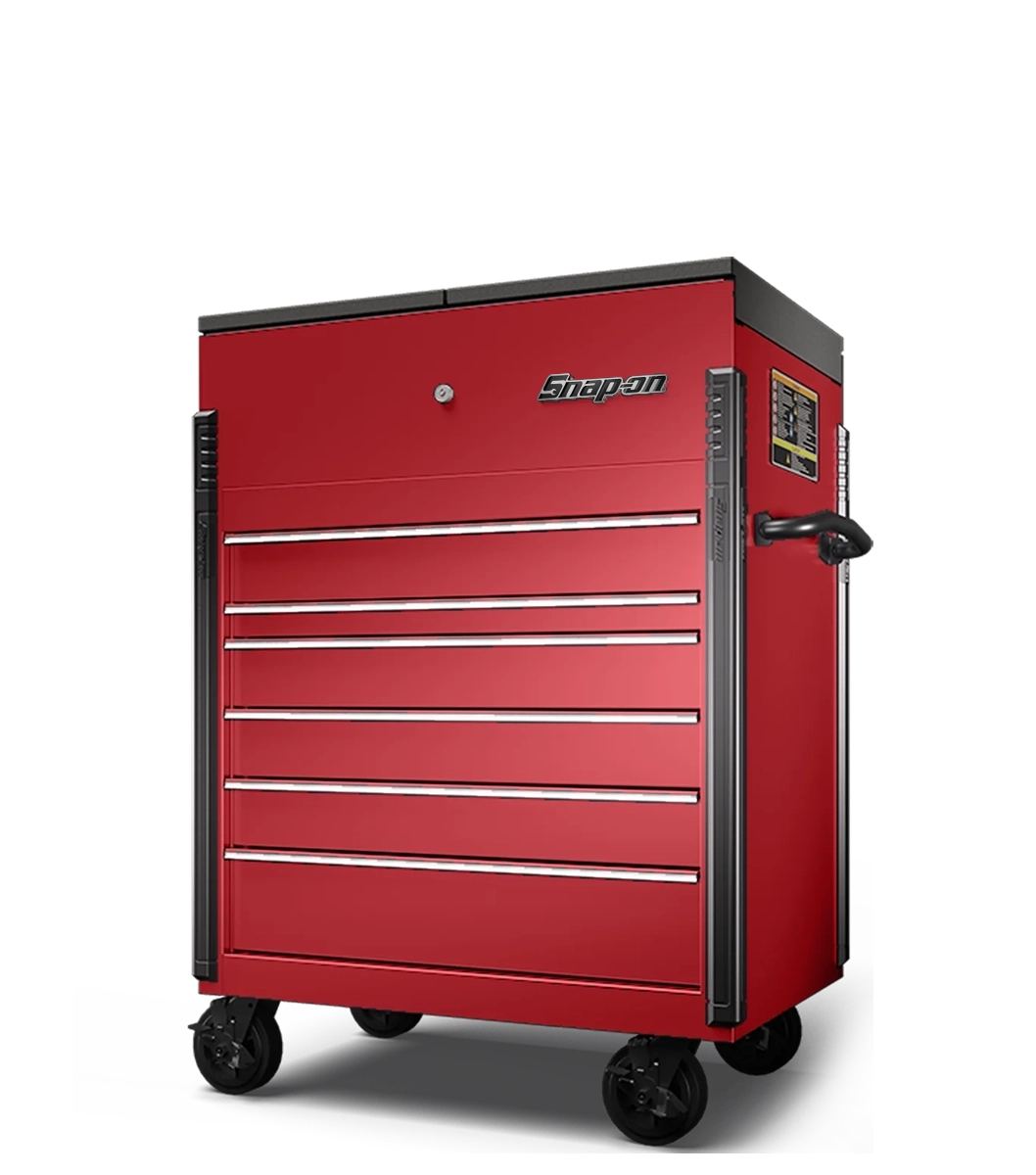
Credit: ultimator.snaponpromotion.com
Customizing Your Tool Chest
Customizing your mobile tool chest helps keep tools organized and easy to find. You can make it fit your work style and tools.
Simple changes like adding foam inserts or magnetic strips make a big difference. Here are some ways to customize your tool chest.
Adding Foam Inserts
Foam inserts protect your tools and stop them from moving around. You can cut foam to fit each tool’s shape for a perfect fit.
This keeps tools safe and easy to grab. It also makes your tool chest look neat and tidy.
- Measure your tools before cutting foam
- Use a sharp knife for clean cuts
- Choose dense foam for better protection
- Place foam at the bottom and sides of drawers
Incorporating Magnetic Strips
Magnetic strips hold metal tools in place on the chest walls. They save drawer space and keep tools visible.
Attach strips inside or outside the chest. Make sure the magnets are strong enough for your tools.
- Stick magnetic strips with heavy-duty adhesive
- Place strips at comfortable heights
- Use strips for screwdrivers, pliers, and small metal tools
- Check magnet strength to avoid tool drops
Using Velcro And Hooks
Velcro and hooks add flexible storage options. Use them to hang tools or hold items that do not fit in drawers.
You can move hooks and Velcro strips as your tool collection changes. This keeps your setup adaptable and clean.
- Attach Velcro strips to tool handles and chest surfaces
- Use hooks for hanging wrenches, tape measures, and cords
- Arrange hooks for easy access and visibility
- Choose strong Velcro for heavier tools
Maintaining Your Mobile Tool Chest
Keeping your mobile tool chest in good shape helps you work better. A clean and well-kept chest protects your tools. It also makes it easier to find what you need fast.
Regular care saves money by making tools last longer. It also keeps your tools safe and ready for any job.
Regular Cleaning Tips
Clean your tool chest often to stop dirt build-up. Wipe the outside and inside with a damp cloth. Dry it well to avoid rust. Remove any dust or small debris from corners and drawers.
- Use a soft cloth for cleaning
- Apply mild soap for tough stains
- Dry all parts after cleaning
- Lubricate locks and hinges
- Keep the chest in a dry place
Tool Inspection And Replacement
Check tools in your chest regularly. Look for cracks, rust, or loose parts. Replace any tool that is broken or unsafe. Keeping good tools helps you work safely and well.
| Inspection Item | Action |
| Rusty tool | Clean or replace |
| Loose handle | Tighten or replace |
| Dull blade | Sharpen or replace |
| Broken parts | Replace immediately |
Storage And Transportation Care
Store your tool chest in a dry, cool place. Avoid wet or humid areas. Use padded straps or handles for safe transport. Secure the chest in your vehicle to stop it from moving.
Tips for safe transport:
- Lock all drawers before moving
- Use tie-down straps to secure the chest
- Keep heavy tools at the bottom
- Check handles and wheels often
Maximizing Efficiency On The Job
Having a mobile tool chest helps you work faster and smarter. It keeps your tools organized and easy to reach.
Good planning and adapting your tool chest to the job can save time and reduce stress.
Planning Tool Usage
Before starting a task, list all tools you will need. This avoids searching for tools later and keeps work smooth.
- Check which tools are required for the job
- Organize tools by frequency of use
- Keep small parts in labeled containers
- Regularly update your tool list
Minimizing Downtime
Downtime slows your work. Fix this by keeping your tools well maintained and ready to use.
| Tip | How It Helps |
| Clean tools after use | Prevents rust and damage |
| Replace worn parts | Keeps tools working well |
| Store tools properly | Reduces loss and damage |
| Charge batteries before jobs | Avoids work stoppage |
Adapting To Different Work Environments
Jobs change location and conditions. Adjust your tool chest to fit each new site.
Try these tips to adapt your tool chest:
- Use waterproof cases for outdoor jobs
- Choose compact tools for tight spaces
- Add extra lighting for dark areas
- Include personal safety gear
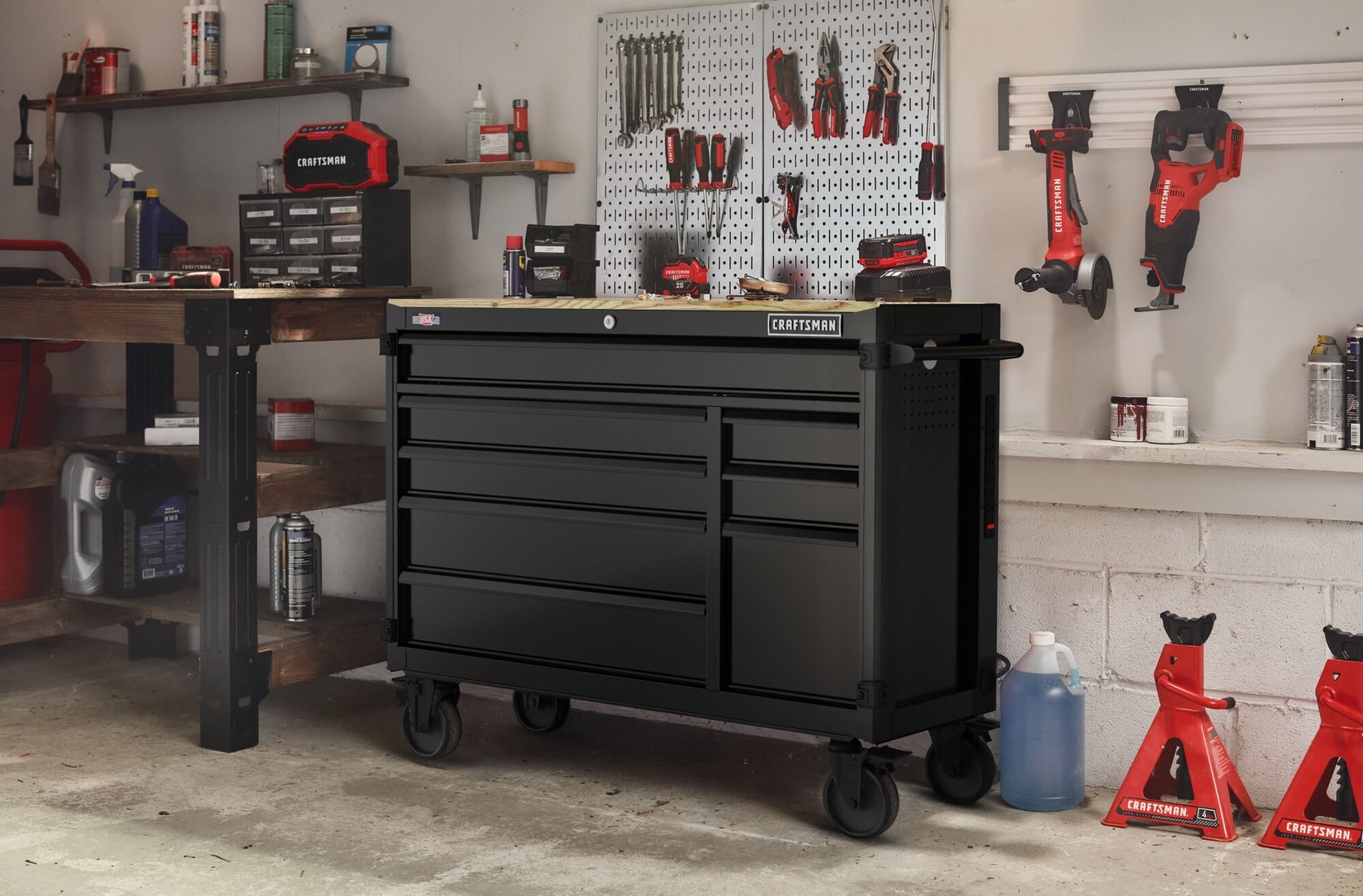
Credit: www.craftsman.com
Frequently Asked Questions
What Materials Are Needed For A Mobile Tool Chest?
To create a mobile tool chest, you’ll need plywood, screws, caster wheels, handles, and hinges. These materials ensure durability and mobility. You may also need a saw, drill, and measuring tape for assembly. Depending on your customization, additional materials like paint or a lock might be required.
How Do I Choose The Right Size?
Consider the tools you need to store and the available space. Measure your largest tool and ensure your chest can accommodate it. Also, ensure the chest fits in your workspace or vehicle. A well-planned size ensures efficiency and convenience.
What Tools Are Essential For Assembly?
You’ll need a saw, drill, screwdriver, and measuring tape for assembly. These tools help in cutting, drilling, and fastening parts securely. Ensure all tools are in good condition for safety and efficiency. Having the right tools makes the assembly process smoother and faster.
Can I Customize My Mobile Tool Chest?
Yes, you can customize your mobile tool chest to fit your needs. Add dividers, compartments, or drawers for organization. Personalize with paint or labels for easy identification. Customization enhances functionality and makes your tool chest uniquely yours.
Conclusion
Creating a mobile tool chest helps keep tools organized and easy to find. Choose the right size and compartments for your needs. Use sturdy materials to ensure durability. Regularly clean and check your tools for safety. This simple setup saves time and effort during projects.
Start building your mobile tool chest today for better work efficiency.