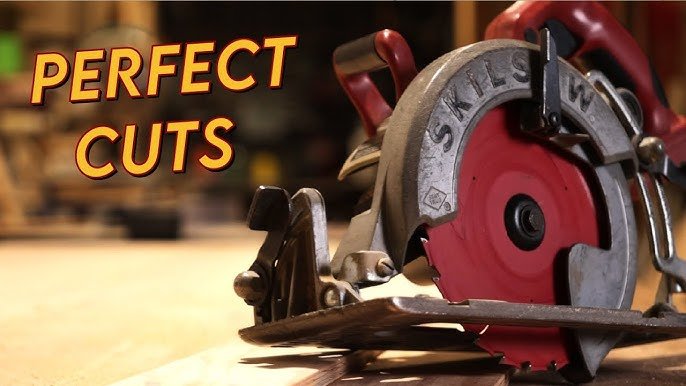
Is your circular saw acting up just when you need it most? Don’t let a simple problem stop your project or drain your wallet with expensive repairs.
You can fix many common issues yourself—quickly and safely. In this guide, you’ll discover easy steps to repair your circular saw, save time, and get back to work with confidence. Ready to bring your saw back to life? Let’s dive in.

Credit: www.amazon.com
Common Circular Saw Issues
Circular saws are helpful tools for cutting wood and other materials. Like all tools, they can have problems. Knowing common issues helps fix them fast.
This guide covers frequent circular saw problems. It explains causes and signs of trouble. You can learn how to spot and repair these issues.
Blade Dullness And Damage
Dull or damaged blades reduce cutting quality. The saw may slow down or burn wood. Blades can chip, bend, or get stuck.
Check the blade often. Replace or sharpen it if you see wear. Using the right blade for the material helps avoid damage.
- Blade teeth may wear down or break.
- Blade can bend from hitting hard objects.
- Dull blades cause rough or slow cuts.
- Overheating can warp the blade.
Motor Problems
The motor powers the saw blade. If it fails, the saw won’t work well. Motors can overheat, make strange noises, or stop.
Common motor issues come from dust, worn brushes, or loose parts. Regular cleaning and checking parts can prevent motor failure.
- Motor may stop or run slowly.
- Unusual sounds can mean worn parts.
- Overheating causes the motor to shut down.
- Brushes wear out and need replacement.
Electrical Faults
Electrical problems stop the saw from turning on or cause power loss. Faulty cords, switches, or connections are common causes.
Check the power cord for cuts or frays. Test the switch and plugs for damage. Fixing wiring issues can make the saw safe again.
- Damaged cords can cause shorts or shocks.
- Switches may fail to start the saw.
- Loose wiring can interrupt power flow.
- Fuse or breaker trips may indicate faults.
Alignment And Calibration Errors
Misaligned parts cause poor cuts and unsafe use. The blade may not be square to the base or fence. Calibration keeps the saw accurate.
Check the blade angle and depth settings. Adjust guides and fences to match the cutting line. Proper setup improves cut quality and safety.
- Blade not square causes angled cuts.
- Incorrect depth leads to rough edges.
- Misaligned fences cause uneven cuts.
- Calibration keeps saw cutting precise.

Credit: greensafaris.com
Essential Tools For Repairs
Fixing a circular saw needs the right tools. Using proper tools saves time and keeps you safe.
This guide shows the main tools to have for circular saw repairs. Each tool type plays a key role.
Basic Hand Tools
Basic hand tools are the foundation for most repairs. These tools help you open, adjust, and tighten parts.
- Screwdrivers (flathead and Phillips)
- Wrenches and socket sets
- Pliers for gripping and cutting wires
- Hex keys (Allen wrenches) for bolts
- Hammer for light tapping
Specialized Saw Tools
Specialized tools help with more detailed parts of the saw. They ensure precise repair and adjustment.
| Tool | Purpose |
|---|---|
| Blade wrench | Loosen and tighten the saw blade |
| Feeler gauge | Measure blade alignment and gaps |
| Multimeter | Check electrical parts for faults |
| Wire strippers | Prepare wires for connections |
Safety Equipment
Safety gear protects you during repairs. It reduces risks from sharp parts and electrical hazards.
- Safety goggles to protect eyes
- Work gloves for hand protection
- Dust mask to avoid breathing sawdust
- Hearing protection if testing the saw
- Non-slip shoes to prevent falls
Blade Maintenance And Replacement
Keeping your circular saw blade in good shape is important for safety and performance.
Regular maintenance and timely replacement help your saw cut smoothly and last longer.
Removing The Old Blade
Always unplug the saw before starting any blade work to avoid accidents.
Use the blade wrench to loosen the arbor nut that holds the blade in place.
Turn the blade carefully to remove it once the nut is loose.
Choosing The Right Replacement
Select a blade that fits your saw’s size and matches the material you will cut.
- Check the blade diameter and arbor hole size.
- Pick the right tooth count for wood, metal, or plastic.
- Look for blades with the right tooth shape for clean cuts.
- Choose blades made of durable materials like carbide.
Installing And Securing The New Blade
Place the new blade on the arbor with the teeth facing the correct direction.
Tighten the arbor nut by hand before using the wrench to secure it firmly.
| Tool | Purpose |
| Blade Wrench | Loosen and tighten the arbor nut |
| Gloves | Protect your hands from sharp edges |
| Safety Glasses | Protect your eyes from debris |
| Manual | Check saw-specific instructions |

Credit: www.youtube.com
Fixing Motor And Electrical Issues
Circular saws may stop working due to motor or electrical problems. Fixing these issues can save time and money. Safety is important before starting any repair work.
This guide covers checking the power source, inspecting brushes, and fixing wiring or switch problems. Follow each part carefully for better results.
Checking The Power Source
Start by ensuring the saw is plugged in properly. Test the power outlet with another tool to confirm it works. Check the power cord for cuts or damage.
- Unplug the saw before inspecting the cord.
- Look for cracks or exposed wires along the cord.
- Replace the cord if it has visible damage.
- Use a voltage tester on the plug if available.
Inspecting And Replacing Brushes
Brushes help the motor run smoothly. Worn brushes cause poor performance or no power. Open the motor housing to check them.
| Brush Condition | Action Needed |
| More than 1/4 inch thick | Keep using |
| Less than 1/4 inch thick | Replace brushes |
| Cracked or broken | Replace immediately |
Use the correct replacement brushes for your saw model. Clean the area before installing new brushes to avoid dust buildup.
Addressing Wiring And Switch Problems
Loose or broken wires can stop the saw from running. The switch may also fail over time. Test these parts carefully.
Follow this checklist to find wiring or switch issues:
- Unplug the saw before opening the case.
- Look for disconnected or frayed wires.
- Use a multimeter to test wire continuity.
- Check the switch for physical damage.
- Test the switch with a multimeter for proper function.
- Replace any faulty wires or switch parts.
- Secure all connections tightly before closing the case.
Adjusting And Calibrating The Saw
Proper adjustment and calibration keep your circular saw safe and accurate. This guide covers key steps to set up your saw correctly.
Adjustments include setting the cutting depth, angle, and aligning parts for smooth operation. Testing the saw ensures reliable cuts.
Setting The Depth And Angle
Start by unplugging the saw. To set depth, loosen the depth adjustment lever. Move the base so the blade extends slightly below the wood thickness.
For angle adjustment, loosen the bevel adjustment knob. Tilt the base plate to the desired angle, usually between 0 and 45 degrees. Tighten the knob securely.
- Unplug the saw for safety.
- Loosen the depth lever and set blade depth.
- Loosen bevel knob and set the angle.
- Tighten both adjustments firmly.
Aligning The Base Plate
Check if the base plate is parallel to the blade. Use a square tool to measure the angle between the blade and base plate.
| Tool | Use | Adjustment |
|---|---|---|
| Combination Square | Check blade to base plate angle | Adjust bevel knob |
| Wrench | Tighten adjustment screws | Secure base plate |
| Feeler Gauge | Measure gaps if needed | Fine-tune alignment |
Adjust screws or knobs until the base plate sits flat and the blade is square. Tighten all parts firmly to avoid movement.
Testing For Accuracy
Test the saw on a scrap piece of wood. Cut a straight line and check the edge for smoothness and angle.
- Mark a straight line on scrap wood.
- Make a cut following the line.
- Check if the cut is clean and straight.
- Adjust depth or angle if needed.
Repeat testing until the saw cuts accurately. Proper calibration saves wood and improves safety.
Preventive Maintenance Tips
Keeping your circular saw in good shape helps it work well and last longer. Regular care avoids problems and keeps you safe.
Follow these tips on cleaning, storage, and inspection to maintain your saw properly.
Cleaning And Lubrication
Clean your saw after each use to remove dust and debris. Lubricate moving parts to reduce wear and tear.
- Unplug the saw before cleaning.
- Use a brush to remove sawdust from the blade and motor area.
- Wipe the saw with a dry cloth.
- Apply a light machine oil to the blade guard and moving parts.
- Do not over-lubricate to avoid attracting more dust.
Storage Recommendations
Store your circular saw in a dry place to avoid rust and damage. Keep it in a case or cover it to protect from dust.
| Storage Tip | Reason |
| Keep in a dry box or case | Prevents rust and moisture damage |
| Store away from direct sunlight | Avoids plastic and rubber parts from cracking |
| Place on a stable surface | Prevents accidental falls and damage |
| Disconnect battery or power source | Ensures safety and stops corrosion |
Regular Inspection Schedule
Check your saw often to find issues early. Inspect the blade, power cord, and safety features.
- Look for dull or damaged blades and replace if needed.
- Check the power cord for cracks or cuts.
- Test the blade guard to make sure it moves freely.
- Listen for unusual sounds when the saw runs.
- Check screws and bolts and tighten if loose.
When To Seek Professional Help
Repairing a circular saw can be simple or complex. Some issues need expert care to avoid damage or injury. Knowing when to call a professional keeps you safe and saves time.
This guide explains three key situations where professional help is best. These are complex electrical repairs, severe motor damage, and concerns about warranty and safety.
Complex Electrical Repairs
Electric parts inside circular saws are delicate. Fixing electrical problems needs special tools and knowledge. If you see any of these signs, get expert help:
- The saw does not start or stops suddenly.
- You smell burning or see smoke near the motor.
- The power cord or plug is damaged or frayed.
- The switch feels loose or does not click properly.
Severe Motor Damage
Motors can fail from overuse or old age. Signs of severe motor damage include loud grinding noises, burning smells, or the saw running very slowly. These problems need a professional repair or motor replacement.
| Symptom | Possible Cause | Action |
| Loud grinding noise | Worn bearings or gears | Professional inspection |
| Burning smell | Overheated motor | Stop use and repair |
| Slow or no rotation | Motor windings damaged | Replace motor |
Warranty And Safety Concerns
Opening or fixing your saw yourself can void the warranty. It can also cause safety risks. Professionals follow safety rules and keep your warranty valid. Choose professional service if:
- Your saw is still under warranty.
- Repair requires opening sealed parts.
- You feel unsure about your repair skills.
- Safety switches or guards are damaged.
Frequently Asked Questions
How Do I Fix A Circular Saw That Won’t Start?
First, check the power source and connections. Ensure the switch is functional and the cord undamaged. Inspect the brushes for wear, replacing if needed. If these steps don’t resolve the issue, the problem might lie with the motor, requiring professional repair or replacement.
What Causes A Circular Saw To Smoke?
Smoke often results from a dull or dirty blade causing friction. Ensure the blade is sharp and clean. Check for any misalignment in the blade or guide. Additionally, verify the motor’s proper functioning, as overheating can also cause smoke during operation.
How Can I Stop My Circular Saw From Binding?
Binding occurs when the blade pinches the material. Ensure the blade is sharp and aligned correctly. Use a guide or fence for straight cuts. Also, avoid cutting warped or twisted boards, which can cause the saw to bind and stall.
Why Is My Circular Saw Blade Wobbling?
A wobbling blade may be due to a loose arbor nut. Tighten it to secure the blade. Check for any damage or warping in the blade itself. Ensure the saw’s arbor is not bent. Replace any damaged components to maintain safe and efficient operation.
Conclusion
Repairing your circular saw can save you time and money. Regular checks keep the tool working well. Clean parts and tight screws prevent many problems. Replace worn blades for safe and smooth cuts. Follow safety steps to avoid injuries during repairs.
Simple fixes often restore the saw quickly. Keep your saw in good shape for long use. Small efforts make a big difference. Now, you can fix your circular saw with ease.