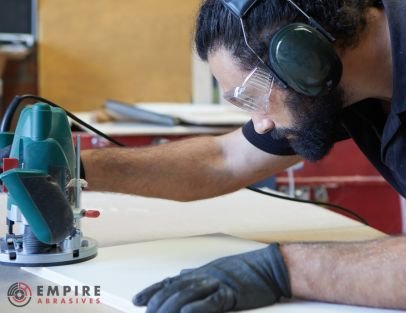
When you’re sanding or grinding, dust can quickly fill the air and make breathing tough. You might think a simple cloth will do, but the right dust mask can protect your lungs and keep you safe.
Choosing and using the right mask isn’t always easy, but it’s one of the smartest moves you can make for your health. In this guide, you’ll learn exactly how to pick the best dust mask for your work, how to wear it correctly, and why it matters more than you might realize.
Keep reading to make sure your next project doesn’t come with hidden risks.
Choosing The Right Dust Mask
Using a dust mask is important for sanding and grinding tasks. It protects your lungs from harmful dust and particles.
Picking the right dust mask helps you work safely and comfortably. This guide covers types, ratings, and comfort factors.
Types Of Dust Masks
There are several dust mask types for sanding and grinding. Each type offers different levels of protection.
Disposable masks are light and easy to use. Reusable masks have replaceable filters and a better fit.
- Disposable Dust Masks: Basic protection for low dust levels
- Reusable Respirators: Higher protection with replaceable filters
- Half-Face Respirators: Cover nose and mouth with tight seal
- Full-Face Respirators: Protect eyes, nose, and mouth
Filter Ratings Explained
Dust masks have filter ratings that show how well they block particles. These ratings help you choose the right mask.
Common ratings include N95, P100, and others. The letter shows oil resistance, and the number shows particle filtering.
| Rating | Oil Resistance | Particle Filtration |
|---|---|---|
| N95 | No | Filters 95% of particles |
| P100 | Yes | Filters 99.97% of particles |
| R95 | Some | Filters 95% of particles |
Material And Comfort Factors
Comfort matters when wearing dust masks for long periods. Materials and fit affect comfort and safety.
Look for masks with soft materials and adjustable straps. A good seal stops dust from entering but should not feel tight.
- Soft inner lining reduces skin irritation
- Adjustable nose clips improve fit
- Lightweight design prevents fatigue
- Breathable materials increase comfort
Proper Fit And Seal
Wearing a dust mask correctly is important for safety during sanding and grinding. A proper fit and seal keep dust and particles out of your lungs.
This guide explains how to fit a dust mask, common fit problems, and tips to improve the seal.
How To Fit A Dust Mask Correctly
Start by placing the mask over your nose and mouth. Make sure it covers both completely. Pull the straps over your head or ears to hold it in place.
- Adjust the nose clip to fit snugly over your nose bridge.
- Pull the mask tight against your face without gaps.
- Check that the mask does not slip when you move your head.
- Perform a seal check by breathing in and out to feel for leaks.
Common Fit Issues
Many people face problems with their dust mask fit. These issues reduce protection and can cause discomfort.
| Issue | Cause | Effect |
| Gap near nose | Nose clip not adjusted | Dust leaks inside mask |
| Loose straps | Straps too long or worn out | Mask slips off face |
| Mask too big or small | Wrong mask size | Poor seal and discomfort |
| Facial hair | Beard or mustache under mask | Breaks seal, allows dust entry |
Tips For Better Seal
Improving the mask seal increases safety. Try these tips to get a better fit and reduce dust entry.
- Choose the right mask size for your face shape.
- Use masks with adjustable nose clips and straps.
- Clean your face before wearing the mask to avoid slippage.
- Replace masks that become damaged or dirty.
- Consider using a mask fitter or brace for a tighter seal.
When To Replace Dust Masks
Dust masks protect your lungs during sanding and grinding. Knowing when to replace them keeps you safe.
Using a worn-out mask can let harmful dust inside. Replace masks regularly for good protection.
Signs Of Wear And Tear
Look for damage on your dust mask before each use. Worn masks do not filter dust well.
- Cracks or tears in the mask material
- Loose or broken straps
- Damaged or missing nose clips
- Mask becomes hard or brittle
- Mask smells bad or feels wet inside
Recommended Replacement Frequency
Replace dust masks after heavy use or if they show wear. Some masks last longer than others.
- Disposable masks: replace after one full day of use
- Reusable masks: follow manufacturer’s instructions
- Replace immediately if breathing feels harder
- Change masks after exposure to hazardous dust
Disposal Guidelines
Dispose of used dust masks safely to avoid dust exposure. Follow local waste rules.
- Put disposable masks in a sealed plastic bag
- Do not crush or shake masks before disposal
- Wash hands after handling used masks
- Reusable masks need cleaning before storing or disposing
Credit: bcmask.com
Using Dust Masks With Other Safety Gear
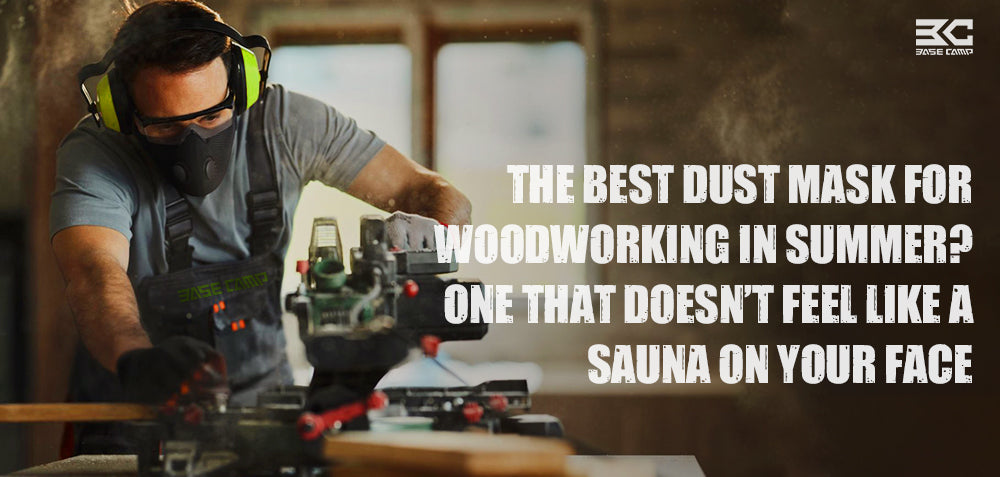
Wearing a dust mask is important when sanding or grinding. You must also use other safety gear to protect yourself fully.
Combining dust masks with eye protection, hearing protection, and proper clothing keeps you safe from many risks.
Combining Masks With Eye Protection
Dust masks and eye protection work together to stop dust and debris from hurting you. Use goggles or safety glasses with your mask.
Make sure the eye protection fits well over or under your mask straps. This keeps both secure and comfortable.
- Choose goggles that seal around your eyes
- Check for anti-fog features
- Use adjustable straps for a good fit
- Clean eye gear regularly to keep clear vision
Hearing Protection Considerations
Sanding and grinding make loud noise that can damage your ears. Use earplugs or earmuffs along with your dust mask.
Check that your hearing protection does not push the mask away from your face. Adjust both for comfort and safety.
- Use soft earplugs for tight spaces
- Earmuffs work well with adjustable headbands
- Test combined fit before starting work
- Replace hearing gear if worn out or damaged
Protective Clothing Compatibility
Wear clothes that protect your skin from dust and sparks. Choose items that do not interfere with your dust mask.
Loose or bulky clothing can catch on tools. Pick fitted clothes and use gloves that allow mask straps to stay in place.
- Wear long sleeves and pants made of thick fabric
- Choose clothes that do not cover your face mask straps
- Use gloves that fit snugly without slipping
- Remove jewelry that might catch on equipment
Cleaning And Maintenance
Keeping your dust mask clean helps it last longer and work better. Dirt and dust can clog the mask and make breathing hard.
Regular cleaning and proper care keep your mask safe to use for sanding and grinding jobs.
Reusable Mask Care
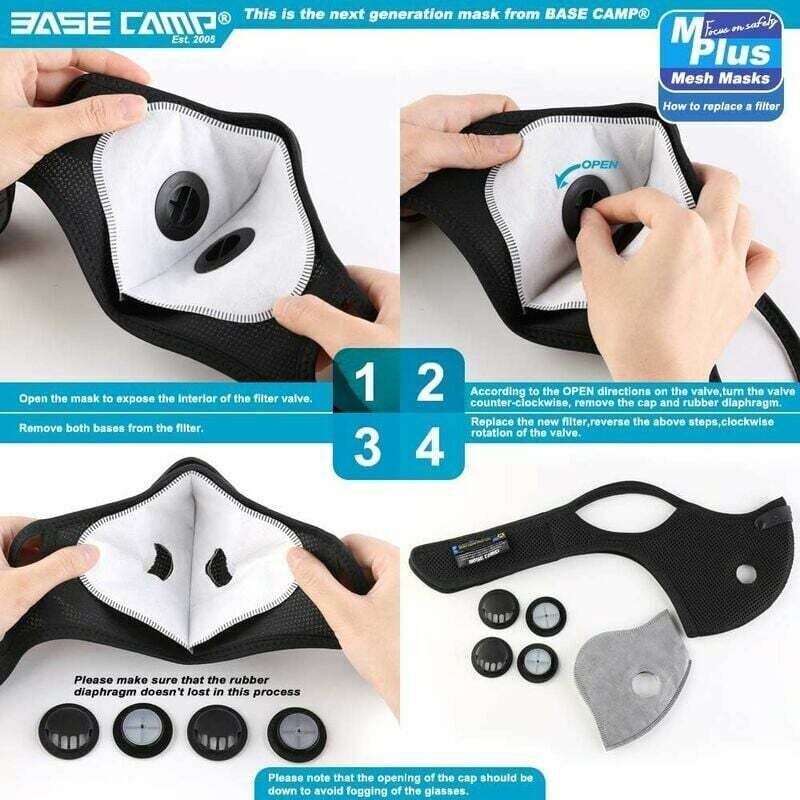
Wash reusable dust masks after each use with mild soap and warm water. Rinse them well to remove all soap. Let them dry completely before wearing again.
- Do not use bleach or harsh chemicals.
- Check the mask for damage before and after cleaning.
- Replace filters according to the manufacturer’s instructions.
- Do not share your mask with others to avoid spreading germs.
Storage Tips
Store your dust mask in a clean, dry place. Keep it away from direct sunlight and dust when not in use. This prevents damage and keeps it ready for your next job.
| Storage Location | Recommended |
| Toolbox | No, may contain dust and dirt |
| Sealed plastic bag | Yes, keeps mask clean and dry |
| Drawer or cabinet | Yes, if clean and dry |
| Hanging on a hook | No, exposes mask to dust |
Avoiding Contamination
Always handle your dust mask with clean hands. Avoid touching the inside of the mask to keep it free from germs and dirt.
Do not store the mask near chemicals or in dirty areas. Use a clean container or bag for transport.
- Wash hands before and after touching the mask.
- Keep the mask away from food or drinks.
- Replace the mask if it becomes dirty, wet, or damaged.
- Use separate masks for different tasks to reduce contamination.

Credit: www.amazon.ca
Common Mistakes To Avoid
Using dust masks for sanding and grinding protects your lungs. Many people make mistakes that reduce mask safety. Avoiding these errors helps keep you safe.
This guide covers common mistakes when using dust masks. Learn what to watch for and how to fix these problems.
Improper Mask Selection
Choosing the wrong dust mask can let harmful particles through. Not all masks filter the same dust or fit every task. Make sure to pick a mask made for sanding or grinding.
Using a simple cloth mask or one not rated for dust can cause health risks. Look for masks labeled N95 or better for fine dust.
- Use N95 or higher for fine dust and particles
- Avoid cloth masks that do not filter well
- Choose masks designed for sanding or grinding tasks
Neglecting Fit Checks
A dust mask only works if it fits your face correctly. Gaps around the edges let dust in and reduce protection. Many users skip checking the fit before work.
Always do a fit check by covering the mask and breathing in. The mask should collapse slightly without air leaking. Adjust straps and nose clips to seal well.
- Check mask fit every time you wear it
- Adjust nose clips and straps for a tight seal
- Replace masks that no longer fit well
Ignoring Environmental Factors
Environmental conditions affect mask performance. High humidity or heavy dust can clog masks faster. Some masks are not made for extreme conditions.
Change masks more often in dusty or humid places. Work in well-ventilated areas to reduce dust levels. Avoid reusing disposable masks after heavy use.
- Replace masks if breathing becomes hard
- Work where air moves to clear dust
- Do not reuse disposable masks after heavy dust
Credit: www.manomano.co.uk
Frequently Asked Questions
What Is The Best Dust Mask For Sanding?
The best dust mask for sanding is an N95 respirator. It effectively filters out 95% of airborne particles, including dust and debris. Ensure a snug fit around your nose and mouth for optimal protection. Always choose a mask certified by relevant health and safety standards.
Can You Use Dust Masks For Grinding?
Yes, you can use dust masks for grinding. They protect against inhaling harmful particles. Choose a mask with a high filtration efficiency, like N95 or P100. Ensure it fits well and covers your nose and mouth. Replace the mask regularly for continued effectiveness and safety.
How Often Should I Replace My Dust Mask?
Replace your dust mask when it becomes dirty, damaged, or difficult to breathe through. For frequent use, change it every 8 hours or after each session. A clean, undamaged mask ensures optimal protection against dust and particles. Follow manufacturer’s guidelines for specific replacement intervals.
Do Dust Masks Prevent Inhaling Dust Particles?
Yes, dust masks prevent inhaling dust particles by filtering the air you breathe. They capture airborne particles, reducing respiratory risks. Choose masks with high filtration efficiency for maximum protection. Ensure a proper fit around your nose and mouth. Regularly inspect and replace masks for best results.
Conclusion
Wearing a dust mask protects your lungs from harmful dust. Always choose the right mask for sanding and grinding tasks. Make sure it fits snugly and covers your nose and mouth. Replace masks when they become dirty or hard to breathe through.
Staying safe helps you work longer and feel better. Use these tips to keep dust out and breathe easy. Safety first, every time you sand or grind.