Are you struggling with thick, heavy soil that just won’t let your plants grow? You’re not alone.
Heavy soil can trap water and make it hard for roots to breathe, leaving your garden thirsty and your plants unhappy. But don’t worry—there are simple steps you can take to fix this problem. By aerating your soil correctly, you’ll unlock healthier roots, better water flow, and stronger plants.
Keep reading, and you’ll discover easy, effective tips to transform your heavy soil into a thriving garden foundation. Your plants will thank you!
Benefits Of Aerating Heavy Soil
Aerating heavy soil helps plants grow better. It makes the soil easier for roots to spread.
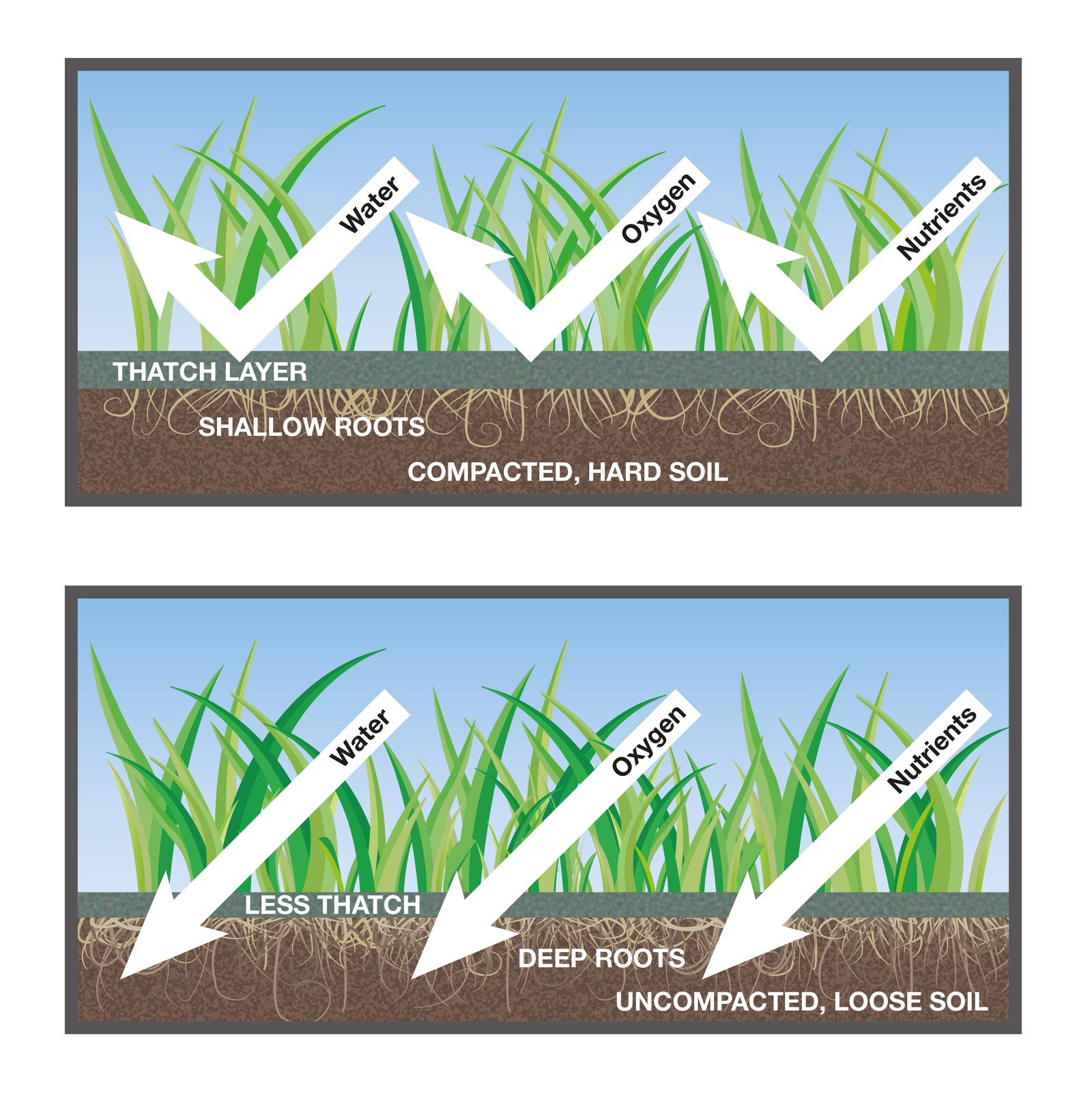
This process improves the soil’s structure and allows water and air to reach plant roots.
Improved Drainage
Heavy soil often holds too much water. Aeration creates small holes that let water drain out.
Better drainage stops water from pooling on the surface. It also prevents root rot and other problems.
- Prevents waterlogging
- Reduces surface runoff
- Keeps soil moist but not soaked
Enhanced Root Growth
Aeration opens up space in the soil for roots to grow deeper. Roots get more oxygen and nutrients.
Stronger roots help plants absorb water and food better. This leads to healthier plants overall.
- Increases oxygen for roots
- Allows roots to spread freely
- Improves nutrient absorption
Reduced Soil Compaction
Heavy soil can become hard and compacted. Aeration breaks up this tight soil to make it loose.
Loose soil lets plant roots and earthworms move easily. It also helps air and water flow better.
- Loosens hard soil
- Improves air flow
- Supports healthy soil life
Credit: naturesseed.com
Identifying Heavy Soil
Heavy soil holds a lot of water and feels dense. It can be hard to dig or work with in gardens.
Knowing if your soil is heavy helps you decide how to aerate it properly for better plant growth.
Soil Texture And Composition
Heavy soil usually has more clay and less sand or silt. Clay particles are tiny and stick together tightly.
This tight packing makes the soil feel smooth and sticky when wet. It also dries hard and cracks.
- Clay soil feels sticky and smooth when wet
- Dries hard and forms cracks
- Holds water but drains slowly
- Feels dense and heavy to dig
Common Signs Of Compaction
Compacted soil is tightly packed and has fewer air spaces. Roots find it hard to grow in compacted soil.
You can see signs like water pooling, poor drainage, and plants that look weak or stunted.
- Water pools on the surface after rain
- Soil feels hard and dense
- Plants grow slowly or have thin roots
- Soil cracks deeply when dry
Choosing The Right Tools
Aerating heavy soil helps plants grow better by letting air, water, and nutrients reach roots. Picking the right tool makes aerating easier and more effective.
Different tools work best for different soil types and garden sizes. Learn about manual and mechanical aerators to find what suits your needs.
Manual Aerators
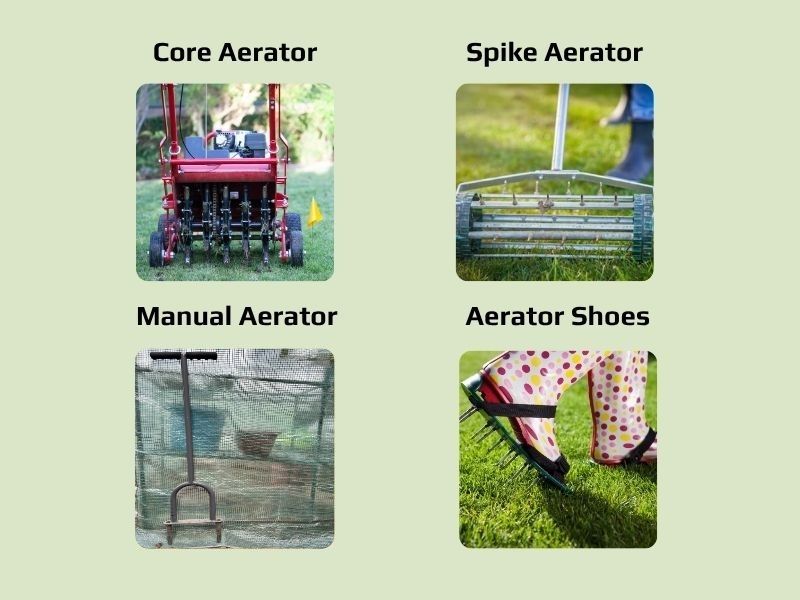
Manual aerators are simple tools you use by hand. They usually have spikes or hollow tines to poke holes in the soil.
These tools work well for small gardens or lawns. They are lightweight and easy to handle but require physical effort.
- Spike aerators push holes into the soil
- Hollow-tine aerators remove small plugs of soil
- Good for small areas and light aeration
Mechanical Aerators
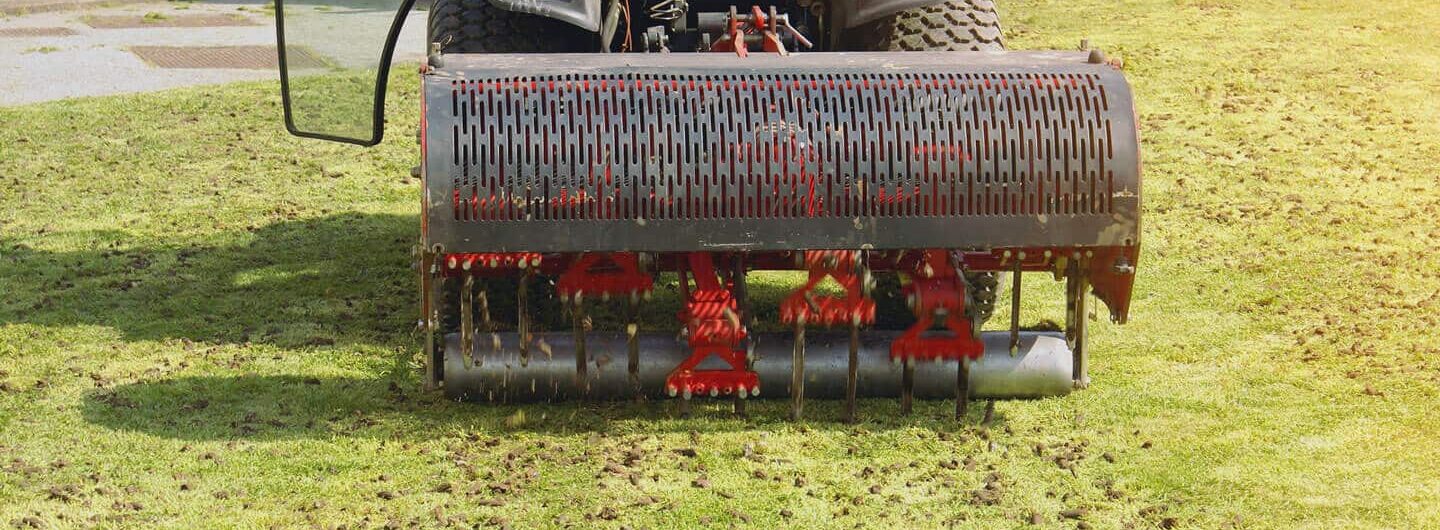
Mechanical aerators are powered tools that make aerating faster and less tiring. They can be gas, electric, or battery-powered.
These machines are great for large lawns or very compacted soil. They create holes deeper and more evenly than manual tools.
- Use hollow tines to remove soil plugs
- Work quickly on big areas
- Require some maintenance and safety care
When To Use Each Type
Choose manual aerators for small lawns or light soil compaction. They are simple and cost less.
Use mechanical aerators for large spaces or very hard soil. They save time and energy but cost more.
- Manual aerators: small gardens, light compaction, easy access
- Mechanical aerators: large lawns, heavy compaction, tough soil
- Check soil condition to pick the best tool

Credit: au.mowrator.com
Timing For Aeration
Aerating heavy soil helps improve air and water flow. Picking the right time ensures better results.
Aerate when soil conditions allow easy penetration. Avoid very dry or very wet soil.
Best Seasons
Early spring and fall are the best seasons for aeration. Soil is softer and plants recover quickly.
Summer heat can stress plants, so avoid aerating then. Winter soil may be too hard or frozen.
- Spring: soil warms and plants grow fast
- Fall: soil cools and plants prepare for winter
- Avoid summer and winter for heavy soil aeration
Ideal Soil Moisture Levels
Soil should be moist but not soaked before aeration. This helps tools penetrate easily.
Too wet soil can clump and damage structure. Too dry soil is hard and difficult to aerate.
- Check soil by squeezing it in your hand
- It should hold shape but crumble easily
- Water soil a day before if very dry
Step-by-step Aeration Process
Aerating heavy soil helps grass roots get air, water, and nutrients. It improves lawn health and growth.
This guide shows clear steps for aerating your lawn. Follow the process for best results.
Preparing The Lawn
Start by mowing the lawn short. Remove any debris like sticks and leaves. Water the lawn lightly a day before aeration. This softens the soil for easier aeration.
Aerating Techniques
There are different ways to aerate heavy soil. Choose a method that fits your lawn size and tools.
- Use a spike aerator to poke holes in the soil.
- Try a plug aerator to remove small soil plugs.
- Manual aerators are good for small or tight areas.
- Machine aerators cover large lawns quickly and deeply.
Post-aeration Care
After aeration, take these steps to help your lawn recover:
| Care Step | Purpose |
|---|---|
| Water deeply | Help soil settle and roots absorb moisture |
| Apply fertilizer | Feed grass for quick growth |
| Leave soil plugs | Let them break down naturally to improve soil |
| Avoid heavy traffic | Prevent soil compaction while grass recovers |
Enhancing Soil Health After Aeration
Aerating heavy soil helps air, water, and nutrients reach roots. It creates small holes in the soil. This improves root growth and plant health.
After aeration, you can use simple methods to improve your soil even more. These tips help your garden or lawn grow strong and healthy.
Topdressing With Compost
Spread a thin layer of compost over the aerated soil. Compost adds nutrients and good microbes. It helps improve soil structure and fertility.
- Use well-aged compost for best results
- Apply about a quarter to half an inch thick
- Rake gently to work compost into the holes
- Topdressing helps retain moisture and reduce weeds
Seeding And Fertilizing
After aeration, add grass seed or plants to fill bare spots. Fertilize lightly to give new growth a boost. Use fertilizers that match your soil needs.
| Type | When to Apply | Benefits |
| Starter Fertilizer | Right after aeration | Helps young plants grow roots |
| Slow-Release Fertilizer | Within 1-2 weeks | Feeds plants over a longer time |
| Organic Fertilizer | Any time after aeration | Improves soil health naturally |
Watering Tips
Water the soil right after aerating and topdressing. Keep soil moist but not soggy. Proper watering helps seeds and roots settle in well.
- Water deeply to reach roots
- Water early in the morning or late in the day
- Avoid overwatering to prevent soil compaction
- Check soil moisture before watering again
Common Mistakes To Avoid
Aerating heavy soil helps plants grow better by improving air and water flow. Some gardeners make mistakes that hurt their soil or plants.
Knowing what to avoid will save time and improve your soil’s health. Here are common errors to watch out for.
Aerating Dry Soil
Aerating soil that is too dry can cause more harm than good. Dry soil is hard and breaks apart, which can damage roots.
It is best to water the soil well a day or two before aerating. Moist soil is softer and easier to aerate.
- Aerate only when soil is moist, not dry
- Water soil deeply 24-48 hours before aerating
- Avoid using heavy tools on dry soil
Over-aeration
Aerating too often or too deeply can damage soil structure and plant roots. This weakens your lawn or garden.
Limit aeration to once or twice a year for heavy soil. Use the right tool depth to avoid harming roots.
- Do not aerate more than twice a year
- Use proper tools with correct depth settings
- Stop if you see root damage or soil crumbling
Ignoring Soil Testing
Skipping a soil test before aerating can lead to wrong treatments. You may miss nutrient problems or soil pH issues.
Test soil to know its condition. This helps you choose the right aeration method and follow-up care.
- Test soil pH and nutrients before aerating
- Use test results to guide soil amendments
- Adjust aeration plans based on soil needs
Credit: www.lawnstarter.com
Frequently Asked Questions
What Are The Benefits Of Aerating Heavy Soil?
Aerating heavy soil improves water drainage and nutrient absorption. It reduces soil compaction and promotes root growth. This process enhances plant health and increases oxygen availability. Regular aeration helps create a healthier and more sustainable garden environment.
How Often Should You Aerate Heavy Soil?
Aerate heavy soil once or twice annually for best results. Spring and fall are ideal times for aeration. Regular aeration prevents compaction and encourages healthy plant growth. Monitor your soil’s condition to adjust the frequency if necessary.
What Tools Are Best For Aerating Soil?
Core aerators and spike aerators are effective for soil aeration. A garden fork can also help for small areas. Choose tools based on your garden size and soil type. Proper tools ensure efficient and effective aeration.
Can Aerating Soil Improve Plant Growth?
Yes, aerating soil significantly boosts plant growth. It enhances root development by increasing air and nutrient access. Improved drainage reduces waterlogging, promoting healthier plants. Regular aeration ensures optimal growing conditions for your garden.
Conclusion
Aerating heavy soil helps plants grow strong and healthy. It lets air, water, and nutrients reach roots easily. Use simple tools like a garden fork or aerator shoes. Work the soil when it is moist, not wet. Regular aeration improves drainage and reduces soil compaction.
Your garden will become more lively and productive. Keep aerating every season for best results. Healthy soil means happier plants and better harvests. Small steps make a big difference in your garden’s health. Try these tips and watch your soil breathe again.