Your table saw is one of the most powerful tools in your workshop, but it can also be one of the most dangerous if not cared for properly. How well you maintain it directly affects not only your safety but also the precision of every cut you make.
Imagine cutting through wood smoothly, every time, without worrying about accidents or mistakes. You’ll discover simple, practical steps to keep your table saw running safely and accurately. Keep reading to protect yourself and get the best results from your tool every time you use it.
Choosing The Right Table Saw
Picking the right table saw helps you work safely and accurately. A good saw fits your needs and skill level.
Understanding different saw types and safety features keeps your work precise. It also reduces risks of injury.
Types Of Table Saws
Table saws come in many types. Each type suits different jobs and spaces.
- Benchtop Saws:Small, portable, and good for light work.
- Contractor Saws:Heavier, more powerful, ideal for home workshops.
- Hybrid Saws:Blend features of contractor and cabinet saws for hobbyists.
- Cabinet Saws:Large, heavy, and very precise for professional use.
Choose a saw that fits your workspace and the projects you plan to do.
Features For Safety And Precision
Look for safety features that protect you during use. Precision features help make exact cuts.
- Blade Guard:Covers the blade to stop accidental contact.
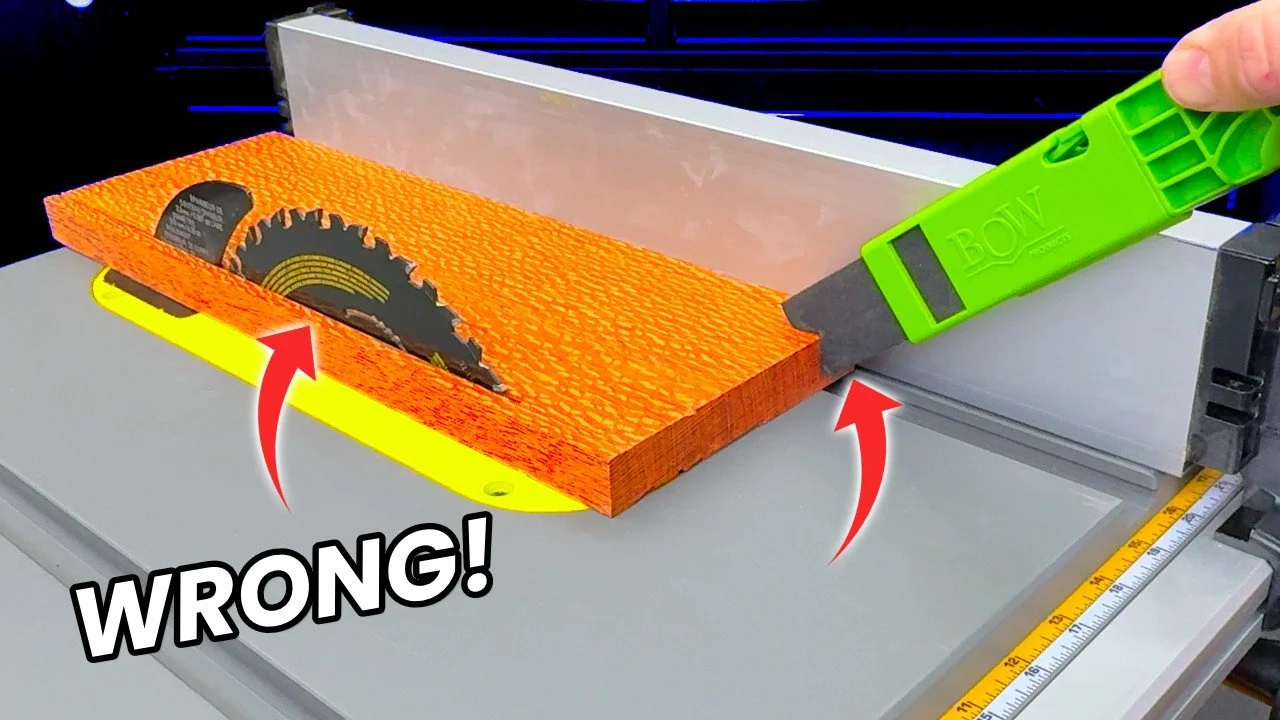
- Riving Knife:Prevents wood from pinching the blade and causing kickback.
- Anti-Kickback Pawls:Grip the wood to stop it from flying back.
- Flesh Detection Technology:Stops the blade instantly on contact with skin.
- Adjustable Fence:Keeps wood aligned for straight cuts.
- Accurate Miter Gauge:Helps make angled cuts with precision.
- Dust Collection Port:Reduces dust for a clearer view and cleaner air.
Choose a saw with these features to keep your work safe and accurate.
Setting Up Your Table Saw
Setting up your table saw correctly ensures safe use and accurate cuts. Proper setup helps avoid accidents and improves your work quality.
This guide covers the key steps for installing your table saw and aligning the blade and fence for precision.
Proper Installation
Place your table saw on a stable, flat surface. Make sure it is level to prevent wood from moving unexpectedly during cutting.
- Check that the saw is firmly anchored or secured to the workbench.
- Leave enough space around the saw for material handling.
- Ensure the power cord is safely positioned to avoid tripping or cutting.
- Verify that the saw’s dust collection system is connected properly.
Aligning The Blade And Fence
Correct alignment of the blade and fence is key to safe and precise cuts. Misalignment can cause kickback or uneven edges.
| Alignment Part | What to Check | How to Adjust |
|---|---|---|
| Blade | Blade should be parallel to the miter slot. | Use a combination square to check and loosen the trunnion bolts to adjust. |
| Fence | Fence must be parallel to the blade. | Loosen the fence lock and move the fence until it aligns with the blade. |
| Blade Height | Blade height should match the thickness of the material. | Adjust the height wheel to raise or lower the blade safely. |
Routine Cleaning And Lubrication
Keeping your table saw clean and well-lubricated helps it work safely and accurately. Dirt and dry parts can cause problems.
Regular care prevents damage and keeps your cuts smooth. It also reduces the risk of accidents.
Removing Dust And Debris
Dust and debris build up on the table saw during use. This dirt can block moving parts and reduce cutting precision.
Clean the saw after each use to keep it running well. Use a brush or vacuum to remove dust from all surfaces.
- Unplug the saw before cleaning
- Brush off the table surface and blade guard
- Vacuum dust from vents and motor housing
- Check the blade slot for leftover debris
Lubricating Moving Parts
Lubrication keeps moving parts smooth and prevents rust. Dry parts can wear out faster and cause poor cuts.
Use light machine oil or a recommended lubricant on the gears, trunnions, and elevation screws. Avoid over-oiling.
- Apply oil to adjustment gears and pivot points
- Wipe off any excess lubricant to avoid dust buildup
- Lubricate the blade arbor and shaft regularly
- Do not oil the blade or motor parts

Credit: www.youtube.com
Blade Maintenance
Keeping your table saw blade in good shape is key for safety and accuracy. A clean, sharp blade cuts better and reduces accidents.
Regular care of the blade helps your saw perform well and last longer. Learn how to pick, sharpen, and replace blades safely.
Choosing The Right Blade
Use the right blade for the material you cut. Different blades fit different wood types and thicknesses.
A blade with fewer teeth cuts faster but rougher. More teeth give a smoother cut but work slower.
- Use a ripping blade for cutting along the wood grain.
- Use a crosscut blade for cutting across the grain.
- For plywood or laminates, use a blade designed for clean cuts.
- Match blade size to your saw’s specifications.
Sharpening And Replacing Blades
Keep blades sharp to avoid rough cuts and reduce kickback risks. Dull blades need more force and can cause accidents.
Sharpen blades regularly or replace them if damaged. Signs include burning wood, slow cuts, or chipping edges.
- Remove the blade carefully before sharpening or replacing.
- Use a blade sharpener or take it to a professional service.
- Check blade teeth for chips or cracks before reuse.
- Replace the blade if it is warped or badly damaged.
- Always follow safety steps when handling blades.
Checking Safety Features
Maintaining a table saw means keeping its safety features in good shape. These parts protect you from accidents and help keep cuts precise.
Regular checks on these features can prevent injuries and improve your work quality. Focus on the blade guards, anti-kickback pawls, and splitters.
Inspecting Blade Guards
Blade guards cover the saw blade and stop direct contact. Check that the guard moves freely and snaps back into place after cutting.
- Look for cracks or damage on the guard
- Clean sawdust and debris from the guard
- Make sure the guard covers the blade fully
- Test the guard’s movement before each use
Testing Anti-kickback Pawls And Splitters
Anti-kickback pawls and splitters keep the wood from kicking back. These parts must be aligned and free to move.
| Component | What to Check | Why It Matters |
|---|---|---|
| Anti-Kickback Pawls | Check teeth for wear and ensure they move freely | Prevents wood from flying back toward the user |
| Splitter | Make sure it is straight and centered behind the blade | Stops wood from pinching the blade and causing kickback |

Credit: www.731woodworks.com
Calibrating For Precision
Maintaining your table saw ensures safe and accurate cuts. Calibration is key to keep the saw working well.
Proper calibration helps avoid mistakes and reduces risks during cutting tasks. It makes your work cleaner and safer.
Adjusting Blade Height And Angle
Set the blade height so the teeth clear the wood by about a quarter inch. This helps control the cut and keeps the wood from binding.
Check the blade angle with a reliable angle gauge. Adjust the tilt to match the desired cut angle exactly.
- Turn off and unplug the saw before adjusting.
- Raise or lower the blade using the height adjustment wheel.
- Use a protractor or angle gauge to check blade tilt.
- Tighten the angle lock once the blade is set.
Aligning Miter Gauge And Fence
The miter gauge must be square to the blade for accurate angled cuts. Use a try square to verify alignment.
The fence should be parallel to the blade. This prevents wood from pinching and reduces kickback risks.
- Measure the distance from the fence to the blade at front and back.
- Adjust the fence until both distances are equal.
- Check the miter gauge fits snugly and moves smoothly.
- Tighten all locks after adjustments.
Safe Operating Practices
Using a table saw requires careful attention to safety. Proper techniques keep you safe and improve your cuts.
Following safe operating practices helps prevent accidents and ensures precise work every time.
Using Push Sticks And Featherboards
Push sticks and featherboards keep your hands away from the blade. They also hold wood steady during cuts.
- Use a push stick for narrow or short pieces of wood.
- Place featherboards along the fence to hold wood firmly.
- Always check that push sticks and featherboards are in good condition.
- Never remove safety tools while the saw is running.
Maintaining Proper Body Position
Stand in a stable position to control the wood and avoid kickback. Keep your body out of line with the blade.
| Body Position Tip | Reason |
| Stand to the side of the blade | Prevents injury from kickback |
| Keep feet shoulder-width apart | Maintains balance and control |
| Lean slightly forward | Helps push wood steadily |
| Keep arms relaxed but firm | Improves precision and safety |

Credit: www.youtube.com
Regular Inspections And Repairs
Keeping your table saw in good shape helps you work safely and accurately. Regular checks can catch problems early.
Fixing issues on time stops small problems from becoming big ones. It also keeps your cuts precise.
Identifying Wear And Tear
Look closely at parts that move or touch wood. These parts wear out faster and can cause trouble.
Check the blade, fence, and table surface for signs of damage or wear. Also, watch for loose bolts or screws.
- Dull or chipped blades reduce cut quality
- Worn fence causes inaccurate cuts
- Rust on the table slows wood feed
- Loose parts create safety hazards
Addressing Mechanical Issues
Fix any loose or broken parts as soon as you spot them. Tighten screws and replace worn components.
Keep the motor and gears clean and lubricated. This helps the saw run smoothly and last longer.
- Use the correct tools to tighten bolts
- Replace damaged blades immediately
- Lubricate moving parts monthly
- Clean dust and debris from motor vents
Storage And Environmental Care
Keeping your table saw in good condition helps it work safely and precisely. Proper storage and care protect the saw from damage.
Moisture and poor storage can cause rust and misalignment. Follow simple steps to keep your saw safe and accurate.
Protecting From Moisture
Moisture can cause rust and damage the motor parts of your table saw. Keep the saw dry and avoid damp places.
- Store the saw in a dry room with low humidity.
- Use a waterproof cover to shield the saw from dust and moisture.
- Apply a light coat of oil on metal parts to prevent rust.
- Check for water leaks or spills near the storage area.
Safe Storage Tips
Proper storage keeps your table saw stable and ready to use. Avoid places with heavy dust or extreme temperatures.
| Storage Tip | Reason |
|---|---|
| Keep saw on a flat, stable surface | Prevents tipping and damage |
| Cover blade and moving parts | Protects from dust and injury |
| Store away from direct sunlight | Prevents warping and fading |
| Disconnect power when not in use | Ensures safety and saves energy |
Frequently Asked Questions
How Often Should I Clean My Table Saw?
Regularly clean your table saw after every use to ensure safety and precision. Remove sawdust and debris from the blade and surrounding areas. This helps prevent buildup and maintains the tool’s efficiency. A clean table saw not only performs better but also extends its lifespan.
What Safety Gear Is Necessary For Using A Table Saw?
Always wear safety goggles, ear protection, and a dust mask while operating a table saw. These protect your eyes, ears, and respiratory system from potential hazards. Additionally, wearing fitted clothing and avoiding jewelry is important. Proper safety gear significantly reduces the risk of accidents and injuries.
How Do I Align My Table Saw Blade?
Align your table saw blade by adjusting the blade parallel to the miter slot. Use a combination square to check the alignment. Proper alignment ensures precise cuts and reduces kickback risks. Regularly checking and adjusting the blade alignment is crucial for maintaining accuracy and safety.
Why Is Lubrication Important For A Table Saw?
Lubrication reduces friction and prevents rust, ensuring smooth operation of your table saw. Regularly apply lubricant to the moving parts, such as the blade and gears. This maintenance step prolongs the saw’s lifespan and enhances performance. Proper lubrication is key to efficient and safe woodworking.
Conclusion
Maintaining your table saw keeps it safe and precise every time. Clean the blade and check for damage often. Tighten loose parts to prevent accidents. Use proper tools to adjust settings carefully. Regular care helps your saw work well longer.
Stay alert and follow safety tips always. A well-kept saw makes your projects easier and safer. Keep these habits, and your work will improve steadily. Safety and precision go hand in hand. Your table saw deserves simple, steady attention.