
When you’re working with metal, the right welding gloves aren’t just a nice-to-have—they’re a must. Picking the perfect pair can protect your hands from burns, cuts, and sparks, while also giving you the comfort and control you need.
But with so many options out there, how do you know which gloves are best for your metalwork? Keep reading, and you’ll discover simple, practical tips that make choosing your welding gloves easy and effective. Your hands will thank you.
Credit: www.envirosafetyproducts.com
Types Of Welding Gloves
Welding gloves protect your hands from heat, sparks, and cuts. Choosing the right type helps you work safely and comfortably.
Different gloves suit various welding tasks. Knowing each type helps you pick the best one for your metalwork.
Leather Gloves
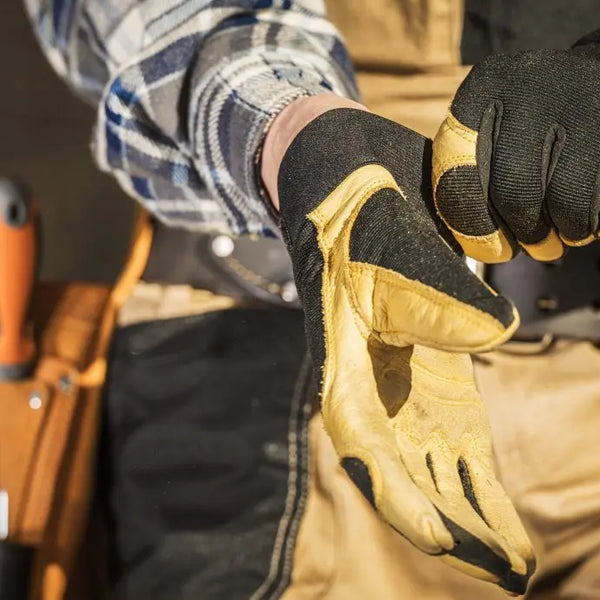
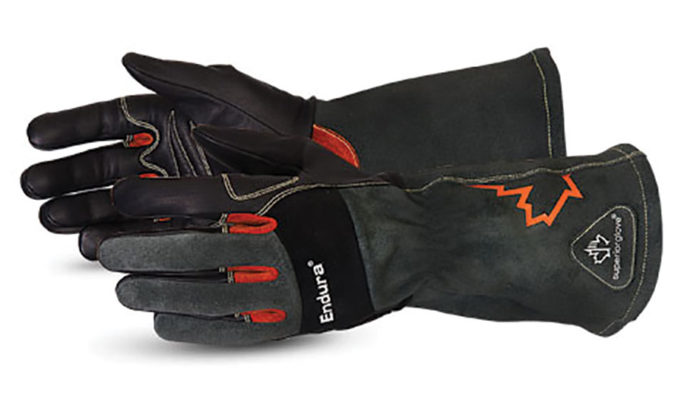
Leather gloves are the most common for welding. They offer good protection against sparks and rough materials. They last long and fit well.
Types of leather include cowhide, goatskin, and pigskin. Each has its own benefits in toughness and flexibility.
Heat-resistant Gloves
Heat-resistant gloves protect your hands from high temperatures. They use special materials to block heat and prevent burns.
- Made with Kevlar or aluminized fabric
- Good for working with hot metals
- Often thicker and less flexible
- Used in high-heat welding like TIG or plasma cutting
Cut-resistant Gloves
Cut-resistant gloves protect against sharp edges and metal shards. They reduce the risk of cuts while handling metal sheets.
| Material | Protection Level | Use |
| HPPE (High-Performance Polyethylene) | High | Handling sharp metals |
| Steel Mesh | Very High | Cutting and grinding tasks |
| Kevlar | Medium | General welding support |
Electric Arc Gloves
Electric arc gloves protect from electrical shocks and burns. They have special insulation to keep welders safe from electric arcs.
Key features of electric arc gloves:
- Insulated leather and fabric layers
- Meets ASTM F696 and IEC 61482 standards
- Used in arc welding and electrical maintenance
Credit: www.ishn.com
Key Features To Consider
Choosing the right welding gloves is important for safety and comfort during metalwork. Different gloves offer various benefits depending on their features.
This guide explains key features to help you pick gloves that fit your work needs well.
Material Durability
Durable material ensures gloves last longer and protect your hands from sharp metal edges. Common materials include leather, Kevlar, and aluminized fabrics.
Heat Resistance
- Check maximum temperature rating of the gloves.
- Choose gloves with heat-resistant lining for better protection.
- Aluminized gloves reflect heat and are good for high-heat tasks.
- Leather gloves offer moderate heat resistance and good durability.
Comfort And Fit
Comfortable gloves reduce hand fatigue during long work sessions. Look for gloves with soft lining and proper sizing to avoid tightness or looseness.
Flexibility And Dexterity
| Feature | Importance |
| Thin material | Allows better finger movement |
| Pre-curved fingers | Reduces hand strain |
| Stretch panels | Improves glove flexibility |
Length And Coverage
Longer gloves protect the wrist and lower arms from sparks and heat. Choose glove length based on the type of welding and exposure risk.
Safety Standards And Certifications
Choosing the right welding gloves is important for safety. Gloves must meet specific standards to protect hands well.
Safety standards show how gloves perform in heat, cut, and impact resistance tests. Look for certified gloves.
En 388
EN 388 tests gloves for protection against mechanical risks. This includes abrasion, cut, tear, and puncture resistance.
The standard uses numbers to rate each risk. Higher numbers mean better protection.
- Abrasion resistance: 1 to 4
- Cut resistance: 1 to 5
- Tear resistance: 1 to 4
- Puncture resistance: 1 to 4
En 407
EN 407 measures how gloves protect against heat and fire. It checks resistance to burning, contact heat, and splashes.
The glove receives scores from 0 to 4 in each heat test. Higher scores show stronger heat protection.
- Flammability
- Contact heat resistance
- Convective heat resistance
- Radiant heat resistance
- Small splashes of molten metal
- Large quantities of molten metal
Ansi/isea Ratings
ANSI/ISEA is a US standard for gloves. It rates cut, puncture, and abrasion resistance.
Cut resistance uses a letter scale from A1 to A9. A higher letter means better cut protection.
| Test | Rating Scale | Meaning |
|---|---|---|
| Cut Resistance | A1 to A9 | Higher is better cut protection |
| Puncture Resistance | 0 to 4 | Higher means stronger resistance |
| Abrasion Resistance | 0 to 4 | Higher means better abrasion protection |

Credit: www.amazon.com
Common Mistakes To Avoid
Choosing the right welding gloves is important for safety and comfort. Many people make simple mistakes that can cause problems.
This guide explains common errors and how to avoid them when picking gloves for metalwork.
Choosing Gloves Too Thick Or Too Thin
Gloves that are too thick reduce hand movement. This makes it hard to handle tools and small parts.
Gloves that are too thin may not protect against heat or sparks. They can also wear out quickly.
- Thick gloves limit finger flexibility.
- Thin gloves may let heat pass through.
- Pick gloves that balance protection and dexterity.
Ignoring Proper Fit
Wearing gloves that do not fit well can cause accidents. Loose gloves can catch on tools or machines.
Tight gloves can reduce blood flow and cause discomfort. Proper fit keeps hands safe and comfortable.
- Measure your hand size before buying gloves.
- Try gloves on to check comfort and grip.
- Choose gloves that allow easy hand movement.
Overlooking Glove Maintenance
Welding gloves need regular care to last long. Dirty or damaged gloves do not protect well.
Check gloves often for holes, tears, or worn spots. Clean them according to the manufacturer’s instructions.
- Store gloves in a dry, cool place.
- Clean gloves to remove dirt and chemicals.
- Replace gloves if they show damage or wear.
Tips For Glove Maintenance
Welding gloves protect your hands from heat and sparks. Taking care of them keeps you safe and saves money.
Proper maintenance helps gloves last longer and work better. Follow these simple tips to keep your gloves in good shape.
Cleaning Techniques
Keep gloves clean to prevent damage and skin irritation. Remove dirt and grease after each use.
Use mild soap and water for cleaning leather gloves. Avoid harsh chemicals that can dry out the leather.
- Brush off loose dirt before washing
- Use a damp cloth with mild soap
- Rinse with clean water
- Air dry gloves away from direct heat
Storage Recommendations
Store gloves in a cool, dry place. Avoid places with high heat or direct sunlight.
Keep gloves flat or in their natural shape. Do not fold or crush them to prevent cracks and damage.
- Keep gloves away from sharp objects
- Use a clean container or drawer for storage
- Store gloves separately from chemicals or oils
When To Replace Gloves
Check gloves regularly for signs of wear. Replace gloves if they lose protection or comfort.
Look for tears, holes, or thin spots. Gloves that smell bad or feel stiff may need replacement.
- Replace gloves with visible holes or tears
- Change gloves if padding or insulation is worn out
- Do not use gloves with hard or stiff areas
- Replace gloves after heavy damage or long use
Matching Gloves To Welding Types
Choosing the right gloves is key for safety and comfort in metalwork. Different welding types need different glove features.
Gloves must protect against heat, sparks, and sharp metal. Let’s explore glove choices for common welding methods.
Mig Welding
MIG welding creates a lot of sparks and heat. Gloves need thick leather to protect hands well.
- Choose gloves made of cowhide or pigskin leather
- Look for gloves with extra padding on palms
- Ensure gloves allow good finger movement
- Keep gloves long enough to cover wrists
Tig Welding
TIG welding needs precision and control. Gloves should be thinner and more flexible.
Go for gloves that offer good dexterity and heat resistance but are not bulky.
Stick Welding
Stick welding produces heavy sparks and slag. Gloves must be tough and heat resistant.
| Glove Feature | Recommended Material | Purpose |
| Thickness | Heavy split leather | Protects from sparks and slag |
| Length | Long cuffs | Protects wrists and lower arms |
| Insulation | Heat-resistant lining | Keeps hands safe from heat |
Plasma Cutting
Plasma cutting creates very hot sparks and sharp metal edges. Gloves must be durable and heat resistant.
- Use gloves with reinforced fingertips
- Choose gloves made from heat-resistant leather
- Pick gloves with good grip to hold tools securely
Frequently Asked Questions
What Should I Consider When Choosing Welding Gloves?
Consider material, size, and heat resistance when selecting welding gloves. Look for durable materials like leather. Ensure the gloves fit well for optimal control. Heat resistance is crucial for safety. Check for additional features such as reinforced palms or cuffs for extra protection.
Why Is Glove Material Important In Welding?
Glove material affects comfort, durability, and protection. Leather is popular for its heat resistance and flexibility. It offers protection against sparks and splatter. Other materials may provide additional benefits, like cut resistance. Always choose gloves based on your specific welding needs and conditions.
How Do I Determine The Right Glove Size?
Measure your hand circumference around the palm area without the thumb. Compare the measurement with the glove size chart provided by manufacturers. Proper sizing ensures comfort, dexterity, and safety. Ill-fitting gloves can hinder your work and may not provide adequate protection.
Are Heat-resistant Gloves Necessary For Welding?
Yes, heat-resistant gloves are essential for welding tasks. They protect against burns and high temperatures. Welding produces intense heat and sparks. Proper heat-resistant gloves ensure safety and allow you to work confidently. Always prioritize gloves designed for your specific welding type.
Conclusion
Choosing the right welding gloves protects your hands and improves your work. Focus on fit, material, and heat resistance. Good gloves feel comfortable and last long. Don’t ignore safety and durability when picking gloves. Your hands deserve proper protection every time you weld.
Stay safe, work smart, and choose wisely.
