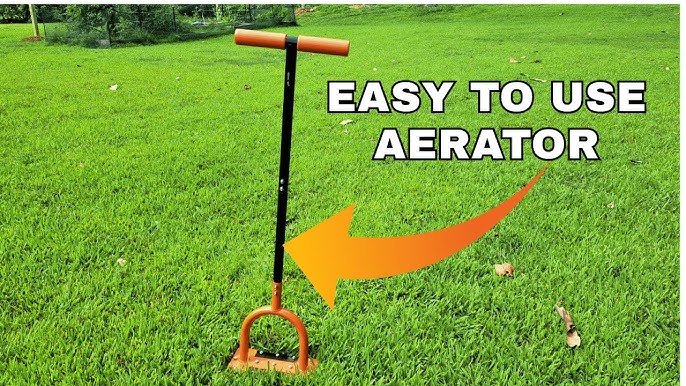
If you want your garden to thrive, healthy soil is the key. But how do you make sure your soil gets enough air?
The answer lies in a simple tool you probably already own: a garden hoe. Using a garden hoe for soil aeration can breathe new life into your plants by improving water flow and root growth. You’ll discover easy steps to use your hoe effectively and transform your garden’s health.
Keep reading, and you’ll soon see how a little effort with this everyday tool can make a big difference.
Benefits Of Soil Aeration
Soil aeration helps plants grow better by improving the soil structure. It lets air, water, and nutrients reach plant roots easily.
Using a garden hoe to aerate soil is simple and effective. It breaks up hard soil and creates space for roots to grow.
Improved Root Growth
Aerated soil lets roots spread out and grow stronger. Roots get more oxygen and room to expand.
Strong roots help plants stand firm and absorb more nutrients. They also resist drought better.
Enhanced Water Absorption
Loosened soil soaks up water faster. It stops water from running off the surface.
Water reaches deeper into the soil, helping roots stay hydrated longer.
- Prevents water pooling on soil surface
- Reduces soil erosion
- Improves water use efficiency
Better Nutrient Uptake
Aerated soil allows nutrients to move freely. Roots can absorb them easily.
This helps plants grow healthy and strong with all needed minerals.
- Improves fertilizer effectiveness
- Supports beneficial soil microbes
- Boosts overall plant health
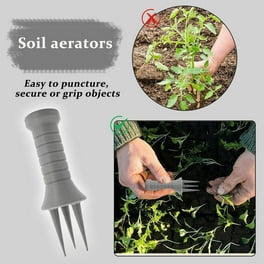
Credit: www.walmart.com
Choosing The Right Garden Hoe
Using a garden hoe helps keep soil loose and healthy. It makes plants grow better by letting air and water reach the roots.
Picking the right garden hoe makes your work easier. Different hoes suit different soil and tasks.
Types Of Garden Hoes
There are many types of garden hoes. Each type works best for certain jobs in the garden.
- Draw Hoe:A flat blade used to pull soil toward you.
- Stirrup Hoe:A loop-shaped blade that cuts weeds on the push and pull.
- Collinear Hoe:A thin blade that slices just below the soil surface.
- Wheel Hoe:A hoe with a wheel to make pushing easier.
- Warren Hoe:A triangular blade for digging and chopping soil.
Features To Look For
Choose a hoe with features that fit your garden needs. The right features save time and effort.
- Blade Material:Steel blades last longer and stay sharp.
- Handle Length:Longer handles reduce bending and back pain.
- Weight:Lighter hoes are easier to use for long times.
- Blade Shape:Pick a shape that fits your soil type and tasks.
- Comfort Grip:Handles with grip reduce hand strain.
Preparing The Garden Bed
Before using a garden hoe for soil aeration, prepare the garden bed. A clean and marked area helps you work efficiently.
Proper preparation improves soil health and plant growth. It makes hoeing easier and more effective.
Clearing Debris
Remove all debris like leaves, sticks, and stones from the garden bed. These items can block the hoe and damage the soil.
Clearing debris ensures the soil is loose and ready for aeration. It also prevents weeds from growing later.
- Pick up large sticks and rocks by hand
- Rake the soil surface to collect small debris
- Dispose of the debris away from the garden bed
Marking The Area
Mark the garden bed borders clearly before you start hoeing. This helps you know where to work and avoid stepping on plants.
Use string, stakes, or garden markers to outline the area. Clear markings keep your work neat and organized.
- Place stakes at each corner of the bed
- Tie string tightly between stakes
- Check that the marked area matches your planting plan
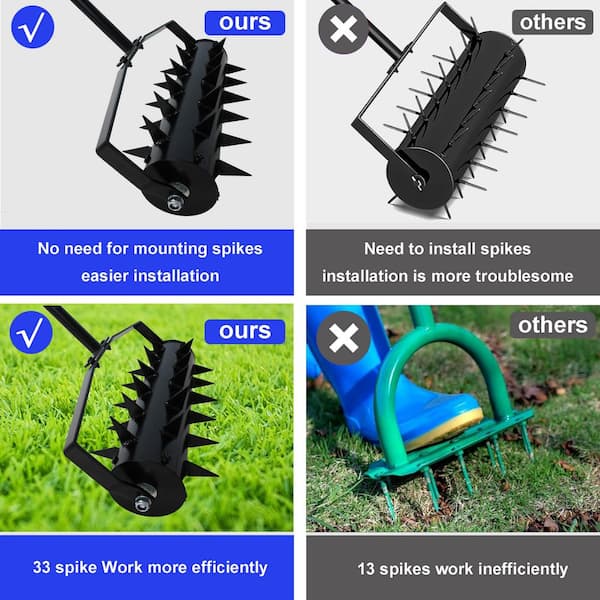
Credit: www.homedepot.com
Step-by-step Soil Aeration With A Hoe
Using a garden hoe to aerate soil helps improve plant growth. It breaks up compacted soil and allows air, water, and nutrients to reach roots.
This guide shows simple steps to use a hoe for soil aeration. Follow the tips for best results in your garden.
Proper Hoeing Technique
Hold the hoe with both hands, keeping your back straight. Use smooth, shallow strokes to break the soil surface. Avoid digging too deep to protect plant roots.
- Stand with feet shoulder-width apart for balance.
- Use the hoe blade to gently lift and loosen the soil.
- Move the hoe in a forward and backward motion.
- Work in rows to cover the entire area evenly.
- Stop if the soil feels too hard or dry.
Depth And Spacing Tips
Soil aeration with a hoe should reach a depth of 2 to 3 inches. This depth allows air to penetrate without disturbing roots deeply.
| Soil Type | Recommended Depth | Hoe Spacing |
| Clay | 2 inches | 6 inches apart |
| Sandy | 3 inches | 8 inches apart |
| Loamy | 2.5 inches | 7 inches apart |
Avoiding Common Mistakes
Many gardeners make errors that reduce the benefits of hoeing. Avoid these to keep your soil healthy and aerated.
- Do not hoe when the soil is wet; it can cause compaction.
- Avoid hoeing too deeply to prevent root damage.
- Do not use a dull hoe blade; it makes work harder.
- Do not skip areas; uneven aeration hurts plant growth.
Maintaining Soil Health After Aeration
After using a garden hoe for soil aeration, it is important to care for the soil. Proper maintenance keeps the soil loose and full of nutrients.
Good soil health helps plants grow strong and resist disease. Follow these tips to maintain your soil after aeration.
Adding Organic Matter
Add organic materials like compost, manure, or leaf mold to the soil. This improves soil structure and adds nutrients.
- Spread a thin layer of compost over the soil surface.
- Work organic matter gently into the topsoil with your hoe.
- Use natural materials to avoid chemicals.
- Repeat this process every few months for best results.
Watering Practices
Water your soil properly to keep it healthy after aeration. Too much or too little water can harm the soil.
| Watering Tip | Why It Helps |
| Water deeply but less often | Encourages deep root growth |
| Water early in the morning | Reduces evaporation loss |
| Use gentle watering methods | Prevents soil erosion |
| Check soil moisture regularly | Ensures the soil is not too dry or wet |
Regular Aeration Schedule
Keep a regular aeration schedule to maintain soil health. This stops the soil from becoming hard and compacted again.
- Aerate your garden soil at least twice a year.
- Choose spring and fall for best results.
- Use your garden hoe carefully to avoid damaging roots.
- Keep track of aeration dates for future care.
Tools And Safety Tips
Using a garden hoe is an easy way to aerate soil and help plants grow. You need the right tools and safety steps to work well.
This guide covers the protective gear to wear and how to keep your hoe in good shape.
Protective Gear
Wearing the right gear protects your body from injury and dirt. It also makes your work safer and more comfortable.
- Wear sturdy gloves to protect your hands from blisters and cuts.
- Use closed-toe shoes or boots to guard your feet.
- Wear long sleeves and pants to avoid scratches and insect bites.
- Consider safety glasses to shield your eyes from flying debris.
- Use a wide-brimmed hat or sunscreen if working in the sun.
Tool Maintenance
Keeping your garden hoe clean and sharp makes it easier to use and lasts longer. Regular care prevents damage.
| Maintenance Task | How to Do It | Frequency |
| Cleaning | Remove soil and debris with water and brush | After each use |
| Sharpening | Use a file to keep the blade sharp | Monthly or as needed |
| Oil Handle | Apply linseed oil to wooden handles to prevent drying | Every 3 months |
| Check for Damage | Look for cracks or loose parts and fix them | Before each use |

Credit: www.amazon.co.uk
Frequently Asked Questions
What Is Soil Aeration With A Garden Hoe?
Soil aeration involves loosening compacted soil, allowing air, water, and nutrients to reach roots. A garden hoe is an effective tool for this task. By breaking up the topsoil, it enhances root growth and improves plant health. Regular aeration ensures better drainage and prevents soil compaction.
How Often Should I Aerate My Garden Soil?
It’s best to aerate your garden soil at least once a season. For heavily compacted areas, consider aerating twice. Regular aeration helps maintain soil health and promotes robust plant growth. Evaluate your soil condition and adjust the frequency as needed for optimal results.
Can A Garden Hoe Replace A Tiller?
A garden hoe can substitute a tiller for small gardens. It’s ideal for light soil aeration and maintenance. While not as powerful as a tiller, a hoe is efficient for less intensive tasks. Choose a hoe for simplicity and ease of use in smaller spaces.
What Type Of Hoe Is Best For Aeration?
For soil aeration, choose a scuffle or stirrup hoe. These designs efficiently cut through compacted soil and remove weeds. Their oscillating blades make them perfect for breaking up soil crusts. Investing in a quality hoe ensures effective aeration and a healthier garden.
Conclusion
Using a garden hoe helps keep soil loose and healthy. It breaks up hard ground and lets air reach roots. This makes plants grow stronger and stop water from pooling. Regular hoeing also stops weeds from taking over your garden.
Remember to hoe gently and often for best results. With simple tools and care, your garden will thrive. Soil aeration is easy with a garden hoe. Try it and watch your plants grow well.