
When you’re working with loud power tools, protecting your hearing isn’t just a good idea—it’s a must. The noise can cause serious damage over time, and once it’s gone, it’s gone for good.
That’s where ear plugs come in. But are you using them the right way? This guide will show you how to wear ear plugs properly during noisy work, so you can keep your ears safe without slowing down your job.
Keep reading to learn simple tips that make a big difference for your hearing health.
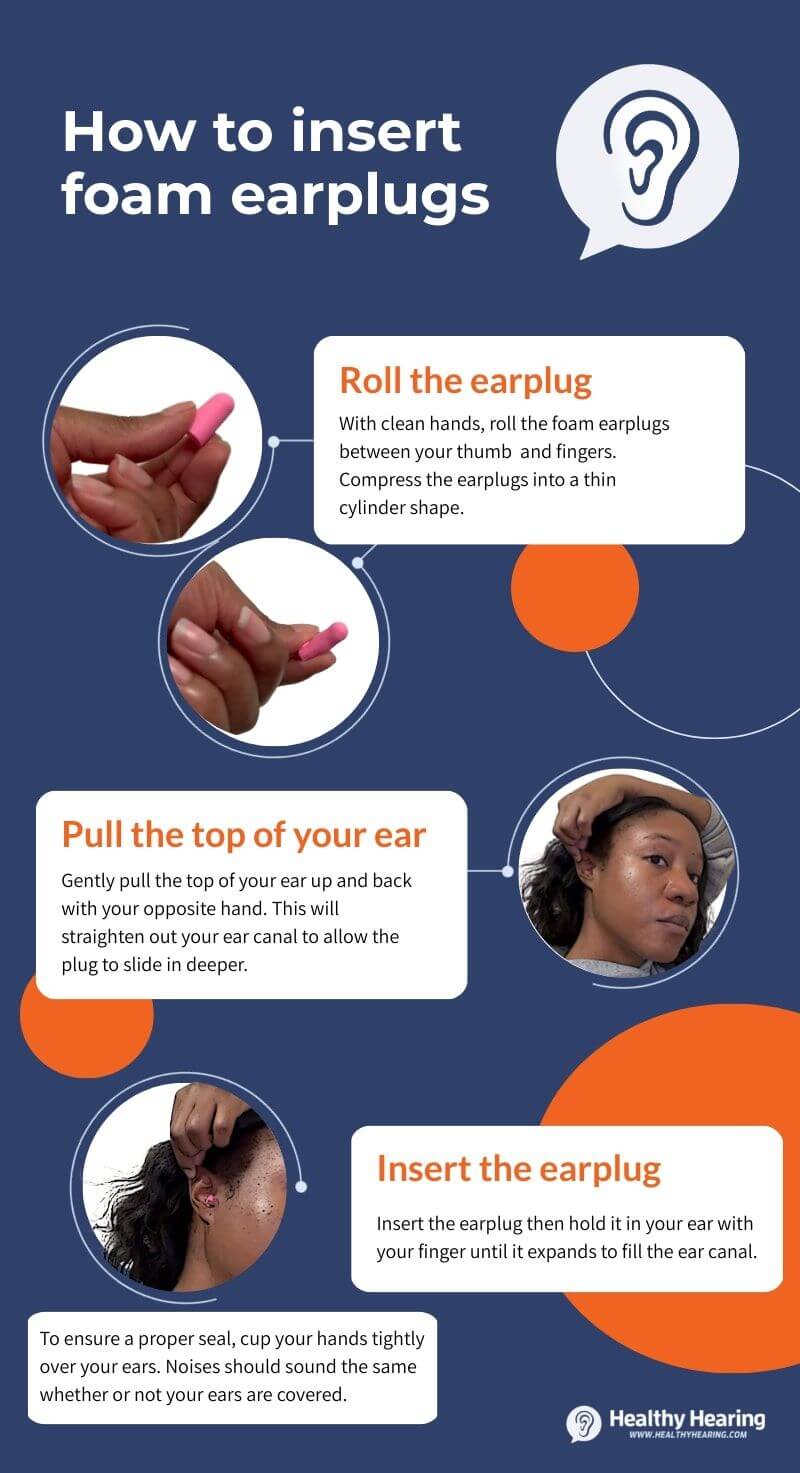
Credit: www.healthyhearing.com
Risks Of Loud Power Tools
Loud power tools produce sounds that can damage your ears. Using ear plugs protects your hearing during work.
Understanding the risks helps you stay safe and avoid permanent hearing loss.
Impact On Hearing
Loud noises from power tools can cause hearing loss over time. The damage may be slow and not noticeable at first.
Exposure to loud sounds can also cause ringing or buzzing in the ears, called tinnitus. This can be very distracting.
- Noise over 85 decibels can harm hearing
- Prolonged exposure increases risk
- Hearing loss is often permanent
- Tinnitus causes constant ear ringing
Common Power Tools With High Noise Levels
Many power tools create loud noise that can damage ears. Knowing which tools are loud helps you prepare.
| Power Tool | Typical Noise Level (dB) |
|---|---|
| Chainsaw | 110 |
| Angle Grinder | 100 |
| Hammer Drill | 95 |
| Table Saw | 90 |
| Leaf Blower | 105 |
Wearing ear plugs while using these tools lowers the risk of hearing damage.

Credit: cpdonline.co.uk
Types Of Ear Plugs
Wearing ear plugs protects your hearing during loud power tool work. Different types of ear plugs fit different needs and comfort levels.
Knowing about foam, silicone, and custom molded ear plugs helps you pick the best protection.
Foam Ear Plugs
Foam ear plugs are soft and expand to fit your ear canal. They block noise well and are usually cheap.
- Made from polyurethane foam
- Disposable and easy to use
- Good for short-term use
- Must be inserted correctly for best fit
Silicone Ear Plugs
Silicone ear plugs are reusable and mold to your ear shape. They can be soft or firm depending on the type.
| Type | Comfort | Noise Reduction | Use |
| Soft Silicone | High | Moderate | Reusable |
| Firm Silicone | Medium | Good | Reusable |
Custom Molded Ear Plugs
Custom molded ear plugs fit your ears perfectly. They offer great comfort and noise blocking but cost more.
- Perfect fit for all-day wear
- Better noise reduction
- Durable and reusable
- Can include filters for specific noise levels
Choosing The Right Ear Plugs
Wearing ear plugs protects your ears from loud power tools. Choosing the right ones is key to safety and comfort.
Not all ear plugs block noise the same way. Some feel better and last longer than others.
Noise Reduction Ratings
Noise Reduction Rating (NRR) shows how much noise ear plugs block. Higher NRR means better protection.
Choose ear plugs with an NRR of at least 25 decibels for loud tools. This level reduces noise to safer amounts.
- NRR 20-25: Good for moderate noise
- NRR 25-33: Best for very loud tools
- NRR below 20: Not ideal for power tools
Comfort And Fit
Comfort matters when wearing ear plugs for long times. Poor fit causes pain or ear damage.
Look for ear plugs made from soft materials. Try different sizes to find the best fit for your ears.
- Foam ear plugs expand to fill ear canals
- Silicone plugs mold to ear shape
- Custom-fit plugs offer the best comfort
Durability And Reusability
Some ear plugs can be used many times. Others are single-use and must be thrown away.
Reusable ear plugs cost more but last longer. Clean them after each use to keep them safe.
- Foam plugs are usually disposable
- Silicone and rubber plugs can be reused
- Check manufacturer cleaning instructions

Credit: cpdonline.co.uk
Proper Ear Plug Insertion
Wearing ear plugs correctly helps protect your hearing during loud power tool work. Proper insertion blocks harmful noise efficiently.
Incorrect use reduces protection and can cause discomfort. Learn how to insert ear plugs the right way.
Step-by-step Insertion Guide
Follow these steps to insert ear plugs safely and comfortably. Each step helps ensure a good fit and noise protection.
- Wash your hands to keep ear plugs clean.
- Roll the ear plug into a tight, thin cylinder.
- Reach over your head with one hand and pull your ear up and back.
- With your other hand, gently insert the rolled ear plug deep into your ear canal.
- Hold the ear plug in place for 20 to 30 seconds to let it expand and seal.
- Check the fit by covering the ear and listening for noise reduction.
Common Mistakes To Avoid
Some errors reduce ear plug effectiveness. Avoid these to protect your ears better during loud work.
- Not rolling the ear plug tightly before insertion.
- Failing to pull the ear up and back to open the ear canal.
- Inserting the ear plug too shallow or unevenly.
- Touching the ear plug with dirty hands before insertion.
- Not holding the ear plug in place long enough to expand.
- Reusing disposable ear plugs beyond their lifespan.
Maintenance And Care
Wearing ear plugs during loud power tool work protects your hearing. Proper care keeps them effective and safe. Regular maintenance extends their life.
Dirty or damaged ear plugs can cause discomfort or infections. Follow simple steps to clean, store, and know when to replace them.
Cleaning Tips
Clean your ear plugs after each use to remove dirt and earwax. Use mild soap and warm water. Avoid harsh chemicals that can damage the material.
- Rinse ear plugs under warm water
- Use mild soap and gently rub them
- Rinse off all soap thoroughly
- Pat dry with a clean towel
- Let them air dry completely before storing
Storage Recommendations
Proper storage keeps ear plugs clean and prevents damage. Store them in a dry, cool place away from dust and sunlight.
| Storage Tip | Reason |
| Use a clean case | Protects from dirt and damage |
| Keep away from heat | Prevents softening or melting |
| Store separately | Avoids tangling or deformation |
| Keep dry | Stops mold and bacteria growth |
When To Replace Ear Plugs
Replace ear plugs if they lose shape, feel sticky, or show cracks. Old plugs may not block noise well and can harm your ears.
- Check plugs before each use
- Replace if damaged or dirty after cleaning
- Follow manufacturer’s recommendations for replacement time
- Never share ear plugs with others
Additional Hearing Protection Tips
Protecting your ears during loud power tool work is very important. Using ear plugs is a good start. There are other ways to keep your hearing safe.
This guide shares extra tips to help you avoid hearing damage. Follow these easy steps for better ear safety.
Using Ear Muffs With Ear Plugs
Wearing ear muffs over ear plugs gives extra protection. The plugs block sound inside the ear canal. The muffs add another layer outside.
- Choose comfortable ear muffs that fit well.
- Make sure the ear plugs are inserted correctly.
- Check the seal of the ear muffs around your ears.
- Use both ear plugs and ear muffs if noise is very loud.
Limiting Exposure Time
Limiting how long you are near loud tools helps protect your ears. Less time means less damage.
| Exposure Time | Safe Noise Level |
| 15 minutes | 100 decibels |
| 1 hour | 90 decibels |
| 8 hours | 85 decibels |
| More than 8 hours | 70 decibels or less |
Regular Hearing Checks
Check your hearing often to catch any problems early. Hearing loss can happen slowly and may not be noticed.
- Visit an audiologist for a hearing test every year.
- Notice any ringing or muffled sounds in your ears.
- Stop using loud tools if you feel ear pain or discomfort.
- Keep a record of your hearing test results.
Frequently Asked Questions
What Are The Benefits Of Wearing Ear Plugs?
Wearing ear plugs during loud power tool work protects your hearing. They help prevent noise-induced hearing loss and reduce tinnitus risk. Ear plugs also enhance focus by minimizing distractions and improve safety by allowing clear communication. Overall, they ensure a healthier and more comfortable work environment.
How Do I Choose The Right Ear Plugs?
Choose ear plugs based on noise reduction rating (NRR) and comfort. Higher NRR offers better protection against loud noises. Consider the material, fit, and any specific features like moisture resistance. Try different types to find what suits your needs and feels comfortable for extended use.
Can Ear Plugs Block All Noise?
Ear plugs significantly reduce noise but don’t block all sounds. They decrease noise levels to a safer range, protecting your hearing. While they minimize loud, harmful sounds, you can still hear essential sounds like alarms or conversations. This balance ensures safety and communication during power tool work.
How Often Should Ear Plugs Be Replaced?
Replace disposable ear plugs after each use for hygiene. Reusable ones should be cleaned regularly and replaced every few months. Inspect for wear and tear, and replace if they become less effective. Regular replacement ensures optimal protection and maintains hygiene during loud power tool activities.
Conclusion
Wearing ear plugs protects your ears from loud noises. It helps prevent hearing loss and ear pain. Choose comfortable, well-fitting plugs for long work sessions. Clean them regularly to keep your ears healthy. Always use ear plugs when operating power tools.
Safe hearing means better work and less risk. Protect your ears every time you work with loud tools. Keep your hearing sharp for years to come. Simple steps make a big difference in ear safety. Don’t forget—your ears need care just like any tool.
