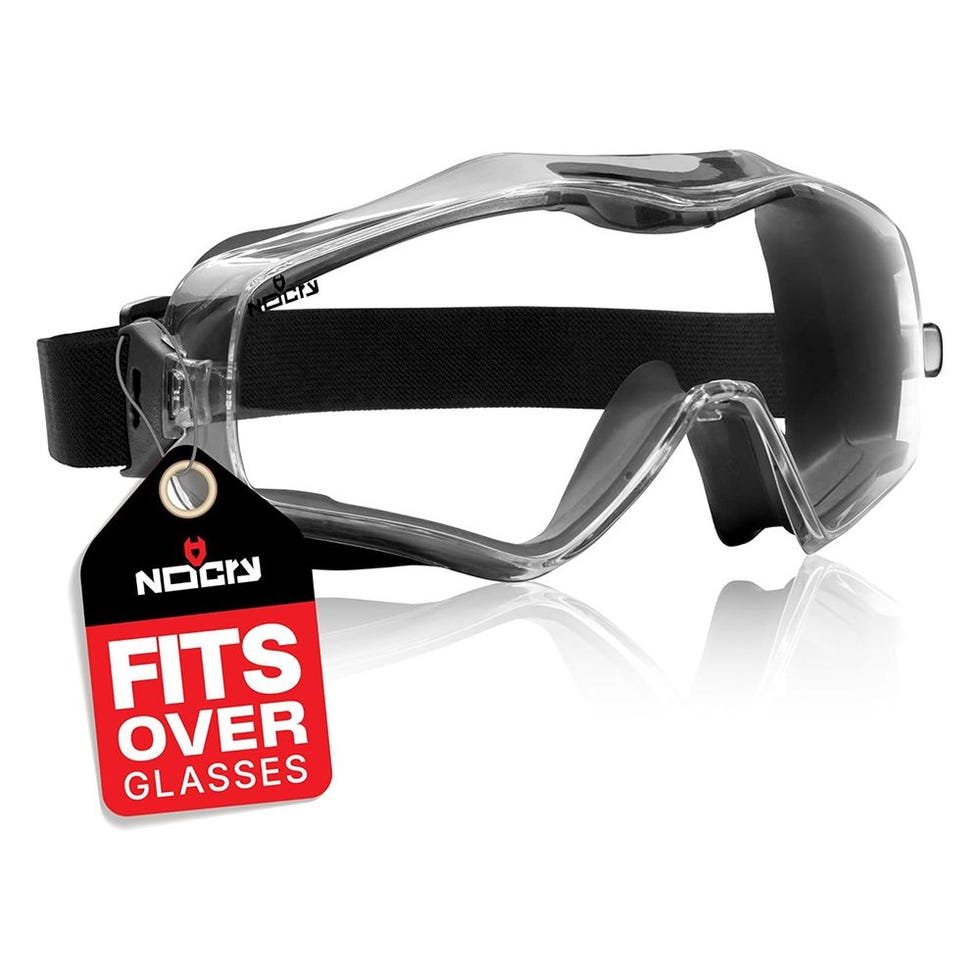
Your safety goggles are more than just a piece of protective gear—they are your first line of defense against hazards. But if they’re dirty, scratched, or foggy, they can block your vision and put you at risk.
Keeping your goggles clean and well-maintained is crucial for your safety and comfort. You’ll discover simple, effective ways to care for your safety goggles so your vision stays clear and your protection stays strong. Ready to see clearly and stay safe?
Let’s dive in.
Choosing The Right Safety Goggles
Safety goggles protect your eyes from dust, chemicals, and flying debris. Choosing the right pair ensures clear vision and comfort during work.
Consider the material, fit, and lens type before buying safety goggles. These factors affect durability and how well they protect you.
Material Matters
Look for goggles made from strong materials like polycarbonate. This material is lightweight and resists impact well.
- Polycarbonate lenses block harmful UV rays
- Plastic frames are flexible and durable
- Rubber seals help keep out dust and liquids
Fit And Comfort
Good fit keeps goggles snug but not tight. Comfortable goggles prevent slipping and reduce pressure on your face.
| Fit Feature | Why It Matters |
| Adjustable straps | Custom fit for different head sizes |
| Soft padding | Prevents skin irritation |
| Ventilation holes | Reduces fogging |
Lens Types
Choose lens types based on your work environment. Different lenses offer protection and clarity for specific tasks.
Common lens types include:
- Clear lenses for general protection
- Tinted lenses to reduce glare
- Anti-fog lenses for humid conditions
- Scratch-resistant coatings for longer use

Credit: www.amazon.in
Daily Cleaning Techniques
Keeping safety goggles clean every day helps you see clearly. Dirt and smudges can block your view and cause accidents.
Use safe and gentle methods to clean your goggles. This keeps the lenses clear and lasts longer.
Safe Cleaning Solutions
Use mild soap and water to clean your goggles. Avoid strong chemicals that can damage the lenses.
- Mix a few drops of mild dish soap in warm water.
- Dip a soft cloth in the solution and gently clean the lenses.
- Rinse with clean water to remove soap.
- Let the goggles air dry or gently pat dry with a soft cloth.
Proper Wiping Methods
Use the right materials to wipe your goggles. Rough cloths or paper towels can cause scratches.
| Material | Use |
| Microfiber Cloth | Safe for wiping lenses |
| Cotton Cloth | Soft, but less effective |
| Paper Towel | Not recommended, may scratch |
| Clothing Fabric | Can have dirt, avoid |
Avoiding Scratches
Scratches reduce vision and can ruin your goggles. Handle them with care to avoid damage.
- Always store goggles in a soft case when not in use.
- Do not place goggles lens-down on surfaces.
- Clean lenses gently without pressing too hard.
- Keep goggles away from sharp objects and rough materials.
Storage Best Practices
Keeping safety goggles in good shape helps you see clearly. Proper storage stops scratches and damage. This guide shows easy ways to store your goggles safely.
Good storage also makes your goggles last longer. Follow these tips to keep your goggles clean and ready to use.
Using Protective Cases
Protective cases stop your goggles from getting scratched or broken. Use a hard or soft case to keep dirt and dust away. Always put your goggles in the case after use.
Choose a case that fits your goggles well. A tight case keeps the goggles from moving inside. This reduces the chance of damage during storage or transport.
Avoiding Heat And Humidity
Heat and humidity can harm safety goggles. They can cause lenses to fog or frames to warp. Store goggles in a cool, dry place to keep them clear and in shape.
Avoid leaving goggles in direct sunlight or near heaters. High heat and moisture reduce the life of your goggles and affect vision quality.
Organizing Multiple Pairs
If you have more than one pair of safety goggles, keep them organized. Use shelves, drawers, or containers to store each pair separately. This prevents scratches from rubbing against each other.
- Label each storage spot for easy access
- Keep goggles clean before storing
- Use dividers or small boxes for separation
- Check stored goggles regularly for damage
Regular Inspection And Maintenance
Safety goggles protect your eyes from hazards. Keeping them clear helps you see well.
Regular checks and care keep goggles in good shape. This prevents damage and discomfort.
Checking For Damage
Look closely at the lenses and frame for cracks or scratches. Damaged parts can blur vision and reduce protection.
- Inspect lenses for scratches or cracks
- Check frame for bends or breaks
- Look for fogging or cloudiness inside lenses
- Ensure vents are clear and not blocked
Replacing Worn Parts
Worn parts reduce safety and comfort. Replace lenses, foam, or other pieces as needed.
| Part | Signs to Replace |
| Lenses | Scratches, cracks, fogging |
| Foam padding | Worn, torn, or missing pieces |
| Frame | Cracks or bent areas |
Maintaining Straps And Seals
Straps keep goggles tight and seals stop dust and liquids. Keep them clean and stretchy.
- Wash straps with mild soap and water
- Check elasticity and replace if loose
- Clean seals to remove dirt and oils
- Ensure seals fit snugly on the face
Handling Fogging Issues
Safety goggles help protect your eyes from dust and chemicals. Fogging can block your view and cause accidents.
Keeping your goggles clear is important for safety. You can use several ways to stop fogging.
Anti-fog Coatings
Many safety goggles come with anti-fog coatings. These coatings reduce moisture buildup on the lenses.
The coating creates a thin layer that stops water drops from forming. This keeps your vision clear for longer.
Diy Anti-fog Solutions
You can make simple anti-fog solutions at home. These help reduce fog inside your goggles.
- Mix water with a few drops of dish soap and apply it on lenses.
- Use a small amount of shaving cream and wipe it off gently.
- Rinse goggles with a vinegar and water solution.
Apply the solution and let it dry before use. Do not use too much or it may blur vision.
Proper Ventilation
Good ventilation helps prevent fog by allowing air to flow inside goggles. This reduces moisture build-up.
Choose goggles with vents or holes. Make sure vents are not blocked during work.
- Wear goggles with side or top vents.
- Avoid tight seals that trap heat and moisture.
- Take breaks to remove goggles and let them air out.

Credit: www.meesho.com
When To Replace Safety Goggles
Safety goggles protect your eyes from dust, chemicals, and flying debris. Keeping them clear is important for good vision.
Knowing when to replace your safety goggles helps keep your eyes safe and your work effective.
Signs Of Wear
Look for scratches, cracks, or loose parts on your goggles. These signs mean the goggles may not protect you well.
- Scratches can blur your vision
- Cracks weaken the lens strength
- Loose straps reduce fit and safety
- Discoloration can affect clarity
Impact On Vision
Damaged goggles make it hard to see clearly. Blurred vision can cause mistakes or accidents.
Replace goggles if you feel strain or see through scratches. Clear vision is key to safety.
Manufacturer Guidelines
Check the instructions from the goggle maker. They give rules on how long to use your goggles.
Follow these guidelines to know when to replace your goggles for the best protection.
- Use-by dates show when to stop using goggles
- Cleaning instructions help keep lenses clear
- Storage tips protect goggles from damage

Credit: www.lasikplus.com
Frequently Asked Questions
How Often Should I Clean Safety Goggles?
Clean safety goggles after each use to maintain clear vision. Use mild soap and water or a lens cleaning solution. Avoid abrasive materials to prevent scratches. Regular cleaning prevents build-up of dirt and fogging, ensuring optimal performance. Proper maintenance extends the lifespan of your goggles.
What Materials Are Best For Cleaning Goggles?
Use a microfiber cloth for cleaning goggles, as it is gentle and effective. Pair it with lens cleaning solutions or mild soap and water. Avoid paper towels and harsh chemicals. These materials can scratch lenses or damage coatings, reducing the effectiveness and clarity of your safety goggles.
How Do I Prevent Goggles From Fogging?
To prevent fogging, use anti-fog sprays or wipes on your goggles. Ensure proper ventilation by adjusting the fit. Keep goggles clean and dry to reduce moisture accumulation. Regular maintenance and using anti-fog solutions help maintain clear vision during use. Consider goggles with built-in ventilation systems for optimal results.
Can Scratched Goggles Be Repaired?
Minor scratches can be minimized using a polishing paste. However, deep scratches often require replacement. Regular maintenance and proper storage can prevent scratches. Avoid placing goggles lens-down and use protective cases. Replacing scratched goggles ensures optimal vision and safety during use, maintaining their effectiveness in protecting your eyes.
Conclusion
Keeping safety goggles clean ensures clear vision every time you wear them. Wipe lenses gently with a soft cloth to avoid scratches. Store goggles in a protective case to prevent damage. Check straps regularly for wear and replace if needed.
Regular care helps goggles last longer and work better. Clear vision means better safety at work or home. Small efforts lead to big benefits in eye protection. Stay safe by taking simple steps to maintain your goggles.