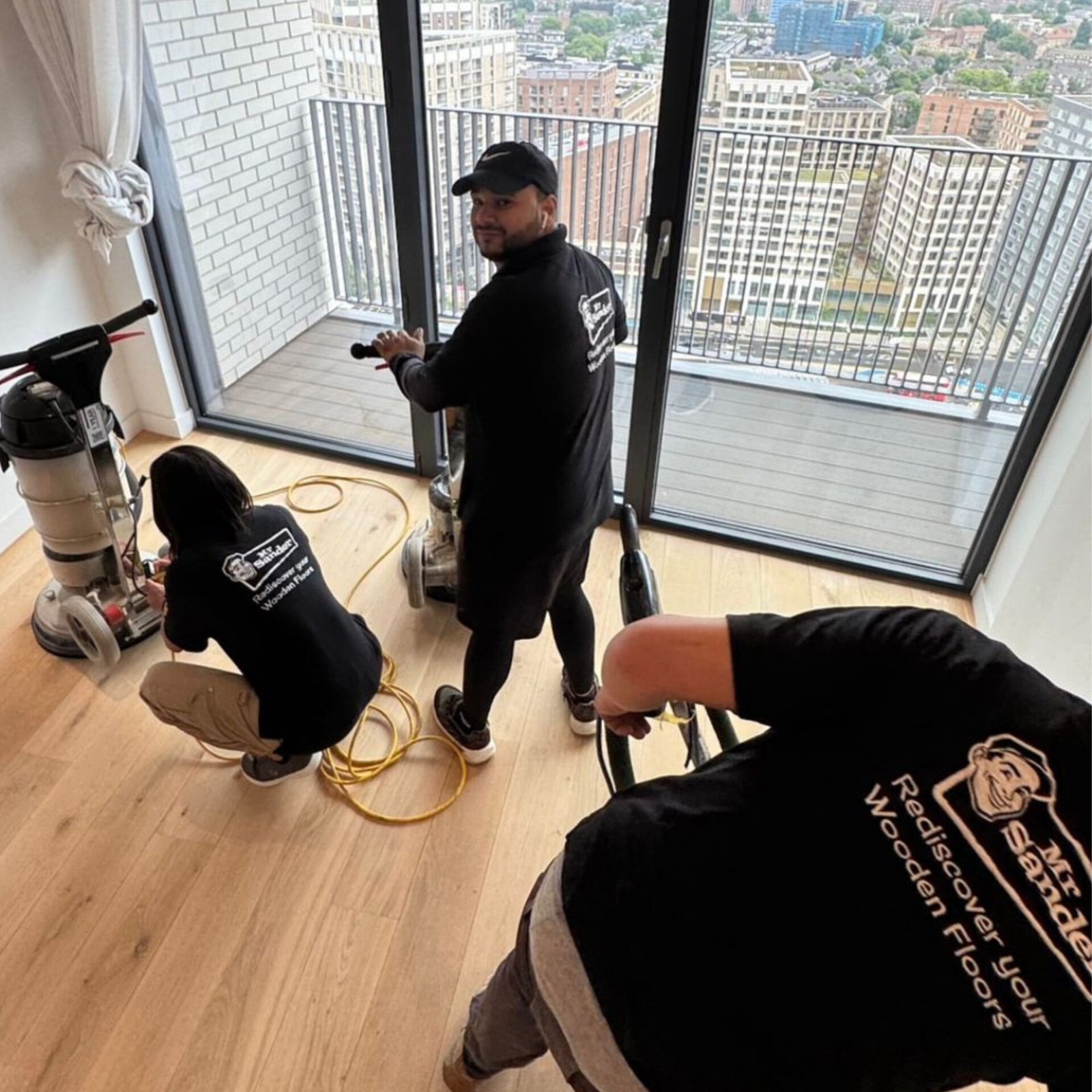
If you’ve ever spent hours sanding a floor, you know how tough it can be on your knees. Using knee pads isn’t just about comfort—it’s about protecting your body so you can work longer and finish the job without pain.
In this guide, you’ll discover how the right knee pads can make a big difference in your floor sanding project. Whether you’re a beginner or a pro, learning how to choose and use knee pads properly will save you discomfort and keep you focused on getting great results.
Keep reading to find out how to protect your knees and work smarter every time you sand a floor.
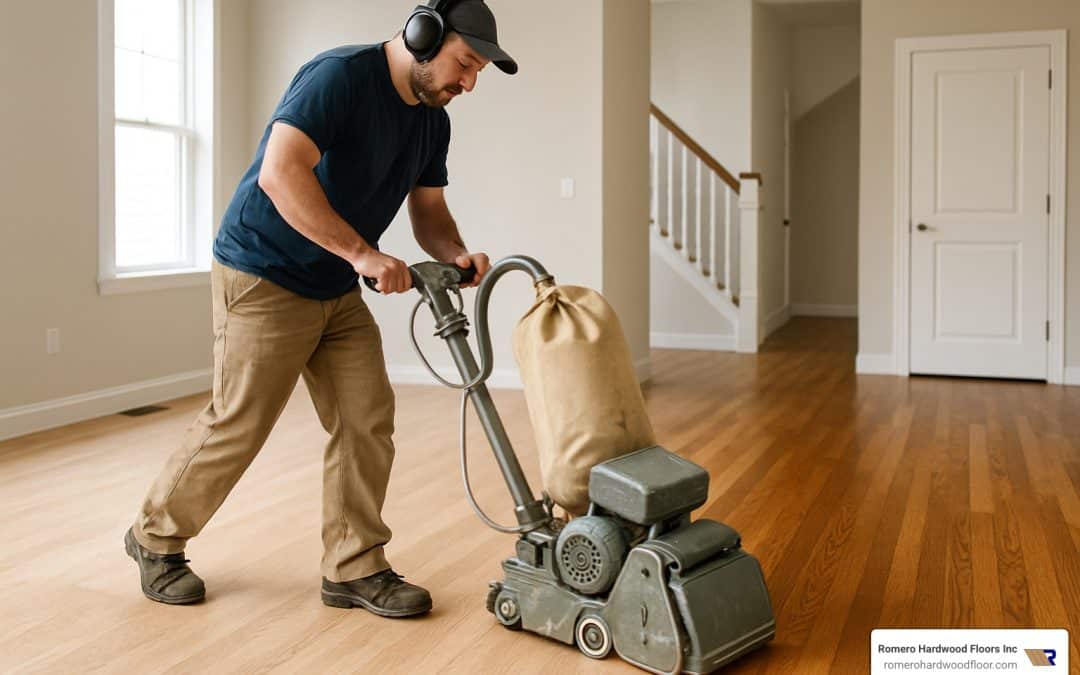
Credit: romerohardwoodfloor.com
Choosing The Right Knee Pads
Knee pads protect your knees during floor sanding. They reduce pain and prevent injury. Picking the right knee pads is important for comfort and safety.
This guide helps you choose knee pads that fit well and last long. It covers types, materials, and size tips.
Types Of Knee Pads
Knee pads come in different styles. Each type offers different protection and comfort.
- Hard-cap knee pads:Have a tough outer shell. Good for rough floors.
- Soft-cap knee pads:Use foam or gel padding. Offer more comfort on smooth floors.
- Strap-on knee pads:Secure with straps. Easy to adjust but may slip.
- Slip-on knee pads:Elastic design. Stay in place but may be tight.
Materials And Durability
Knee pads use different materials for padding and covers. Durable materials last longer during sanding work.
- Foam padding:Soft and lightweight. Good for comfort but may wear out fast.
- Gel padding:Offers extra cushioning. Helps reduce knee strain.
- Plastic or rubber caps:Protect knees from hard surfaces. Resist scratches and damage.
- Neoprene or nylon covers:Provide flexibility and resist tears.
Size And Fit Considerations
Good fit is key for knee pad comfort. Too tight or loose pads cause discomfort and reduce protection.
Measure your knee circumference before buying. Check the size chart of the brand you choose.
- Look for adjustable straps for a secure fit.
- Try pads with elastic material for easier movement.
- Wear knee pads with your work pants to ensure proper fit.
- Make sure pads cover your kneecap fully without blocking movement.
Preparing For Floor Sanding
Using knee pads helps protect your knees during floor sanding. Proper preparation makes the work safer and easier.
Before sanding, check your work area, wear the right safety gear, and arrange your workspace for comfort.
Inspecting Your Workspace
Look around the room to find any hazards. Remove nails, screws, or objects that could cause injury.
Check the floor for cracks or loose boards. Fix or mark these areas before sanding.
- Clear all furniture and rugs
- Remove small objects and debris
- Check lighting to see well
- Look for electrical cords on the floor
Setting Up Safety Gear
Wear knee pads that fit well to protect your knees. Choose ones with good padding and support.
Also wear gloves, a dust mask, and safety glasses to protect your hands, lungs, and eyes.
- Select knee pads with adjustable straps
- Wear a dust mask to avoid breathing dust
- Use gloves for hand protection
- Put on safety glasses to protect eyes
Positioning For Comfort
Place knee pads snugly but not too tight. They should stay in place while you move.
Use a cushion or soft mat under your knees if needed. Keep your body relaxed to avoid strain.
- Adjust straps for a secure fit
- Use extra padding for hard floors
- Take breaks to stretch your legs
- Keep knees and back aligned while sanding
Proper Knee Pad Usage
Knee pads protect your knees during floor sanding. Using them the right way helps prevent pain and injury.
Knowing how to wear knee pads correctly makes your work safer and more comfortable.
Correct Placement On Knees
Place the knee pads directly over your kneecaps. The center of the pad should cover your knee cap fully.
Avoid putting them too high or too low. This keeps your knees protected and reduces pressure points.
Securing Straps And Adjustments
Use the straps to fasten knee pads snugly but not too tight. Tight straps can cut off circulation.
- Wrap straps evenly around your leg
- Adjust straps to prevent slipping
- Check for comfort before sanding
Recheck the fit during breaks. Loose pads can cause discomfort and reduce protection.
Maintaining Mobility
Choose knee pads that allow easy bending and movement. Heavy or bulky pads can slow you down.
Keep your knee pads flexible to work efficiently without strain or stiffness.
Comfort Tips During Sanding
Using knee pads helps protect your knees during floor sanding. Comfort is important to keep working longer and avoid pain.
These tips focus on how to stay comfortable while using knee pads. They help reduce stress on your knees and improve your sanding experience.
Taking Breaks Effectively
Taking breaks helps your knees rest and recover. Stand up and move around to improve blood flow.
Short, frequent breaks work better than long breaks. Try to pause every 20 to 30 minutes during sanding.
- Stand up and stretch your legs
- Walk around for a few minutes
- Change your knee pad position before starting again
Using Cushions Or Supports
Extra cushions can add comfort under knee pads. Soft foam or gel pads work well to reduce pressure.
Make sure cushions fit well and do not slip. Secure them to keep your knees stable during sanding.
- Use gel inserts for extra softness
- Add foam layers if needed
- Check cushion placement often
Managing Pressure Points
Pressure points cause pain and discomfort on your knees. Adjust your knee pads to spread pressure evenly.
Shift your weight from time to time to avoid stress on the same spots. Change your kneeling position regularly.
- Loosen straps to reduce tight spots
- Move knee pads slightly during work
- Use thicker pads if pressure is high
Care And Maintenance
Proper care keeps your knee pads safe and comfortable for floor sanding. Regular maintenance helps them last longer.
Follow simple steps to clean, store, and replace your knee pads when needed. This protects your knees and improves your work.
Cleaning Your Knee Pads
Remove dirt and sweat after each use. Clean knee pads gently to keep their shape and padding.
- Use mild soap and warm water to wipe the surface.
- Avoid soaking them fully to protect padding inside.
- Let them air dry completely before storing.
- Do not use harsh chemicals or bleach.
- Check straps and fasteners for dirt and clean as needed.
Storage Tips
Store knee pads in a dry, cool place away from direct sunlight. Proper storage keeps materials strong and elastic.
| Storage Tip | Reason |
|---|---|
| Keep away from heat sources | Prevents material from drying out and cracking |
| Avoid damp areas | Stops mold and bad odors |
| Store flat or hung up | Maintains shape and prevents creases |
| Use a breathable bag or container | Allows air circulation to keep pads fresh |
When To Replace Them
Check your knee pads often for signs of wear. Replace them if they no longer protect your knees well.
- Padding feels thin or uneven.
- Straps are torn or do not hold tight.
- Material cracks or breaks apart.
- Knee pads cause discomfort or pain.
- Visible damage affects safety during work.
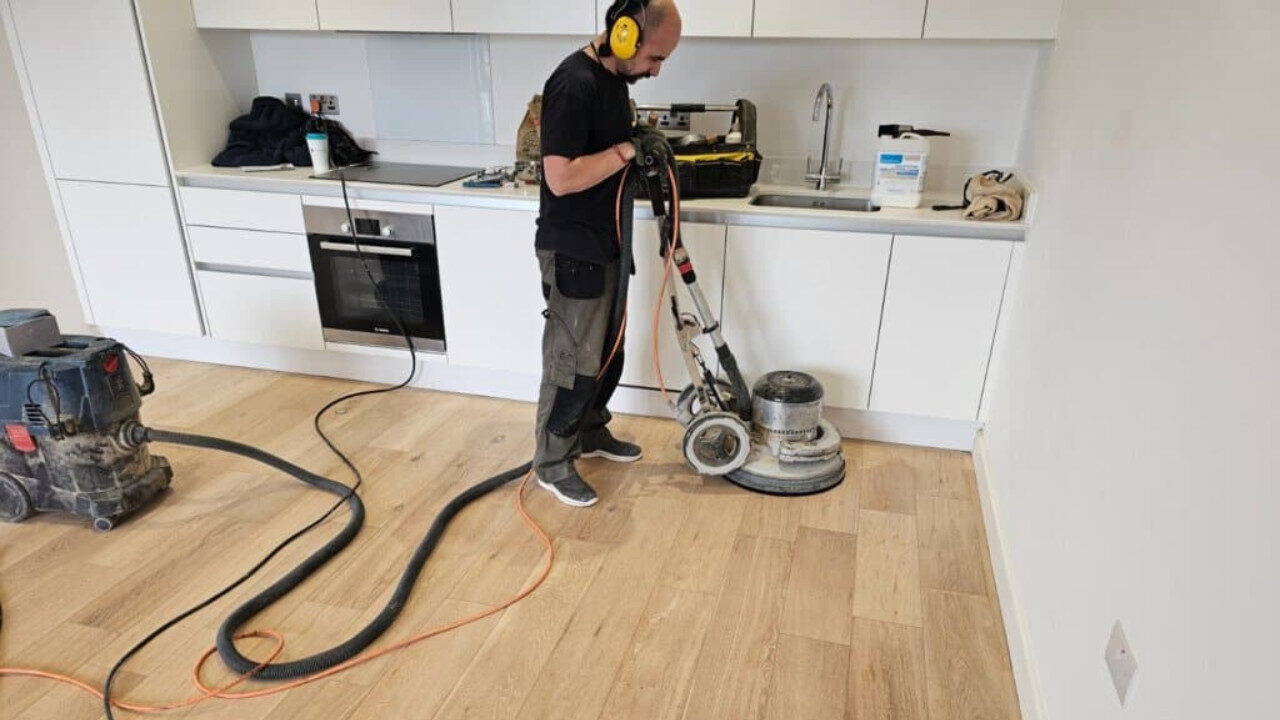
Credit: mrsander.co.uk
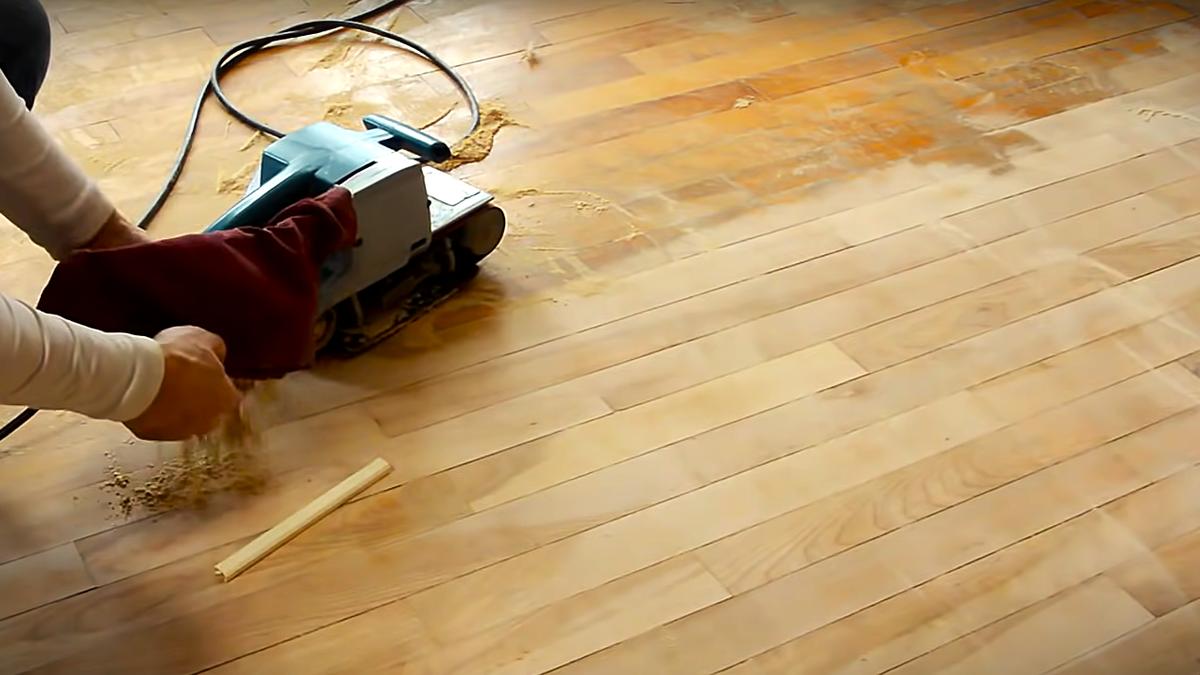
Credit: www.ecohome.net
Frequently Asked Questions
Why Are Knee Pads Important For Floor Sanding?
Knee pads protect your knees from injury and discomfort during floor sanding tasks. They provide cushioning and support, reducing strain and fatigue. This makes it easier to maintain a comfortable position for extended periods. Using knee pads can significantly improve your productivity and safety while sanding floors.
How Do I Choose The Right Knee Pads?
Select knee pads with adequate cushioning and adjustable straps for a secure fit. Ensure they’re made of durable materials that can withstand floor sanding activities. Consider ergonomic designs that provide comfort and flexibility. Properly fitting knee pads will enhance your mobility and protect your knees effectively.
Can Knee Pads Prevent Knee Injuries?
Yes, knee pads can prevent injuries by reducing pressure and providing support during floor sanding. They help distribute weight evenly and protect your knees from hard surfaces. Regular use of knee pads can minimize the risk of chronic knee pain and related conditions, ensuring long-term joint health.
Are There Specific Knee Pads For Floor Sanding?
Yes, specific knee pads are designed for tasks like floor sanding. These often feature heavy-duty materials and enhanced cushioning. Some models include non-slip surfaces for added safety. Choosing knee pads tailored for sanding can improve comfort and efficiency, making them a worthwhile investment for professionals and DIY enthusiasts.
Conclusion
Wearing knee pads makes floor sanding safer and more comfortable. They protect your knees from hard surfaces and reduce pain. Choose pads that fit well and provide enough cushioning. Clean them after use to keep them effective. Good knee pads help you work longer without discomfort.
Keep your knees safe to finish your sanding job well. Small steps like this make a big difference in your project.