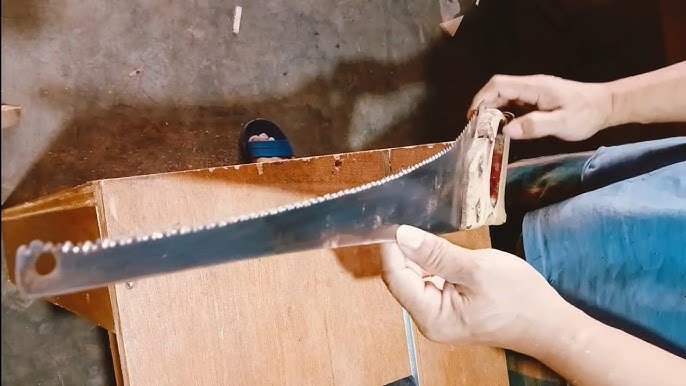
Your hand saw is more than just a tool—it’s your trusted partner in every woodworking project. But what happens when it stops cutting smoothly or the blade gets dull?
Instead of rushing to buy a new one, imagine being able to bring your saw back to life with simple repairs you can do yourself. In this guide, you’ll discover easy, step-by-step tips to fix common hand saw problems quickly.
By the end, you’ll feel confident handling your saw like a pro and save both time and money. Ready to get your hand saw working like new again? Let’s dive in.
Common Hand Saw Issues
Hand saws are simple tools, but they need care to work well. Problems can slow your work or make cuts uneven.
This guide covers common hand saw issues and how to fix them. Knowing these will keep your saw sharp and safe.
Dull Blades
Dull blades make cutting hard and can cause rough edges. The teeth lose their sharp points from use or hitting hard materials.
To sharpen a blade, use a triangular file and follow the angle of the teeth. Keep steady pressure and file each tooth evenly.
Loose Handles
Loose handles reduce control and may cause accidents. They often loosen from heavy use or changes in temperature and moisture.
- Check handle screws or bolts and tighten them with a screwdriver or wrench.
- If the handle is cracked, replace it with a new one made for your saw model.
- Use wood glue for small cracks to add strength and let it dry fully.
Bent Or Damaged Teeth
Bent teeth cause uneven cuts and can get stuck in the wood. They happen when the saw hits nails or hard spots.
| Problem | Fix |
| Bent teeth | Use pliers to gently bend teeth back into place. |
| Broken teeth | Replace the blade if many teeth are missing or broken. |
| Uneven teeth | File teeth evenly for a smooth cut. |
Rust And Corrosion
Rust weakens blades and makes them hard to use. It forms when saws stay wet or are stored in humid places.
To remove rust:
- Soak the blade in white vinegar for a few hours.
- Scrub rust with steel wool or a wire brush.
- Dry the blade well to stop rust from returning.
- Apply light oil to protect the metal.

Credit: www.youtube.com
Tools Needed For Repairs
Fixing a hand saw needs some basic tools. These tools help you sharpen, tighten, and clean the saw. Having the right tools makes the job easier and safer.
Here are the main tools you will need to repair your hand saw properly.
Files And Sharpening Tools
Files help to sharpen the saw teeth and smooth rough edges. You need a few types of files for different tasks. A triangular file is used for sharpening teeth. A flat file smooths the saw blade’s back.
- Triangular file for teeth sharpening
- Flat file for smoothing blade back
- File handle for better grip
- Sharpening guide to keep angle correct
Wrenches And Screwdrivers
Wrenches and screwdrivers help to tighten or loosen screws and bolts on the saw. They are needed to adjust or replace parts. A set of small screwdrivers and an adjustable wrench covers most saw types.
| Tool | Use |
| Flathead screwdriver | Loosen flat screws |
| Phillips screwdriver | Handle cross screws |
| Adjustable wrench | Turn bolts and nuts |
| Hex key | Adjust specific bolts |
Rust Removal Supplies
Rust can damage a saw blade and make it hard to use. You need supplies to remove rust safely. Some supplies also protect the saw after cleaning.
- Steel wool or wire brush to scrub rust
- Sandpaper for light rust spots
- Rust remover liquid for tough rust
- Cloth to wipe clean
- Oil to protect metal parts
Replacement Parts
Sometimes parts need replacing to fix a saw. Handles, screws, and blades are common parts to replace. Having spare parts helps complete repairs fast.
- New saw blade if old one is damaged
- Wood or plastic handle replacements
- Screws and bolts matching your saw
- Washers and nuts for secure fixing
Sharpening Saw Teeth
Keeping your hand saw teeth sharp makes cutting easier and safer. Dull teeth slow your work and can cause damage.
Sharpening saw teeth involves selecting the right tools, using proper filing methods, and checking tooth alignment carefully.
Selecting The Right File
Choose a file that fits the size and shape of your saw teeth. The right file helps you sharpen evenly and prevents damage.
- Use a triangular file for crosscut saws
- Use a flat file for rip saws
- Pick a file with the correct thickness for your saw blade
- Choose a file with fine teeth for a smooth finish
Filing Techniques
File each tooth carefully to keep the saw balanced and sharp. Use steady strokes and keep the file at the right angle.
- Clamp the saw blade securely on a workbench
- Hold the file at about 20 degrees to the tooth face
- File each tooth with the same number of strokes
- Work from one end of the saw to the other to keep consistency
- Check your progress often to avoid over-filing
Checking Tooth Alignment
Correct tooth alignment ensures smooth cutting. Bent or uneven teeth reduce saw efficiency and can cause kickback.
| Check | How to Do It | Why It Matters |
| Tooth Set | Use a saw set tool to adjust teeth angle | Prevents binding in wood |
| Tooth Height | Look along the blade edge to spot uneven teeth | Ensures smooth, even cuts |
| Tooth Straightness | Bend teeth back gently with pliers if needed | Improves cutting accuracy |

Credit: www.youtube.com
Fixing Loose Handles
Loose handles on hand saws make cutting hard and unsafe. Fixing them keeps your saw steady.
Check the handle often. Tighten or replace parts to keep the handle firm and comfortable.
Tightening Screws And Bolts
Loose screws or bolts often cause handles to wobble. Tighten them to secure the handle.
Use the right screwdriver or wrench. Turn screws clockwise until tight but do not over-tighten.
- Find all screws and bolts on the handle
- Check each for looseness by gently moving the handle
- Tighten with a screwdriver or wrench
- Stop when the handle feels firm
Replacing Handle Components
If tightening does not fix the handle, replace worn parts. Old handles can crack or break.
Remove the damaged part carefully. Buy a new handle or parts that fit your saw model.
- Remove screws or nails holding the old handle
- Take off the broken or cracked handle parts
- Fit the new handle or parts in place
- Secure the new handle with screws or bolts
- Check the handle for firmness
Straightening Bent Teeth
Bent teeth on a hand saw reduce its cutting power. Straightening them helps the saw work better.
Fix the teeth carefully to avoid breaking or weakening them further.
Using Pliers Safely
Use needle-nose pliers to bend the teeth back into shape. Grip each tooth gently near its base.
- Wear safety glasses to protect your eyes.
- Do not use too much force; small bends work best.
- Hold the saw steady on a flat surface.
- Bend teeth in the opposite direction of the bend.
- Check alignment frequently to avoid over-correction.
Preventing Further Damage
After straightening, keep your saw in good shape with careful use and storage.
| Action | Reason |
| Store saw in a dry place | Prevents rust and corrosion |
| Use proper cutting technique | Reduces stress on teeth |
| Sharpen saw regularly | Maintains cutting efficiency |
| Avoid hitting hard objects | Prevents bending or chipping |
Removing Rust And Corrosion
Rust and corrosion can damage hand saws and reduce their usefulness. Removing rust helps keep the saw sharp and safe to use.
Use proper methods to clean your hand saw and protect it from future rust. This guide explains easy ways to soak, scrub, and coat your saw.
Soaking And Scrubbing Methods
Soaking the saw blade in a rust remover softens the rust for easy cleaning. After soaking, use a brush or steel wool to scrub off rust and dirt.
- Fill a container with white vinegar or commercial rust remover.
- Submerge the saw blade completely and soak for 6 to 12 hours.
- Remove the blade and scrub with a wire brush or steel wool.
- Rinse the blade with water and dry it fully to stop more rust.
- Repeat if rust remains on the blade.
Protective Coatings
After cleaning, adding a protective coating stops rust from returning. Oils and waxes create a barrier on the metal surface.
| Type of Coating | How to Apply | Benefits |
| Light Machine Oil | Apply with a cloth over the blade | Prevents moisture and rust |
| Paste Wax | Rub on blade and buff to shine | Creates a strong water-resistant layer |
| WD-40 or Similar | Spray evenly and wipe off excess | Stops corrosion and lubricates |
Maintenance Tips For Longevity
Hand saws need care to last a long time. Regular maintenance keeps them sharp and safe. This guide covers key tips to help you maintain your saws well.
Following simple steps can prevent damage and improve your saw’s performance. Let’s explore how to store, clean, and inspect your hand saws properly.
Proper Storage
Store your hand saw in a dry place to stop rust. Keep the blade covered to protect the teeth. Avoid stacking saws on top of each other.
- Use a wall rack or pegboard for hanging saws
- Wrap blades in cloth or plastic sleeves
- Keep saws away from moisture and dirt
- Store handles facing up to avoid damage
Regular Cleaning
Clean your saw after each use. Remove dust, pitch, and sap to keep the blade smooth. Use a brush or cloth for cleaning. Avoid harsh chemicals that harm the metal.
| Cleaning Item | Purpose | Method |
|---|---|---|
| Brush | Remove sawdust and dirt | Soft bristle brush |
| Cloth | Wipe blade clean | Dry or lightly oiled cloth |
| Mineral spirits | Remove sap and pitch | Apply with cloth, then dry |
| Light oil | Protect blade from rust | Apply thin layer after cleaning |
Routine Inspections
Check your saw regularly for damage. Look for bent teeth, loose handles, and rust spots. Fix problems early to avoid bigger repairs later.
- Examine blade teeth for chips or bends
- Test handle tightness and replace if loose
- Remove rust with fine steel wool
- Sharpen dull teeth with a file
- Replace broken parts promptly

Credit: www.youtube.com
Frequently Asked Questions
How Do You Sharpen A Hand Saw?
To sharpen a hand saw, use a triangular file and follow the original teeth pattern. Secure the saw in a vise for stability. File each tooth evenly, maintaining the factory angle. Regular sharpening improves cutting efficiency and extends the saw’s lifespan.
Always wear protective gear when sharpening.
What Tools Are Needed For Saw Maintenance?
Essential tools for saw maintenance include a triangular file, saw set, and vise. A sharpening stone can refine the edges. These tools help maintain sharpness, ensuring efficient cutting. Regular maintenance prolongs the saw’s lifespan and enhances performance. Always follow safety guidelines during maintenance.
Why Is My Hand Saw Not Cutting Straight?
A hand saw might not cut straight if the teeth are uneven or dull. Check for bent teeth or a misaligned blade. Regular sharpening and setting ensure accurate cuts. Proper maintenance helps maintain blade alignment, improving cutting precision. Always inspect your saw before use.
How Do You Fix A Bent Saw Blade?
To fix a bent saw blade, gently straighten it using a wooden block and hammer. Secure the saw in a vise and tap lightly. Be cautious to avoid over-bending. Regular checks prevent severe bending. Proper handling and storage reduce the risk of blade damage.
Conclusion
Repairing hand saws keeps them sharp and ready for work. Regular maintenance saves money and extends tool life. Simple steps like cleaning, sharpening, and tightening make a big difference. You can fix common problems without special tools. Taking care of your saw helps you finish projects faster.
Try these easy repairs to keep your saw in good shape. Practice a little, and you will improve over time. Keep your hand saw ready for every task ahead.