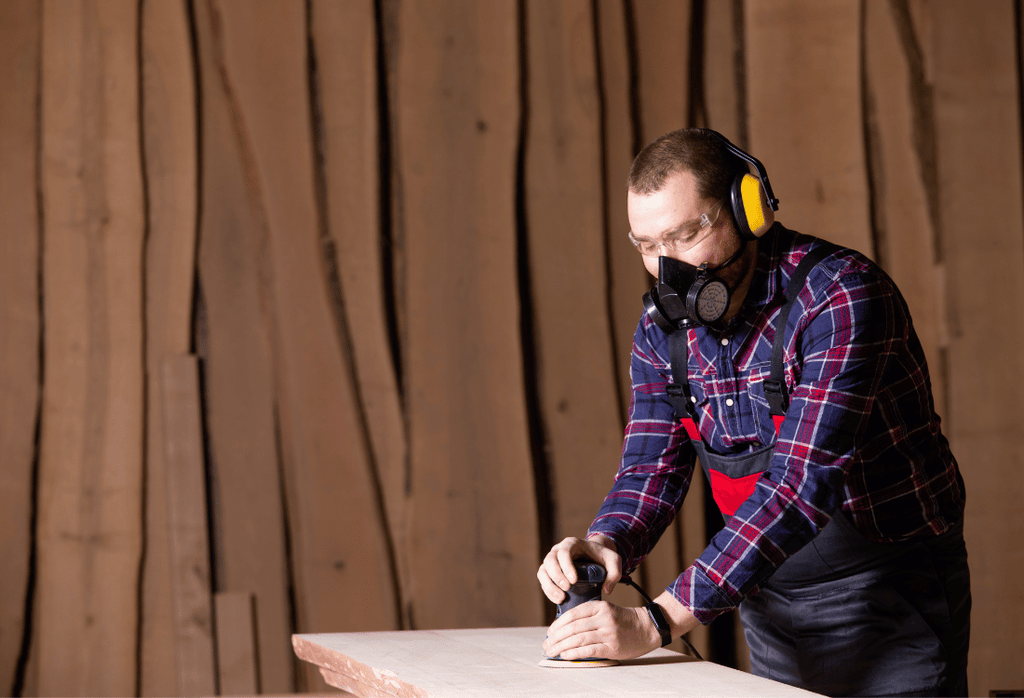
When you’re working with wood, protecting your lungs and eyes is not just important—it’s essential. Full-face respirators offer the best defense against dust, fumes, and harmful particles that can damage your health over time.
But using one the right way can make all the difference between safety and discomfort. You’ll discover simple, practical tips to help you get the most out of your full-face respirator. By following these easy steps, you’ll breathe easier, work smarter, and keep your focus where it belongs—on your woodworking projects.
Keep reading to learn how to stay safe and comfortable every time you pick up your tools.
Choosing The Right Respirator
Woodworking produces dust and fumes that can harm your lungs. Using a full-face respirator helps protect your breathing and eyes.
Picking the right respirator means thinking about the type, filters, and how it fits your face. This guide will help you choose well.
Types Of Full-face Respirators
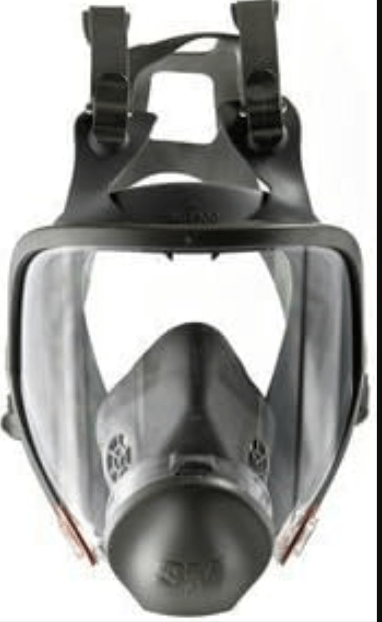
Full-face respirators cover your eyes, nose, and mouth. They protect from dust, chemicals, and splashes.
There are two main types: half-face and full-face. Full-face offers better protection for woodworking dust and flying particles.
- Half-face respirators cover nose and mouth only
- Full-face respirators also protect eyes from dust and debris
- Reusable masks have replaceable filters
- Disposable masks are less protective for woodworking
Filter Selection For Woodworking
Filters clean the air you breathe. Choose filters that block fine dust and wood chemicals.
Look for P100 filters. They stop 99.97% of small dust particles. Some filters also protect against gases from wood finishes.
- P100 filters for dust and particles
- Organic vapor filters for paint and stain fumes
- Combination filters for dust and gases
- Check filter life and replace often
Fit And Comfort Considerations
A good fit stops air leaks and improves safety. The respirator should seal tightly around your face.
Try the respirator on before use. Adjust straps and check if it feels comfortable for long work periods.
- Ensure no gaps between mask and skin
- Adjust straps for firm but comfortable fit
- Choose sizes that fit your face shape
- Look for padded areas to reduce pressure points
- Test fit by covering filters and breathing in

Credit: www.amazon.com
Preparing Your Respirator
Using a full-face respirator for woodworking keeps you safe from dust and fumes. Preparing your respirator properly helps it work well every time.
Before each use, check your respirator carefully. Clean and store it the right way to keep it ready.
Inspecting For Damage
Look over your respirator for cracks, tears, or broken parts. Check the face seal and straps for wear. Replace any damaged parts before use.
- Examine the facepiece for cracks or holes
- Check the head straps for elasticity and tears
- Inspect valves for dirt or damage
- Make sure filters or cartridges are not expired or clogged
Cleaning Before Use
Clean your respirator after every use to remove dust and sweat. Use mild soap and warm water. Avoid harsh chemicals that can damage the material.
Dry your respirator completely before storing it. Keep it away from direct sunlight and heat during drying.
- Remove filters or cartridges before cleaning
- Use a soft cloth or brush to clean hard-to-reach areas
- Rinse well to remove all soap
- Air dry in a clean area
Proper Storage Tips
Store your respirator in a clean, dry place. Keep it away from dust, chemicals, and sunlight. Use a sealed container or bag to protect it.
Avoid storing your respirator in extreme temperatures. Keep it where it will not get crushed or bent.
- Store in a cool, dry environment
- Use a dedicated container to prevent damage
- Keep away from oils and solvents
- Check the respirator before each use for safe storage effects
Wearing The Respirator Correctly
Using a full-face respirator protects your lungs and eyes during woodworking. Wearing it correctly keeps you safe from dust and fumes.
Learn how to adjust the respirator for a tight fit. Check the seal to avoid leaks. Manage fogging to keep clear vision.
Adjusting Straps For A Secure Fit
Start by placing the respirator on your face. Pull the straps evenly on both sides to tighten.
- Loosen all straps before putting on the mask.
- Place the mask over your nose and mouth.
- Tighten the top straps first, then the bottom ones.
- Do not over-tighten; it should feel snug but not painful.
- Move your head to test if the mask stays in place.
Performing A Seal Check
Check the seal every time you wear the respirator. A good seal stops air leaks that can let in dust.
| Seal Check Method | What to Do |
| Positive Pressure | Cover the exhalation valve and gently exhale. The mask should bulge slightly without air leaks. |
| Negative Pressure | Cover the filter inlets and inhale slowly. The mask should collapse slightly without air leaks. |
Managing Fogging And Visibility
Fogging can block your view and cause hazards. Keep your mask clear with these tips.
- Clean the inside of the face shield regularly.
- Use anti-fog sprays or wipes made for respirators.
- Ensure good airflow by checking the air vents.
- Wear a headband or cap to reduce sweat buildup.
- Replace damaged or scratched face shields promptly.
Credit: treecarezone.com
Maintaining Safety During Woodworking
Using a full-face respirator helps protect you from harmful dust and fumes while woodworking. Keeping your respirator in good condition is key for safety. Follow these tips to stay safe and comfortable.
Understanding how to care for your respirator and use it with other safety gear will reduce risks. Let’s explore important safety steps.
Monitoring Filter Life
Filters block dust and particles but wear out over time. Check your filter’s life regularly to know when to replace it. A clogged filter makes breathing harder and lowers protection.
- Look for signs like difficulty breathing or unusual smell.
- Follow the manufacturer’s guide on filter lifespan.
- Replace filters after heavy use or if damaged.
- Keep track of installation dates for each filter.
Handling Dust And Debris
Wood dust can harm your lungs and eyes. Properly handling dust helps keep your workspace safe. Clean your respirator after each use to remove dust and debris.
| Task | Action |
| Removing Dust | Use a soft brush or cloth to clean the mask surface. |
| Cleaning Face Seal | Wipe with a damp cloth and mild soap. |
| Checking Valves | Inspect and replace if stuck or damaged. |
| Storing Respirator | Keep in a clean, dry place away from sunlight. |
Combining Respirators With Other Ppe
Wear your respirator with gloves, safety glasses, and hearing protection. This combination protects you fully while working with wood and machinery.
- Choose gloves that fit well and resist splinters.
- Use safety glasses to shield your eyes from flying debris.
- Wear ear protection to prevent hearing loss from loud tools.
- Ensure all PPE fits comfortably and does not block respirator seals.
Troubleshooting Common Issues
Full-face respirators help protect you during woodworking. Sometimes, you might face small problems using them. Knowing how to fix these issues keeps you safe and comfortable.
This guide covers how to handle discomfort, breathing problems, and worn-out parts in your respirator.
Dealing With Discomfort
Wearing a full-face respirator for a long time can cause discomfort. Tight straps may hurt your head or face. The mask can feel heavy or cause pressure points.
Adjust the straps to find a good fit. Make sure the mask sits evenly on your face without gaps. Take breaks if you feel any pain or irritation.
- Loosen or tighten straps slowly
- Use soft padding if needed
- Clean the mask regularly to avoid skin irritation
- Try different sizes for a better fit
Addressing Breathing Difficulties
Breathing should feel easy when wearing the respirator. If you feel short of breath, the filters might be clogged. Check for blockages or dirty filters.
Replace filters often and keep the valves clean. Make sure you are using the right filters for woodworking dust and fumes.
- Inspect filters before each use
- Replace filters if breathing feels hard
- Clean exhalation valves regularly
- Use filters rated for woodworking protection
Replacing Worn Components
Parts of your respirator can wear out with use. Straps may lose elasticity. Seals and facepieces can crack or break. Worn parts reduce protection.
Check your respirator regularly. Replace any damaged or old parts. Use only parts made for your respirator model to keep it working well.
- Look for cracks or tears in the facepiece
- Replace worn or loose straps
- Change filters and cartridges as recommended
- Keep spare parts handy for quick replacement

Credit: parcilsafety.com
Extending Respirator Lifespan
Full-face respirators protect your lungs during woodworking. Taking care of them helps keep them working well. This saves money and keeps you safe.
Follow simple tips to keep your respirator clean and ready for use. Proper care extends its lifespan and ensures good performance.
Routine Maintenance
Check your respirator before and after use. Look for cracks, tears, or worn parts. Replace damaged filters and parts right away.
- Inspect straps and face seals for damage.
- Test the fit to ensure a tight seal.
- Change filters according to the manufacturer’s instructions.
- Keep a maintenance log to track repairs and replacements.
Safe Cleaning Practices
Clean your respirator after each use to remove dust and dirt. Use mild soap and warm water. Avoid harsh chemicals that can damage materials.
Steps to clean your respirator safely:
- Remove filters and cartridges before cleaning.
- Wash the facepiece with mild soap and warm water.
- Use a soft brush to clean hard-to-reach areas.
- Rinse thoroughly with clean water.
- Let the respirator air dry completely before storage.
Storage Environment Tips
Store your respirator in a clean, dry place away from sunlight. Avoid extreme temperatures that can cause damage.
| Storage Condition | Recommendation |
| Temperature | Keep between 50°F and 86°F (10°C to 30°C) |
| Humidity | Store in low humidity to prevent mold |
| Light | Keep away from direct sunlight |
| Placement | Use a sealed container or bag |
Frequently Asked Questions
What Are The Benefits Of Full-face Respirators?
Full-face respirators offer comprehensive protection for both the eyes and respiratory system. They shield against dust, wood particles, and harmful fumes. This protection reduces the risk of respiratory issues and eye irritation. Additionally, they provide a clear view of the work area, enhancing safety and precision during woodworking projects.
How Do I Choose The Right Respirator Size?
Choosing the correct respirator size is crucial for effective protection. Measure your face and refer to the manufacturer’s sizing chart. A proper fit ensures a secure seal, preventing contaminants from entering. Test the fit by checking for any air leaks.
An ill-fitting respirator can compromise safety and effectiveness.
How Often Should I Replace Respirator Filters?
Respirator filters should be replaced regularly, typically every 40 hours of use or sooner if breathing resistance increases. Factors like humidity, dust concentration, and filter type can affect lifespan. Always follow the manufacturer’s recommendations for replacement. Timely filter changes maintain optimal protection and ensure the respirator functions effectively.
Can Full-face Respirators Be Used With Glasses?
Yes, full-face respirators can be used with glasses, but ensure compatibility. Some models have built-in spectacle kits or adapters. These prevent fogging and ensure a secure fit. Always check for air leaks around the glasses. Proper fit and compatibility enhance protection and comfort for users with corrective eyewear.
Conclusion
Using a full-face respirator keeps you safe during woodworking. It blocks dust and harmful particles from your lungs. Always check the fit before starting work. Clean and store the respirator properly after use. Replace filters regularly for the best protection.
Breathing clean air helps you focus and work better. Safety should always come first in your workshop. Stay protected, stay healthy, and enjoy your woodworking projects.