If you spend long hours working on your knees, you know how tough it can be to stay comfortable and protected. Wearing knee pads is one of the smartest moves you can make to save your joints and boost your efficiency.
But are you using them the right way? You’ll discover simple tips that will help you wear knee pads correctly, so you can work longer without pain or distraction. Keep reading to learn how to protect your knees and make your carpentry projects easier and safer.

Credit: www.reddit.com
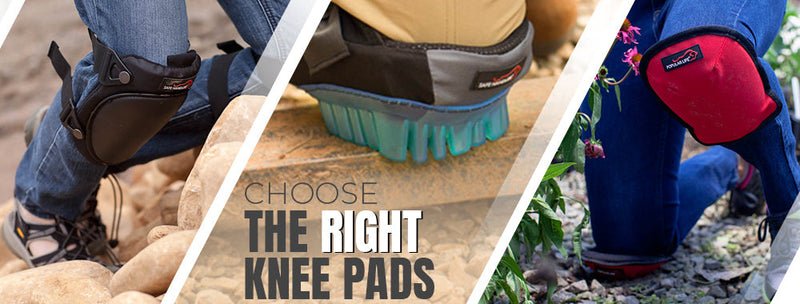
Choosing The Right Knee Pads
Wearing knee pads is important for carpenters to protect their knees. Picking the right knee pads can make work easier and safer.
Good knee pads fit well and last long. They also give comfort during long hours of work.
Material Types And Their Benefits
Knee pads come in different materials. Each type has benefits for carpentry tasks.
- Foam:Soft and lightweight, foam offers good cushioning.
- Gel:Gel pads absorb shock well and reduce pressure on knees.
- Hard Plastic:Provides strong protection on rough surfaces and sharp objects.
- Neoprene:Flexible and water-resistant, good for wet conditions.
Sizing And Fit Tips
Proper size and fit are important for comfort and safety. Knee pads that are too tight or loose can cause pain.
Measure your knee circumference before buying. Check if straps are adjustable for a better fit.
- Choose knee pads that stay in place while moving.
- Look for padding that covers the entire knee area.
- Try knee pads on with your work clothes for best fit.
Features To Look For
Some features make knee pads better for carpentry. Look for these to get the most use.
- Adjustable Straps:Allow a secure and comfortable fit.
- Non-slip Surface:Keeps you stable on smooth or rough floors.
- Breathable Material:Helps keep your knees cool and dry.
- Durability:Strong materials last longer under tough work conditions.
Preparing Your Knees
Wearing knee pads protects your knees during carpentry work. Preparing your knees properly helps prevent discomfort and injury. Follow these tips to care for your skin and muscles before using knee pads.
Good knee preparation keeps you comfortable and lets you work longer. Start with clean, healthy skin and finish with simple stretches.
Cleaning And Moisturizing Skin
Clean skin reduces the risk of irritation under knee pads. Use mild soap and warm water to wash your knees before work. Dry your skin gently to avoid redness.
- Wash knees with gentle soap
- Rinse thoroughly to remove all soap
- Pat dry with a soft towel
- Apply a light moisturizer to prevent dryness
- Let moisturizer absorb before wearing knee pads
Using Protective Barriers
Protective barriers stop sweat and friction from hurting your skin. Use thin barriers like knee sleeves or soft cloth under your knee pads.
| Barrier Type | Benefits |
| Thin Knee Sleeves | Absorb sweat and reduce rubbing |
| Soft Cloth Wrap | Provides extra padding and comfort |
| Moisture-Wicking Fabric | Keeps skin dry during long work hours |
Stretching Before Work
Stretching warms up your knee muscles and joints. It lowers the chance of pain while kneeling and wearing pads.
- Stand and slowly bend each knee forward
- Hold the stretch for 15 seconds
- Straighten legs and rotate ankles gently
- Repeat the stretches two times on each leg
- Start working after muscles feel loose
Proper Wearing Techniques
Wearing knee pads correctly helps protect your knees during carpentry. It also keeps you comfortable while you work.
Follow these tips to wear your knee pads the right way. This will give you better support and prevent injuries.
Positioning The Pads Correctly
Place the knee pads so the hard cap covers the kneecap fully. The pad should sit just below your thigh and above your calf.
Make sure the padding is centered on your knee. This avoids pressure points and keeps the pad from slipping.
Securing Straps Without Discomfort
Fasten the straps firmly but not too tight. Too tight straps can cut off circulation and cause pain.
- Check that straps lay flat without twisting
- Adjust straps to avoid pinching skin
- Use padding under straps if needed for comfort
- Re-tighten straps after moving or bending
Adjusting For Movement
Knee pads should move with your legs but not slide down. Adjust straps and position to allow bending and kneeling.
| Activity | Adjustment Tip |
| Kneeling | Tighten straps slightly to keep pads in place |
| Bending | Loosen straps a bit for comfort and flexibility |
| Walking | Secure straps firmly to avoid slipping |
Maintaining Knee Pad Comfort
Wearing knee pads can protect your knees during carpentry work. Comfort is key to keep using them all day.
This guide helps you manage comfort by dealing with sweat, adjusting padding, and taking breaks.
Managing Sweat And Odor
Sweat can build up inside knee pads and cause odor. Keep pads fresh by cleaning them often.
- Use knee pads with breathable materials
- Wear moisture-wicking knee pad covers
- Air out knee pads after use
- Wash removable pads regularly
- Store pads in a dry place
Padding Adjustments During Long Tasks
Long carpentry tasks need padding that fits well. Adjust knee pads to avoid pain and pressure.
| Adjustment | Purpose |
| Tighten straps | Keep pad in place |
| Loosen straps | Reduce tight pressure |
| Shift pad position | Protect different knee areas |
| Add extra padding | Increase comfort |
Taking Breaks And Relieving Pressure
Resting your knees helps reduce pain. Take breaks to relieve pressure during work.
- Remove knee pads during breaks
- Stretch your legs and knees
- Change kneeling positions often
- Use soft mats under pads if possible
Ensuring Maximum Safety
Wearing knee pads is important for carpenters to protect their knees. Proper use of knee pads helps prevent injuries and discomfort.
To stay safe, you must check your knee pads often. Using other safety gear also adds protection during work.
Inspecting For Wear And Tear
Look closely at your knee pads before each use. Check the straps, padding, and outer shell for cracks or thinning.
- Ensure straps are not loose or broken
- Look for holes or tears in the padding
- Check if the outer surface is worn down
- Make sure the pads still fit snugly
Replacing Old Or Damaged Pads
Old or damaged knee pads do not protect well. Replace them if you find any of these signs:
| Damage Type | Reason to Replace |
| Broken straps | Pads can slip off easily |
| Worn padding | Less shock absorption |
| Cracked shell | Reduced impact protection |
| Loose fit | Pads may move during work |
Complementary Safety Gear
Knee pads work best with other safety gear. Use items that protect your whole body.
- Safety glasses to protect eyes
- Work gloves for hand safety
- Steel-toed boots to shield feet
- Hearing protection against loud noise

Credit: www.amazon.com
Cleaning And Storing Knee Pads
Knee pads protect your knees during carpentry work. Keeping them clean and stored well helps them last longer. Dirty or wet pads can cause discomfort and damage.
Learn how to wash, dry, and store your knee pads properly. These tips help keep your pads safe and ready for work.
Washing Instructions
Remove any loose dirt from your knee pads before washing. Use mild soap and warm water to clean them by hand. Avoid harsh detergents that can damage the material.
If your knee pads are machine washable, use a gentle cycle. Put them in a laundry bag to protect the padding. Do not use bleach or fabric softeners.
- Brush off dirt before washing
- Use mild soap and warm water
- Hand wash or gentle machine cycle
- Do not use bleach or softeners
- Rinse thoroughly to remove soap
Drying And Storage Tips
After washing, air dry your knee pads in a shaded area. Avoid direct sunlight or heat sources that can warp the pads. Do not use a dryer as high heat harms the material.
Store your knee pads in a cool, dry place. Keep them flat or hang them to keep their shape. Avoid storing them in damp or dirty areas to prevent mold and bad smells.
- Air dry in shade, no direct sun
- Never use a clothes dryer
- Store in cool, dry place
- Keep flat or hang to keep shape
- Avoid damp or dirty storage spots
Extending Pad Lifespan
Regular cleaning and proper storage extend your knee pads’ life. Check for wear and tear often. Replace pads if the cushioning becomes thin or cracked.
Use knee pads only for carpentry work. Avoid walking on rough surfaces with them to reduce damage. Keep them dry and clean after each use.
- Clean and dry after every use
- Inspect for damage regularly
- Replace when cushioning wears out
- Use only for carpentry tasks
- Avoid walking on rough surfaces

Credit: www.reddit.com
Frequently Asked Questions
How Do Knee Pads Benefit Carpenters?
Knee pads provide essential protection for carpenters by cushioning the knees during prolonged kneeling tasks. They help prevent injuries and discomfort, allowing carpenters to work more efficiently. With the right knee pads, carpenters can maintain better posture, reduce strain, and increase productivity over time.
Comfort and safety are key benefits.
What Features Should I Look For In Knee Pads?
When selecting knee pads, prioritize comfort, durability, and adjustability. Look for pads with thick cushioning and non-slip straps for secure fitting. Breathable materials will ensure comfort during long hours of wear. Also, consider lightweight designs to avoid fatigue. Choose knee pads that meet your specific carpentry needs and preferences.
How Do I Properly Wear Knee Pads?
To wear knee pads correctly, position them directly over your kneecaps. Secure the straps snugly but not too tight to ensure comfort. Adjust them as needed throughout the day to maintain proper fit. Make sure they’re not slipping or causing discomfort during movement.
Proper placement ensures maximum protection and efficiency.
Can Knee Pads Prevent Long-term Knee Issues?
Yes, knee pads can help prevent long-term knee issues by reducing pressure and impact on your knees. They provide cushioning that absorbs shock and minimizes strain during kneeling tasks. Consistent use of quality knee pads can significantly lower the risk of developing chronic knee problems.
Prioritize protection to maintain knee health.
Conclusion
Wearing knee pads makes carpentry work safer and more comfortable. Choose pads that fit well and protect your knees properly. Take time to adjust straps for a secure hold. Clean and check your knee pads regularly to keep them effective.
Protecting your knees helps you work longer without pain. Simple tips can improve your comfort and safety on the job. Keep these easy steps in mind every time you start working. Your knees will thank you later.