Are you struggling to get smooth, clean cuts with your woodworking planes? The secret to perfect results lies in one simple skill: sharpening your planes correctly.
When your blades are sharp, your work becomes easier, faster, and more precise. But if your planes are dull, frustration builds, and your projects suffer. In this guide, you’ll discover easy, step-by-step methods to sharpen your woodworking planes like a pro.
By the end, you’ll have the confidence and know-how to keep your tools in top shape, making every woodworking project a true pleasure. Keep reading, and unlock the full potential of your planes today!
Choosing The Right Sharpening Tools
Sharpening woodworking planes keeps your tools effective and safe. Choosing the right sharpening tools helps you get a sharp and smooth edge.
Different tools serve different parts of the sharpening process. Knowing what to use makes your work easier and faster.
Whetstones And Grit Levels
Whetstones come in many grit levels, from coarse to very fine. Coarse grits fix chips or dull edges. Medium grits shape the blade. Fine grits polish the edge.
- Coarse grit (200-400): removes metal fast
- Medium grit (800-1200): shapes and sharpens
- Fine grit (3000+): polishes and refines edge
Honing Guides And Jigs
Honing guides and jigs hold the blade steady at the right angle. They help keep the sharpening consistent. This tool is useful for beginners and experts alike.
| Type | Use | Benefit |
| Basic honing guide | Manual sharpening | Simple and affordable |
| Adjustable jig | Precision angle control | Sharper edges |
| Magnetic guide | Holds blade firmly | Easy blade placement |
Strops And Polishing Compounds
Strops remove tiny burrs left after sharpening. Polishing compounds on the strop improve the smoothness. Together, they give the blade a fine, sharp finish.
- Use leather or canvas strops
- Apply polishing compound like chromium oxide
- Pull blade gently across the strop
- Repeat until edge is smooth and shiny

Credit: woodworkersinstitute.com
Preparing The Plane Blade
Sharpening a woodworking plane blade starts with proper preparation. Getting the blade ready ensures a clean and sharp edge.
This part covers removing the blade safely and checking the blade’s condition before sharpening.
Removing The Blade Safely
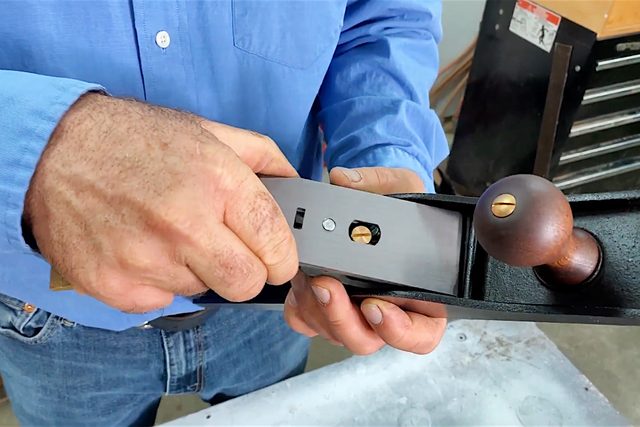
Take care when removing the plane blade. A sharp blade can easily cut your fingers if handled carelessly.
Use the right tools and follow these tips to avoid injury and damage to the blade.
- Wear protective gloves to avoid cuts.
- Loosen the lever cap or screws holding the blade.
- Hold the blade firmly by the dull edge, not the sharp edge.
- Remove the blade slowly and place it on a safe surface.
- Keep small parts like screws in a container to avoid loss.
Cleaning And Inspecting The Edge
After removal, clean the blade to remove dirt, resin, and rust. A clean blade sharpens more evenly.
Look closely at the blade edge to check for damage or wear before sharpening.
- Use a soft cloth and mild cleaner to wipe the blade.
- Remove rust spots with fine steel wool or a rust remover.
- Inspect the edge for chips, cracks, or dents.
- Check if the blade is flat and free of warps.
- Replace the blade if damage is too severe to fix.
Sharpening Techniques
Sharpening woodworking planes is important for smooth cuts. Sharp blades help you work faster and safer.
Using the right sharpening techniques keeps your tools in good shape. It also makes your woodworking better.
Setting The Correct Bevel Angle
The bevel angle affects how the blade cuts the wood. Most planes use a 25 to 30-degree bevel angle.
Keep the angle steady while sharpening to get a sharp edge. Use a guide if needed to hold the angle right.
- Common bevel angles are 25°, 30°, or 35°
- Steeper angles cut harder wood better
- Lighter angles work well on soft wood
Using Whetstones Effectively
Whetstones sharpen blades by grinding the metal. Start with coarse stones and move to fine stones.
Keep the whetstone wet with water or oil to reduce friction. This helps the blade sharpen evenly.
- Use coarse grit (around 1000) for dull blades
- Use medium grit (3000-5000) to refine the edge
- Use fine grit (8000+) for a smooth, sharp finish
- Keep the stone flat for even sharpening
Maintaining Consistent Pressure
Apply steady pressure when moving the blade on the whetstone. Too much pressure can damage the blade.
Use the same pressure on each stroke to sharpen evenly. This helps keep the bevel angle correct.
- Use light to medium pressure for control
- Press harder only when removing chips or nicks
- Keep your hand steady and consistent
Honing For A Razor-sharp Edge
Honing is a key step to sharpen woodworking planes. It improves the blade’s edge for smooth cuts.
Using the right tools and techniques helps you get a sharp, long-lasting edge.
Using A Honing Guide
A honing guide holds the blade steady while you sharpen. It keeps a consistent angle.
Using a guide reduces mistakes and helps you sharpen evenly along the edge.
- Secure the blade in the honing guide firmly
- Set the guide to the correct sharpening angle
- Move the blade across the sharpening stone evenly
- Check the edge regularly for sharpness
Polishing With A Leather Strop
After honing, polish the blade on a leather strop. This removes tiny burrs and smooths the edge.
Use light pressure and pull the blade backward on the strop for a fine finish.
- Apply a stropping compound for better polishing
- Keep the blade angle flat on the strop
- Repeat until the edge feels very smooth
- Test sharpness by gently slicing wood shavings
Testing And Adjusting The Blade
Sharpening a woodworking plane blade is not complete without testing it. Checking the blade’s sharpness ensures smooth cuts. Adjusting the blade alignment helps the plane work properly.
Testing and adjusting the blade takes time but improves your tool’s performance. Careful steps will make your plane cut cleanly and safely.
Checking Sharpness
Test the blade’s sharpness by cutting a piece of soft wood. A sharp blade will slice easily without tearing the wood fibers. If the cut feels rough or the blade skips, it needs more sharpening.
You can also check sharpness by carefully feeling the blade edge. It should feel smooth and keen, not dull or chipped. Use caution when touching the blade to avoid cuts.
- Cut soft wood to test smoothness
- Look for clean, even shavings
- Feel the edge carefully for smoothness
- Repeat sharpening if cuts are rough
Fine-tuning The Blade Alignment
Proper blade alignment helps the plane cut evenly and safely. The blade should stick out just enough to shave wood without digging in. Check the blade from the front of the plane to see if it is centered.
Adjust the blade by loosening the lever cap and moving the blade slightly. Tighten the cap and test the cut again. Repeat until the blade is aligned and cuts smoothly across the wood.
- Loosen the lever cap to move the blade
- Center the blade in the mouth of the plane
- Set blade depth for smooth shavings
- Tighten the cap securely after adjustment
- Test cut and adjust if needed
Common Sharpening Mistakes To Avoid
Sharpening woodworking planes is key for smooth cuts. Doing it wrong can harm your tools and work.
Learn these common mistakes to keep your plane blades sharp and effective.
Over-removing Metal
Removing too much metal from the blade shortens its life. It also wastes time and effort.
Focus on removing only what is needed to restore the edge. Keep checking the blade often.
Ignoring Bevel Angle Consistency
The bevel angle affects how the blade cuts wood. If the angle changes, the cut quality drops.
- Use a guide to keep the angle steady.
- Measure the angle before and after sharpening.
- Practice on spare blades to improve your skill.
Skipping Regular Maintenance
Neglecting regular sharpening leads to dull blades and poor results. It also strains your hands.
| Maintenance Task | Recommended Frequency |
| Honing the edge | Before each use |
| Full sharpening | After heavy use or damage |
| Cleaning and oiling | Monthly |
Maintaining Sharpness Between Uses
Keeping your woodworking planes sharp helps you work faster and better. Sharp tools cut cleanly and safely. It is important to care for your plane blades after each use.
Regular maintenance stops the blade from getting dull quickly. Small efforts between uses can save time on big sharpening sessions later.
Proper Storage Techniques
Store your planes in a dry place to stop rust and damage. Keep blades away from moisture and dust. Use protective covers or cases if you can.
Position the plane so the blade does not touch hard surfaces. This helps keep the edge sharp and safe from nicks.
- Wipe the blade clean and dry before storage
- Use rust-preventive oil on the blade surface
- Keep planes in a toolbox or cabinet with low humidity
- Store with the blade retracted or covered
- Avoid stacking planes directly on top of each other
Quick Touch-up Methods
Touching up the blade edge regularly keeps it sharp longer. Use a fine sharpening stone or honing guide for quick fixes. Light strokes are enough to refresh the edge.
You can also use a leather strop to polish the blade. This removes tiny burrs and smooths the edge without removing much metal.
- Use a fine grit whetstone for quick sharpening
- Apply light pressure and keep the angle steady
- Strop the blade on leather with polishing compound
- Check sharpness by slicing thin wood shavings
- Repeat touch-ups as needed before your next project

Credit: paulsellers.com
Credit: www.familyhandyman.com
Frequently Asked Questions
How Do You Sharpen A Woodworking Plane Blade?
To sharpen a woodworking plane blade, start by removing it from the plane. Use a honing guide for consistent angles. Begin with coarse grit, progress to finer grits, and finish with a sharpening stone. Ensure even pressure and consistent strokes.
Regularly check the blade’s sharpness and maintain it for optimal performance.
What Tools Are Needed For Sharpening Planes?
To sharpen planes, you need sharpening stones, a honing guide, and a flat surface. Coarse, medium, and fine grits are essential. A leather strop can help polish the edge. Ensure the sharpening tools are clean and well-maintained for effective sharpening.
How Often Should Plane Blades Be Sharpened?
Sharpen plane blades whenever they become dull or produce rough surfaces. Frequency depends on usage and wood type. Regular maintenance, like stropping, can extend sharpness. Inspect the blade before each use to ensure optimal performance. Keeping blades sharp improves efficiency and finish quality.
Can Beginners Sharpen Woodworking Planes Effectively?
Yes, beginners can effectively sharpen woodworking planes with practice. Start with basic tools like sharpening stones and a honing guide. Follow step-by-step instructions and maintain consistent angles. Patience and practice improve skill over time. Watching tutorials or taking a workshop can also be beneficial.
Conclusion
Sharpening woodworking planes keeps your tools ready and your work smooth. Regular care helps you cut cleaner and faster. Use the right stones and follow the steps carefully. Practice makes your sharpening skills better over time. Keep your blades sharp to enjoy easier and safer woodworking.
Simple maintenance saves money and improves results. Try sharpening often to feel the difference in your projects. Stay patient and focused for the best edge. Good tools make good work.