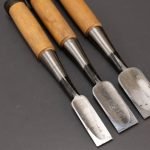
If you want your chisels to stay sharp and last longer, how you store them matters more than you might think. You’ve probably faced the frustration of reaching for a chisel only to find it dull, rusty, or damaged.
That’s where proper storage comes in. In this guide, you’ll discover simple, effective ways to keep your chisels safe, organized, and ready to use whenever you need them. Keep reading, and you’ll never have to worry about ruined tools again.

Credit: daitool.com
Choosing The Right Storage
Storing chisels properly keeps them sharp and safe. It also helps you find them quickly.
Choose storage that protects the blades and fits your workspace. This guide explains good options.
Toolboxes And Cases
Toolboxes and cases keep chisels safe and organized. They protect chisels from dust and damage.
Look for cases with padded compartments or foam inserts. These prevent chisels from moving around.
- Choose waterproof or sturdy material for durability
- Pick cases with separate slots for each chisel
- Smaller boxes are easy to carry on job sites
Magnetic Strips
Magnetic strips hold chisels on a wall or bench. They keep tools visible and easy to grab.
Make sure the magnetic strip is strong enough. Place it where chisels will not fall off or get in the way.
- Mount strips at a comfortable height for quick access
- Use magnetic strips with protective covers to avoid scratches
- Keep chisels clean before placing on the magnet
Custom Holders
Custom holders fit chisels perfectly. They can be made from wood, metal, or plastic.
These holders keep chisels separated and prevent damage. You can design them to save space and improve order.
- Wooden racks with slots protect blades well
- Metal holders offer strong, long-lasting support
- Plastic holders are lightweight and easy to clean

Credit: www.rockler.com
Preparing Chisels For Storage
Properly preparing chisels for storage keeps them safe and ready to use. Taking time to care for them prevents rust and damage.
This guide covers cleaning, sharpening, and applying protective coatings before storing your chisels.
Cleaning And Drying
Remove dirt, resin, and old oil from your chisels. Use a soft cloth and mild cleaner to wipe the blades and handles. Dry all parts completely to stop rust.
- Wipe blades with a damp cloth
- Use a brush for stubborn dirt
- Dry blades and handles with a clean towel
- Air dry in a warm place for 30 minutes
Sharpening Before Storing
Sharpening chisels before storage keeps the edge ready and helps avoid damage. A sharp blade is less likely to chip or rust.
- Use a sharpening stone or honing guide
- Keep the correct angle for your chisel type
- Work evenly on both sides of the blade
- Finish with a fine grit for a smooth edge
Applying Protective Coatings
Apply a protective coating to prevent rust and corrosion. Oils and waxes work well on metal and wood parts of chisels.
| Coating Type | Use | Application Method |
|---|---|---|
| Light Machine Oil | Metal blade protection | Apply with cloth, wipe excess |
| Beeswax | Wooden handle care | Rub on handle, buff gently |
| Rust Preventative Spray | Long-term metal protection | Spray thin layer, let dry |
Organizing For Easy Access
Keeping chisels organized helps you find the right tool quickly. It also protects the chisels from damage.
Good storage makes your work easier and saves time. Use simple ways to keep chisels neat and ready.
Sorting By Size And Type
Sort chisels by their size and type to find them fast. Large chisels should be separated from small ones.
Group similar types together, like bench chisels or carving chisels. This keeps your tools organized and easy to check.
- Place wide chisels in one section
- Keep narrow chisels in another
- Separate carving chisels from standard bench chisels
Labeling Storage Spaces
Label each storage area clearly. Labels help you return chisels to the right spot after use.
Use simple words or numbers on labels. This reduces mistakes and keeps your workspace tidy.
- Use waterproof labels for durability
- Match labels with chisel types or sizes
- Place labels where they are easy to read
Using Dividers And Inserts
Dividers keep chisels from touching each other. This prevents damage and makes tools easy to grab.
Use inserts inside drawers or boxes to hold chisels steady. Foam or wood inserts work well for this.
- Wood dividers create separate slots
- Foam inserts cushion chisels securely
- Adjust dividers to fit different chisel sizes
Maintaining Safety Measures
Storing chisels safely is important to prevent accidents. Sharp tools need careful handling and storage.
Good storage protects both the tool and the user. It keeps sharp edges safe and avoids injuries.
Protecting Sharp Edges
Sharp edges on chisels can cause cuts if not covered. Use protective covers or sheaths to keep edges safe.
Regularly check covers for damage. Replace worn covers to maintain edge protection.
- Use plastic or leather sheaths for each chisel
- Store chisels with edges facing down or covered
- Keep edges away from other tools to avoid dulling
Safe Placement To Avoid Injuries
Place chisels where they cannot fall or cause harm. Avoid crowded workbenches or toolboxes.
Use racks or magnetic strips to keep chisels organized and visible. This reduces accidental cuts or drops.
- Store chisels in a dedicated rack or holder
- Keep chisels out of walkways and high shelves
- Handle chisels by the handle only, never the blade
Childproof Storage Options
Chisels must be stored out of children’s reach. Use locked boxes or cabinets for safe storage.
Consider childproof latches and secure storage areas. This prevents accidental injuries at home or work.
- Use lockable toolboxes or cabinets
- Install childproof latches on storage units
- Store chisels in high or hidden places
Preventing Rust And Damage
Chisels are useful tools that need proper care. Storing them right helps stop rust and damage.
Rust weakens chisels and makes them unsafe. Good storage keeps chisels sharp and strong.
Controlling Humidity Levels
Moist air causes rust on chisels. Keep chisels in a dry place to avoid moisture build-up.
Use a room with low humidity or add a dehumidifier to control moisture in the air.
- Store chisels in a dry toolbox or cabinet
- Avoid places like basements or garages with high humidity
- Check humidity with a small meter if possible
Using Desiccants And Rust Inhibitors
Desiccants absorb moisture to keep chisels dry. They help stop rust from forming.
Rust inhibitors create a thin layer that protects metal from air and water.
- Place silica gel packets with chisels inside storage boxes
- Use rust-preventive oils on metal parts before storing
- Change or recharge desiccants regularly for best results
Regular Inspection And Maintenance
Check chisels often for signs of rust or damage. Early care stops problems from growing.
Clean chisels after use and dry them well before storing.
- Wipe blades with an oily cloth to protect metal
- Sharpen chisels as needed to keep edges strong
- Replace or repair damaged handles to avoid accidents
Transporting Chisels Safely
Chisels are sharp and delicate tools. You must carry them carefully to avoid damage or injury.
Safe transport helps keep your chisels sharp and ready to use. It also protects people around you.
Padded Cases And Rolls
Padded cases and rolls protect chisels from bumps and scratches. They keep tools organized and secure.
Choose cases with soft padding and separate slots. Rolls made of thick fabric work well for many chisels.
- Use padded slots to keep chisels from touching each other.
- Close rolls tightly to prevent tools from moving.
- Pick cases with sturdy zippers or fasteners.
Securing Tools During Travel
Keep chisels firmly in place during travel. Loose tools can shift and get damaged or cause injury.
Use straps or elastic bands inside the case to hold chisels. Check that each tool fits tightly in its slot.
- Strap down chisels to prevent sliding.
- Make sure sharp edges do not stick out.
- Place cases in stable positions in your bag or vehicle.
Avoiding Impact And Dropping
Dropping chisels can dull or break the edges. Avoid impacts by handling cases carefully.
Hold cases securely and do not carry too many tools at once. Place cases down gently on flat surfaces.
- Do not toss or drop chisel cases.
- Handle cases with both hands when possible.
- Avoid placing cases where they can fall or be knocked over.

Credit: daitool.com
Frequently Asked Questions
How Do You Store Chisels Safely?
To store chisels safely, use a dedicated tool roll or a wooden block. This prevents damage and ensures safety. Keep them dry to avoid rust. Regularly check for sharpness and cleanliness. Avoid stacking chisels to prevent chipping. Proper storage extends the life of your tools.
Can Chisels Be Stored In A Toolbox?
Yes, chisels can be stored in a toolbox. Ensure they are organized to prevent damage. Use protective covers or sleeves for the blades. Keeping them separate reduces the risk of dulling or chipping. Toolboxes with padded compartments are ideal. This method is both convenient and secure.
What Is The Best Environment For Storing Chisels?
The best environment is dry and temperature-controlled. Moisture can lead to rust, damaging the blades. Avoid storing in damp basements or garages. Use silica gel packets to absorb moisture. Regularly check for any signs of rust or wear. Proper environment ensures longevity and efficiency.
How Often Should You Check Stored Chisels?
Check stored chisels every few months. Regular inspections help identify rust or damage early. This ensures they’re always in optimal condition. Clean and oil them if necessary. Regular maintenance extends their lifespan. Keeping them sharp and clean enhances performance. Consistent checks prevent unexpected issues.
Conclusion
Properly storing chisels keeps them sharp and safe. Use a dedicated box or rack to avoid damage. Clean chisels before storing to prevent rust and dirt buildup. Keep handles dry and check for cracks regularly. Store chisels in a dry place away from moisture.
Taking these simple steps extends tool life and improves safety. Remember, well-kept chisels perform better and last longer. A little care goes a long way in your workshop.