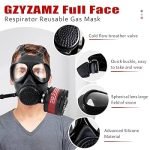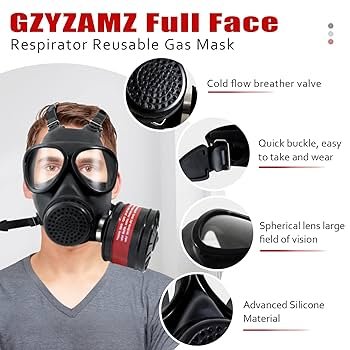
When you’re working in a busy workshop, your safety should always come first. Dust, fumes, and harmful particles can sneak into the air without you noticing.
That’s where a full-face respirator becomes your best friend. It protects not just your lungs but your eyes and face too, keeping you safe from invisible dangers. But how do you use it correctly to get the most protection? You’ll discover simple steps to wear and maintain your full-face respirator, so you can stay safe and focused on your work.
Keep reading to learn how to make your workshop a safer place for you every day.

Credit: www.amazon.com
Choosing The Right Full-face Respirator
A full-face respirator protects your eyes, nose, and mouth from dust and fumes. It is important to pick the right one for your workshop tasks.
Choosing a good respirator helps keep you safe and comfortable during work. This guide explains what to look for before buying one.
Types Of Full-face Respirators
There are different types of full-face respirators based on how they filter air. Each type suits specific work environments.
- Air-Purifying Respirators:Use filters to clean the air from dust and chemicals.
- Powered Air-Purifying Respirators (PAPR):Have a battery-powered blower to push clean air inside.
- Supplied-Air Respirators:Connect to a clean air source through a hose.
Selecting The Proper Filter
Filters trap harmful particles and gases. You must choose the right filter for the substances in your workshop.
Look at the type and level of contamination before picking a filter. Using the wrong filter can be unsafe.
- Particulate Filters:Block dust, smoke, and mist.
- Gas and Vapor Filters:Remove chemicals like solvents or paint fumes.
- Combination Filters:Protect against both particles and gases.
- Filters come with different protection ratings. Match the rating to your needs.
Sizing And Fit Considerations
A respirator must fit your face well to work properly. Poor fit lets harmful air leak inside.
Try different sizes and shapes to find one that seals tightly. Follow fitting instructions carefully.
- Check the seal around your face and nose.
- Make sure straps hold the mask firmly without discomfort.
- Perform a fit test to confirm no air leaks.
- Beards or facial hair can prevent a good seal.

Credit: www.firesafeinternational.co.uk
Preparing The Respirator For Use
Using a full-face respirator keeps you safe in the workshop. Preparing it correctly is very important.
Before wearing the respirator, follow these steps to ensure it works well and protects you.
Inspecting For Damage
Check the respirator carefully before use. Look for cracks, tears, or worn parts on the mask.
Make sure the straps and seals are not broken or loose. Damaged parts reduce protection.
- Check the facepiece for cracks or holes
- Look at the straps for wear or breaks
- Inspect valves and filters for damage
- Ensure the seal is flexible and intact
Cleaning Before Use
Clean the respirator before each use to remove dust and dirt. Clean parts work better and last longer.
Use mild soap and warm water. Avoid harsh chemicals that can damage the mask.
- Remove filters before cleaning
- Wash the facepiece gently with soap and water
- Rinse well and dry with a clean cloth
- Do not soak straps or valves in water
Assembling Components
Put the respirator parts together correctly. A well-assembled mask fits better and protects more.
Attach filters and check all parts fit tightly. Loose pieces can let harmful air inside.
- Insert the correct filters for your workshop tasks
- Attach filters firmly to the facepiece
- Check valves are in place and working
- Adjust straps for a snug fit on your face
Proper Wearing Techniques
Using a full-face respirator keeps you safe from dust and fumes in the workshop. Wearing it correctly is very important for protection.
Follow these steps to put on your respirator the right way. This helps you work safely and comfortably.
Putting On The Respirator
Hold the respirator in your hands with the straps hanging down. Place the chin inside the mask first.
Pull the respirator over your face, covering your nose and mouth fully. Make sure the mask fits snugly on your skin.
Adjusting Straps For A Secure Fit
Pull the top straps over your head and position them above your ears. Then, take the lower straps and place them around your neck.
Tighten the straps evenly. Do not make them too tight or too loose. The mask should feel firm but comfortable.
- Adjust top straps first
- Then adjust lower straps
- Check for even tension on both sides
- Avoid over-tightening to prevent discomfort
Performing A Seal Check
Cover the filters with your hands to block airflow. Breathe in gently. The mask should collapse slightly.
If air leaks around the edges, adjust the straps and mask position. Repeat the test until no air escapes.
- Cover filter areas completely
- Inhale slowly to test the seal
- Check for air leaks around the face
- Adjust mask and straps if needed
- Repeat test until seal is tight
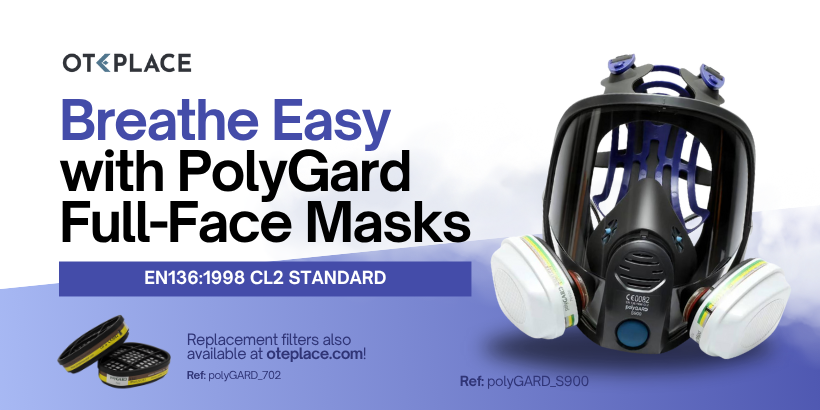
Credit: www.oteplace.com
Maintaining Respirator Safety In The Workshop
Using a full-face respirator keeps you safe from dust, fumes, and chemicals. Proper care helps the respirator work well every time you use it.
Follow simple steps to avoid damage and keep the respirator clean. This protects your health and extends the life of the equipment.
Avoiding Contamination
Never touch the inside of the respirator with dirty hands. This stops germs and dust from getting inside the mask.
Use clean gloves or wash your hands before putting on or adjusting the respirator. Avoid sharing your respirator with others.
Regular Cleaning And Storage
Clean your respirator after each use with mild soap and water. Do not use harsh chemicals that can damage the mask.
Dry the respirator completely before storing it. Keep it in a clean, dry place away from sunlight and dust.
- Disassemble parts before cleaning
- Use a soft cloth or brush
- Store in a sealed container or bag
Replacing Filters And Parts
Check filters and parts often for damage or dirt. Replace them as soon as they look worn or clogged.
Use only parts that fit your respirator model. Keep spare filters on hand to avoid delays in safety.
- Replace filters after heavy use or exposure
- Inspect straps and seals for cracks
- Follow manufacturer guidelines for parts
Troubleshooting Common Issues
Using a full-face respirator is important for workshop safety. Sometimes, you may face problems with it. This guide helps you fix common issues quickly and safely.
Knowing how to solve these problems keeps you protected. It also makes your work easier and more comfortable.
Dealing With Fogging
Fogging inside the mask blocks your view and can be unsafe. It happens when warm breath meets the cooler mask surface.
- Make sure the mask seal is tight but not too tight.
- Check that the exhalation valve works well and is clean.
- Use anti-fog sprays or wipes made for respirators.
- Keep your face and mask clean before use.
- Avoid heavy breathing through your mouth when possible.
Handling Breathing Difficulties
If breathing feels hard inside the respirator, it may cause discomfort or panic. Check if the filters are clogged or if the mask is damaged.
| Cause | Solution |
| Dirty or blocked filters | Replace filters regularly |
| Damaged valves | Inspect and fix or replace valves |
| Mask too tight | Adjust straps for comfort |
| Worn-out parts | Check and change worn parts promptly |
Addressing Fit Problems
A poor fit lets harmful air inside. It can happen if the mask size is wrong or straps are loose.
To fix fit problems, follow these tips:
- Choose the right mask size before use.
- Adjust all straps evenly and firmly.
- Perform a seal check by covering the filters and breathing in.
- Replace any damaged or worn seals immediately.
- Avoid wearing facial hair that breaks the mask seal.
Enhancing Workshop Safety Beyond The Respirator
A full-face respirator protects your lungs and eyes from harmful dust and chemicals. Using it correctly is important. Still, workshop safety needs more than just a respirator.
This guide explains other ways to stay safe. It covers protective gear, safe work habits, and being ready for emergencies.
Complementary Protective Gear
Wear other gear along with your respirator to protect your whole body. Safety goggles, gloves, and ear protection help a lot.
Choose gear that fits well and matches the tasks you do. This lowers the risk of injury and keeps you safe.
- Safety goggles protect eyes from flying debris
- Heavy-duty gloves guard your hands
- Earplugs or earmuffs reduce noise damage
- Protective clothing shields skin from chemicals
- Steel-toe boots protect your feet
Safe Work Practices
Follow clear rules to keep your workshop safe. Clean your tools and workspace regularly. Avoid rushing through tasks.
Use tools only as they are meant to be used. Always check your equipment before starting work. Good habits lower accidents.
- Keep floors clear of clutter and spills
- Turn off machines when not in use
- Use ventilation to reduce fumes
- Do not eat or drink near chemicals
- Report broken tools or hazards quickly
Emergency Preparedness
Be ready for emergencies like fires or chemical spills. Know where exits and safety equipment are located. Practice what to do if something goes wrong.
Keep first aid kits stocked and easy to find. Train all workers on emergency steps. Quick action saves lives and reduces harm.
- Locate fire extinguishers and alarms
- Know emergency exit routes
- Keep emergency phone numbers visible
- Have a plan for chemical spills
- Practice drills regularly with the team
Frequently Asked Questions
What Is A Full-face Respirator Used For?
A full-face respirator protects your face and lungs from harmful particles and gases. It’s essential for workshop safety. It provides a seal around your face, preventing contaminants from entering your respiratory system. This makes it ideal for environments with dust, fumes, or hazardous chemicals.
How To Wear A Full-face Respirator Properly?
To wear a full-face respirator, first ensure it fits snugly on your face. Adjust the straps for a secure fit. Check the seal by covering the filters and inhaling gently. If air leaks, adjust until the mask fits correctly. Proper fit is crucial for effective protection.
Can Full-face Respirators Be Used For All Workshops?
Full-face respirators are suitable for most workshops, especially those with airborne hazards. However, always assess the specific risks in your environment. Ensure the respirator’s filters are appropriate for the contaminants present. Consult the manufacturer’s guidelines for compatibility with your workshop’s needs.
How Do You Clean A Full-face Respirator?
To clean a full-face respirator, remove filters and wash the mask with mild soap and water. Rinse thoroughly and let it air dry. Regular cleaning ensures optimal performance and hygiene. Always follow the manufacturer’s instructions for specific cleaning guidelines and maintenance.
Conclusion
Using a full-face respirator keeps you safe in the workshop. It protects your eyes, nose, and mouth from dust and chemicals. Always check the mask fits well before starting work. Clean and store it properly after use. This simple step helps avoid health problems later.
Safety is easy when you use the right gear. Stay protected and work confidently every time you enter your workshop.