Are pesky insects ruining your garden? You want a simple and effective way to protect your plants without wasting time or money.
Using a garden sprayer for insect control can be the solution you need. This guide will show you exactly how to choose, use, and maintain your sprayer so you get the best results every time. Keep reading, and soon you’ll have a healthier, bug-free garden that you can be proud of.

Credit: maggiesfarmproducts.com
Choosing The Right Garden Sprayer
Using a garden sprayer helps control insects on plants. Picking the right sprayer makes your work easier.
Different sprayers suit different garden sizes and needs. Learn what to look for before buying one.
Types Of Sprayers
There are several types of garden sprayers. Each type works best for certain tasks and areas.
- Handheld sprayers are good for small gardens.
- Pump sprayers cover medium areas with steady pressure.
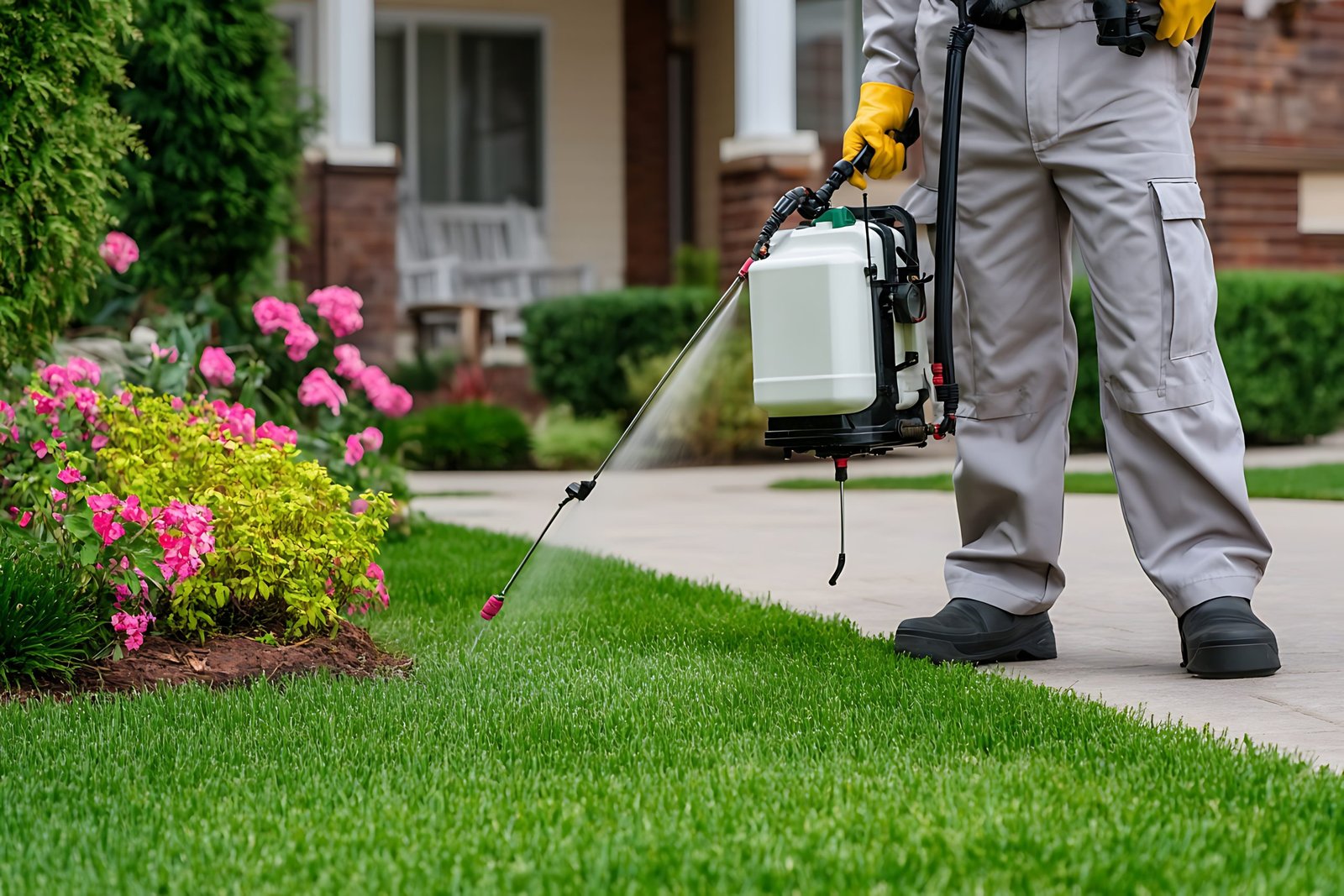
- Backpack sprayers suit large gardens and long use.
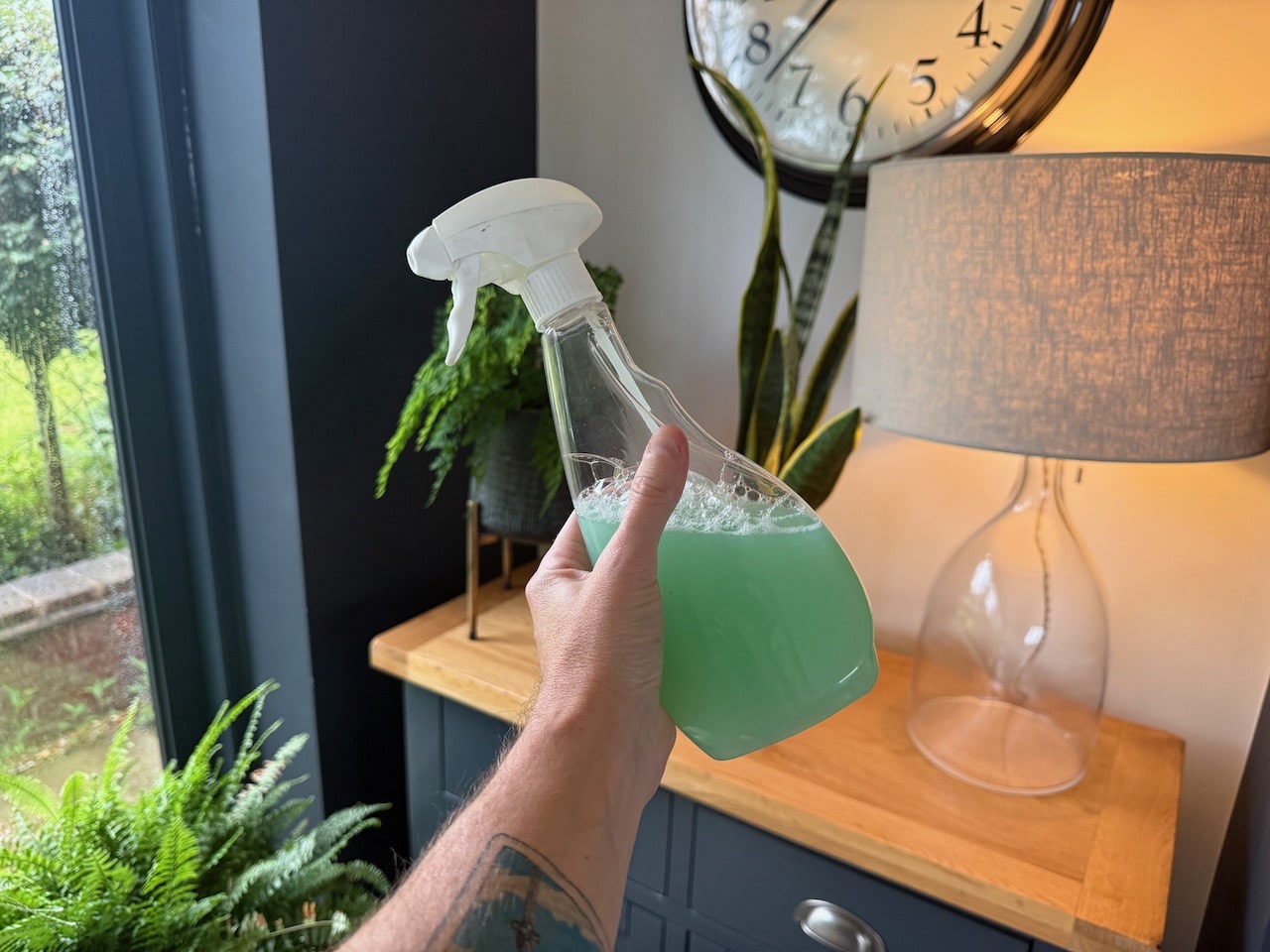
- Hose-end sprayers connect to water hoses for easy spraying.
Capacity And Size
Sprayer size affects how much you can spray at once. Choose a size that fits your garden and strength.
Small sprayers hold less liquid but are light to carry. Large sprayers hold more but can be heavy.
- Small: 1 to 2 liters, easy to carry, best for small plants.
- Medium: 3 to 5 liters, good balance of size and weight.
- Large: 6 liters or more, best for big gardens but heavier.
Material And Durability
Sprayers are made from plastic, metal, or both. Choose a material that lasts and fits your budget.
Plastic sprayers are light and rust-proof. Metal ones are strong but may rust if not cared for.
- Plastic: Lightweight, corrosion-resistant, often cheaper.
- Metal: Durable, strong, may rust without care.
- Mixed: Plastic tank with metal parts for balance.
:max_bytes(150000):strip_icc()/spruce-pestcontrol0TatianaMaksimova-9d174a12f8bf43d29b27d14bb07eb58b.jpg)
Credit: www.thespruce.com
Preparing Your Sprayer
Before using a garden sprayer for insect control, you must prepare it well. Proper preparation helps the sprayer work safely and effectively.
Preparing includes cleaning, mixing insecticides safely, and filling the sprayer correctly. Each step keeps you and your plants safe.
Cleaning And Maintenance
Clean your sprayer after every use. This stops old chemicals from mixing with new ones. It also keeps the sprayer parts working well.
Check for cracks, leaks, or worn parts before using. Fix or replace broken parts to avoid spills or poor spraying.
- Rinse the tank with clean water
- Flush hoses and nozzles
- Remove and clean filters
- Dry all parts before storage
- Store sprayer in a cool, dry place
Mixing Insecticides Safely
Read the insecticide label carefully. It tells you how much to mix and safety rules to follow.
Wear gloves, goggles, and a mask. Avoid spills and do not breathe in the spray mix.
- Measure insecticide with clean tools
- Add insecticide to water, not water to insecticide
- Mix gently to avoid splashes
- Never mix different chemicals unless label allows
Filling The Sprayer
Fill the sprayer tank on a flat surface. Use clean water to avoid clogging the sprayer.
Pour the mixed insecticide slowly to prevent spills. Do not fill past the recommended level.
- Check the tank for dirt before filling
- Use a funnel to avoid spills
- Fill to the mark indicated on the tank
- Secure the tank lid tightly before spraying
Applying Insecticides Effectively
Using a garden sprayer correctly helps control insects in your plants. It makes sure insecticides work well and protect your garden.
Good spraying habits save time and reduce waste. They also keep your plants safe from harm.
Best Time For Spraying
Spray early in the morning or late in the evening. These times have less wind and cooler temperatures.
Avoid spraying during midday. The sun can make insecticides evaporate quickly and harm plants.
- Spray when plants are dry
- Pick calm weather days
- Avoid rain forecast after spraying
Spraying Techniques
Hold the sprayer nozzle close to plants for better control. Move it steadily to cover all areas.
Use a fine spray to cover leaves evenly. Avoid heavy drops that can waste insecticide.
- Spray both top and bottom of leaves
- Keep a steady pace and pressure
- Clean sprayer parts after use
Coverage And Reach
Make sure the spray reaches all parts of the plant. Insects can hide under leaves and stems.
Check for missed spots and spray again if needed. Good coverage means better insect control.
- Cover plant bases and soil surface
- Use adjustable nozzles for hard-to-reach areas
- Spray slowly to avoid missing spots
Credit: www.gardenninja.co.uk
Safety Precautions
Using a garden sprayer for insect control needs care. Safety keeps you and plants safe.
Follow simple rules to avoid harm from chemicals and equipment.
Protective Gear
Wear protective clothes before spraying. This stops chemicals from touching your skin.
Use gloves, goggles, and a mask. These protect your hands, eyes, and lungs.
- Long sleeves and pants
- Waterproof gloves
- Safety goggles
- Face mask or respirator
- Closed shoes
Handling Chemicals
Read the label before using any insecticide. Follow the instructions carefully.
Mix chemicals outside or in a well-ventilated place. Use the right amount to avoid waste.
- Keep chemicals away from children and pets
- Do not eat, drink, or smoke while handling chemicals
- Store chemicals in original containers
- Wash hands well after use
Avoiding Environmental Damage
Spray only on target plants to protect helpful insects. Avoid windy days to stop drift.
Do not spray near water sources. This prevents pollution and harm to fish and wildlife.
- Check weather conditions before spraying
- Use the sprayer carefully and aim well
- Dispose of leftover chemicals safely
- Clean sprayer after each use to prevent leaks
Troubleshooting Common Issues
Using a garden sprayer for insect control works best when the equipment runs smoothly.
Sometimes problems can stop the sprayer from working well. Fixing these issues keeps your plants safe.
Clogged Nozzles
Clogged nozzles block the spray and cause uneven insect control. Dirt and old chemicals often cause clogs.
- Remove the nozzle from the sprayer.
- Soak it in warm water to dissolve deposits.
- Use a soft brush or toothpick to clear tiny holes.
- Rinse thoroughly before reattaching.
- Regular cleaning prevents future clogs.
Uneven Spray Patterns
Uneven spray patterns reduce coverage and waste chemicals. They happen if the nozzle is damaged or worn out.
| Cause | Solution |
| Nozzle tip damage | Replace the nozzle |
| Incorrect nozzle size | Use the right nozzle for your sprayer |
| Clogged nozzle | Clean the nozzle thoroughly |
| Wrong pressure | Adjust the sprayer pressure |
Leaks And Repairs
Leaks waste liquid and lower sprayer pressure. Check seals, hoses, and tank for cracks or damage.
- Tighten loose hose connections.
- Replace damaged O-rings and seals.
- Patch small tank cracks with waterproof tape.
- Use sprayer manufacturer parts for replacements.
Maintaining Your Sprayer
Keeping your garden sprayer in good shape makes it last longer. Regular care helps it work well every time you use it. This guide covers how to clean, store, and check your sprayer.
Proper maintenance also protects your plants from unwanted chemicals. Follow these simple steps to keep your sprayer ready for insect control.
Cleaning After Use
Cleaning your sprayer right after use stops clogging and damage. Empty any leftover solution and rinse all parts with clean water. Use a soft brush to clear nozzles and filters.
- Flush the tank with water until it runs clear
- Spray clean water through the nozzle to clear residue
- Remove and wash filters separately
- Wipe the outside with a damp cloth
Storage Tips
Store your sprayer in a dry, cool place away from sunlight. Keep it off the ground to avoid moisture damage. Always release pressure from the tank before storing.
| Storage Tip | Reason |
| Keep indoors or in a shed | Protects from weather and sun damage |
| Empty tank completely | Prevents chemical build-up and corrosion |
| Store upright on a shelf | Avoids leaks and keeps parts safe |
| Cover nozzle and hose | Keeps dirt and dust out |
Regular Inspections
Check your sprayer often to catch problems early. Look for cracks, leaks, and worn parts. Tighten any loose fittings and replace damaged seals or hoses.
- Inspect the tank for cracks or damage
- Check the hose and nozzle for leaks
- Test the pump to ensure steady pressure
- Replace worn or broken parts immediately
Frequently Asked Questions
How Do I Choose The Right Garden Sprayer For Insects?
Choose a sprayer based on your garden size and insect type. Handheld sprayers suit small areas; backpack sprayers work for larger spaces. Ensure the sprayer allows for even chemical distribution and easy handling to effectively control insects.
When Is The Best Time To Use A Garden Sprayer?
The best time to spray is early morning or late evening. Avoid spraying during windy or rainy conditions to prevent chemical drift and wash-off. This timing helps maximize insect control while minimizing harm to beneficial insects.
How Often Should I Spray My Garden For Insect Control?
Spray your garden every 7 to 14 days depending on insect severity. Frequent monitoring of pest levels helps determine the right interval. Avoid over-spraying to protect plants and beneficial insects.
What Safety Precautions Should I Take When Using A Sprayer?
Wear protective clothing, gloves, and a mask when spraying. Avoid inhaling chemicals and keep children and pets away. Always read and follow the product label instructions for safe use and disposal.
Conclusion
Using a garden sprayer helps keep insects away from your plants. It saves time and spreads insect control evenly. Always read the instructions before spraying. Wear protective gear to stay safe. Clean the sprayer after use to avoid clogs. Regular use can protect your garden from damage.
Small steps make your garden healthier and stronger. Try to spray early in the morning or late in the evening. This keeps beneficial insects safe. A garden sprayer is a simple tool for better pest control.