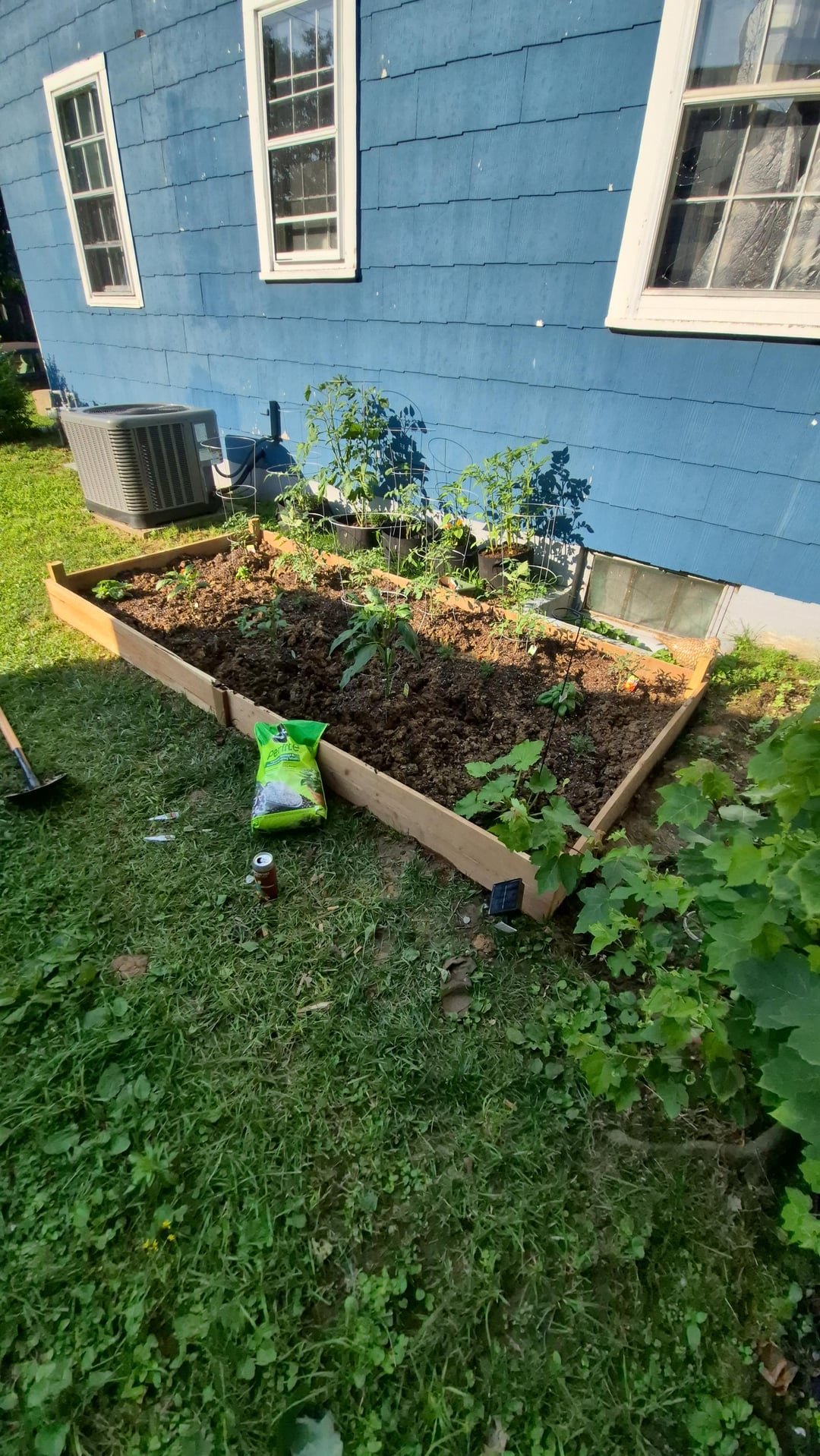
If your raised bed garden isn’t thriving the way you hoped, the problem might be hidden beneath the surface—literally. Soil that’s packed too tightly can stop your plants from getting the air, water, and nutrients they need to grow strong.
But don’t worry—learning how to aerate soil in raised beds is easier than you think. By improving airflow and drainage, you’ll give your plants the boost they need to flourish. Keep reading, and you’ll discover simple, effective steps to refresh your soil and watch your garden come alive like never before.

Credit: www.dripworks.com
Benefits Of Aerating Raised Beds
Aerating soil in raised beds helps plants grow stronger. It adds air to the soil, making it healthy for roots. Good soil air also helps water move well.
This process improves how plants take in food and water. It makes gardening easier and helps plants stay healthy.
Improved Root Growth
Aerated soil lets roots spread out easily. Roots get enough space to grow deep and wide. This helps plants get more support and stay strong in the soil.
- Roots get more oxygen
- Soil is less compact
- Plants can grow bigger roots
- Better root health and strength
Enhanced Nutrient Absorption
Aerated soil helps plant roots absorb nutrients well. Good air and space let nutrients move to roots easily. Plants get the food they need for healthy growth.
| Nutrient | Benefit to Plants |
| Nitrogen | Helps leaves grow green and strong |
| Phosphorus | Supports root and flower development |
| Potassium | Improves disease resistance and water use |
Better Water Drainage
Aerated soil drains water well. It stops water from pooling on the surface. Good drainage keeps roots from staying too wet and rotting.
How aeration improves drainage:
- Creates small air pockets for water flow
- Reduces soil compaction
- Prevents waterlogging
- Keeps roots healthy
Signs Soil Needs Aeration
Aerating soil in raised beds helps plants grow better. It improves air, water, and nutrient flow.
Look for clear signs showing your soil is compacted and needs aeration. This guide will help you spot these signs.
Compacted Soil Indicators
Compacted soil is hard and dense. It stops roots from growing well and blocks water from draining.
You can check if your soil is compacted by feeling its texture and looking at how water moves.
- Soil feels hard and tough to dig
- Water pools on the surface or runs off quickly
- Soil cracks or shrinks during dry spells
- Roots grow near the surface, not deep
Poor Plant Health Symptoms
Plants in compacted soil often show stress signs. Their growth slows down and they look unhealthy.
Watch for these symptoms to know if your soil needs aeration to help plants thrive.
- Leaves turn yellow or brown early
- Plants wilt even after watering
- Slow or stunted plant growth
- Plants drop flowers or fruit prematurely
Tools For Soil Aeration
Good soil aeration helps plants grow strong roots. It allows air, water, and nutrients to reach deeper in raised beds. Choosing the right tool makes aeration easier and more effective.
This guide covers three types of tools to aerate soil in raised beds. Each tool works best in different situations and bed sizes.
Handheld Aerators
Handheld aerators are small and easy to use. They work well for small raised beds or spot aeration. These tools have spikes or hollow tines to poke holes in the soil.
- Lightweight and portable
- Good for tight spaces
- Manual effort needed
- Best for shallow aeration
Garden Forks
Garden forks are classic tools for aeration. They have long, sturdy tines that loosen soil deeply. Use a garden fork by pushing and lifting soil gently.
| Feature | Benefit |
| Strong metal tines | Break up compact soil |
| Long handle | Good leverage for deep aeration |
| Wide spacing between tines | Allows roots to grow easily |
| Manual use | Requires physical effort |
Mechanical Aerators
Mechanical aerators use machines or tools powered by gas or electricity. They are best for larger raised beds or gardeners wanting less manual work.
- Power-driven tines or spikes
- Quick and deep soil penetration
- Suitable for bigger areas
- Needs careful handling
- Usually more expensive

Credit: www.thecelticfarm.com
Step-by-step Aeration Process
Aerating soil in raised beds helps plants grow better. It improves air, water, and nutrient flow to roots.
This guide shows you easy steps to aerate your raised bed soil.
Preparing The Soil
Remove any plants, weeds, or debris from the raised bed. This clears space for aeration.
Check if the soil is dry or wet. Soil should be moist but not soggy for best results.
- Clear surface of plants and debris
- Make sure soil is slightly moist
- Loosen the top layer gently with a hand rake
Aerating Techniques
Use a garden fork or aeration tool to create holes in the soil. This allows air to reach the roots.
Push the fork straight into the soil about 6 inches deep. Pull it out gently to open the holes.
- Insert fork 6 inches deep at several spots
- Space holes about 6 to 8 inches apart
- Lift the soil slightly when removing the fork
- Do not turn the soil over completely
Post-aeration Care
After aerating, water the soil lightly to help air and moisture spread.
Add mulch or compost on top to keep soil healthy and retain moisture.
- Water the soil evenly but not too much
- Spread a thin layer of compost or mulch
- Plant new seeds or seedlings as needed
Natural Methods To Loosen Soil
Good soil aeration helps plants grow strong roots. Raised beds can get compacted over time. Using natural methods can make the soil loose and healthy.
These methods improve air flow and water movement. They also support beneficial soil life like earthworms and microbes.
Adding Organic Matter
Adding organic matter like compost or aged manure helps break up soil clumps. It also feeds soil organisms that create tunnels.
- Use compost from kitchen scraps or garden waste.
- Spread a 2-3 inch layer over the soil surface.
- Mix it gently into the top few inches of soil.
- Repeat every spring and fall for best results.
Using Cover Crops
Cover crops grow between planting seasons. Their roots break hard soil and add organic matter when turned under.
| Cover Crop | Benefit |
| Legumes (e.g., clover, peas) | Add nitrogen and loosen soil |
| Grasses (e.g., rye, oats) | Deep roots break compacted layers |
| Brassicas (e.g., radish) | Roots create channels for air and water |
Mulching Benefits
Mulch covers soil to keep moisture and reduce weeds. It also protects soil from hard rain that compacts it.
Common mulch types:
- Wood chips
- Straw
- Leaves
- Grass clippings
Apply a 2-4 inch layer around plants. Mulch slowly breaks down adding organic matter.
Maintaining Soil Health In Raised Beds
Good soil health is key to growing strong plants in raised beds. Aerating the soil helps air and water reach plant roots.
Regular care keeps the soil loose and full of nutrients. This makes your raised bed garden more productive.
Regular Aeration Schedule
Aerate your raised bed soil at least twice each growing season. Early spring and late summer are good times.
This helps prevent soil from becoming hard and compacted. It allows roots to grow well and take in nutrients.
Avoiding Soil Compaction
Soil compaction blocks air and water. Avoid walking on your raised beds to keep soil loose.
Use tools like garden forks or aerators gently to break up compacted areas without disturbing plant roots.
- Do not press down soil after watering
- Add organic matter to improve soil texture
- Use mulch to protect soil surface
Monitoring Soil Moisture
Check soil moisture before aerating. Wet soil can be damaged if worked too much.
Soil should feel moist but not soggy. Aerate when soil is slightly dry to allow better air flow.
- Use your finger to test moisture 2-3 inches deep
- Water raised beds deeply but less often
- Adjust watering based on weather and plant needs
Common Mistakes To Avoid
Aerating soil in raised beds helps plant roots get oxygen and grow strong. Some mistakes can harm your soil and plants. Avoid these to keep your garden healthy.
This guide covers two common errors: over-aeration risks and ignoring soil type differences. Learn what to watch out for.
Over-aeration Risks
Too much aeration can damage soil structure. It may dry out the soil or break down important organic matter. Plants need balanced soil moisture and nutrients to grow well.
- Soil dries too fast, stressing plants
- Breaks down soil clumps that hold nutrients
- Increases weed growth by disturbing soil layers
- Hurts beneficial soil organisms
- May cause erosion in raised beds
Ignoring Soil Type Differences
Different soils need different care when aerating. Clay, sandy, and loamy soils respond in unique ways. Using the wrong method harms your raised bed soil.
| Soil Type | Aeration Tip | Mistake to Avoid |
| Clay | Use gentle tools to avoid compacting | Do not over-aerate or soil becomes hard |
| Sandy | Less frequent aeration needed | Avoid drying out the soil |
| Loamy | Regular aeration keeps balance | Don’t ignore soil moisture levels |

Credit: www.yahoo.com
Frequently Asked Questions
What Is Soil Aeration In Raised Beds?
Soil aeration in raised beds involves loosening compacted soil to improve air circulation. This process enhances root growth and nutrient absorption. Aerated soil allows water to drain efficiently, preventing root rot. Regular aeration ensures healthier plants and boosts vegetable and flower yields in raised garden beds.
Why Is Aerating Raised Beds Important?
Aerating raised beds is crucial for plant health. It improves air and water flow, promoting strong root systems. Aeration helps prevent soil compaction, enhancing nutrient uptake. This process ensures plants receive essential nutrients and oxygen, leading to robust growth and higher yields in your raised bed gardens.
How Often Should I Aerate Raised Beds?
Aerate raised beds at least once a season, ideally in spring or fall. This timing enhances soil structure before planting or after harvest. Regular aeration prevents soil compaction, improves drainage, and promotes root development. Adjust frequency based on soil type and plant needs for optimal garden health.
What Tools Can I Use To Aerate Soil?
Common tools for aerating soil include garden forks, hand cultivators, and aeration shoes. These tools help break up compacted soil, improving air and water flow. Choose a tool based on your bed size and soil condition. Manual tools are effective for small beds, while powered aerators suit larger areas.
Conclusion
Aerating soil in raised beds helps plants grow strong and healthy. It improves air flow and water movement. Use simple tools like a garden fork or aerator shoes. Do this regularly to avoid soil compaction. Healthy soil means better roots and higher yields.
Keep your garden beds loose and well-drained. Your plants will thank you with vibrant growth. Happy gardening!