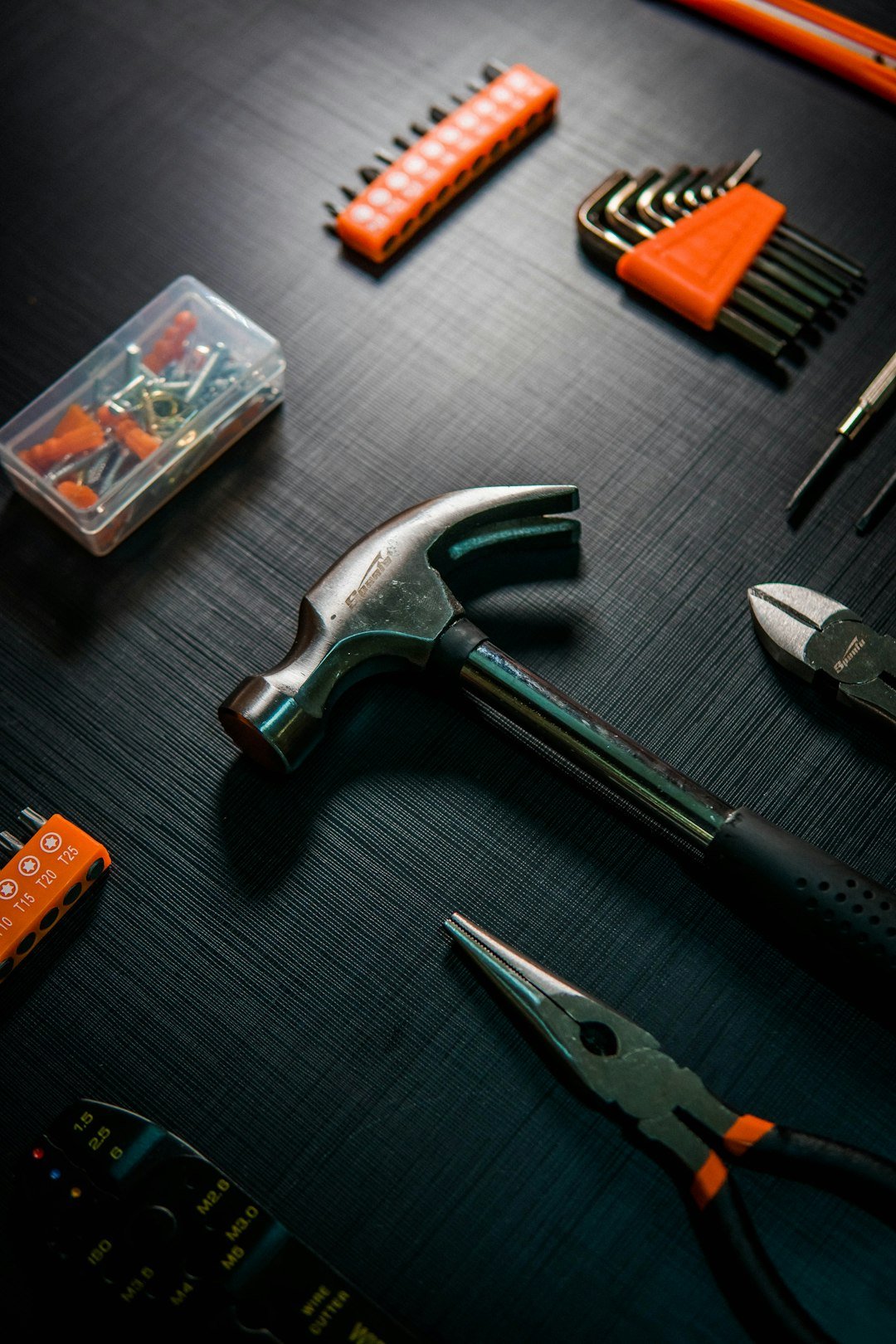
Your power tools are your reliable partners for every project, but are you taking the right steps to keep them in top shape? Cleaning your power tools properly not only extends their life but also boosts their performance and keeps you safe.
Imagine finishing your next job with tools that work smoothly, without unexpected breakdowns or frustrating malfunctions. In this guide, you’ll discover simple, effective ways to clean your power tools so they stay ready for action whenever you need them. Keep reading to unlock the secrets to maintaining your tools like a pro.
Choosing The Right Cleaning Supplies
Cleaning power tools properly keeps them working well and safe to use. Using the right supplies makes cleaning easier.
Picking safe and effective cleaning materials helps avoid damage. It also removes dirt and grease well.
Essential Tools And Materials
You need a few basic tools to clean power tools correctly. These items help remove dust, grease, and debris.
- Soft cloths or microfiber towels for wiping surfaces
- Small brushes or old toothbrushes for tight spots
- Compressed air canisters to blow away dust
- Plastic scrapers to remove stuck dirt without scratching
- Protective gloves to keep your hands safe
Having these materials ready makes cleaning faster and better. Use tools that do not harm the tool’s parts.
Safe Cleaning Solutions
Choose cleaning solutions that clean well but do not damage your power tools. Avoid harsh chemicals that cause rust or cracks.
- Mild soap mixed with water for general cleaning
- Isopropyl alcohol for grease and sticky residues
- Specialized tool cleaners designed for power tools
- Silicone spray to protect moving parts after cleaning
- Rust remover if your tools have metal rust spots
Always test cleaning solutions on a small area first. Use only what is needed to keep tools safe and clean.
Preparing Power Tools For Cleaning
Cleaning power tools keeps them working well and safe to use. Start by getting the tools ready for cleaning.
This guide covers how to unplug, take apart, and remove dust and debris from your tools.
Unplugging And Disassembling
Always unplug power tools before cleaning. This stops accidents and protects you from shocks.
Next, disassemble parts that are easy to remove. Check the user manual for instructions.
- Unplug the tool from the power source.
- Remove batteries if the tool is cordless.
- Use the correct tools to open covers or guards.
- Keep screws and small parts in a safe place.
- Do not force parts that seem stuck.
Removing Dust And Debris
Dust and debris can cause tools to overheat or fail. Remove them carefully for better tool life.
| Cleaning Tool | Use For | Notes |
| Soft Brush | Loose dust and dirt | Use gentle strokes |
| Compressed Air | Hard-to-reach areas | Hold nozzle at a distance |
| Cloth | Wiping surfaces | Use a dry or slightly damp cloth |
| Vacuum Cleaner | Heavy debris | Use a nozzle attachment |
Cleaning Different Types Of Power Tools
Keeping power tools clean helps them work better and last longer. Dirt and dust can cause damage if not removed.
This guide shows how to clean corded, cordless, and air-powered tools safely and well.
Corded Tools
Unplug corded tools before cleaning to avoid electric shock. Use a dry cloth to wipe dust and debris from the surface.
For stubborn dirt, use a soft brush or compressed air. Avoid water near the motor and electrical parts.
Cordless Tools
Remove the battery before cleaning cordless tools. Clean the tool body with a damp cloth and dry it well.
- Check the battery contacts for dirt and wipe them gently.
- Use compressed air to clean vents and tight areas.
- Store batteries separately in a dry place.
Air-powered Tools
Disconnect air hoses before cleaning air-powered tools. Clean the outside with a cloth dampened slightly with oil to prevent rust.
| Cleaning Step | Details |
| Step 1 | Blow out dust with compressed air |
| Step 2 | Wipe tool surface with light oil |
| Step 3 | Check air filters and replace if dirty |
| Step 4 | Lubricate moving parts as recommended |

Credit: www.lowes.com
Maintaining Tool Components
Cleaning and caring for your power tools keeps them working well. Dirt and dust can cause damage over time. Regular maintenance helps your tools last longer and stay safe to use.
Focus on key parts like motors, vents, moving parts, and worn components. Proper care prevents breakdowns and costly repairs.
Cleaning Motors And Vents
Motors and vents collect dust and debris during use. Clean these areas to stop overheating and keep air flowing well. Use a brush or compressed air to remove dirt. Avoid using water on electrical parts.
- Unplug the tool before cleaning
- Use a soft brush to clear dust from vents
- Blow compressed air into motor openings carefully
- Wipe the outside with a dry cloth
Lubricating Moving Parts
Lubrication reduces friction and wear on moving parts. Keep gears, bearings, and shafts smooth. Use the right oil or grease for your tool. Too much lubricant can attract dirt, so apply lightly.
| Part | Lubricant Type | Frequency |
| Gears | Light machine oil | Every 3 months |
| Bearings | Grease | Every 6 months |
| Shafts | Light machine oil | Monthly |
Inspecting And Replacing Worn Parts
Check your tools for worn or damaged parts. Replace blades, belts, and brushes before failure. Regular inspections keep tools safe and efficient. Look for cracks, rust, and loose parts.
- Inspect blades and bits for dullness or damage
- Check belts for cracks or stretching
- Replace carbon brushes if worn down
- Tighten any loose screws or bolts
- Store replacement parts in a dry place
Drying And Reassembling Tools
Cleaning power tools is only part of the process. Drying and putting them back together correctly keeps them working well. This guide focuses on safe drying and careful reassembly.
Follow these steps to protect your tools from damage and ensure they perform properly after cleaning.
Proper Drying Techniques
Removing moisture from power tools stops rust and electrical problems. Use these drying tips after cleaning your tools.
- Wipe tools with a dry cloth to remove surface water.
- Use compressed air to blow out moisture from small parts and crevices.
- Keep tools in a warm, dry place to air dry completely.
- Avoid direct sunlight or heat sources that can warp plastic parts.
- Allow enough time for all parts to dry before reassembly.
Reassembling And Testing
After drying, put your tool back together carefully. Check each part fits well and test the tool before storing it.
| Reassembly Step | Tip |
|---|---|
| Match Parts | Use photos or manuals to find the right order. |
| Secure Screws | Tighten screws firmly but do not overtighten. |
| Check Moving Parts | Make sure gears and switches move freely. |
| Test Operation | Power on the tool briefly to confirm it works properly. |
| Inspect Safety Features | Verify guards and locks are in place and functional. |
Storage Tips For Longevity
Cleaning power tools properly helps keep them working well. Storing tools right can make them last longer.
Good storage stops damage from dust, moisture, and accidents. It also makes tools easy to find and use.
Ideal Storage Conditions
Keep power tools in a dry, cool place away from direct sunlight. Avoid spots with high humidity to stop rust and corrosion.
Use shelves or storage bins to organize tools. Keep cords untangled to avoid damage or tripping.
- Store tools in a well-ventilated area
- Use protective cases or covers
- Keep tools off the ground to avoid moisture
- Avoid extreme temperatures
- Keep tools away from chemicals or solvents
Regular Maintenance Schedule
Check your tools regularly to keep them in good shape. Clean dirt and dust after each use.
Lubricate moving parts and tighten loose screws. Replace worn parts to keep tools working safely.
- Clean after each use with a dry cloth
- Inspect cords and plugs monthly
- Lubricate metal parts every 3 months
- Tighten screws and bolts regularly
- Store batteries separately and charge them correctly
Common Mistakes To Avoid
Cleaning power tools is important to keep them working well. Many people make mistakes that can damage their tools.
Avoid these common errors to keep your tools safe and lasting longer.
Using Harsh Chemicals
Harsh chemicals can harm the surface and parts of power tools. They can remove paint, rust protection, or damage plastic parts.
Use mild soap and water or special cleaners made for tools. Always read the label before applying any cleaner.
- Do not use bleach or strong acids
- Avoid abrasive cleaners that scratch surfaces
- Test cleaners on a small area first
Neglecting Electrical Components
Electrical parts in power tools need special care. Water or dust can cause short circuits or corrosion.
Keep electrical components dry and clean. Use compressed air to remove dust and avoid spraying liquids directly on them.
- Unplug tools before cleaning
- Do not soak electrical parts in water
- Use a dry cloth or compressed air for cleaning

Credit: www.familyhandyman.com

Credit: www.popularmechanics.com
Frequently Asked Questions
How Often Should I Clean Power Tools?
Cleaning frequency depends on usage. For regular use, clean tools monthly. If used daily, clean them weekly. This prevents dust buildup and maintains efficiency. Always refer to the manufacturer’s instructions for specific guidelines. Regular maintenance extends the lifespan of your power tools.
What Materials Do I Need For Cleaning?
You’ll need a soft brush, microfiber cloth, mild detergent, and lubricating oil. These items effectively remove dirt and grime. Avoid harsh chemicals that may damage tool surfaces. Proper cleaning materials ensure safe and efficient cleaning. Always wear protective gloves during the process.
Can I Use Water To Clean Power Tools?
Avoid using water directly on power tools. Water can cause electrical hazards and tool damage. Instead, use a damp cloth for wiping. Ensure the tool is unplugged before cleaning. Dry all parts thoroughly to prevent rust. This method maintains tool safety and functionality.
How Do I Clean The Tool’s Motor?
Use a soft brush to remove dust from the motor vents. Ensure the tool is unplugged before cleaning. Avoid using compressed air, which can push dust further inside. Regular cleaning prevents overheating and maintains motor efficiency. Follow manufacturer guidelines for specific motor care instructions.
Conclusion
Cleaning power tools keeps them working well for a long time. Dirt and dust can cause damage or slow them down. Regular care helps avoid costly repairs. Always unplug tools before cleaning for safety. Use a brush or cloth to remove grime gently.
Lubricate moving parts to keep them smooth. Remember, small efforts now save big problems later. Take time to clean your tools after each use. Your tools will last longer and work better every time. Simple steps make a big difference in tool care.