If you want to create beautiful, detailed designs on wood, a rotary tool can be your best friend. But using it the right way is key to getting smooth, precise results without frustration.
You’ll discover simple tips that make engraving wood easier and more enjoyable. Whether you’re a beginner or looking to improve your skills, these tricks will help you bring your ideas to life with confidence. Keep reading, and unlock the secrets to mastering your rotary tool for stunning wood engravings.
Choosing The Right Rotary Tool
Choosing the right rotary tool is important for engraving wood. The tool should be easy to handle and offer good control.
Look for a tool that fits your hand well. It should also have adjustable features to suit different engraving needs.
Power And Speed Settings
The power of your rotary tool affects how well it cuts through wood. Choose a tool with variable speed settings for better control.
Lower speeds work best for detailed designs. Higher speeds can remove wood faster but may cause mistakes.
- Start at low speed for fine details
- Increase speed for larger areas
- Use a speed you can control comfortably
Essential Attachments For Wood Engraving
Different attachments help you create various effects on wood. Choose attachments made for engraving to get the best results.
Common attachments include engraving bits, sanding drums, and polishing wheels. Each tool has a special use for woodwork.
- Engraving bits for fine lines and details
- Sanding drums to smooth rough edges
- Polishing wheels to finish and shine the surface
Preparing Wood For Engraving
Preparing wood properly is key for clean and detailed engraving. Good preparation helps your rotary tool work smoothly on the surface.
This guide covers how to select the right wood and prepare its surface for the best results.
Selecting Suitable Wood Types
Choose wood that is soft or medium hard for easy engraving. Avoid very hard or resinous woods that can damage your tool or make engraving uneven.
- Basswood is soft and engraves well.
- Balsa wood is very soft but may be fragile.
- Maple is harder but offers fine grain details.
- Cherry wood has a smooth surface and good color.
- Avoid woods with knots or uneven grain.
Surface Preparation Techniques
Preparing the wood surface ensures smooth engraving and clean lines. Sanding and cleaning the wood are important steps.
| Preparation Step | Description |
| Sand the surface | Use fine-grit sandpaper to create a smooth, even surface. |
| Remove dust | Wipe the wood with a damp cloth to clear sanding dust. |
| Check for defects | Look for cracks or knots that can affect engraving. |
| Apply a sealant (optional) | Use a light coat of sealant to protect soft woods. |
Basic Engraving Techniques
Engraving wood with a rotary tool is a fun way to create unique designs. It takes practice to control the tool well. Learning the basic techniques helps you get better results.
This guide covers how to hold and control your rotary tool. It also shows how to make simple designs that look great on wood.
Holding And Controlling The Tool
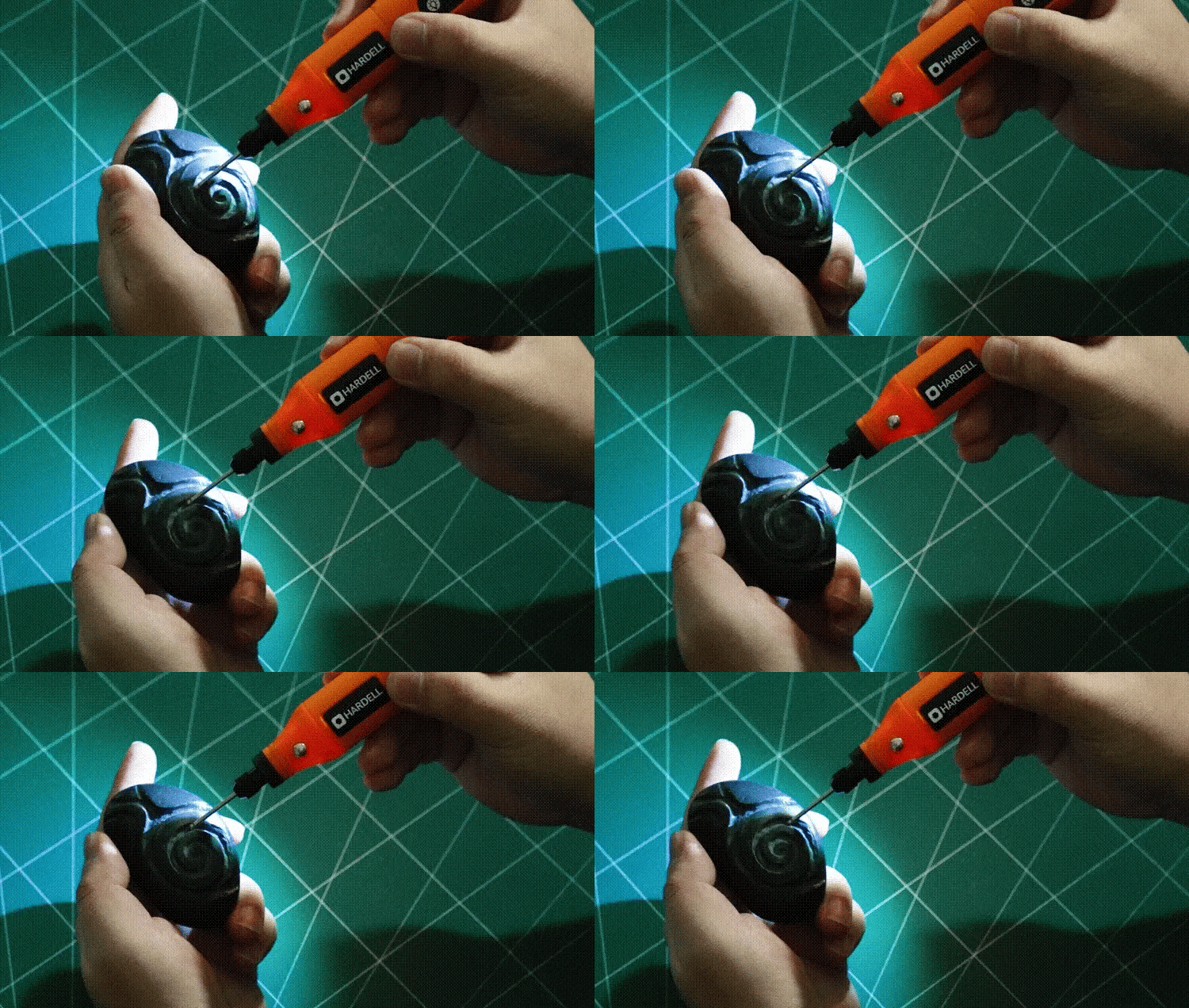
Hold the rotary tool like a pen for better control. Use a firm but gentle grip. Keep your hand steady and move slowly to avoid mistakes. Practice on scrap wood before working on your final piece.
- Hold the tool close to the tip for precision.
- Use your other hand to steady the wood or tool.
- Keep your wrist relaxed to prevent shaking.
- Start with low speed to gain control.
- Wear safety glasses and a dust mask.
Creating Simple Designs
Start with basic shapes like lines, circles, and dots. Simple designs are easier to control and look clean. Draw your design on the wood with a pencil first to guide your engraving.
| Design Type | Tips for Engraving |
| Straight Lines | Move the tool slowly and evenly. |
| Curves | Turn the wood or adjust hand position smoothly. |
| Dots | Hold the tool steady and tap lightly. |
| Patterns | Repeat simple shapes for a consistent look. |
Advanced Engraving Methods
Using a rotary tool for wood engraving can create detailed and artistic designs. Advanced methods help you add more style and precision.
These methods involve careful control of the tool to shape the wood surface with effects like shading and depth.
Shading And Texturing
Shading adds light and dark areas to your engraving. It makes the design look more real and interesting.
Texturing changes the wood surface to create patterns or roughness. Use different bits and speeds for varied textures.
- Use a small round bit for soft shading effects
- Adjust speed for lighter or darker shading
- Try cross-hatching for textured areas
- Move the tool slowly for fine control
Layering And Depth Control
Layering means engraving multiple levels on the wood. It adds depth and makes the design stand out.
Control how deep you cut by adjusting the pressure and time spent on each area. Use sharp bits for clean layers.
- Start with shallow cuts for outlines
- Engrave deeper layers for shadows
- Use different bits for wide and narrow layers
- Check your work often to avoid overcutting
Safety Tips For Engraving
Using a rotary tool for engraving wood can be fun and creative. It is important to stay safe while working with these tools.
This guide shares simple safety tips to protect you during engraving projects.
Protective Gear Recommendations
Wearing the right protective gear keeps you safe from dust, debris, and sharp parts. It also helps prevent injuries.
Always wear these items when engraving wood with a rotary tool.
- Safety goggles to protect your eyes from wood chips
- A dust mask to avoid breathing wood dust
- Hearing protection if the tool is loud
- Gloves to protect your hands from cuts and splinters
- Tight-fitting clothes to avoid getting caught in the tool
Work Area Setup
Set up a clean and organized workspace before starting. This helps prevent accidents and makes engraving easier.
Make sure your work area has these features.
- Good lighting to see your work clearly
- A sturdy table to hold your wood piece steady
- Proper ventilation to reduce dust and fumes
- Keep cords away from the engraving area to avoid tripping
- Have a first aid kit nearby for emergencies
Credit: hardell.com
Maintaining Your Rotary Tool
Keeping your rotary tool in good shape helps it work well for a long time. Regular care prevents damage and improves safety while engraving wood.
Simple maintenance tasks like cleaning and replacing parts can save you money and time. Learn how to care for your tool properly.
Cleaning And Storage
After each use, clean dust and wood chips from your rotary tool. Use a small brush or compressed air to reach tight spots. Wipe the tool with a dry cloth to remove dirt.
- Unplug the tool before cleaning.
- Remove bits and accessories before wiping.
- Store the tool in a dry place away from moisture.
- Keep the tool in its case to avoid damage.
- Check vents and clean to prevent overheating.
Replacing Bits And Accessories
Rotary tool bits wear out over time and need replacement. Using the right bit ensures smooth engraving and protects the tool motor.
| Accessory | Signs to Replace | Replacement Tips |
| Engraving Bits | Dull edges, uneven cuts | Change bits regularly for clean work |
| Sanding Drums | Worn sandpaper, low sanding effect | Use new drums to avoid rough surfaces |
| Cutting Wheels | Cracks, chips, or broken pieces | Replace immediately for safety |
Troubleshooting Common Issues
Using a rotary tool for engraving wood can be tricky. Sometimes, problems like burning or uneven cuts happen.
Knowing how to fix these issues helps you get better results. Here are tips for common problems.
Dealing With Wood Burning
Wood burning happens when the rotary tool moves too slowly or the speed is too high. This can leave dark marks on the wood.
To avoid burning, use a lower speed and move the tool steadily. Also, choose softer woods for easier engraving.
- Lower the rotary tool speed
- Keep the tool moving without stopping
- Use soft wood types like basswood or pine
- Take breaks to let the tool cool down
Fixing Uneven Engraving
Uneven engraving happens when pressure on the tool is not steady or the bit is dull. This causes rough or deep spots.
Keep a firm but gentle grip and use sharp bits. Check the bit often and replace it if needed to keep the cuts smooth.
- Hold the tool steady with even pressure
- Use sharp, clean engraving bits
- Replace dull bits quickly
- Practice on scrap wood first

Credit: eternaltools.com

Credit: www.youtube.com
Frequently Asked Questions
What Is The Best Rotary Tool For Engraving Wood?
Choosing a rotary tool depends on power, speed, and ergonomics. Popular brands like Dremel offer versatile models with adjustable speeds. Look for a tool with at least 20,000 RPM for wood engraving. Ergonomic designs reduce hand fatigue, enhancing precision. Consider models with multiple attachments for diverse engraving styles.
How Do You Engrave Wood With A Rotary Tool?
Begin by selecting the right bit for your design. Secure the wood to prevent movement. Hold the tool like a pencil, and start engraving at a low speed. Gradually increase the speed as you gain confidence. Make shallow cuts first, then deepen them as needed for detail.
Can A Beginner Use A Rotary Tool For Engraving?
Yes, beginners can use a rotary tool for engraving. Start with simple designs and practice on scrap wood. Familiarize yourself with the tool’s speed settings and handling. Safety is crucial, so always wear protective gear, including goggles and gloves. Patience and practice will improve your skills over time.
What Safety Precautions Should Be Taken When Engraving Wood?
Always wear safety goggles and a dust mask to protect your eyes and lungs. Secure your wood piece to prevent slipping. Use the tool at a comfortable speed and grip it firmly. Ensure your work area is well-lit and free of distractions.
Regularly clean the tool to prevent overheating.
Conclusion
Engraving wood with a rotary tool takes practice and patience. Choose the right bits and keep your hand steady. Work slowly to avoid mistakes and achieve clean lines. Always wear safety gear for protection. Keep your workspace well-lit and organized.
Enjoy the creative process and learn from each project. Small steps lead to better results over time. Your skills will improve with regular use. Try different patterns and designs to find your style. Engraving wood can be fun and rewarding.
Give it a try, and see what you create!