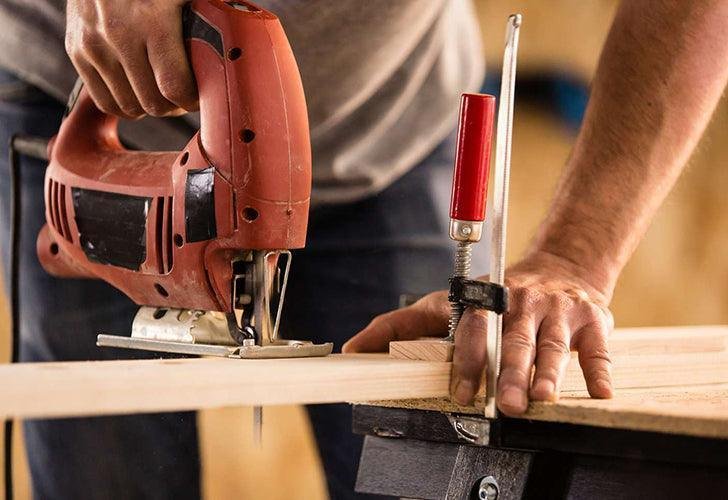
If you want to create beautiful, detailed woodwork, mastering a jigsaw is key. This tool gives you the power to cut curves, shapes, and intricate patterns with ease.
But using a jigsaw the right way isn’t always simple. You might worry about rough edges or making mistakes that ruin your project. Don’t let that stop you. In this guide, you’ll discover clear, step-by-step tips to help you handle your jigsaw like a pro.
By the end, you’ll feel confident to tackle even the most detailed cuts and bring your woodworking ideas to life. Ready to sharpen your skills and transform your projects? Keep reading!
Choosing The Right Jigsaw
A jigsaw is a useful tool for making detailed cuts in wood. Choosing the right one helps you work better and safer.
Picking a jigsaw depends on the type of work and the features you need. Learn about the options before buying.
Types Of Jigsaws
There are two main types of jigsaws: corded and cordless. Each has benefits for woodworking tasks.
Corded jigsaws offer constant power and are best for long jobs. Cordless models are easy to move and use anywhere.
- Corded Jigsaws:Unlimited run time, good for heavy use
- Cordless Jigsaws:Portable, limited by battery life
- Orbital Jigsaws:Blade moves in small circles for faster cuts
- Standard Jigsaws:Straight blade movement for precise cuts
Blade Selection For Precision
The right blade improves cutting accuracy. Choose blades by material and tooth design for your project.
Fine-tooth blades are best for detailed cuts. Coarse blades cut faster but less smoothly.
- Blade Material:High-carbon steel for soft wood, bi-metal for hard wood
- Tooth Count:More teeth per inch (TPI) for fine cuts, fewer for rough cuts
- Blade Shape:Tapered blades for curves, straight blades for straight cuts
Key Features To Look For
Look for features that make cutting easier and more precise. Some features improve control and comfort.
- Variable Speed Control:Adjust speed for different materials
- Orbital Action:Allows faster, rougher cuts or slower, cleaner cuts
- Beveling Base Plate:Lets you cut angles easily
- Dust Blower:Keeps the cut line clear
- Ergonomic Handle:Provides a comfortable grip for better control
Preparing Your Workspace
Before using a jigsaw for detailed woodworking, prepare your workspace carefully. A clean and organized area helps you work safely and efficiently.
Proper preparation reduces mistakes and keeps your tools in good condition. This guide covers key steps to get your workspace ready.
Setting Up A Stable Surface
Choose a flat, sturdy surface to work on. Stability prevents accidents and ensures precise cuts with your jigsaw.
A solid workbench or table is best. Avoid wobbly or uneven surfaces that can shift while cutting.
- Clear the surface of clutter
- Use clamps to hold wood firmly
- Make sure the surface is at a comfortable height
- Check that the work area has good lighting
Safety Gear Essentials
Wear proper safety gear to protect yourself. Jigsaw use involves sharp blades and flying wood chips.
Safety equipment lowers the risk of injury and keeps you focused on your work.
- Safety glasses to protect your eyes
- Hearing protection if noise is loud
- Dust mask to avoid breathing sawdust
- Gloves to protect your hands from splinters
Organizing Tools And Materials
Keep all your tools and materials within reach. Organization saves time and avoids distractions.
Arrange your jigsaw, extra blades, measuring tools, and wood pieces neatly before starting.
- Place jigsaw on a stable spot
- Sort blades by type and size
- Keep measuring tape and pencil nearby
- Store scrap wood separately
Jigsaw Setup And Maintenance
Using a jigsaw well means setting it up right and keeping it clean. This helps your tool work better and last longer.
This guide shows how to install blades, adjust settings, and care for your jigsaw.
Installing And Changing Blades
Always unplug the jigsaw before changing blades. This keeps you safe from accidents.
To install a blade, open the blade clamp and insert the blade with teeth facing forward. Close the clamp securely.
- Use the right blade type for your wood project.
- Make sure the blade is tight to avoid wobbling.
- Change blades if they are dull or broken.
Adjusting Speed And Orbital Settings
Speed and orbital settings control how fast and rough your cuts are. Adjust these based on the wood type.
Lower speed is best for detailed work. Higher speed cuts faster but less smooth.
- Use low orbital setting for smooth cuts on soft wood.
- Higher orbital settings cut faster in hard wood but make rough edges.
- Test settings on scrap wood before cutting your project.
Routine Care For Optimal Performance
Clean your jigsaw after each use. Remove dust and wood chips from vents and blade area.
Check the power cord and switch regularly. Fix any damage to keep the tool safe.
- Use a soft brush or cloth to clean the jigsaw.
- Lubricate moving parts as the manual suggests.
- Store the jigsaw in a dry place to avoid rust.

Credit: onevantool.com
Techniques For Precision Cuts
Using a jigsaw for detailed woodworking needs focus and care. Precision cuts improve your project’s look and fit. This guide shares easy ways to cut with accuracy.
Learn how to mark, control movement, and cut curves to get clean and exact cuts every time you use your jigsaw.
Marking And Measuring Accurately
Accurate marking helps you follow the cut line perfectly. Use a sharp pencil or fine-tip marker for clear lines on wood. Measure twice before marking once.
- Use a ruler or tape measure to get exact lengths
- Check angles with a protractor or square tool
- Draw guide lines lightly so you can erase if needed
- Clamp the wood to keep it steady while marking
Controlling The Jigsaw Movement
Hold the jigsaw firmly and move it slowly to keep the cut straight. Avoid forcing the blade. Let it cut at its own speed for smooth edges.
| Tip | Detail |
| Grip | Hold the jigsaw with both hands if possible. |
| Speed | Use a medium speed for better control. |
| Pressure | Apply light, steady pressure; don’t push hard. |
| Support | Use clamps to secure the wood piece firmly. |
Cutting Curves And Intricate Shapes
Cutting curves needs patience and steady hands. Choose a fine blade made for curves. Follow the line slowly and keep the jigsaw balanced.
Use these tips for smooth curves:
- Start cutting from outside the curve and move inward
- Make relief cuts on tight curves to avoid blade bending
- Keep the base plate flat on the wood to reduce vibration
- Practice on scrap wood before cutting your project piece
Handling Common Challenges
Using a jigsaw for detailed woodworking can be tricky. You may face problems like the blade moving off track, wood tearing, or cuts not being accurate.
This guide explains how to handle these common challenges to improve your woodworking results.
Avoiding Blade Wander
Blade wander happens when the jigsaw blade moves away from the cutting line. It makes your cuts less precise and can spoil the design.
To avoid blade wander, make sure the blade is sharp and suitable for the wood type. Use a blade with fine teeth for detailed cuts. Keep the jigsaw steady and guide it slowly along the line.
- Choose the right blade for your wood
- Keep the blade sharp
- Hold the jigsaw firmly
- Move the tool slowly and steadily
- Use a guide or fence for straight cuts
Dealing With Tear-out
Tear-out happens when wood fibers split at the cut edges. It makes the edges rough and uneven. This is common with soft or thin wood.
To reduce tear-out, use a fine-tooth blade and cut slowly. Place masking tape on the cutting line before cutting. Cut from the good side of the wood to keep tear-out on the back.
- Use a fine-tooth blade for cleaner cuts
- Apply masking tape on the cut line
- Cut from the side you want smooth
- Make a shallow first pass before cutting fully
Fixing Inaccurate Cuts
Inaccurate cuts happen when your jigsaw does not follow the marked lines closely. This can ruin your project’s shape and fit.
To fix inaccurate cuts, mark your lines clearly with a pencil. Use a straight edge or template to guide the jigsaw. Check blade tension and replace dull blades. Practice cutting on scrap wood to improve control.
- Mark lines clearly and accurately
- Use guides like straight edges or templates
- Check blade tension before cutting
- Replace dull or bent blades
- Practice on scrap wood before the real cut

Credit: www.youtube.com
Advanced Tips For Detailed Woodworking
Using a jigsaw for detailed woodworking requires skill and the right techniques. This guide shares tips to help you improve your cuts and finish your projects smoothly.
Focus on precision and control by using accessories, combining tools, and finishing edges carefully. These tips will help you get cleaner and more accurate results.
Using Guide Accessories
Guide accessories help keep your cuts straight and steady. Use edge guides or clamps to secure the wood and improve control. These tools reduce mistakes and save time.
- Attach an edge guide to your jigsaw for straight cuts.
- Use clamps to hold the wood firmly in place.
- Try a circle cutting guide for perfect curves.
- Use a dust blower attachment for a clear view of the cut line.
Combining Jigsaw Cuts With Other Tools
Some cuts need a mix of tools for the best finish. Start with the jigsaw to make rough cuts. Then, use files, chisels, or sanders to refine the shapes and details.
| Tool | Purpose |
| Jigsaw | Rough or curved cuts |
| File | Shape and smooth edges |
| Chisel | Clean corners and small details |
| Sander | Finish and smooth surfaces |
Finishing Edges Smoothly
After cutting, edges may be rough or uneven. Use fine grit sandpaper to smooth edges. Sand along the grain to avoid scratches. A sanding block helps keep even pressure.
Try these tips for smooth edges:
- Start with medium grit sandpaper (120–150 grit).
- Switch to fine grit (220 grit) for a polished finish.
- Use a damp cloth to wipe away dust between sanding.
- Check edges with your hand to feel for rough spots.

Credit: www.findbuytool.com
Frequently Asked Questions
How Do I Choose The Right Jigsaw Blade?
Choosing the right jigsaw blade depends on the material you’re cutting. Use a fine-toothed blade for wood and a metal-specific blade for metals. Consider the thickness and type of material to ensure clean cuts. Always refer to your jigsaw’s manual for recommended blade types.
What Safety Gear Is Needed For Jigsaw Use?
Safety gear is essential when using a jigsaw. Wear safety goggles to protect your eyes from debris. Use ear protection to prevent hearing damage. Wear gloves to improve grip and avoid cuts. Ensure proper ventilation in your workspace to minimize dust inhalation.
How Can I Achieve Accurate Cuts With A Jigsaw?
Achieving accurate cuts requires preparation. Secure the material firmly to prevent movement. Mark your cut line clearly with a pencil or tape. Use a guide or straight edge to follow the cut line precisely. Practice steady hand movements to maintain control and accuracy.
Can I Use A Jigsaw For Intricate Designs?
Yes, a jigsaw is ideal for intricate designs. Use a fine-toothed blade for detailed cuts. Practice on scrap wood to gain confidence. Adjust the speed setting for better control. Make slow, steady movements to follow complex patterns accurately.
Conclusion
Operating a jigsaw can be simple and fun with practice. Follow safety steps and use the right blade. Take your time to make smooth, detailed cuts. Keep your hands steady and watch your progress. This tool helps create many wood shapes and designs.
Enjoy working on projects and improving your skills. Each cut brings you closer to your perfect piece. Remember, patience and care lead to great results. Your woodworking will become more precise with every try. Keep practicing and have confidence in your work.