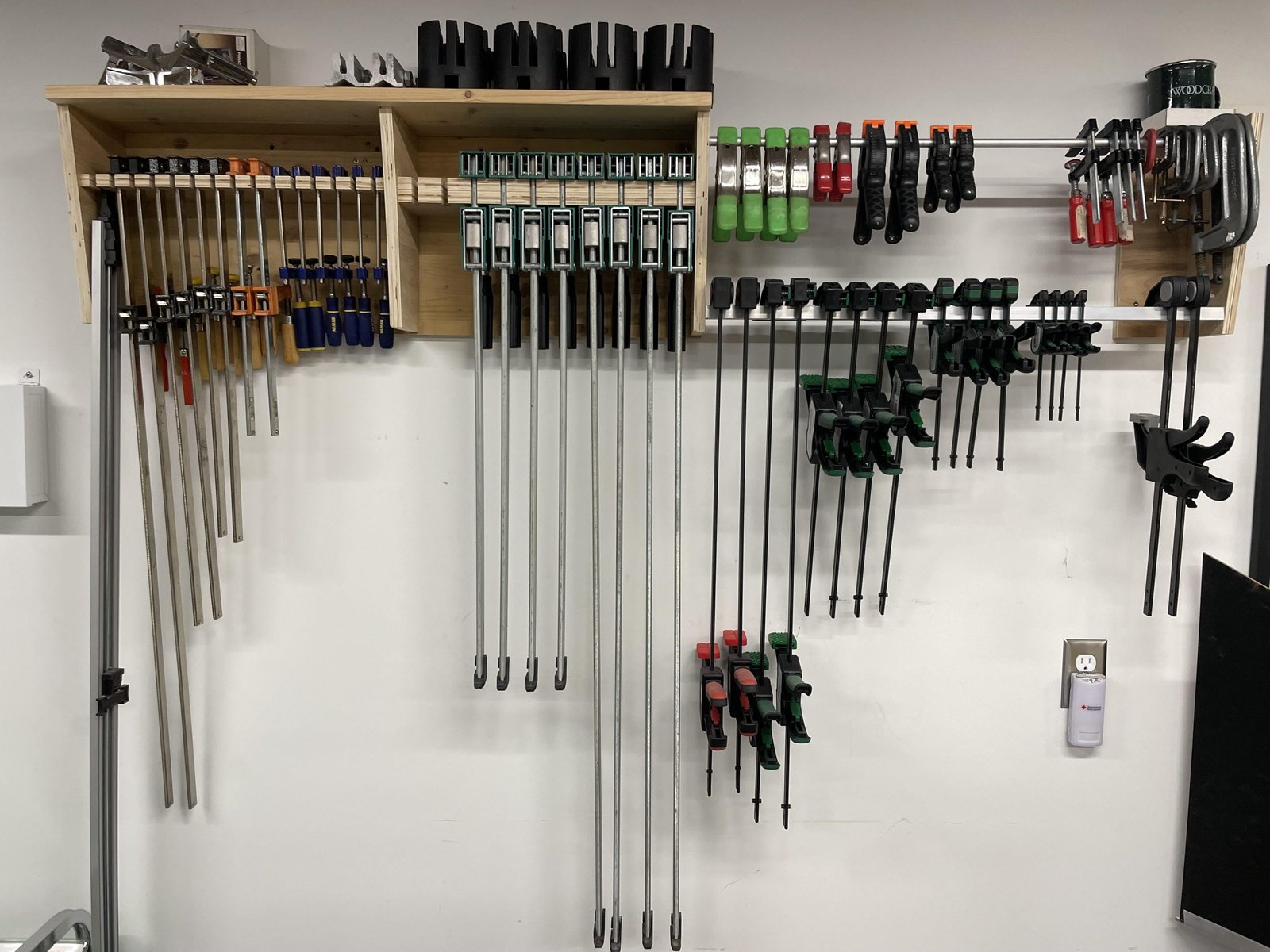
Are your clamps always tangled or hard to find when you need them? Storing clamps in drawers the right way can save you time and keep your workspace neat.
Imagine opening a drawer and instantly spotting the clamp you want—no more frustration or wasted minutes. You’ll discover simple and effective tips to organize your clamps so they stay accessible and damage-free. Keep reading to transform your cluttered drawers into a perfectly organized clamp station.
Credit: www.woodworkingtalk.com
Choosing The Right Drawer
Storing clamps properly keeps your workspace tidy and safe. Choosing the right drawer is key to easy access and good organization.
Consider size and material before picking a drawer for your clamps. This helps protect your tools and saves space.
Assessing Drawer Size And Depth
Measure your clamps to find the drawer size you need. The drawer should be deep enough to hold clamps without bending or crowding.
- Check clamp length and width
- Allow extra space for handles and pads
- Choose a drawer with good depth for tall clamps
- Consider drawer width to avoid stacking too many clamps
Material Considerations For Durability
Drawers made from strong materials last longer and hold heavy clamps well. Think about the drawer’s material before buying or building.
| Material | Durability | Weight Support | Common Use |
|---|---|---|---|
| Solid Wood | High | Strong | Workshop and Garage |
| Plywood | Medium-High | Moderate to Strong | DIY and Storage Units |
| Metal | Very High | Very Strong | Industrial and Heavy-Duty |
| Plastic | Low to Medium | Lightweight | Light Storage |
Preparing Clamps For Storage
Storing clamps properly helps keep them in good shape. Taking time to prepare clamps before putting them away saves space and prevents damage.
Organizing clamps starts with cleaning and grouping. These steps make it easier to find the right clamp later.
Cleaning And Maintenance
Clean clamps after each use to remove dust, glue, or dirt. Use a dry cloth or brush for surface dirt. For sticky glue, gently use warm soapy water.
Check clamps for rust or damage. Lightly oil metal parts to stop rust. Tighten any loose screws or handles before storing.
- Wipe dirt and debris off clamps
- Use warm soapy water for sticky spots
- Dry clamps completely before storage
- Apply light oil to metal parts
- Tighten screws and handles
Grouping Clamps By Type And Size
Group clamps by their type and size before storing. This makes it easy to find the clamp you need for your project.
Store similar clamps together in drawers or bins. Keep small clamps in one area and larger clamps in another.
- Group bar clamps separately from C-clamps
- Arrange clamps from smallest to largest
- Use drawer dividers or boxes for separation
- Label storage areas for quick access
Organizing Techniques
Storing clamps in drawers keeps your workspace neat. Using good organizing methods saves time and effort.
This guide covers three ways to organize clamps: using dividers, stacking methods, and labeling for quick access.
Using Dividers And Inserts
Dividers and inserts create separate spaces inside drawers. They stop clamps from moving around and getting mixed up.
- Use wooden or plastic dividers to separate clamp types.
- Insert foam or soft material to protect clamp jaws.
- Adjust inserts to fit different clamp sizes.
- Keep similar clamps in the same compartment.
Stacking Vs. Laying Flat
Choosing how to place clamps affects drawer space and clamp condition. You can stack clamps or lay them flat.
| Method | Benefits | Drawbacks |
| Stacking | Saves drawer space and fits many clamps. | May cause scratches or damage if not padded. |
| Laying Flat | Prevents clamp damage and easy to grab. | Uses more drawer space. |
Labeling For Easy Access
Labels help find clamps quickly. Use clear marks on dividers or drawer surfaces.
Labeling ideas:
- Write clamp size on drawer edges.
- Use color-coded stickers for clamp types.
- Attach small tags to clamps with their size.
- Place labels inside drawer compartments.

Credit: www.rockler.com
Space-saving Accessories
Clamps can take up a lot of space in your workshop. Using smart accessories helps keep them neat. This also frees up room for other tools and materials.
Drawers are a great place to store clamps. Adding the right accessories makes the storage more efficient and easy to access.
Magnetic Strips And Hooks
Magnetic strips and hooks save space by holding clamps on drawer walls or sides. They keep clamps visible and easy to grab. This method prevents clamps from piling up at the bottom.
- Attach magnetic strips along the drawer sides
- Use strong magnets that hold clamp metal parts firmly
- Install hooks to hang clamps by their handles
- Group clamps by size or type for fast selection
- Keep frequently used clamps near the top for quick access
Adjustable Drawer Organizers
Adjustable drawer organizers help separate clamps by size and shape. They prevent clamps from sliding and scratching each other. You can change the sections to fit new clamps later.
| Organizer Type | Material | Benefits |
|---|---|---|
| Plastic Dividers | Durable plastic | Easy to clean, adjustable width |
| Wooden Inserts | Wood | Strong, customizable compartments |
| Foam Inserts | Foam | Soft, protects clamps from scratches |
Maximizing Drawer Space
Storing clamps in drawers can save space and keep your workspace tidy. Using the drawer space well helps you find clamps quickly.
Organizing clamps smartly in drawers helps avoid clutter. It also protects the clamps from damage and dust.
Vertical Storage Options
Storing clamps vertically in drawers uses less floor space. It keeps clamps easy to see and grab.
You can use dividers or small racks inside the drawer. These help keep clamps upright and separate.
- Use adjustable dividers to fit clamp sizes
- Place clamps with handles up for quick access
- Store clamps side by side to avoid tangling
- Use foam inserts to hold clamps in place
Utilizing Drawer Depth Efficiently
Drawers can be deep, so use the full depth to store clamps. Lay longer clamps flat at the bottom.
Stack smaller clamps on top using trays or shelves. This keeps clamps organized and easy to reach.
- Place large clamps at the bottom of the drawer
- Use shallow trays for smaller clamps on top
- Stack clamps carefully to avoid damage
- Label sections for quick clamp selection
Maintenance And Upkeep
Keeping clamps stored properly in drawers helps them last longer. Regular care stops rust and damage.
This guide covers how to check and clean clamps and how to keep them organized by season.
Regular Inspection And Cleaning
Check clamps often for dirt, rust, and wear. Clean them to keep parts moving well.
- Look for rust or bent parts on clamps.
- Use a dry cloth to wipe off dust and dirt.
- Apply light oil to metal joints to stop rust.
- Remove any stuck glue or debris carefully.
- Test clamps to see if they open and close smoothly.
Reorganizing For Seasonal Tools
Move clamps you use less often to the back of drawers. Keep frequently used clamps in front.
| Season | Storage Tip |
| Spring | Store clamps for outdoor projects separately. |
| Summer | Keep clamps for woodworking easy to reach. |
| Fall | Clean and store clamps used for home repairs. |
| Winter | Pack away large clamps not needed indoors. |

Credit: www.rockler.com
Frequently Asked Questions
How Do You Organize Clamps In Drawers?
To organize clamps in drawers, use dividers or trays. This keeps them separated and easily accessible. Label each section for specific clamp types. Consider using foam inserts for a custom fit. Regularly check and adjust the arrangement for optimal efficiency.
What Materials Help In Storing Clamps?
Use materials like foam, rubber, or felt to line drawers. These materials prevent scratches and movement. Foam inserts can be cut to fit specific clamp shapes. Rubber mats provide grip, keeping clamps in place. Select durable materials to withstand frequent use.
Can Clamp Storage Save Space?
Yes, clamp storage can save space significantly. Use vertical dividers or stackable trays in drawers. This maximizes space utilization. Proper organization reduces clutter and improves accessibility. Consider adjustable dividers for flexible arrangements. Efficient storage enhances workshop productivity.
Are Drawer Dividers Useful For Clamps?
Drawer dividers are very useful for storing clamps. They separate different clamp types and sizes. This organization prevents tangling and damage. Dividers also improve accessibility by keeping clamps neatly arranged. Adjustable dividers offer flexibility, accommodating various clamp collections.
Conclusion
Storing clamps in drawers keeps your workspace tidy and safe. Use dividers or trays to separate different clamp types. Label each section for quick access during projects. Regularly check and clean your clamps to extend their life. Proper storage saves time and prevents damage.
A neat drawer helps you focus on your work. Simple steps make a big difference in tool organization. Keep clamps ready and easy to find when needed.