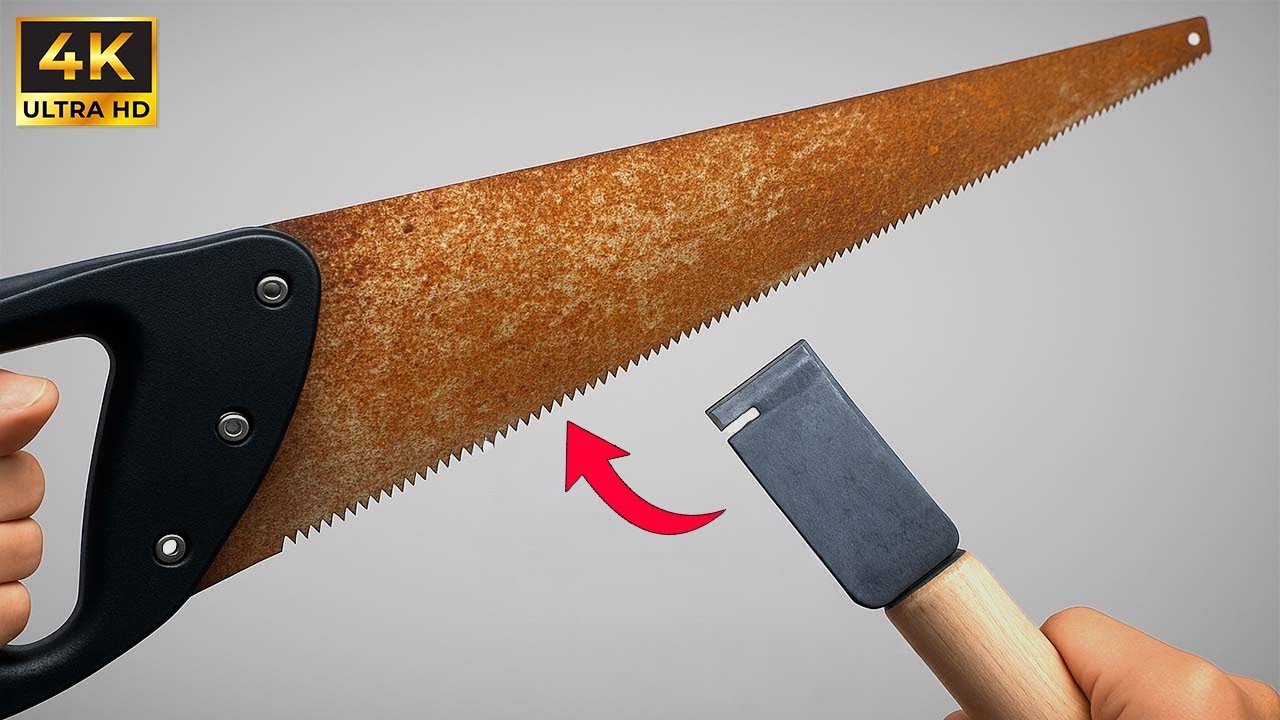
If you use hand saws regularly, you know how important it is to keep them sharp and ready. A well-maintained saw not only makes your work easier but also keeps you safe from accidents.
But how do you make sure your saw lasts longer and performs at its best? You’ll discover simple, practical tips that can save you time, money, and frustration. Keep reading to learn how to take care of your hand saws like a pro.
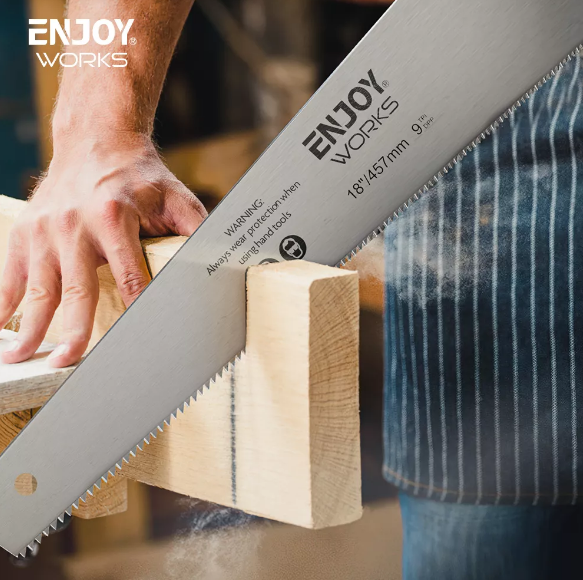
Credit: www.enjoytools-sh.com
Choosing The Right Hand Saw
Picking the right hand saw makes your work easier and safer. It helps you cut better and last longer.
Learn about the types, materials, and handles to find the best saw for your needs.
Types Of Hand Saws
Different hand saws cut different materials and shapes. Choose one that fits your project.
- Crosscut saw: cuts across wood grain
- Rip saw: cuts along wood grain
- Back saw: has a reinforced edge for fine cuts
- Keyhole saw: used for small or curved cuts
- Bow saw: good for pruning and rough cuts
Selecting Based On Material
The material of the saw blade affects its strength and sharpness. Match the saw to your material.
| Material | Best Saw Type | Blade Feature |
|---|---|---|
| Softwood | Rip saw | Large, widely spaced teeth |
| Hardwood | Crosscut saw | Smaller, sharp teeth |
| Metal or plastic | Hacksaw | Fine-toothed blade |
| Drywall | Keyhole saw | Thin, pointed blade |
Ergonomic Handles
Good handles reduce hand fatigue and give better control. Look for comfort and grip.
- Wood handles feel natural and absorb shock
- Plastic handles are lightweight and often textured
- Rubber grips prevent slipping in sweaty hands
- Check that the handle fits your hand size well
- Secure attachment to the blade is important
Proper Cleaning Techniques
Keeping your hand saws clean helps them last longer and work better. Dirt and resin can build up on the blade and slow you down.
Regular cleaning removes this buildup and keeps the saw sharp and safe to use.
Removing Resin And Dirt
Resin and dirt stick to the saw blade during use. Removing them stops the blade from getting dull or sticky.
Use a cloth with a little mineral spirits or a special saw blade cleaner. Rub the blade gently to clear the buildup.
- Apply cleaner to a soft cloth
- Wipe both sides of the blade carefully
- Use a brush for stubborn spots
- Dry the blade fully after cleaning
Using The Right Cleaning Tools
Choosing the right tools makes cleaning easier and protects your saw. Avoid anything that can scratch or damage the blade.
Soft cloths, nylon brushes, and plastic scrapers work well. Metal brushes or steel wool can harm the blade’s teeth.
- Soft cloths for wiping
- Nylon brushes for hard-to-reach spots
- Plastic scrapers for sticky resin
- A small container for cleaning solution
Preventing Rust
Rust damages your saw blade and lowers its life. Keep your saw dry and clean to stop rust from forming.
After cleaning, apply a light coat of oil to the blade. Store the saw in a dry place away from moisture.
- Wipe off moisture after use
- Apply machine oil or rust inhibitor
- Use a blade cover for storage
- Keep saws in a dry toolbox or cabinet
Sharpening Methods
Keeping your hand saw sharp improves its cutting power. Dull saws make work harder and less safe.
Sharpening hand saws takes care and the right tools. Learn key steps to maintain sharp teeth.
Identifying Dullness
Check if your hand saw cuts slowly or needs extra force. Rough or splintered cuts also show dullness. Inspect the teeth for rounded or chipped edges.
Filing The Teeth
Use a triangular file to sharpen each tooth. File in one direction, matching the original angle. Keep strokes even to keep the teeth uniform.
- Secure the saw in a vise for stability.
- File each tooth carefully and evenly.
- Check teeth sharpness by touch or sight.
- Remove any burrs with a fine file.
Setting The Teeth
Setting means bending teeth slightly outward to make a wider cut. This prevents the saw from binding in the wood.
| Tool | Purpose | Tip |
| Saw Set Pliers | Bend teeth evenly | Use gentle pressure |
| Hammer and Anvil | Set teeth manually | Tap lightly for control |
| Gauge | Measure tooth set width | Check regularly during work |
Storage Tips
Keeping your hand saws in good shape starts with proper storage. Correct storage stops damage and keeps blades sharp.
Follow simple rules to protect your saws from rust and wear. A good storage plan saves you time and money.
Avoiding Moisture
Moisture causes rust and ruins your hand saws. Store saws in dry places, away from damp air and water.
- Use a dehumidifier in your workshop
- Keep saws off the floor to avoid water contact
- Wipe saw blades dry before storing
- Store saws in closed cabinets or drawers
Using Protective Covers
Protective covers guard saw blades from dust and damage. They also prevent accidental cuts.
| Cover Type | Benefit |
|---|---|
| Leather sheath | Durable and protects blade edges |
| Plastic blade guard | Lightweight and prevents rust |
| Cloth wrap | Easy to use and stores saws safely |
Organizing For Accessibility
Organize saws for quick access. Arrange by size or use so you find the right tool fast.
- Wall-mounted racks keep saws visible and off surfaces.
- Toolboxes with compartments separate each saw.
- Magnetic strips hold metal saws securely.
Regular Maintenance Routine
Keeping your hand saws in good shape helps them cut better and last longer. Regular maintenance is simple and saves time.
Follow easy steps to inspect, lubricate, and handle your saws carefully. These habits protect your tools.
Frequency Of Inspection
Check your hand saw before and after each use. Look for damage and dirt on the blade and handle.
Regular checks prevent small problems from growing. Fix issues early to keep the saw safe and sharp.
- Inspect teeth for chips or dull spots
- Check handle for cracks or looseness
- Look for rust or dirt on the blade
- Make sure the blade is straight and firm
Lubrication Practices
Lubricate your hand saw blade to reduce friction and prevent rust. Use light oil or special saw lubricants.
Apply lubricant after cleaning the blade. Wipe off excess oil to avoid attracting dust and dirt.
- Clean the blade with a dry cloth first
- Use a soft cloth to apply oil evenly
- Lubricate the blade before storage
- Avoid over-lubricating to keep the saw clean
Handling And Usage Tips
Handle your saw carefully to avoid damage. Use smooth, steady strokes while cutting to protect the blade and teeth.
Store the saw in a dry place. Keep it away from moisture and heavy objects that could bend or break the blade.
- Hold the saw firmly but gently
- Cut with even pressure and speed
- Store saws in a case or on a rack
- Keep saws away from damp or dusty areas

Credit: kakuritools.com
Common Mistakes To Avoid
Hand saws need care to work well and last long. Avoiding mistakes helps keep them sharp and safe.
Learn which errors to watch for. Fixing them can save your saw and time.
Over-sharpening
Sharpening your saw too much can wear out the teeth. This makes cutting harder and less accurate.
- Only sharpen when teeth look dull or damaged.
- Use the right tools and follow the original tooth shape.
- Avoid filing too often or too deep.
- Check your work regularly to keep even edges.
Improper Cleaning
Dirty saws can rust or jam. Cleaning your saw correctly removes debris and protects metal parts.
| Cleaning Step | What to Use | Tip |
|---|---|---|
| Remove sawdust | Brush or cloth | Brush teeth gently after use |
| Clean sap or pitch | Mineral spirits or warm soapy water | Wipe dry quickly to avoid rust |
| Prevent rust | Light oil coating | Apply thin oil before storing |
Neglecting Storage
Leaving your saw in bad places causes damage. Proper storage keeps teeth safe and metal dry.
- Store saws in a dry place away from moisture.
- Use blade guards or sheaths to protect teeth.
- Hang saws on hooks or keep flat to avoid bending.
- Keep saws out of reach of children for safety.

Credit: www.findbuytool.com
Frequently Asked Questions
How Often Should I Clean My Hand Saw?
It’s recommended to clean your hand saw after each use. Regular cleaning prevents rust and buildup of debris. Use a cloth to wipe the blade and handle. For stubborn residue, a mild detergent solution works best. Keeping your saw clean ensures longevity and optimal performance.
What Oil Is Best For Saw Maintenance?
Mineral oil is ideal for maintaining hand saws. It provides a protective layer against rust and corrosion. Apply a light coating to the blade after cleaning. Avoid using vegetable oils as they can become sticky over time. Regular oiling keeps your saw in top condition.
How Can I Prevent My Saw From Rusting?
Store your hand saw in a dry, cool place to prevent rust. Use a protective blade cover when not in use. Regularly oil the blade to create a rust-resistant barrier. Ensure the saw is dry before storage. These practices help in maintaining a rust-free saw.
What’s The Best Way To Sharpen A Hand Saw?
Use a file designed for saw sharpening for the best results. Secure the saw in a vise for stability. Follow the tooth angle when filing for precision. Regular sharpening ensures efficient cutting and prolongs the saw’s lifespan. Always wear safety gloves during the process.
Conclusion
Keeping your hand saws clean and sharp extends their life. Store them in a dry place to avoid rust. Regularly check the blade for any damage or wear. Use the right techniques when cutting to protect the saw. Small care steps make a big difference over time.
Enjoy better cuts and safer work with well-kept saws. Simple habits keep your tools ready for every project. Take time to maintain, and your saws will last longer.