
If you love gardening or want to start growing your own plants, learning how to use a garden trowel is one of the best skills you can master. This simple tool can make your planting easier, faster, and more enjoyable.
Imagine digging perfect holes, moving soil without a mess, and giving your plants the best start possible. In this guide, you’ll discover exactly how to use your garden trowel like a pro, even if you’re a beginner. Keep reading to unlock tips and tricks that will help your garden thrive!
Choosing The Right Trowel
Using the right garden trowel makes planting easier and more efficient. Choosing a trowel depends on your planting needs and comfort.
This guide covers types of garden trowels, materials, and ergonomic handles to help you pick the best one.
Types Of Garden Trowels
Garden trowels come in different shapes and sizes. Each type fits specific gardening tasks. Knowing these helps you pick a tool that suits your work.
- Transplanting Trowel:Narrow blade for moving seedlings and small plants.
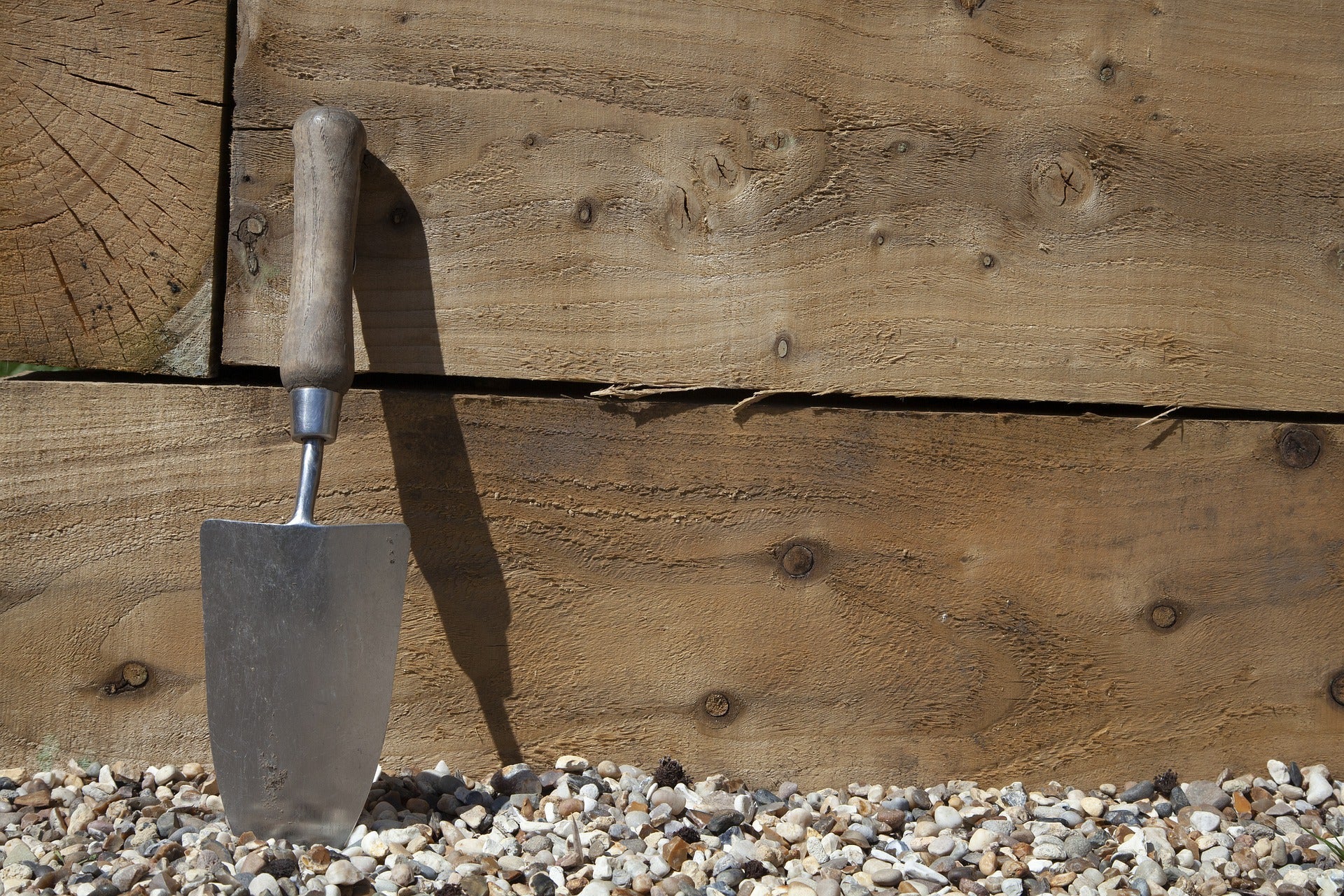
- Digging Trowel:Wide, deep blade for digging soil and making holes.
- Weeding Trowel:Sharp, pointed blade to remove weeds and roots.
- Drainage Trowel:Slotted blade to allow water flow while digging.
Materials And Durability
Trowels are made from different materials. Each material affects how long the trowel lasts and how well it works.
| Material | Durability | Weight | Maintenance |
| Stainless Steel | High resistance to rust and corrosion | Medium weight | Easy to clean |
| Carbon Steel | Very strong but may rust without care | Lightweight | Needs oiling to prevent rust |
| Aluminum | Resists rust but less strong | Very light | Low maintenance |
| Plastic | Less durable, breaks easily | Very light | Easy to clean |
Ergonomic Handles
Comfortable handles reduce hand strain during gardening. Ergonomic designs fit the hand’s natural shape and improve grip.
- Soft rubber grips prevent slipping and increase comfort.
- Curved handles match hand shape to reduce fatigue.
- Wooden handles are sturdy but may need sanding over time.
- Handles with a hanging hole allow easy storage.
:max_bytes(150000):strip_icc()/GettyImages-2189558508-3c8fd22d413e4e369d52335826f6dbad.jpg)
Credit: www.thespruce.com
Preparing Your Planting Area
Preparing the soil before planting helps your plants grow well. You need to clear the area, loosen the soil, and mark where each plant will go.
This guide shows simple ways to get your garden ready using a garden trowel.
Clearing Soil And Debris
Remove stones, weeds, and old roots from the soil. A clean area helps plants take root better. Use your trowel to dig out debris carefully.
- Pull out weeds by the roots
- Pick up stones and sticks
- Clear old plant remains
- Dispose of debris away from the planting spot
Loosening The Soil
Loosen the soil to improve air and water flow. Use your trowel to break up hard soil and mix in organic matter like compost.
| Soil Condition | How to Loosen |
| Hard and compact | Dig deeply and break large clumps |
| Dry soil | Moisten before loosening |
| Clay soil | Mix in sand or compost |
| Sandy soil | Add organic matter to hold moisture |
Marking Planting Spots
Mark where each plant will go to keep your garden organized. Use your trowel to make small holes or shallow trenches.
Tips for marking spots:
- Measure spacing between plants
- Use sticks or stones to mark holes
- Check sun and shade areas before marking
Using The Trowel For Planting
A garden trowel is a small, handheld tool used for planting and digging. It helps gardeners prepare soil and move plants easily. Using a trowel correctly makes planting faster and less tiring.
This guide explains how to use a garden trowel for digging holes, transplanting seedlings, and filling soil around plants.
Digging Holes Efficiently
Use the trowel to dig holes that are just the right size for your plants. Press the blade into the soil at a slight angle and scoop out dirt. Make holes deep enough for roots to spread comfortably.
- Hold the trowel firmly by the handle.
- Push the blade into the soil with steady force.
- Lift out soil and place it to the side.
- Check the hole depth and widen if needed.
- Repeat for each plant to be planted.
Transplanting Seedlings
Careful transplanting protects young plants. Gently loosen soil around seedlings with the trowel. Lift seedlings with some soil around the roots. Place them into the new hole and cover the roots fully.
| Action | Tip |
| Loosen soil | Use the trowel blade to avoid root damage |
| Lift seedling | Hold base gently, keep soil intact |
| Place in hole | Center the seedling upright |
| Cover roots | Fill hole with soil and pat lightly |
Filling And Firming Soil
After planting, use the trowel to fill the hole with soil. Spread soil evenly around the plant roots. Firm the soil gently to remove air pockets and support the plant.
- Fill the hole with loose soil using the trowel.
- Press soil down gently but firmly with the trowel handle or fingers.
- Check that the plant stands straight and soil is level.
- Water the plant to help soil settle further.
Maintaining Your Garden Trowel
Keeping your garden trowel in good shape helps it last longer. Regular care makes planting easier and more effective.
Simple maintenance tasks like cleaning, sharpening, and storing your trowel properly keep it ready for use.
Cleaning After Use
Clean your garden trowel after each use. Dirt and moisture can cause rust and damage the blade.
Use water and a brush to remove soil. Dry the trowel well before storing it.
- Remove soil with a stiff brush
- Rinse with water if needed
- Wipe dry with a cloth
- Apply light oil to metal parts to prevent rust
Sharpening The Blade
A sharp blade cuts through soil easily. Keep the trowel blade sharp for better planting results.
Use a sharpening stone or metal file to sharpen the blade. Follow the blade’s edge angle and work slowly.
- Hold the blade steady
- Move the sharpener along the edge at a consistent angle
- Sharpen both sides evenly
- Clean the blade after sharpening
Storage Tips
Store your garden trowel in a dry place to avoid rust and damage. Keep it away from moisture and dirt.
Hang the trowel or place it in a tool rack. Make sure the blade does not touch hard surfaces.
- Store indoors or in a dry shed
- Hang on hooks or pegboards
- Use protective covers if available
- Keep away from children’s reach
Common Mistakes To Avoid
Using a garden trowel seems simple but many make avoidable errors.
These mistakes can harm plants or make work harder. Learn what to skip.
Overloading The Trowel
Putting too much soil or heavy material on the trowel can break it or strain your wrist.
- Do not scoop large piles at once
- Use smaller amounts for better control
- Keep the trowel balanced to avoid tipping
- Empty the trowel often to keep it light
Ignoring Soil Conditions
Different soils need different care. Hard or rocky soil can damage your trowel.
| Soil Type | Best Trowel Action |
| Clay | Use slow, steady digging to avoid sticking |
| Sandy | Dig gently to prevent crumbling |
| Rocky | Remove stones first to protect the blade |
Using The Wrong Trowel For Tasks
Each trowel suits certain jobs. Using the wrong one wastes effort and may break tools.
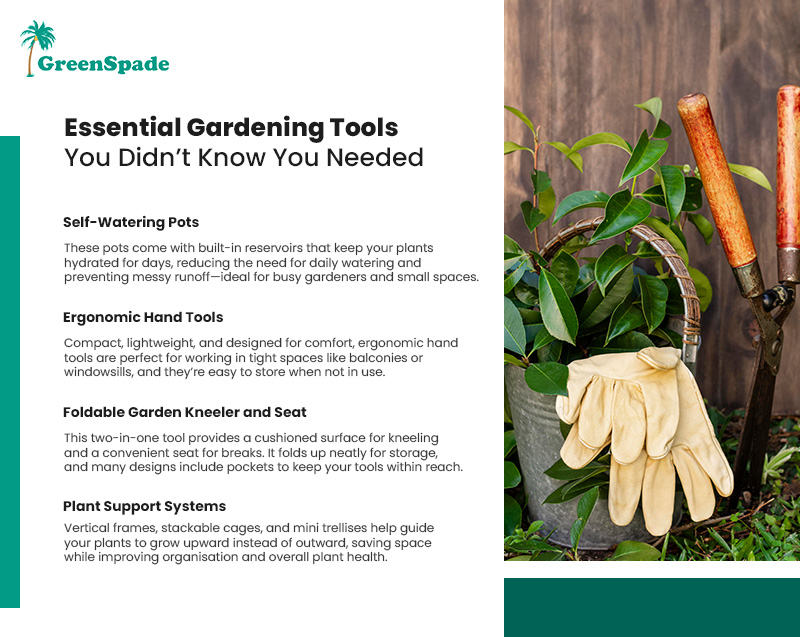
Common trowel types and their uses:
- Transplanting trowel:narrow and sharp for moving plants
- Digging trowel:wider blade for loosening soil
- Weeding trowel:thin blade for removing roots
Credit: greenspade.sg
Advanced Tips For Expert Gardeners
Garden trowels are essential tools for planting. Using them well saves time and effort.
Experts can improve their planting skills with some advanced tips. These tips help make gardening easier and more precise.
Customizing Your Trowel
Customizing your trowel makes it fit your hand and planting style better. You can work longer without discomfort.
Try adding a soft grip handle or adjusting the blade shape. Some gardeners sharpen the blade for easier cutting through soil.
- Wrap the handle with grip tape for comfort
- Use a file to sharpen the blade edges
- Choose a blade shape for digging or scooping
- Attach a wrist strap to prevent drops
Maximizing Efficiency
Using your trowel efficiently speeds up planting tasks. It also reduces strain on your hands and arms.
Use smooth, steady motions when digging. Keep the trowel clean to avoid soil buildup that slows you down.
- Dig holes slightly larger than the root ball
- Use your trowel to loosen soil around plants gently
- Tap the handle on the ground to remove stuck dirt
- Clean and dry your trowel after each use
Seasonal Planting Techniques
Different seasons need different planting methods. Adjust your trowel use to match soil and weather conditions.
In spring, soil is soft, so dig with light pressure. In fall, soil may be harder, so sharpen your trowel for better cutting.
- Spring: Use gentle scoops to avoid root damage
- Summer: Water soil before digging to soften it
- Fall: Sharpen blade to cut through harder soil
- Winter: Use trowel for transplanting indoor plants
Credit: sowtrueseed.com
Frequently Asked Questions
What Is A Garden Trowel Used For?
A garden trowel is a handheld tool used for digging and planting. It’s perfect for transplanting small plants, digging holes, and breaking up soil. Its pointed blade and comfortable handle make it essential for gardeners.
How Do You Maintain A Garden Trowel?
To maintain a garden trowel, clean it after each use. Remove soil and debris to prevent rust. Sharpen the blade when necessary to ensure efficiency. Store it in a dry place to prolong its lifespan.
What Are The Types Of Garden Trowels?
There are several types of garden trowels, including transplanting trowels, scooping trowels, and digging trowels. Each type serves a specific purpose in gardening. Choosing the right one depends on your gardening needs and tasks.
Can I Use A Garden Trowel Indoors?
Yes, a garden trowel can be used indoors for potted plants. It’s ideal for transplanting and adding soil. Its compact size makes it perfect for indoor gardening tasks. Always clean it to avoid cross-contamination between plants.
Conclusion
Garden trowels make planting easier and more precise. Use them to dig small holes and move soil gently. Keep your trowel clean and sharp for best results. Practice using different techniques to find what works for you. With patience, your plants will grow healthy and strong.
Enjoy the simple joy of gardening with your trowel in hand. Small tools can bring big rewards. Gardening is about care, time, and the right tools. Your garden will thank you for the effort.
