Are you tired of digging through a messy drawer every time you need a sanding block? Imagine having all your sanding blocks neatly sorted and easy to find exactly when you need them.
Organizing your sanding blocks by type can save you time, reduce frustration, and even improve the quality of your work. In this guide, you’ll discover simple and effective ways to sort and store your sanding blocks so your workspace stays tidy and your projects run smoothly.
Keep reading to unlock the secrets to a clutter-free sanding setup!

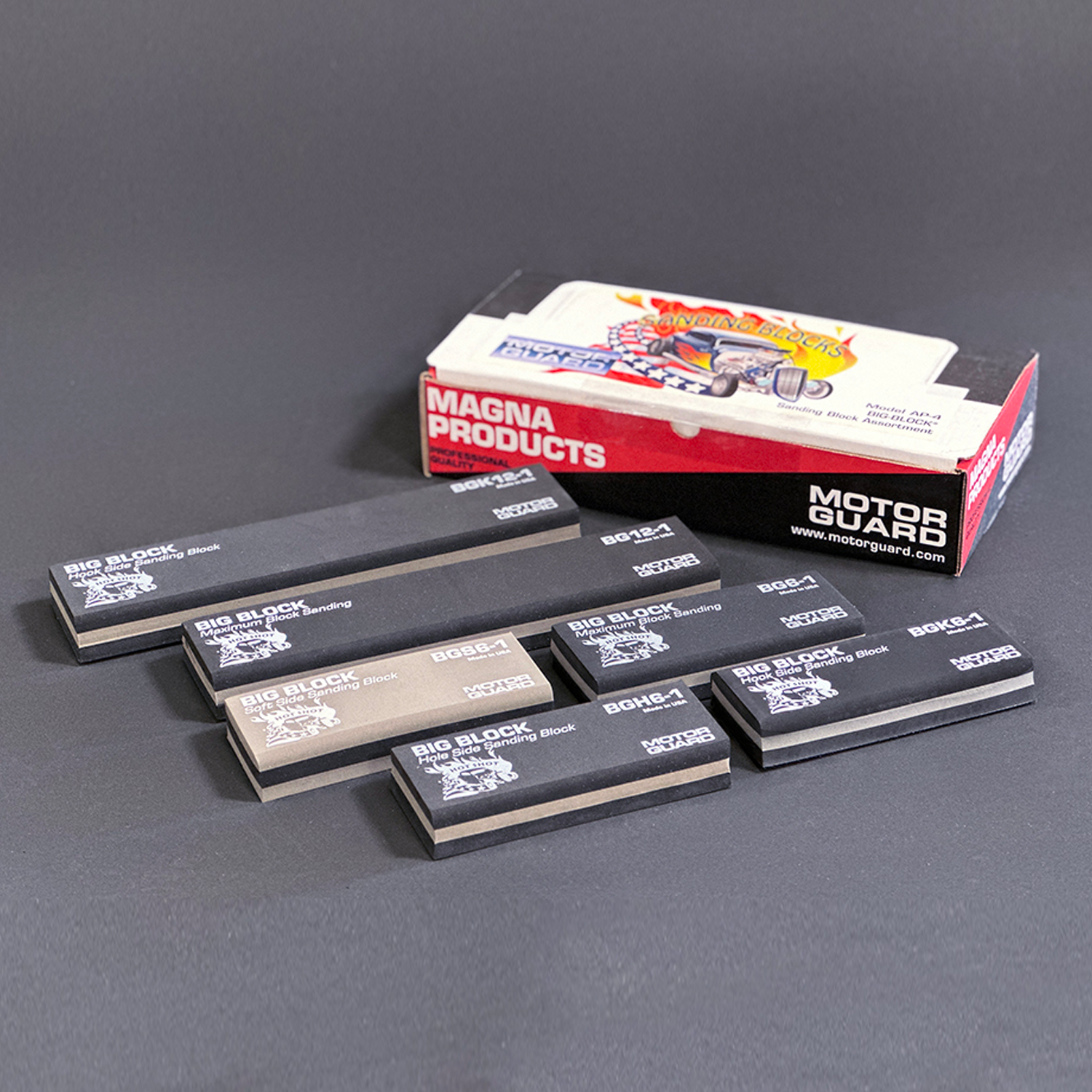
Credit: motorguard.com
Types Of Sanding Blocks
Sanding blocks come in many types. Each type suits different sanding needs.
Organizing sanding blocks by type helps you find the right one fast.
Foam Blocks
Foam sanding blocks are soft and flexible. They work well on curved surfaces.
They help prevent sanding marks and give a smooth finish on wood and metal.
Wooden Blocks
Wooden sanding blocks are firm and sturdy. They provide strong support for the sandpaper.
These blocks work best on flat surfaces and help keep even pressure while sanding.
Rubber Blocks
Rubber sanding blocks are flexible but firm. They bend slightly to match the surface shape.
They are good for sanding small areas and detailed work without damaging the material.
Sponge Blocks
Sponge sanding blocks are soft and absorb water well. They are ideal for wet sanding.
These blocks help reduce dust and keep the sandpaper clean during use.

Credit: www.amazon.com
Benefits Of Sorting By Type
Organizing sanding blocks by type helps keep your tools neat and easy to find. It saves time and reduces frustration during projects.
Sorting also protects your sanding blocks and improves your workspace. This simple step can make your work smoother and more efficient.
Improved Accessibility
Keeping sanding blocks sorted by type makes it easy to pick the right one quickly. You avoid searching through a mixed pile, which wastes time.
You can arrange blocks by size, grit, or shape. This setup helps you grab what you need for each task without delay.
- Find blocks faster
- Reduce project delays
- Keep tools ready to use
Prolonged Tool Life
Sorting sanding blocks by type prevents damage to delicate surfaces. Blocks stored properly last longer and stay effective.
Separate blocks by grit to avoid mixing coarse and fine surfaces. This keeps the sanding smooth and the blocks intact.
- Prevent block wear
- Maintain sanding quality
- Save money by using tools longer
Efficient Workspace
Organizing blocks creates a tidy workspace. A clean area helps you focus and work faster without distractions.
Use bins, racks, or trays to keep blocks in order. A well-organized space reduces clutter and keeps tools from getting lost.
- Keep workbench clear
- Reduce clutter and mess
- Make cleaning easier
Choosing The Right Storage Solutions
Organizing sanding blocks by type helps keep your workspace tidy. Choosing the right storage makes it easy to find the block you need.
Different storage options fit different spaces and block sizes. Pick what works best for your tools and room.
Drawer Organizers
Drawer organizers keep sanding blocks neat inside drawers. They stop blocks from moving around and getting mixed up.
Look for organizers with compartments of different sizes. This helps separate blocks by type and grit easily.
- Use small compartments for thin sanding blocks
- Larger sections fit bigger sanding sponges
- Label compartments for quick ID
- Keep blocks flat to avoid damage
Wall-mounted Racks
Wall-mounted racks save drawer and shelf space. They keep sanding blocks visible and easy to grab.
Choose racks with slots or hooks sized for sanding blocks. This prevents blocks from falling or getting lost.
- Slots hold sanding sheets flat
- Hooks can hang sanding sponges
- Mount racks near your workbench
- Use clear labels for block types
Storage Bins And Containers
Bins and containers are flexible for different sanding block types. You can stack them or keep them on shelves.
Clear containers help see blocks inside. Use dividers to keep blocks sorted by grit or shape.
- Stack small containers to save space
- Use dividers to separate sanding block types
- Choose containers with lids to keep dust out
- Label containers for easy identification

Credit: www.amazon.com
Labeling And Categorizing Blocks
Organizing sanding blocks helps you find the right one quickly. Labeling and sorting by type saves time and keeps your workspace neat.
Use simple methods like color codes, grit size tags, and clear containers. These make it easy to spot and select the correct sanding block.
Color Coding
Assign colors to different types of sanding blocks. For example, use red for coarse blocks and green for fine blocks. This visual guide speeds up your work.
- Pick a color for each sanding block type
- Use colored tape or paint on the block handles
- Keep a color chart near your workbench
Tagging With Grit Size
Label each sanding block with its grit size. Clear tags help you pick the right block for your project.
| Sanding Block | Grit Size |
| Block A | 60 (Coarse) |
| Block B | 120 (Medium) |
| Block C | 220 (Fine) |
Using Clear Containers
Store sanding blocks in clear containers. This keeps them clean and visible. You can quickly see what you need without opening each box.
- Choose stackable clear plastic boxes
- Label each container by block type or grit
- Arrange containers in order of grit size
Maintenance Tips For Sanding Blocks
Proper care keeps sanding blocks effective and lasts longer. Cleaning, drying, and checking blocks are key tasks.
Follow simple steps to organize sanding blocks by type and keep them ready for use.
Cleaning Techniques
Remove dust and debris from sanding blocks after each use. This prevents clogging and maintains sanding quality.
- Use a soft brush to clear loose dust.
- Tap blocks gently to dislodge particles.
- For foam blocks, rinse lightly with water and air dry.
- Avoid harsh chemicals that can damage the block surface.
Drying And Storage Conditions
Keep sanding blocks dry and store them properly. Moisture can weaken the adhesive and cause mold.
| Storage Tip | Reason |
|---|---|
| Store in a cool, dry place | Prevents moisture buildup |
| Keep blocks flat or hung | Maintains shape and surface |
| Avoid direct sunlight | Prevents material from drying out or cracking |
| Use sealed containers for long storage | Keeps dust and pests away |
Regular Inspection
Check sanding blocks often to catch damage early. Replace blocks that are worn or broken.
- Look for cracks or missing material.
- Feel for uneven surfaces that reduce sanding quality.
- Test blocks on scrap wood before use on projects.
- Label blocks by grit and type to avoid confusion.
Diy Storage Ideas
Keeping sanding blocks organized helps you find the right type fast. Good storage saves space and keeps your workspace neat.
Try simple DIY ideas to sort your sanding blocks by type. Use things you already have or make new storage units yourself.
Repurposing Household Items
Use old containers and boxes to store sanding blocks. This method is cheap and easy to change as you need.
- Plastic jars with lids keep blocks dust-free.
- Egg cartons separate small sanding blocks.
- Shoe organizers hang on walls and hold many blocks.
- Old drawer dividers create sections inside a box.
Custom Shelving Units
Build shelves that fit your sanding blocks perfectly. Custom shelves help separate blocks by size and grit.
| Shelf Type | Best For | Material |
| Small Cubes | Mini sanding blocks | Wood or plastic |
| Slanted Shelves | Easy block access | Wood |
| Drawer Style | Keep dust out | Wood with handles |
Magnetic Strips
Magnetic strips hold sanding blocks with metal parts. Attach strips on walls or the side of your workbench.
Use strong magnets for:
- Blocks with metal backs
- Sanding pads with metal holders
- Quick grab and replace
Frequently Asked Questions
What Are The Types Of Sanding Blocks?
Sanding blocks come in various types, including manual blocks, foam blocks, and electric sanders. Each type serves specific purposes, from general sanding to detailed finishing. Understanding the types helps in organizing them effectively.
How To Categorize Sanding Blocks Efficiently?
Categorize sanding blocks by grit size, type, and usage. Use labeled containers or shelves for easy access. This method ensures you quickly find the right block for any project, enhancing productivity.
Why Organize Sanding Blocks By Type?
Organizing sanding blocks by type increases efficiency and prolongs their lifespan. It reduces time spent searching for the right block. Proper organization also prevents damage and maintains the quality of the blocks.
Can Organizing Improve Sanding Results?
Yes, organizing sanding blocks improves sanding results. It ensures you use the right block for each task. This approach leads to smoother finishes and more professional outcomes in your projects.
Conclusion
Organizing sanding blocks by type saves time and keeps your workspace neat. It helps you find the right block quickly for each job. Group similar blocks together for easy access. Label storage containers clearly to avoid confusion. Regularly check and tidy your collection to stay efficient.
Simple steps make sanding tasks smoother and more enjoyable. A well-organized setup supports better results in your projects. Keep it simple, and your sanding blocks will always be ready when needed.