Transplanting seedlings can be tricky, but it doesn’t have to be stressful for you or your plants. If you’ve ever seen your seedlings wilt or struggle after moving them, you know how frustrating it feels.
The good news? With the right tips, you can make the process smooth and successful. Imagine your seedlings thriving in their new home, growing strong and healthy. Ready to learn how to transplant without the worry? Keep reading, and you’ll discover easy steps to protect your plants and boost their growth from the very start.

Credit: www.grozine.com
Choosing The Right Seedlings
Picking the right seedlings is key to a smooth transplant. Healthy seedlings grow faster and face less stress.
Knowing what to look for helps you avoid problems later. This guide focuses on size, health, and timing.
Ideal Seedling Size
Seedlings should be strong but not too big. Look for plants 3 to 4 inches tall with several true leaves.
- Too small seedlings may not survive transplant
- Too large seedlings can suffer root damage
- Medium size helps seedlings adjust quickly
Healthy Seedling Traits
Healthy seedlings have bright green leaves and firm stems. Avoid plants with spots or yellow leaves.
| Trait | What to Look For |
| Leaf Color | Bright green, no discoloration |
| Stem | Strong and upright |
| Roots | White and well-developed |
| Leaves | Free of holes or spots |
Timing For Transplanting
Transplant seedlings when they can handle new conditions. Early morning or late afternoon works best.
- Check weather forecast for mild days
- Wait until seedlings have 3–4 true leaves
- Water seedlings a few hours before transplant
- Move seedlings quickly to reduce root drying
Preparing The Transplant Site
Transplanting seedlings can be tricky if the site is not ready. Proper preparation helps plants grow strong and healthy. This guide covers soil, location, and nutrient tips for a smooth transplant.
Taking time to prepare the transplant site lowers stress on seedlings. It ensures they get enough water, light, and nutrients to thrive after moving.
Soil Preparation Tips
Good soil helps seedlings take root quickly. Loosen the soil to improve air and water flow. Remove any stones, weeds, or old roots before planting.
- Dig soil to about 8 inches deep
- Break up large clumps for fine texture
- Clear weeds and debris
- Mix in organic matter like compost
- Level the surface for even planting
Selecting The Best Location
Choose a spot with the right light and protection. Check sunlight hours and wind exposure. Avoid low spots where water might collect and drown roots.
| Factor | Ideal Condition |
| Sunlight | 6-8 hours daily |
| Wind | Protected but ventilated |
| Drainage | Well-drained soil |
| Space | Enough room to grow |
Amending Soil Nutrients
Seedlings need nutrients to grow well. Test soil pH and nutrient levels before planting. Add fertilizers or natural amendments to balance the soil.
- Compost for organic matter
- Bone meal for phosphorus
- Wood ash for potassium
- Gypsum for improving clay soils
Transplanting Techniques
Transplanting seedlings is a key step in gardening. Doing it right helps plants grow strong and healthy. Avoid stress to keep seedlings thriving after moving them.
Use careful methods to protect roots and leaves. Plant seedlings at the right depth and space for best results. Follow simple tips for a smooth transplant.
Handling Seedlings Gently
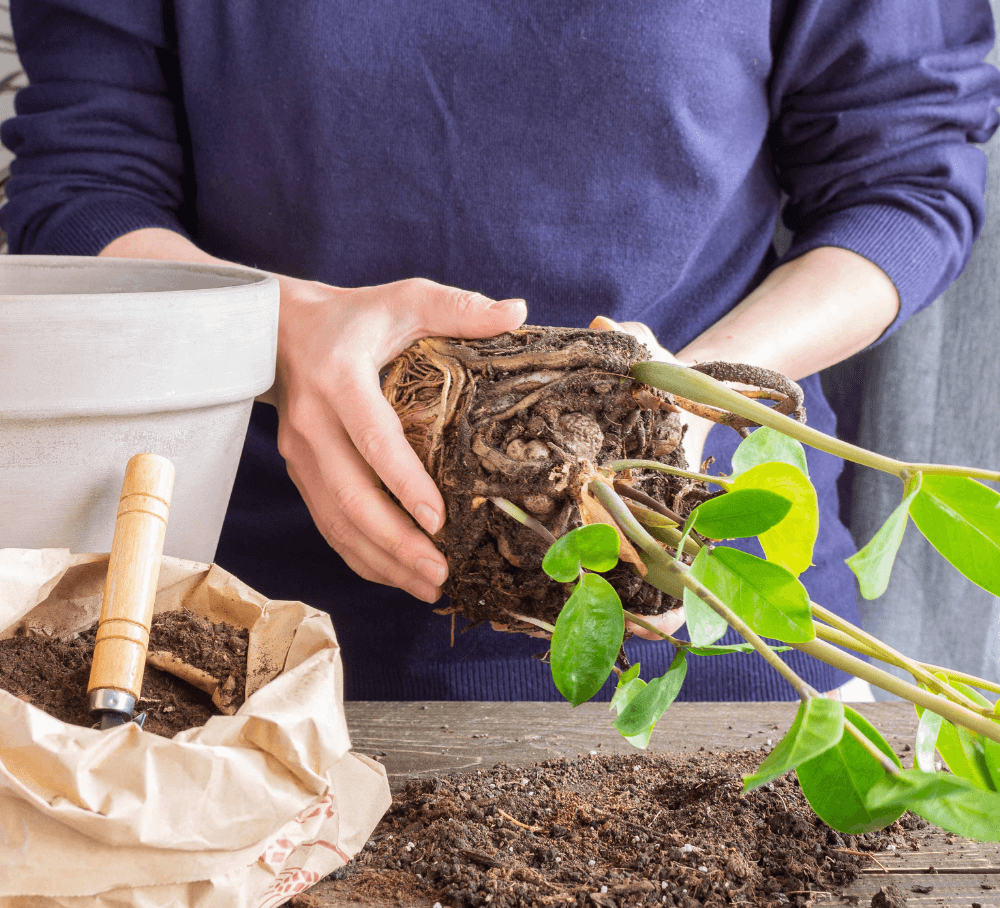
Handle seedlings with care to avoid damage. Hold the plant by its leaves or root ball, not the stem. Rough handling can break stems or injure roots, harming growth.
- Use a small tool or your fingers to lift seedlings carefully.
- Keep soil around roots intact when moving plants.
- Water seedlings before transplanting to reduce stress.
- Avoid touching the delicate stem directly.
Proper Root Management
Roots need special care during transplant. Gently loosen roots if they are tightly packed. Avoid breaking or cutting healthy roots. This helps plants absorb water and nutrients well.
| Root Condition | Action |
| Roots circling the pot | Loosen roots gently before planting |
| Dry or damaged roots | Trim carefully with clean scissors |
| Healthy roots | Keep soil around roots intact |
Planting Depth And Spacing
Plant seedlings at the correct depth. Too deep or too shallow planting can cause problems. Space plants to allow air and light to reach all leaves.
- Plant seedlings at the same depth they grew in their pots.
- Leave enough space between plants for growth.
- Follow seed packet instructions for spacing guidelines.
- Firm soil gently around roots to remove air pockets.
Post-transplant Care
Transplanting seedlings can be tough on young plants. Proper care after transplant helps them grow strong.
Good post-transplant care reduces stress and supports healthy roots and leaves.
Watering Strategies
Water seedlings gently but deeply after transplant. Keep soil moist but not soggy. Avoid watering leaves directly to stop fungus.
- Water in the morning to allow drying during the day
- Use a watering can with a fine rose for gentle flow
- Check soil daily and water when top inch feels dry
- Reduce watering gradually as plants grow stronger
Mulching Benefits
Mulch keeps soil moist and cool. It also stops weeds and protects roots from temperature swings.
| Mulch Type | Benefit |
| Straw or Hay | Keeps moisture and prevents weeds |
| Wood Chips | Improves soil as it breaks down |
| Compost | Adds nutrients and holds water |
| Leaves | Protects soil and adds organic matter |
Protecting From Pests And Weather
Seedlings are fragile. Use covers or fences to keep pests away. Shade cloth helps on hot days. Windbreaks protect from strong gusts.
- Use netting to stop insects and birds
- Place row covers to protect from cold or sun
- Install windbreaks like small fences or plants
- Check plants daily for signs of damage or pests
Common Transplanting Mistakes
Transplanting seedlings can be tricky for new gardeners. Mistakes can stress plants and slow growth.
Knowing common transplanting errors helps seedlings stay healthy and strong after moving.
Avoiding Root Damage
Root damage is a top cause of transplant shock. Roots must stay intact for water and nutrients.
- Handle seedlings gently by the leaves, not the stems.
- Loosen soil around roots before moving them.
- Keep roots moist but not soaked during transplant.
- Use a small trowel to lift seedlings carefully.
Preventing Overwatering
Overwatering can drown roots and cause rot. Seedlings need just enough water to stay moist.
| Watering Mistake | Effect on Seedlings |
| Too much water | Root rot and yellow leaves |
| Too little water | Wilting and slow growth |
| Watering at wrong time | Reduced water absorption |
Timing Errors To Watch
Transplanting at the wrong time can harm seedlings. Choose the best moment for moving plants.
- Avoid transplanting in the heat of the day.
- Move seedlings when soil is moist but not wet.
- Transplant before plants grow too large for pots.
- Wait until seedlings have several true leaves.

Credit: www.sierraflowerfarm.com
Stress Reduction Tips
Transplanting seedlings can be hard on young plants. Stress can slow their growth or cause damage. Using smart tips helps seedlings adjust well.
Reducing stress keeps plants healthy and strong after moving. Follow these simple steps for a smooth transplant.
Hardening Off Seedlings
Hardening off means slowly exposing seedlings to outdoor conditions. This helps plants get used to sun, wind, and cooler temperatures.
Start by placing seedlings outside for a few hours in a shaded spot. Increase time and sun exposure each day over one to two weeks.
- Begin with 1-2 hours outside in shade
- Gradually add sunlight and time daily
- Bring seedlings indoors at night
- Watch for signs of stress like wilting
Using Anti-transplant Shock Products
Some products reduce transplant shock and help seedlings recover faster. These include root stimulators and stress relievers.
Apply these products according to package instructions. They protect roots and encourage new growth after planting.
- Use root growth hormones for better root development
- Apply anti-stress sprays to leaves to calm plants
- Choose organic options to keep soil healthy
- Follow dosing carefully to avoid harm
Monitoring Seedling Recovery
Check seedlings often after transplanting. Look for healthy leaves and steady growth to know they are recovering well.
Water seedlings carefully and avoid overwatering. Adjust care based on how plants respond in the first two weeks.
- Inspect leaves for color and firmness daily
- Keep soil moist but not soggy
- Remove damaged leaves to prevent disease
- Provide shade if plants show stress signs

Credit: www.epicgardening.com
Frequently Asked Questions
How Do You Prepare Seedlings For Transplanting?
To prepare seedlings, first harden them off by gradually exposing them to outdoor conditions over a week. Water them thoroughly a day before transplanting. This ensures they are hydrated and reduces transplant shock. Select a cloudy day or transplant in the late afternoon to minimize stress.
When Is The Best Time To Transplant Seedlings?
The best time to transplant seedlings is during early morning or late afternoon. Cooler temperatures reduce transplant shock. Avoid transplanting during hot, sunny days. Spring and early fall are ideal seasons. Always check the specific needs of your plant type for optimal timing.
How Do You Minimize Transplant Shock In Seedlings?
To minimize transplant shock, handle seedlings gently and keep roots intact. Water them well before and after transplanting. Use a transplant solution or diluted fertilizer to support root growth. Protect seedlings from harsh weather and ensure they have enough sunlight.
What Tools Are Needed For Transplanting Seedlings?
Essential tools include a trowel, a watering can, and gardening gloves. A dibber can help create planting holes. Use a plant label to identify seedlings. Ensure all tools are clean to prevent disease transmission. Having a small bucket or tray is useful for transporting seedlings.
Conclusion
Transplanting seedlings can seem tricky but does not have to be. Prepare the soil well and handle seedlings gently. Keep roots moist and avoid direct sun after moving them. Water the plants regularly to help them settle in. Watch for signs of stress and act quickly.
With care and patience, seedlings will grow strong and healthy. Enjoy the process and your garden will thank you.