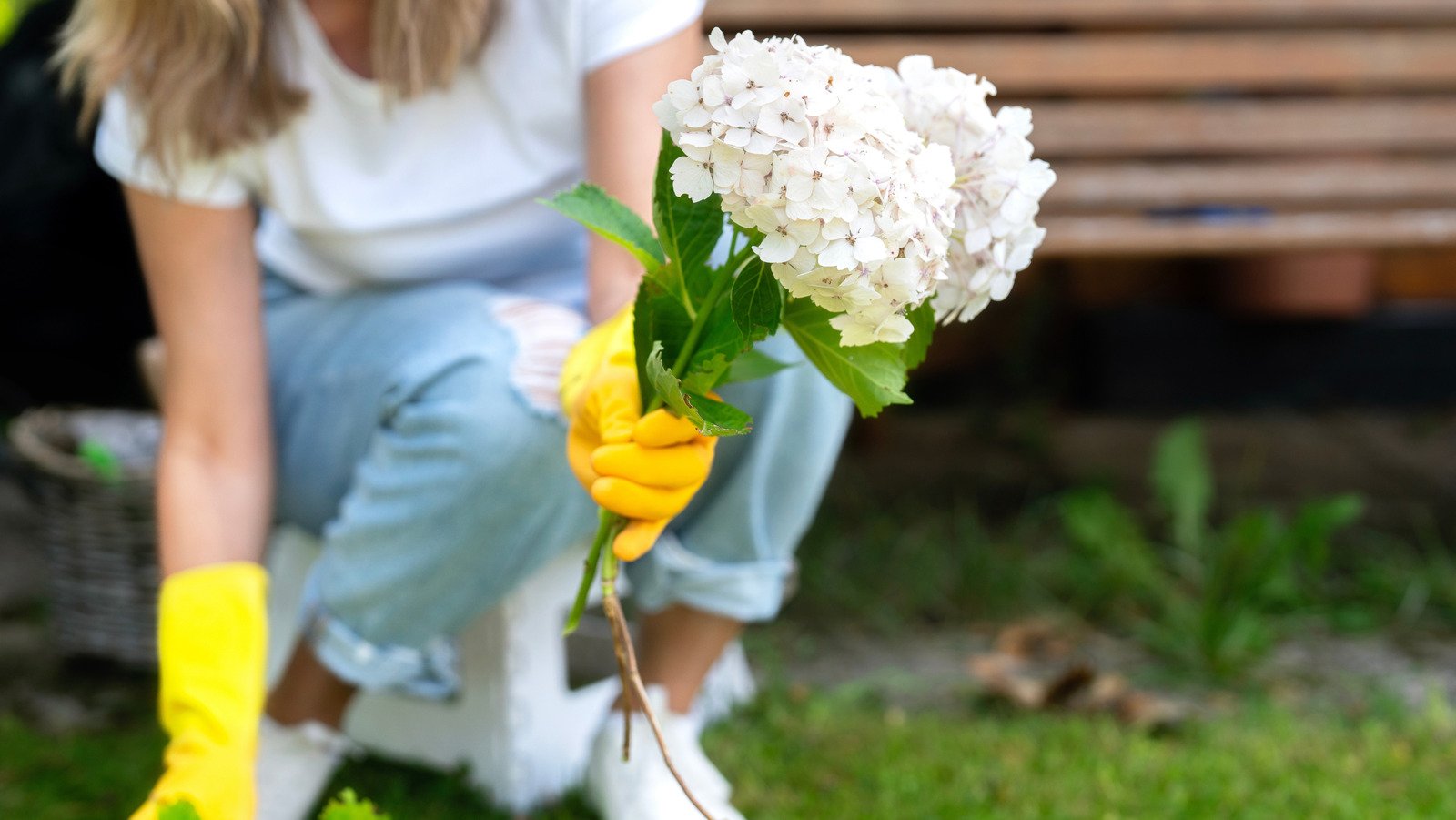
Transplanting flowers can be tricky. If you’re not careful, your beautiful blooms might wilt or stop growing.
But what if you could move your flowers without causing them stress? Imagine your plants settling into their new home quickly and thriving like never before. You’ll discover simple, effective steps to transplant your flowers without shocking them. By following these tips, you’ll help your garden flourish and enjoy vibrant blossoms all season long.
Keep reading to learn how to make your flower transplanting smooth and successful!

Credit: www.reddit.com
Preparing For Transplanting
Transplanting flowers can be tricky. You want to move them without causing stress. Preparing well helps flowers settle in their new spot fast.
This guide covers key steps before transplanting. It focuses on the right time, picking healthy flowers, and gathering tools.
Choosing The Right Time
Pick a time when flowers face less heat and strong sun. Early morning or late afternoon works best. Avoid transplanting on very windy days.
- Choose cool, cloudy days if possible
- Transplant before flowers grow too big
- Check weather forecast to avoid rain
- Do not transplant during peak summer heat
Selecting Healthy Flowers
Healthy flowers survive transplant better. Look for strong stems and bright leaves. Avoid plants with spots, pests, or wilted parts.
| Signs of Healthy Flowers | Signs of Unhealthy Flowers |
| Green leaves without spots | Yellow or brown leaves |
| Firm stems | Soft or broken stems |
| New buds or blooms | No new growth |
| Free of pests | Visible insects or webs |
Gathering Necessary Tools
Having the right tools makes transplanting easier and safer for flowers. Prepare all tools before starting.
- Garden trowel or small shovel
- Watering can or hose
- Gloves to protect your hands
- Pruning shears for trimming roots
- Mulch or compost for new soil

Credit: www.reddit.com
Soil And Location Tips
Transplanting flowers needs care to avoid plant shock. The right soil and spot make a big difference. Preparing soil and choosing location helps flowers grow strong after transplant.
Good soil and a perfect place keep flowers healthy. Learn how to get soil ready, find the ideal spot, and check soil drainage for best results.
Preparing The New Soil
Start by loosening the soil where you will plant. Remove weeds and old roots. Mix in compost or organic matter to add nutrients. This helps flowers settle in and grow well.
- Clear the area of debris and weeds
- Loosen soil to at least 12 inches deep
- Add compost or aged manure for nutrition
- Mix soil well to improve texture
- Check soil pH and adjust if needed
Picking The Ideal Spot
Choose a place that fits the flower’s light needs. Some flowers like full sun, others prefer shade. Look for a spot with space for roots to grow. Avoid crowded or windy areas that stress plants.
- Observe sun exposure during the day
- Pick a spot with good air circulation
- Leave enough room between plants
- Avoid areas near large trees or shrubs
- Choose flat or gently sloping ground
Checking Soil Drainage
Good drainage stops water from pooling around roots. Test drainage by digging a hole and filling it with water. If water drains within a few hours, soil drains well. Poor drainage needs fixing before planting.
| Drainage Test Step | What to Do |
|---|---|
| Dig a 12-inch hole | Fill with water completely |
| Wait 2-4 hours | Check water level |
| Water drains fast | Soil drains well, ready to plant |
| Water drains slowly | Mix in sand or organic matter to improve |
Transplanting Techniques
Transplanting flowers needs care to avoid plant stress. You must handle plants gently and prepare the soil well.
Good transplanting helps flowers grow strong in their new place. Follow simple steps for the best results.
Watering Before Transplant
Water flowers a day before moving them. Moist soil keeps roots safe and easy to dig out.
Wet soil also reduces root damage. Avoid dry soil that can break roots during transplant.
Proper Root Handling
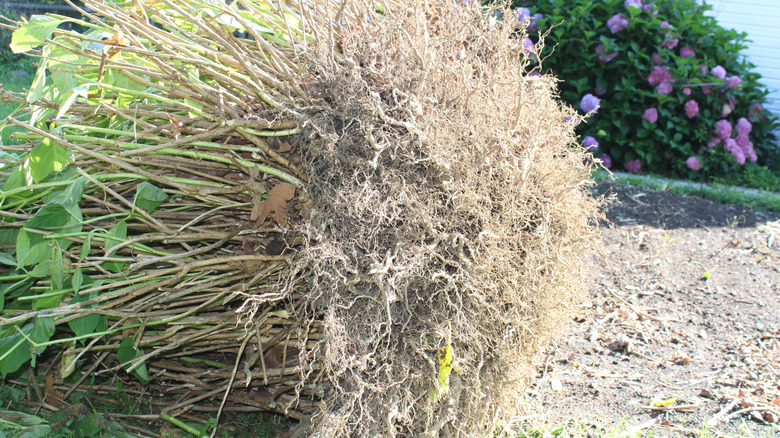
Handle roots gently to avoid breaking them. Keep roots moist and do not let them dry out.
Trim only dead or damaged roots. Avoid pulling or shaking the root ball too hard.
- Use clean tools to cut roots
- Keep root ball intact if possible
- Cover roots with moist cloth if needed
Digging The Correct Hole Size
Make holes bigger than the root ball. This gives roots room to grow and spread out.
Check hole depth matches root depth. Avoid planting too deep or too shallow for healthy growth.
- Hole width: 1.5 times root ball
- Hole depth: same as root ball height
- Loosen soil around hole edges
Post-transplant Care
Transplanting flowers can stress plants if not done carefully. Proper care after transplant helps flowers settle well. This guide covers key steps to support your plants after moving them.
Watering, mulching, and health monitoring are important. These actions reduce shock and encourage growth. Follow these tips to keep your flowers healthy.
Watering Schedule
After transplanting, flowers need steady moisture to recover. Water the plants deeply right after moving them. Keep the soil moist but not soaked for the first few weeks.
- Water once immediately after transplanting.
- Water every two days for the first week.
- Reduce to watering twice a week after two weeks.
- Adjust frequency based on weather and soil dryness.
Mulching Benefits
Mulch helps keep soil moist and cool. It protects roots and reduces weed growth. Adding mulch around your flowers supports better growth after transplant.
| Mulch Type | Benefit |
|---|---|
| Straw | Keeps soil moist and light |
| Wood chips | Long-lasting moisture retention |
| Compost | Improves soil nutrients |
Monitoring Plant Health
Check your flowers daily for signs of stress. Look for wilting, yellow leaves, or pests. Early detection helps you fix problems fast and keeps plants strong.
- Inspect leaves and stems for damage.
- Look for insect presence or eggs.
- Note any color or texture changes.
- Remove dead or damaged parts promptly.
Preventing Transplant Shock
Transplanting flowers can be risky if not done carefully. Plants often suffer from transplant shock, which slows growth and may cause damage.
Preventing transplant shock helps your flowers settle quickly and stay healthy after moving to a new spot.
Using Root Stimulators
Root stimulators help plants grow new roots fast. These products contain nutrients and hormones that encourage root development.
Applying root stimulators during transplanting supports better water and nutrient absorption. This reduces stress on your flowers.
Avoiding Overexposure To Sun
Too much sun can dry out plants and cause leaf burn after transplanting. Flowers need time to adjust to their new environment.
- Move flowers to a shaded area for a few days
- Water plants regularly to keep soil moist
- Use shade cloth if natural shade is not available
- Transplant in early morning or late afternoon
Minimizing Stress Factors
Stress can hurt transplanted flowers. Avoid rough handling and sudden temperature changes to keep plants calm.
| Stress Factor | How to Minimize |
|---|---|
| Physical Damage | Handle plants gently and keep roots intact |
| Soil Shock | Use similar soil type to original location |
| Water Stress | Water plants before and after transplanting |
| Temperature Change | Transplant during mild weather conditions |
Credit: www.housedigest.com
Common Mistakes To Avoid
Transplanting flowers can be tricky. Many people hurt their plants without knowing it.
Avoiding common mistakes helps flowers grow strong after moving.
Transplanting At Wrong Time
Moving flowers at the wrong time can cause shock. Avoid transplanting during extreme heat or cold.
Early morning or late afternoon is best. Spring and fall are good seasons for most flowers.
- Do not transplant during midday heat
- Avoid transplanting in freezing temperatures
- Choose cooler parts of the day
Ignoring Soil Conditions
Flowers need good soil to grow well. Bad soil can stress plants and slow growth.
Check the soil pH and texture before planting. Use soil with proper drainage to avoid root problems.
- Test soil pH to match flower needs
- Use loose, well-drained soil
- Add compost to improve soil quality
Overwatering Or Underwatering
Giving too much or too little water harms flowers. Both can cause root damage or disease.
Water plants deeply but less often. Check soil moisture before watering again.
- Do not let soil stay soggy
- Allow soil to dry slightly between waterings
- Adjust watering based on weather and plant needs
Frequently Asked Questions
How Do You Prepare Flowers For Transplanting?
To prepare flowers for transplanting, water them thoroughly a day before. This helps in reducing transplant shock. Choose a cool, cloudy day for transplanting. Loosen the roots gently and ensure the new location has well-drained soil. Adding a layer of mulch can help retain moisture.
What Is The Best Time To Transplant Flowers?
The best time to transplant flowers is during the cooler months. Early spring or late fall are ideal. This is when the plants are dormant, reducing stress. Avoid transplanting during hot, sunny days to prevent wilting and shock. Morning or late afternoon is the best time of day.
How Can You Reduce Transplant Shock In Flowers?
To reduce transplant shock, water the plant thoroughly before moving it. After transplanting, water immediately and keep the soil moist. Avoid direct sunlight for a few days and ensure adequate drainage. Using a transplant fertilizer can also aid in reducing stress and promoting growth.
How Deep Should You Plant Flowers When Transplanting?
When transplanting, plant flowers at the same depth they were previously. Dig a hole slightly larger than the root ball. Ensure the crown of the plant is at soil level. This helps prevent rot and encourages healthy growth. Firm the soil gently around the plant to eliminate air pockets.
Conclusion
Transplanting flowers can seem tricky but is very doable. Keep roots moist and handle plants gently. Choose the right time, like early morning or cool days. Give flowers a good spot with enough sunlight and water. Watch them closely after moving to catch any stress signs.
With patience and care, flowers will adjust and grow well. You can enjoy a healthy, blooming garden without shock or harm. Small steps make a big difference in flower health and happiness.