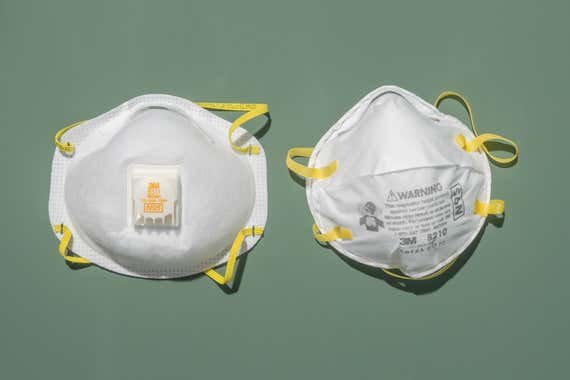
When you’re working on DIY projects, dust is everywhere – in the air, on your tools, and even settling on your skin. Protecting yourself with the right dust mask isn’t just a good idea; it’s a must.
But with so many options out there, how do you know which one will keep you safe without making your work uncomfortable? You’ll discover simple, practical tips that help you pick the perfect dust mask for your needs. Keep reading to find out how to breathe easier and work smarter on every project.

Credit: trueprepper.com
Types Of Dust Masks
Dust masks protect your lungs from harmful particles during DIY projects. Choosing the right type helps keep you safe and comfortable.
Different dust masks suit different tasks. Learn about the common types to pick the best one for your work.
Disposable Masks
Disposable masks are lightweight and easy to use. They are made to be thrown away after one or a few uses.
These masks usually filter out dust and small particles. They are good for light sanding or sweeping jobs.
- Made from paper or non-woven fabric
- Simple design with elastic bands
- Not suitable for toxic fumes
- Cost-effective for short tasks
Reusable Respirators
Reusable respirators have replaceable filters. They provide better protection than disposable masks.
These masks work well for painting, cutting, or working with chemicals. You can clean and reuse the mask body.
- Made from durable materials like rubber or silicone
- Filters can block dust, fumes, and gases
- More expensive but saves money over time
- Requires proper cleaning and maintenance
Powered Air-purifying Respirators
Powered air-purifying respirators use a battery to push clean air. They are the most comfortable for long jobs.
This type offers high protection and reduces breathing effort. They are good for heavy dust or toxic environments.
- Includes a blower that filters air before you breathe it
- Provides cooling airflow inside the mask
- Used in professional and serious DIY work
- Higher cost and needs battery charging

Credit: trueprepper.com
Key Features To Consider
Choosing the right dust mask is important for your safety during DIY projects. The right mask protects you from harmful dust and particles.
Look at key features like how well the mask filters, fits, breathes, and lasts. This guide will help you pick the best mask.
Filtration Efficiency
Filtration efficiency shows how well a mask blocks dust and tiny particles. Masks have ratings like N95 or P100 to show this level.
Choose a mask with good filtration for your project to keep harmful dust out of your lungs.
Fit And Comfort
A mask must fit snugly to stop dust from entering around the edges. Comfort is key for long use without pain or slipping.
- Check for adjustable nose clips and straps
- Look for soft, skin-friendly materials
- Choose sizes that match your face shape
Breathability
Good breathability lets you work without feeling short of air. Masks with filters can be harder to breathe through.
| Mask Type | Breathability Level | Best Use |
| Cloth Mask | High | Light dust only |
| N95 Respirator | Medium | Heavy dust and particles |
| Half-face Respirator | Low | Strong fumes and fine dust |
Durability
Durability matters if you use the mask often. Some masks are disposable, while others can be cleaned and reused.
- Check if the mask is washable or disposable
- Inspect for wear and tear before each use
- Store masks in a clean, dry place
Matching Masks To Project Types
Choosing the right dust mask is important for safety and comfort. Different projects produce different particles and fumes. Matching the mask to your project helps protect your lungs better.
Use masks designed for the materials and dust you will face. This guide covers sanding, painting, and chemical handling tasks.
Sanding And Grinding
Sanding and grinding create fine dust that can irritate your lungs. Use masks with high filtration ratings for dust particles.
- N95 masks filter out 95% of dust particles.
- Use N99 or P100 masks for very fine dust or heavy work.
- Make sure the mask fits tightly to avoid leaks.
Painting And Spraying
Painting and spraying release fumes and tiny droplets. Dust masks may not block these harmful vapors.
| Mask Type | Protection Level | Best Use |
| Respirator with organic vapor cartridges | High | Spraying paints and solvents |
| N95 Mask | Low | Light painting without solvents |
| Half-face respirator | Medium | Enclosed area painting |
Handling Chemicals
Many chemicals release harmful gases. Dust masks do not protect against these fumes.
Use this checklist for chemical protection:
- Choose respirators with appropriate cartridges for the chemical.
- Check the mask’s chemical resistance rating.
- Replace cartridges after use or when breathing becomes hard.
- Wear gloves and goggles with your mask.
Common Mistakes To Avoid
Choosing the right dust mask is important for your safety during DIY projects. Many people make mistakes that reduce the mask’s effectiveness.
Knowing what to avoid can help you pick a mask that protects you well. Below are common errors to watch out for.
Ignoring Proper Fit
A dust mask must fit your face tightly. Gaps let dust enter your nose and mouth.
Many people pick masks that are too big or too small. This mistake makes the mask less safe.
- Choose a mask that matches your face size
- Adjust straps to seal the mask well
- Test the fit by checking for air leaks
Reusing Disposable Masks
Disposable dust masks are meant for one use only. Reusing them lowers their protection.
Dust and moisture build up inside the mask after use. This can cause breathing problems and skin irritation.
- Use disposable masks once, then throw them away
- Keep spare masks handy for long projects
- Choose reusable masks if you need long-term protection
Overlooking Certification Labels
Not all dust masks meet safety standards. Ignoring certification labels risks your health.
Look for masks certified by recognized agencies. They meet strict rules for filtering dust.
- Check for NIOSH or CE certification marks
- Understand the mask rating for your project type
- Avoid masks without clear certification labels
Maintenance And Storage Tips
Choosing the right dust mask is important for your DIY projects. Taking care of your mask helps it last longer. Proper maintenance keeps it safe and effective.
Storing your dust mask correctly stops damage and contamination. Follow simple steps to clean, store, and replace your mask at the right time.
Cleaning Reusable Masks
Reusable dust masks must be cleaned after each use. Dirt and dust can clog the mask and reduce protection. Clean your mask gently to avoid damage.
Remove any filters before washing. Use warm water and mild soap. Rinse well and let the mask air dry completely before use again.
- Do not use bleach or harsh chemicals
- Do not machine wash or dry
- Check for damage after cleaning
Proper Storage Practices
Store your dust mask in a clean, dry place. Avoid areas with dust, dirt, or moisture. Keep it away from direct sunlight and heat sources.
Use a sealed container or plastic bag to protect your mask. This stops dust from settling on the mask and keeps it ready for the next project.
- Keep masks separate to avoid damage
- Store filters in original packaging
- Check mask condition before storing
When To Replace Masks
Replacing your dust mask is key to staying safe. Masks lose effectiveness over time or when damaged. Watch for signs that your mask needs a change.
- Mask is torn or damaged
- Straps are stretched or broken
- Mask feels hard to breathe through
- Mask smells bad or is dirty
- After heavy use in dusty projects

Credit: www.youtube.com
Frequently Asked Questions
What Factors Should I Consider In A Dust Mask?
When selecting a dust mask, consider its fit, filter efficiency, and comfort. Ensure it’s suitable for the specific particles you’ll encounter. Look for masks with adjustable straps and a snug fit to prevent leaks. Prioritize masks with NIOSH certification for assured protection against particulates commonly found in DIY projects.
How Do I Ensure A Dust Mask Fits Well?
To ensure a good fit, adjust the mask’s straps and nosepiece. It should cover your nose and mouth snugly without gaps. Perform a fit test by inhaling and exhaling. The mask should collapse slightly upon inhalation and not allow air to escape from the sides upon exhalation.
Are All Dust Masks Suitable For Diy Projects?
Not all dust masks are suitable for DIY projects. Choose masks specifically designed for dust and particulate protection. Look for N95 or higher ratings for effective filtration. Avoid masks meant for medical or surgical use as they may not provide the necessary protection against dust and debris in DIY environments.
How Often Should I Replace My Dust Mask?
Replace your dust mask after extended use or if it becomes damaged, dirty, or difficult to breathe through. For disposable masks, follow manufacturer guidelines. If using reusable masks, replace filters regularly as recommended. Regular replacement ensures optimal protection and effectiveness against harmful particles during DIY projects.
Conclusion
Choosing the right dust mask protects your health during DIY projects. Think about the mask’s fit, filtration, and comfort. A good mask blocks harmful dust and lets you breathe easily. Don’t forget to check the mask’s rating and material. Wearing a proper dust mask helps you work safely and finish your project well.
Stay safe, stay comfortable, and enjoy your DIY tasks with the right protection.