Are you tired of losing your clamps in a messy workshop? Imagine reaching for the exact clamp you need, exactly when you need it—no more digging through piles or tangled tools.
Storing clamps on your walls can save you space, keep your workspace organized, and make your projects run smoother. In this guide, you’ll discover simple, effective ways to arrange your clamps so they’re always within easy reach. Keep reading to transform your workspace and make your clamp storage work for you!
Benefits Of Wall Storage
Storing clamps on walls helps keep your workspace neat and tidy. It also saves floor space and makes clamps easy to find.
Using wall storage for clamps brings many advantages. It improves workshop safety and speeds up work processes.
Maximizing Workshop Space
Wall storage frees up bench and floor space. This gives you more room to work and move around safely. Clamps stay off tables and floors where they can cause clutter or accidents.
- Fits clamps vertically or horizontally on walls
- Keeps heavy clamps off the floor
- Uses unused wall space effectively
- Allows more tools and materials to fit in your workshop
Improved Accessibility
Clamps on the wall are easy to reach and grab. You can quickly find the size and type you need. This cuts down time spent searching or digging through boxes.
| Type of Clamp | Wall Storage Benefit |
| C-Clamps | Hang on hooks for quick reach |
| Bar Clamps | Store vertically to save space |
| Spring Clamps | Group by size on pegboard |
Enhanced Organization
Wall storage helps keep clamps sorted and tidy. You can label spots or use different hooks for each clamp type. This stops clutter and damage.
Here are tips for organizing clamps on your wall:
- Group clamps by size or use
- Label each hook or area clearly
- Use sturdy hooks or racks to hold weight
- Keep frequently used clamps at eye level

Credit: www.amazon.com
Choosing The Right Wall
Storing clamps on walls helps keep your workspace tidy. Picking the right wall is important for safety and ease of use.
This guide covers what to look for when choosing a wall for clamp storage. Focus on space, weight, and location.
Assessing Available Space
Check how much wall space you have before mounting clamps. Make sure the area is clear and wide enough for your clamps.
- Measure the wall height and width.
- Look for empty spots without outlets or switches.
- Consider space for clamp handles to move freely.
- Avoid walls with pipes or wiring inside.
Considering Weight Capacity
Clamps can be heavy. The wall must hold their weight safely. Study the wall type and use proper anchors.
| Wall Type | Weight Capacity | Recommended Anchors |
| Drywall | Up to 20 lbs per anchor | Toggle bolts or molly bolts |
| Concrete | Over 50 lbs per anchor | Concrete screws or expansion anchors |
| Wood Stud | Depends on stud size | Wood screws into studs |
Selecting Convenient Locations
Choose walls near your workbench or tool area. Easy access saves time and effort when using clamps.
- Next to your main workbench
- Near woodworking or metalworking stations
- Close to doorways for quick grab-and-go
- Away from high-traffic paths to avoid bumps
Types Of Wall-mounted Clamp Holders
Storing clamps on walls keeps your workspace tidy. Wall-mounted holders save floor space and make clamps easy to find.
There are different types of holders you can use. Each type fits different needs and clamp sizes.
Pegboards And Hooks
Pegboards are boards with holes that hold hooks. You can hang clamps on these hooks for quick access.
This option lets you move hooks to fit different clamp sizes. It works well for small to medium clamps.
- Easy to rearrange
- Good for many clamp sizes
- Keeps clamps visible
- Simple and affordable
Custom Wooden Racks
Wooden racks can be built to fit your clamps perfectly. They hold clamps by their handles or jaws.
These racks are sturdy and can hold heavy clamps. You can paint or stain the wood to match your workshop.
- Fits clamps exactly
- Strong and durable
- Can match workshop style
- Requires some woodworking skills
Magnetic Strips
Magnetic strips hold metal clamps using strong magnets. This keeps clamps off surfaces and easy to grab.
Magnetic strips work best for clamps with metal parts. They save space and keep clamps organized.
- Simple to install
- Works with metal clamps only
- Saves space on walls
- Keeps clamps visible
Metal Brackets
Metal brackets can hold large or heavy clamps securely. They often have a U-shape to hold clamp handles.
These brackets are strong and last a long time. They are good for workshops with many heavy clamps.
- Very strong and durable
- Holds heavy clamps safely
- Easy to mount on walls
- Works well for large clamps

Credit: www.amazon.com
Installation Tips
Storing clamps on walls saves space and keeps your workshop tidy. Proper installation ensures they stay secure and easy to reach. Follow these tips for a strong and safe setup.
Use the right tools and materials to mount your clamps. Measure carefully and choose strong anchors or studs. This guide covers key steps for a stable clamp storage.
Measuring And Marking
Start by measuring the wall space where you want to hang clamps. Mark the spots clearly to keep them even and aligned. Use a level tool to ensure straight lines.
- Measure the clamp width and height
- Mark wall points with a pencil
- Space marks evenly for easy access
- Check marks with a level for accuracy
Using Anchors And Studs
Choose anchors or screws based on your wall type. Drywall needs anchors, while wood walls allow screws directly into studs. This helps hold the clamps firmly and prevents damage.
| Wall Type | Recommended Fastener |
| Drywall | Wall anchors with screws |
| Wood Stud | Wood screws |
| Concrete or Brick | Masonry anchors and screws |
Ensuring Stability
Check clamp racks after installation to keep them stable. Tighten screws and test weight limits. Use brackets or braces if needed to stop movement.
- Test each clamp rack by applying pressure
- Tighten loose screws regularly
- Add support brackets for heavier clamps
- Inspect racks every few months for safety
Organizing Clamps By Size And Type
Keeping clamps organized on your workshop walls saves space and time. Sorting them by size and type helps you find the right clamp fast.
Organized clamps also protect your tools from damage. This guide shows simple ways to store clamps neatly and access them easily.
Grouping Similar Clamps
Group clamps of the same type together on your wall. This makes it easy to spot the clamp you need for each job.
Within each type, arrange clamps by size from smallest to largest. This keeps your space tidy and helps you grab the right size quickly.
- Bar clamps in one section
- Spring clamps in another
- C-clamps grouped nearby
Labeling For Quick Access
Use clear labels on your clamp storage areas. Labels help you find and return clamps faster, saving you time.
Label by clamp type and size. Use large, easy-to-read fonts or color codes to make labels stand out.
- Labels above or below each clamp group
- Size labels on shelves or hooks
- Color-coded tags for quick recognition
Stacking And Layering Techniques
Stack clamps carefully to save wall space. Use layering to place smaller clamps in front of larger ones.
Avoid stacking clamps too tightly. This prevents damage and makes it easy to remove clamps without moving others.
- Place large clamps at the back
- Keep smaller clamps in front layers
- Use sturdy hooks or racks for support
Safety Considerations
Storing clamps on walls keeps your workspace tidy. It also helps prevent accidents if done right.
Safety is key when mounting clamps. Proper steps protect you and your tools.
Avoiding Overloading
Do not hang too many clamps on one hook or rack. Overloading can cause the wall mount to fail.
Check the weight limit of your wall mount before placing clamps. Spread clamps evenly to avoid stress.
- Know the weight capacity of your hooks or racks
- Distribute clamps evenly along the wall
- Use multiple mounts for heavy or many clamps
Securing Heavy Clamps
Heavy clamps need stronger support. Use sturdy anchors to secure mounts firmly.
Make sure screws and bolts are tight. This prevents clamps from falling off the wall.
- Use wall anchors for drywall or plaster
- Choose screws that fit the mount and wall type
- Tighten hardware regularly to keep mounts stable
Regular Maintenance Checks
Inspect your clamp storage often. Look for loose mounts or damaged hooks.
Fix any issues right away to keep the storage safe. Replace worn parts to avoid accidents.
- Check mount tightness every month
- Replace hooks that bend or break
- Clean the area to prevent dust buildup
Creative Space-saving Ideas
Storing clamps on walls keeps your workspace neat and safe. It also saves floor space and makes clamps easy to find.
This guide shares smart ways to store clamps using wall space and workbench designs.
Using Vertical Space
Vertical storage uses your wall height to hold clamps. Hooks, pegboards, and shelves work well for this.
- Install strong hooks to hang clamps by their handles.
- Use pegboards with different peg sizes for clamp types.
- Add narrow shelves for holding smaller clamps flat.
- Label each spot to find clamps quickly.
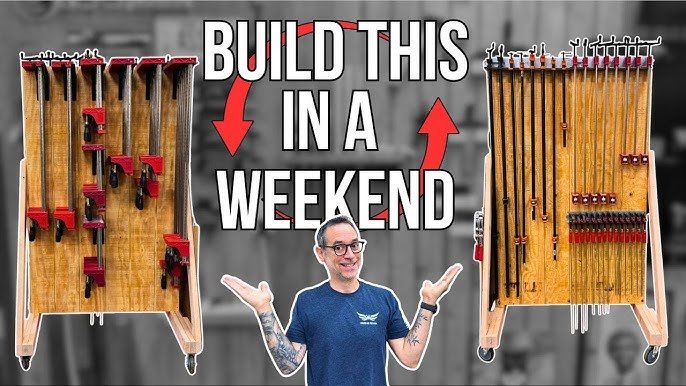
Incorporating Mobile Wall Units
Mobile wall units combine storage with easy movement. They help you bring clamps to your work area.
| Feature | Benefit |
|---|---|
| Wheels | Move clamps close to work easily |
| Locking casters | Keep unit stable during use |
| Multiple storage hooks | Hold many clamps without clutter |
Combining Storage With Workbenches
Workbenches can store clamps while giving you a place to work. Adding racks or slots under or on the side saves space.
- Attach clamp holders under the bench surface.
- Use side panels with slots for quick clamp access.
- Keep clamps sorted by size or type near your work area.
- Choose designs that do not reduce legroom.

Credit: www.rockler.com
Frequently Asked Questions
How Do I Store Clamps On Walls Effectively?
Storing clamps on walls efficiently involves using pegboards or wall-mounted racks. These tools keep your clamps organized and accessible. Ensure clamps are clean and dry before hanging to prevent rust. Proper spacing is crucial to avoid overcrowding. Regularly inspect wall fixtures to maintain safety and functionality.
What Materials Are Best For Wall-mounted Clamp Racks?
For durability and strength, use steel or heavy-duty plastic for wall-mounted clamp racks. Steel provides excellent support and longevity, while heavy-duty plastic offers flexibility and resistance to rust. Choose materials based on your workshop’s environment and the weight of the clamps you plan to store.
Can Pegboards Hold Heavy Clamps?
Yes, pegboards can hold heavy clamps if secured properly. Use strong wall anchors and durable hooks for added support. Ensure the pegboard is made from robust material like metal or thick wood. Regularly check the board and hooks for wear to maintain safety.
How Much Space Should I Leave Between Clamps?
Leave a minimum of two inches between clamps for easy access. This spacing prevents clamps from tangling and allows for quick retrieval. Adjust the space based on clamp size and type. Proper spacing ensures organized storage and prolongs clamp life by reducing wear.
Conclusion
Storing clamps on walls saves space and keeps your tools tidy. It makes your workspace safer and easier to use. Wall storage helps you find clamps quickly when needed. Using hooks or racks works well for different clamp sizes. Keep your clamps organized to avoid damage and loss.
A neat workshop feels better and boosts your work. Try these simple ideas to improve your clamp storage today. Clear walls, clear mind.