If you’ve got rusty tools, metal furniture, or car parts lying around, you know how stubborn rust can be. But what if you could quickly and effectively bring those items back to life?
Using an angle grinder for rust removal is one of the best ways to do just that. In this guide, you’ll learn exactly how to handle your angle grinder safely and get the smooth, clean surface you want. By the end, you’ll feel confident tackling rust like a pro—and saving your favorite metal items from decay.
Ready to see how simple rust removal can be? Keep reading!
Choosing The Right Angle Grinder
Using an angle grinder for rust removal needs the right tool. Picking the correct angle grinder makes the job easier and safer.
There are different types and sizes of angle grinders. Safety features are also important to consider before buying one.
Types Of Angle Grinders
Angle grinders come in several types based on power source and design. The common types include electric, cordless, and pneumatic grinders.
Electric grinders are good for home use. Cordless grinders offer mobility. Pneumatic grinders work well in industrial settings.
- Electric angle grinders plug into power outlets.
- Cordless angle grinders run on rechargeable batteries.
- Pneumatic angle grinders use compressed air.
Selecting The Appropriate Size
Angle grinders come in different sizes, usually from 4.5 inches to 9 inches. The size affects control and power.
Smaller grinders are easier to handle and best for light rust removal. Larger grinders work faster on heavy rust but need more skill.
- 4.5 to 5 inches for small, detailed jobs
- 6 to 7 inches for medium rust removal tasks
- 8 to 9 inches for large, tough rust areas
Essential Safety Features
Safety is key when using an angle grinder. Look for features that protect you from accidents and injuries.
Good safety features include guards, adjustable handles, and automatic shutoff systems. These help reduce risks while working.
- Wheel guards to protect from sparks and debris
- Side handles for better grip and control
- Anti-kickback or automatic shutoff to stop the tool if it jams
- Soft start to prevent sudden movement

Credit: www.youtube.com
Picking The Best Rust Removal Attachments
Using an angle grinder for rust removal works well with the right attachments. Different attachments suit various surfaces and rust levels.
Choosing the correct attachment helps you remove rust faster and protects the metal underneath.
Wire Brushes
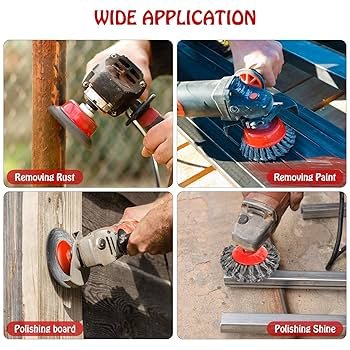
Wire brushes work well to remove loose rust and paint. They are gentle on the metal surface and clean without deep grinding.
These brushes come in cup or wheel shapes and attach easily to angle grinders.
- Use wire brushes for light rust or surface cleaning
- Best for curved or uneven surfaces
- They clean without damaging the metal
Grinding Discs
Grinding discs are strong and remove heavy rust quickly. They cut deeper into the metal surface to clear tough rust spots.
Use grinding discs with caution to avoid removing too much metal or causing damage.
- Ideal for thick, hard rust layers
- Use on flat, sturdy surfaces
- Requires steady hands to avoid metal damage
Flap Discs
Flap discs combine sanding and grinding to remove rust smoothly. They work well to blend the metal surface after rust removal.
These discs help prepare the surface for painting or finishing after rust is gone.
- Good for medium rust and surface smoothing
- Use on metal to create an even finish
- Last longer than regular grinding discs
Preparing For Rust Removal
Using an angle grinder can quickly remove rust from metal surfaces. Before starting, you must prepare well. Preparation helps you work safely and get the best results.
These steps will guide you through what you need to do before you begin grinding rust away.
Safety Gear Checklist
Wear the right safety gear to protect yourself from sparks and dust. Angle grinders can be dangerous if you don’t use protection.
- Safety goggles or a face shield to protect your eyes
- Heavy-duty gloves to protect your hands
- Long sleeves and pants to cover your skin
- Ear protection like earplugs or earmuffs
- A dust mask or respirator to avoid breathing dust
- Non-slip shoes to keep your footing steady
Setting Up Your Workspace
Choose a clean, open area to work. Make sure your workspace has good lighting and ventilation.
Clear away any flammable materials. Sparks from the grinder can cause fires. Keep a fire extinguisher nearby for safety.
- Work outdoors or in a well-ventilated garage
- Use a sturdy workbench to hold your metal piece
- Keep cords and tools organized to avoid tripping
- Have a bucket of water or fire extinguisher close by
Cleaning The Surface
Remove loose dirt and grease before using the grinder. A clean surface helps the grinder work better on rust.
Use a wire brush or rag to clean the metal. This step makes rust removal faster and more effective.
- Brush off loose rust and dirt with a wire brush
- Wipe the surface with a clean cloth
- Use a degreaser if oil or grease is present
- Let the surface dry completely before grinding

Credit: www.amazon.co.uk
Step-by-step Rust Removal Process
Rust can damage metal objects and make them unsafe. Using an angle grinder helps remove rust quickly. Follow these simple steps to clean your metal safely.
Before starting, prepare your workspace and tools. Safety is important to avoid accidents and damage to your metal.
Securing The Object
Keep your metal object steady to work safely. Use clamps or a vise to hold it in place. This stops it from moving while you grind.
- Place the object on a solid surface
- Use clamps or a bench vise to hold it firmly
- Check that the object does not wobble
- Wear safety gloves and goggles before starting
Proper Angle Grinder Handling
Hold the angle grinder with both hands for control. Keep a firm grip and stand in a stable position. Switch the grinder on and off safely.
- Wear protective gear like goggles, gloves, and ear protection
- Hold the grinder firmly with both hands
- Keep your body balanced and feet apart
- Start the grinder away from the metal object
- Bring the grinder slowly to the rusted surface
Techniques For Effective Rust Removal
Use the right disc on your grinder for rust. Move the grinder gently over the surface. Avoid staying too long in one spot to prevent damage.
| Disc Type | Use |
| Wire Brush Wheel | Light rust removal and cleaning |
| Flap Disc | Moderate rust and smoothing metal |
| Grinding Disc | Heavy rust removal |
Move the grinder in small, even circles. Check your progress often. Stop when the rust is gone and the metal shines.
Avoiding Damage To The Metal
Rust removal can harm metal if you are not careful. Use light pressure and do not stay too long in one place. Keep the grinder moving.
Tips to protect your metal:
- Use the correct disc for the rust level
- Apply gentle pressure; do not press hard
- Keep the grinder moving to avoid heat buildup
- Allow the metal to cool if it gets hot
- Inspect the metal regularly during grinding
After Rust Removal Care
Removing rust with an angle grinder is only the first step. Proper care after rust removal is crucial. It helps keep the surface clean and prevents rust from returning.
This guide covers surface cleaning, applying rust preventatives, and maintenance tips. Follow these steps to protect your metal objects.
Surface Cleaning And Inspection
After grinding off rust, clean the surface carefully. Use a cloth to remove dust and metal particles. Check for any missed rust spots or damage.
- Wipe surface with a damp cloth
- Use a wire brush for stubborn debris
- Inspect for cracks or pitting
- Repeat grinding if rust remains
Applying Rust Preventative Coatings
Once the surface is clean and dry, apply a rust preventative coating. This protects the metal from moisture and air, slowing down future rust.
| Coating Type | Use | Dry Time |
| Rust-inhibiting primer | Before painting | 1-2 hours |
| Oil-based rust preventer | Outdoor tools | 30 minutes |
| Wax coating | Indoor metal items | 15 minutes |
Maintenance Tips
Keep the metal in good shape with regular maintenance. Clean and inspect it often to catch rust early.
- Clean metal surfaces monthly
- Apply rust preventer every 6 months
- Store tools in dry areas
- Cover metal objects if outside

Credit: www.amazon.ca
Common Mistakes To Avoid
Using an angle grinder for rust removal can save time. But mistakes can cause damage or injury. Avoid these common errors to work safely and effectively.
Knowing what to watch out for helps you get better results. Read on to learn about wrong attachments, overheating, and safety issues.
Using Incorrect Attachments
Choosing the wrong attachment can harm the metal or the tool. Not all discs or brushes fit every grinder or task. Use the right one for rust removal only.
- Do not use grinding discs meant for cutting metal on rust.
- Avoid wire brushes that are too hard or too soft.
- Check if the attachment speed rating matches your grinder.
- Use flap discs or sanding discs designed for rust.
- Replace worn-out attachments to keep work smooth and safe.
Overheating The Metal
Grinding rust can heat up the metal quickly. Overheating weakens the metal and changes its color. It also makes the rust harder to remove later.
| Cause | Effect |
| Grinding too long in one spot | Metal warps or weakens |
| High speed without breaks | Metal surface burns or discolors |
| Using heavy pressure | Tool and metal heat up fast |
| Not allowing metal to cool | Rust removal gets harder |
To avoid overheating, move the grinder in smooth motions. Let the metal cool if it feels hot. Use moderate pressure and the correct speed.
Neglecting Safety Precautions
Ignoring safety rules can cause serious injuries. Sparks and flying debris are common when removing rust. Protect yourself before you start.
- Always wear safety goggles to protect your eyes.
- Use gloves to shield your hands from sparks and sharp edges.
- Wear a dust mask to avoid breathing in rust particles.
- Keep your work area clear of flammable materials.
- Check the grinder and attachments for damage before use.
- Hold the tool firmly and maintain good balance while working.
Frequently Asked Questions
What Safety Gear Do I Need For Rust Removal?
When using an angle grinder, wear safety goggles, gloves, and a dust mask. This gear protects against flying debris and rust particles. Ear protection is also advisable due to the noise level of the tool. Proper footwear and long sleeves provide additional protection during the process.
Can An Angle Grinder Remove Rust Efficiently?
Yes, an angle grinder is highly effective for rust removal. Its high-speed rotations and abrasive discs quickly strip away rust. Use a wire brush or flap disc for best results. These attachments efficiently clean and prepare metal surfaces for further treatment or painting.
How Do I Choose The Right Disc For Rust Removal?
Choose a wire brush or flap disc for rust removal. Wire brushes are ideal for heavy rust and hard-to-reach areas. Flap discs are better for lighter rust and smoothing surfaces. Ensure the disc size matches your angle grinder for optimal performance and safety.
Is Angle Grinder Safe For Beginners?
With proper precautions, beginners can safely use an angle grinder. Start by reading the user manual and following safety instructions. Practice on scrap material to gain confidence. Always maintain a firm grip, and avoid loose clothing and jewelry. Prioritize safety to prevent accidents.
Conclusion
Using an angle grinder for rust removal saves time and effort. Always wear safety gear to protect yourself. Choose the right disc for the best results. Work slowly and carefully to avoid damage. Clean the metal surface after grinding. Regular maintenance keeps tools in good shape.
Rust-free metal looks better and lasts longer. Try these tips to make your project easier. Rust removal becomes simple with the right steps. Keep practicing to improve your technique.