Are you ready to grow fresh, delicious vegetables right in your own backyard this spring? Planting your own veggies is easier than you think, and it can bring a lot of joy and satisfaction.
Imagine picking crisp tomatoes, crunchy carrots, or sweet peas straight from your garden. In this guide, you’ll discover simple steps to get your vegetable garden thriving. Whether you’re a beginner or want to improve your harvest, this article will help you make the most of your spring planting.
Keep reading to turn your garden into a vibrant source of healthy, homegrown food!
Choosing The Right Vegetables
Picking the right vegetables is key for a good spring garden. Different vegetables grow best in different temperatures and soil conditions.
Knowing which vegetables suit spring weather helps you get a healthy and productive garden.
Cool-season Crops
Cool-season crops grow well in chilly weather. They can handle light frost and prefer cooler soil.
These vegetables usually mature quickly and can be planted early in spring.
- Spinach
- Lettuce
- Broccoli
- Carrots
- Peas
- Cabbage
Warm-season Crops
Warm-season crops need warmer soil and air to grow well. They do not do well with frost.
Plant these vegetables after the last frost date in your area for best results.
- Tomatoes
- Peppers
- Cucumbers
- Beans
- Squash
- Eggplants
Heirloom Vs Hybrid Seeds
Heirloom seeds come from plants passed down for many years. They keep their traits and flavors.
Hybrid seeds are bred for certain qualities like disease resistance or higher yield. They may not produce the same in the next generation.
| Type | Pros | Cons |
|---|---|---|
| Heirloom | Rich flavors, open-pollinated, seed saving possible | Less disease resistance, lower uniformity |
| Hybrid | Stronger plants, higher yield, disease resistance | Seeds may not grow true, less flavor variety |
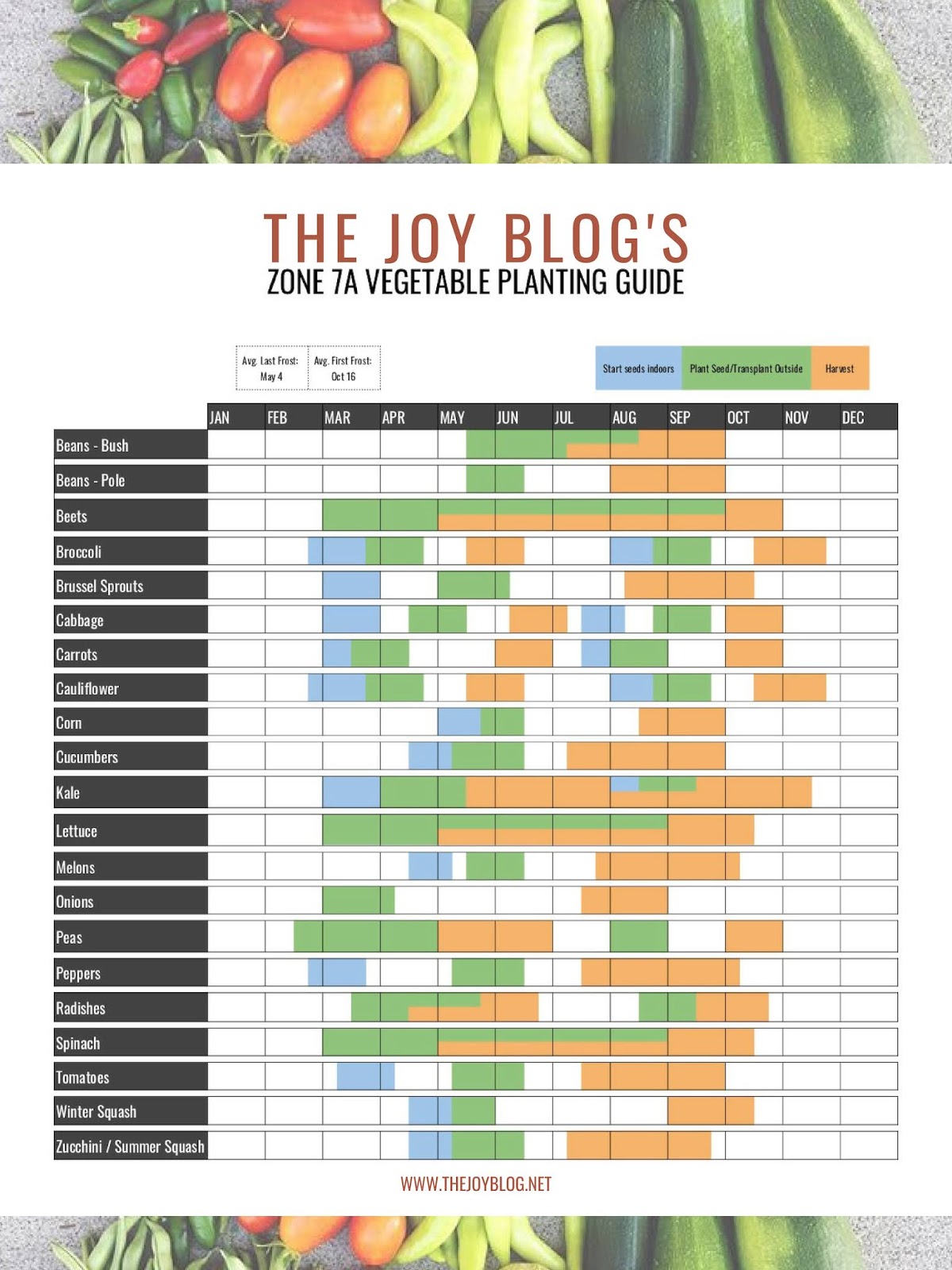
Credit: www.thejoyblog.net
Preparing Your Garden Soil
Good soil helps your vegetables grow strong. Preparing soil in spring sets a great start.
Learn simple ways to test, add nutrients, and improve your garden soil.
Soil Testing And Amendments
Test soil to know its pH and nutrient levels. This helps you add what is missing.
- Collect soil samples from different spots
- Use a soil test kit or send samples to a lab
- Check pH: most vegetables like 6.0 to 7.0
- Add lime if soil is too acidic
- Use sulfur to lower pH if soil is too alkaline
- Add fertilizer based on nutrient needs
Composting Basics
Compost adds organic matter and nutrients to soil. It improves texture and fertility.
- Use kitchen scraps like vegetable peels and coffee grounds
- Add dry leaves, straw, or shredded paper
- Turn the pile weekly for air and faster breakdown
- Keep compost moist, not wet
- Use finished compost in your garden beds
Improving Drainage
Good drainage prevents water from pooling. This keeps roots healthy.
| Method | Description |
|---|---|
| Raised Beds | Elevate soil above ground level to improve water flow. |
| Adding Sand or Grit | Mix coarse materials to open soil and help water drain. |
| Adding Organic Matter | Use compost or peat to improve soil structure and drainage. |
| Creating Drainage Channels | Dig small ditches to direct excess water away. |
Planting Techniques
Planting vegetables in spring needs the right techniques. These help your plants grow strong and healthy.
Choosing how to plant, spacing seeds correctly, and timing new plantings are key to a good harvest.
Direct Sowing Vs Transplanting
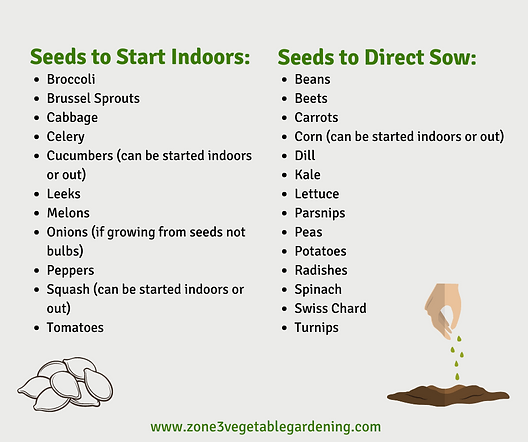
Direct sowing means planting seeds straight in the garden soil. Transplanting means starting seeds indoors then moving seedlings outside.
Direct sowing works well for root crops like carrots. Transplanting suits plants like tomatoes and peppers.
- Direct sowing is simple and saves time.
- Transplanting gives seedlings a head start.
- Transplants can avoid bad weather early in spring.
- Some plants grow better when transplanted.
Spacing And Depth
Plant seeds or seedlings at the right distance apart. Crowded plants compete for water and sunlight.
Planting depth is important too. Too deep or too shallow can stop seeds from growing well.
| Vegetable | Seed Spacing | Planting Depth |
|---|---|---|
| Carrots | 2-3 inches | 1/4 to 1/2 inch |
| Lettuce | 6-8 inches | 1/4 inch |
| Tomatoes (transplants) | 18-24 inches | Plant deep, up to first leaves |
Succession Planting
Succession planting means planting crops every few weeks. This gives fresh vegetables all season long.
Plant quick-growing vegetables first. Later, plant slower crops to replace harvested ones.
- Plant lettuce every 2 weeks for steady supply.
- Sow beans after early peas finish.
- Start new seedlings indoors to transplant later.
Watering And Fertilizing
Spring is the perfect time to start planting vegetables. Proper watering and fertilizing help plants grow strong. They need the right care to produce healthy crops.
Understanding how much water and fertilizer to give your plants can improve their growth. Let’s look at some important tips for watering and feeding your spring vegetables.
Optimal Watering Practices
Vegetables need consistent moisture, but not too much water. Watering deeply helps roots grow better. It is best to water early in the morning or late in the evening.
- Check soil moisture before watering
- Water slowly to soak the soil
- Avoid watering leaves to reduce disease
- Use mulch to keep soil moist longer
- Adjust watering during rainy or hot days
Choosing The Right Fertilizers
Vegetables need nutrients like nitrogen, phosphorus, and potassium. Different plants need different amounts of these nutrients. Choose fertilizers that match your soil’s needs.
| Type of Fertilizer | Main Nutrients | Best For |
| Balanced Fertilizer (10-10-10) | Nitrogen, Phosphorus, Potassium | Most vegetables |
| High Nitrogen Fertilizer (20-10-10) | More Nitrogen | Leafy greens like lettuce and spinach |
| High Phosphorus Fertilizer (5-15-10) | More Phosphorus | Root vegetables like carrots and beets |
Organic Feeding Options
Organic fertilizers feed plants naturally and improve soil health. They release nutrients slowly and help keep soil alive with microbes.
- Compost: Rich in nutrients and improves soil texture
- Manure: Provides nitrogen and other minerals
- Fish emulsion: Quick nitrogen boost for leafy growth
- Bone meal: Supplies phosphorus for root development
- Seaweed extract: Contains trace minerals and growth hormones
Protecting Young Plants
Young vegetable plants need care to grow strong in spring. Protecting them from cold, pests, and soil problems helps them thrive.
Use simple methods to keep your plants safe. This guide covers frost protection, pest control, and mulch use.
Frost Protection Methods
Frost can hurt young plants by freezing their leaves and stems. Use covers to keep the cold away at night.
- Cover plants with cloth or frost blankets before sunset.
- Use plastic tunnels or cloches to trap heat.
- Water plants in the morning to keep soil warm.
- Move pots indoors or to a sheltered spot if possible.
Pest Control Strategies
Pests can eat leaves and damage young plants quickly. Watch for bugs and use safe ways to stop them.
| Pest | Damage | Control Method |
| Aphids | Leaf curling and stunted growth | Spray water or use insecticidal soap |
| Slugs | Holes in leaves and stems | Use beer traps or copper barriers |
| Caterpillars | Chewed leaves | Handpick or use biological controls |
Using Mulch Effectively
Mulch keeps soil moist and stops weeds. It also protects roots from cold and heat.
Choose mulch like straw, grass clippings, or shredded leaves. Spread a 2-3 inch layer around plants but not against stems to avoid rot.
Mulching helps keep soil temperature steady and reduces watering needs.
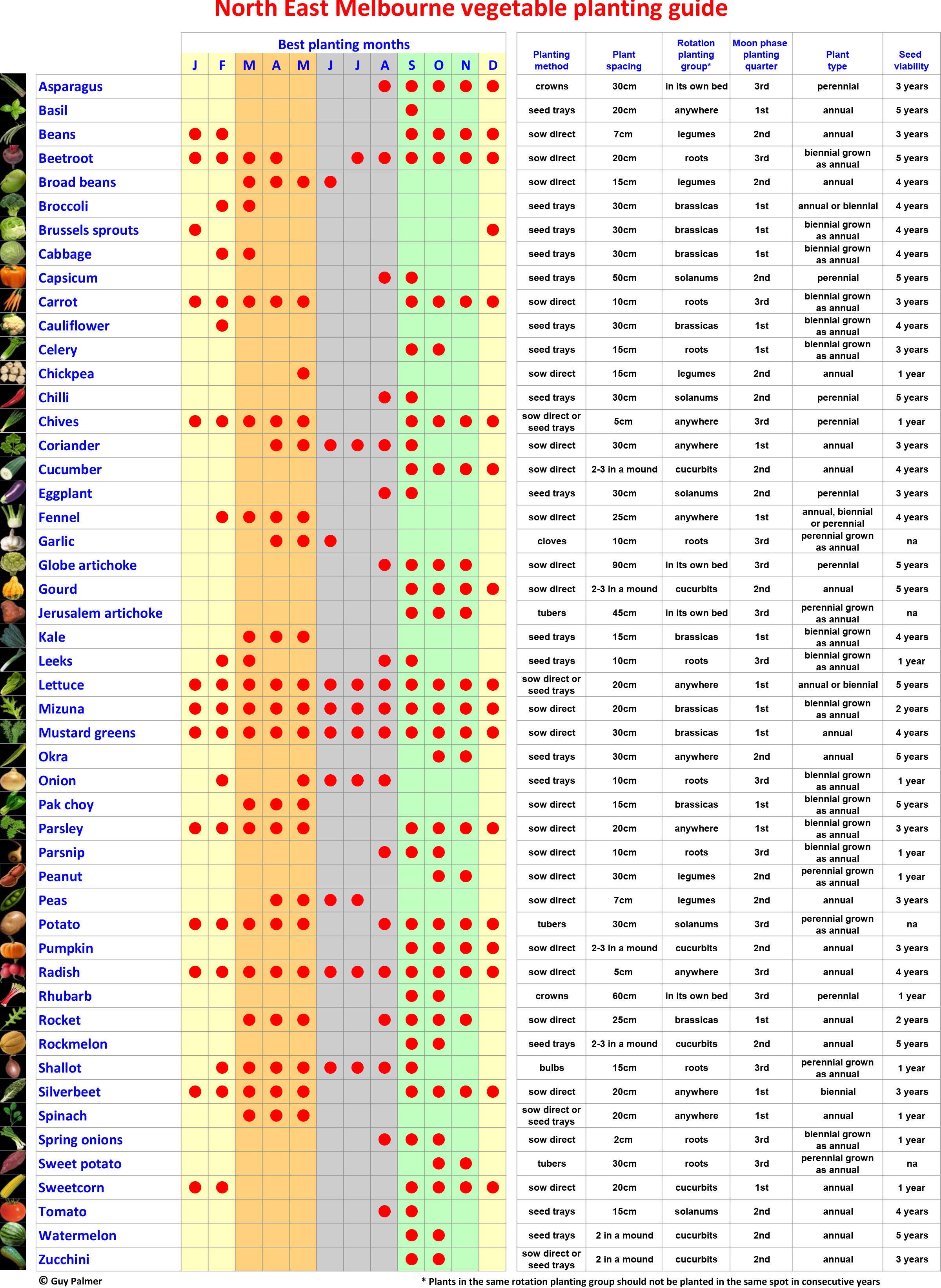
Credit: localfoodconnect.org.au
Maintaining Your Spring Garden
Keeping your spring vegetable garden healthy takes regular care. You need to watch for weeds, prune plants, and check for diseases. These tasks help your plants grow strong.
Good garden maintenance can improve your harvest and keep your plants healthy all season. Here are some important tips to help you care for your spring garden.
Weeding Tips
Weeds compete with your vegetables for water and nutrients. Removing them early helps your plants grow better. Use tools or pull weeds by hand to avoid disturbing roots.
- Pull weeds when soil is moist for easier removal
- Remove weeds before they flower to stop seed spread
- Use mulch to reduce weed growth around plants
- Check your garden regularly to catch new weeds early
Supporting Growth With Pruning
Pruning helps your vegetables grow strong and healthy. Removing dead or crowded leaves lets air and sunlight reach the plants. This reduces disease risks and boosts growth.
- Cut off dead or yellow leaves with clean scissors
- Trim crowded areas to improve air flow
- Pinch off growing tips to encourage bushier plants
- Avoid heavy pruning that can stress plants
Monitoring For Diseases
Check your plants often for signs of disease. Early detection can stop problems from spreading. Look for spots, discoloration, or wilting leaves.
| Disease | Signs to Watch | Action |
| Powdery Mildew | White powder on leaves | Remove affected leaves, improve air flow |
| Leaf Spot | Brown or black spots | Cut damaged leaves, avoid overhead watering |
| Root Rot | Wilting, yellow leaves | Check soil drainage, remove infected plants |
Harvesting Tips
Knowing when and how to harvest your vegetables helps keep them fresh and tasty. Good harvesting also protects the plants for future growth.
Storing your vegetables correctly after picking keeps them fresh longer and reduces waste.
When To Harvest
Harvest vegetables at their peak ripeness for the best flavor. Some show clear signs, like color or size, while others need a gentle touch.
- Pick leafy greens before they get too big or bitter.
- Harvest root vegetables once they reach the right size under the soil.
- Fruits like tomatoes should be fully colored and slightly soft.
- Beans and peas taste best when pods are firm but not hard.
Proper Harvesting Techniques
Use clean tools to avoid spreading disease. Cut or twist vegetables gently to avoid damage.
- Wash your hands or wear gloves to keep produce clean.
- Use sharp scissors or pruning shears for cutting vegetables.
- Hold the plant steady while you cut to prevent pulling roots.
- Harvest in the morning when vegetables are crisp and cool.
- Handle vegetables carefully to avoid bruising or crushing.
Storing Your Vegetables
| Vegetable | Storage Method | Ideal Temperature |
|---|---|---|
| Leafy Greens | Wrap in damp paper towel, place in fridge bag | 32-36°F (0-2°C) |
| Root Vegetables | Keep in cool, dark place with some humidity | 32-40°F (0-4°C) |
| Tomatoes | Store at room temperature away from sunlight | 55-70°F (13-21°C) |
| Beans and Peas | Place in perforated plastic bag in fridge | 40-45°F (4-7°C) |
Check stored vegetables often and remove any that spoil to keep others fresh longer.
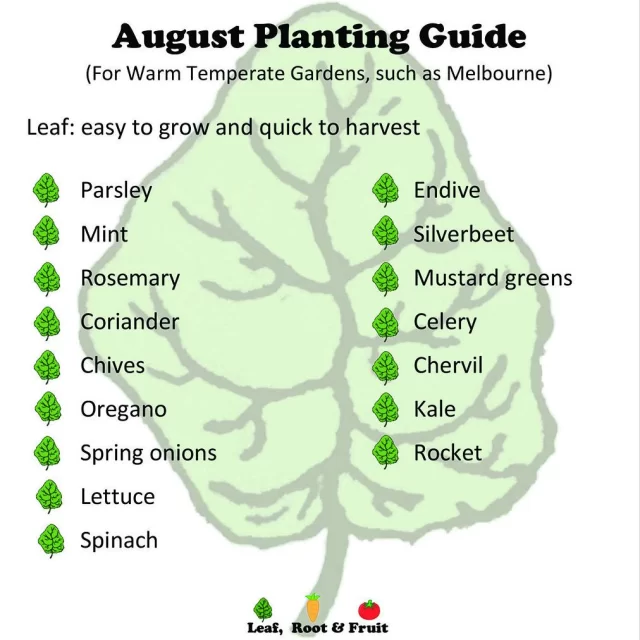
Credit: www.leafrootfruit.com.au
Frequently Asked Questions
When Is The Best Time To Plant Vegetables In Spring?
The best time to plant vegetables in spring is after the last frost. This ensures that the soil is warm enough. Planting too early can harm seedlings. Check your local frost dates for accurate timing. Most vegetables thrive in warmer soil and air conditions.
What Vegetables Are Easiest To Grow In Spring?
Lettuce, radishes, and peas are among the easiest vegetables to grow in spring. They tolerate cooler temperatures well. These vegetables also have shorter growing periods. This makes them perfect for early spring planting. They can be harvested quickly, providing early produce.
How Can I Prepare Soil For Spring Planting?
Start by clearing debris and weeds from your garden. Add compost to enrich the soil with nutrients. Test the soil pH to ensure it’s balanced. Loosen the soil to improve aeration and drainage. Proper preparation promotes healthy root development and plant growth.
Should I Start Seeds Indoors Or Outdoors?
Starting seeds indoors is ideal for early spring vegetables. It gives plants a head start before outdoor conditions improve. Use seed trays and place them in a sunny location. Once seedlings are strong, transplant them outdoors. This method ensures better growth and yields.
Conclusion
Planting vegetables in spring brings fresh, healthy food to your table. Start with good soil and choose seeds that grow well in your area. Water your plants regularly and watch them grow day by day. Small efforts lead to a big harvest.
Enjoy the process and learn with each season. Your garden will thank you with tasty, homegrown veggies. Gardening brings joy and a sense of calm. Try planting this spring and see the rewards for yourself.