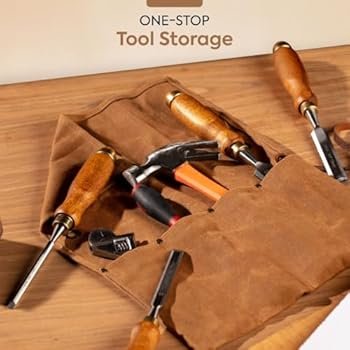
Do you struggle to keep your chisels organized and safe? If your tools are scattered or damaged, it slows down your work and costs you time and money.
Learning how to store chisels efficiently can protect your tools, save space, and make your projects smoother. You’ll discover simple, practical tips that anyone can use to keep chisels in perfect condition and easy to find exactly when you need them.
Keep reading to unlock the secrets of smart chisel storage that will change the way you work forever.

Credit: daitool.com
Choosing The Right Storage
Storing chisels properly keeps them sharp and safe. Good storage also helps you find tools quickly.
Choose storage that fits your workspace and tool collection. Here are some effective options to consider.
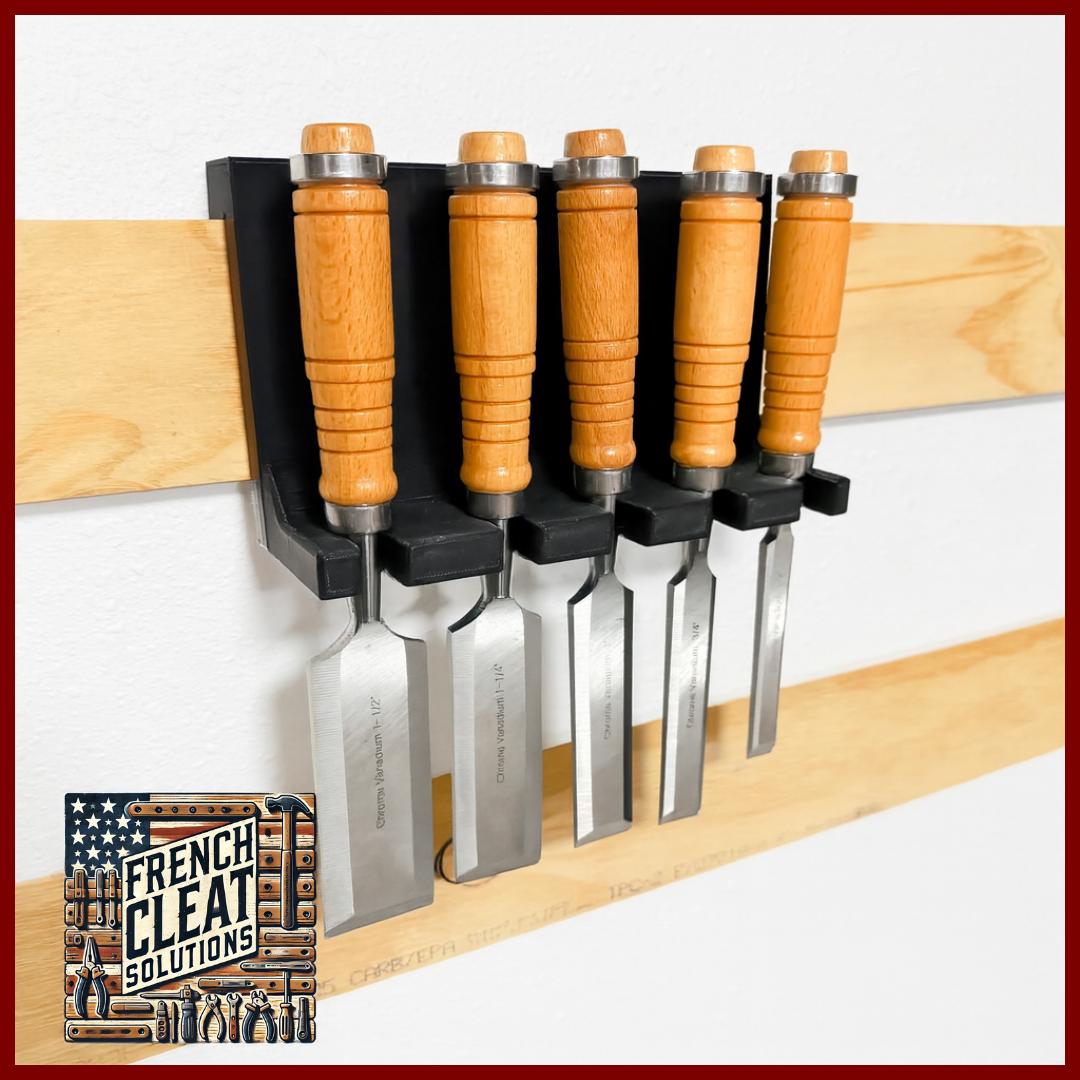
Wall-mounted Racks
Wall-mounted racks save space by using vertical areas. They keep chisels visible and easy to grab.
These racks often have slots or hooks to hold chisels securely. They prevent tools from touching each other.
- Easy to install on workshop walls
- Keeps chisels organized and accessible
- Frees up drawer and bench space
Toolboxes And Cases
Toolboxes and cases protect chisels during storage and transport. They keep tools clean and dry.
Look for boxes with foam inserts or compartments. This prevents chisels from moving and getting damaged.
- Good for portable tool storage
- Protects chisels from dust and moisture
- Organizes tools in one place
Magnetic Strips
Magnetic strips hold chisels firmly on a wall or board. They offer quick access and easy tool display.
Choose strong magnets to hold heavy chisels safely. Keep strips away from other magnetic-sensitive items.
- Saves space with vertical storage
- Keeps tools visible and ready to use
- Simple to mount and rearrange
Custom Storage Solutions
Custom storage fits your chisels and workspace perfectly. It can include drawers, slots, or racks made to size.
You can build or order custom holders to protect tool edges. This option keeps tools safe and neat.
- Made to fit your chisels exactly
- Maximizes workshop space
- Protects tools from damage
Credit: covingtonandsons.com
Preparing Chisels For Storage
Storing chisels properly keeps them sharp and safe. Preparing them before storage helps avoid damage. Clean, sharpen, and protect blades for long-lasting use.
Follow simple steps to prepare your chisels. This guide covers cleaning, sharpening, and rust prevention.
Cleaning And Drying
Remove dirt and debris from chisels before storing. Use a brush or cloth to clean the blade and handle. Dry them completely to stop rust from forming.
- Wipe the blade with a damp cloth
- Use a soft brush for stubborn dirt
- Dry the blade with a clean towel
- Let the chisels air dry in a warm place
- Check handles for moisture and dry if needed
Sharpening And Protecting Blades
Sharp chisels work better and last longer. Sharpen blades before storage to keep their edge. After sharpening, protect the blade surface to avoid damage.
| Sharpening Tool | Purpose | Tip |
| Whetstone | Refines blade edge | Use even pressure |
| Honing Guide | Keeps angle steady | Set correct angle |
| Strop | Polishes edge | Use leather with compound |
Applying Rust Preventatives
Rust can ruin chisels quickly. Apply rust prevention to blades and metal parts. Use oils or waxes to form a protective barrier.
- Choose light machine oil or specialized rust oil
- Apply a thin coat to the blade with a soft cloth
- Cover the metal parts of the handle too
- Store chisels in a dry place with good air flow
- Check and reapply oil every few months
Organizing For Easy Access
Storing chisels well helps you find them fast. It keeps your workspace neat and safe.
Good organization also protects chisels from damage. This saves time and money in the long run.
Sorting By Size And Type
Group chisels by size for quick selection. Small, medium, and large chisels work best in separate spots.
Sort by type too, like bench chisels, mortise chisels, and carving chisels. This helps you grab the right tool fast.
- Keep all small chisels in one container
- Place medium chisels in a drawer organizer
- Store large chisels in a wall rack or stand
- Separate bench and mortise chisels for easy use
Labeling Techniques
Use clear labels to mark chisel groups. Labels help you identify tools at a glance.
Write size and type on each label. You can use stickers, tags, or a label maker for neat results.
- Label drawers with chisel sizes
- Tag containers by chisel type
- Use color-coded labels for quick sorting
- Keep labels visible and easy to read
Using Dividers And Inserts
Dividers keep chisels from touching each other. This prevents dulling and damage.
Inserts fit inside drawers or boxes to hold chisels in place. They make your storage tidy and safe.
- Use foam inserts with slots for each chisel
- Wooden dividers work well in tool drawers
- Adjust dividers to fit different chisel sizes
- Keep dividers sturdy to avoid shifting
Maximizing Space Efficiency
Storing chisels well saves space and keeps tools safe. Good storage helps you find chisels fast.
Use smart storage ideas to keep your workspace tidy. This guide shows ways to store chisels efficiently.
Vertical Vs Horizontal Storage
Vertical storage stands chisels upright. Horizontal storage lays them flat. Each method uses space differently.
Vertical storage saves floor space. It also makes chisels easy to grab. Horizontal storage fits better in drawers.
- Vertical: saves room, easy to see chisels
- Horizontal: fits in drawers, stacks well
- Choose based on your workspace size
Stacking Strategies
Stack chisels carefully to avoid damage. Use trays or separators to keep chisels apart. This prevents dull edges.
- Use foam or wood dividers
- Stack by size or type
- Label stacks for quick finding
Stacking helps use vertical space in drawers or boxes. Keep heavier chisels at the bottom for safety.
Utilizing Unused Spaces
Use wall space by mounting racks or magnetic strips. Store chisels on pegboards to free up benches.
- Mount racks on walls
- Use magnetic strips for metal chisels
- Hang chisels on pegboards
- Store in unused cabinet corners
Look for small gaps or corners to add storage. This keeps chisels handy without cluttering work areas.
Ensuring Safety Measures
Storing chisels safely protects you and others from injury. Proper storage also keeps the tools in good shape.
Safety means using covers, careful handling, and keeping chisels away from children.
Protective Covers And Caps
Use protective covers or caps on chisel blades to avoid cuts and damage. These covers keep the edges sharp and safe.
- Choose plastic or rubber caps that fit securely
- Replace worn or damaged covers immediately
- Store chisels with covers on in toolboxes or racks
- Check covers before each use to ensure safety
Safe Handling Practices
Handle chisels with care to prevent injury and tool damage. Always hold chisels by the handle, not the blade.
- Wear safety gloves when using or moving chisels
- Keep chisels pointed away from your body
- Place chisels down carefully on a flat surface
- Do not leave chisels lying around unattended
- Inspect chisels regularly for cracks or chips
Childproofing Storage Areas
Keep chisels out of reach of children to avoid accidents. Use locked or high storage to secure them safely.
| Storage Method | Safety Benefit |
|---|---|
| Locked Tool Cabinet | Prevents unauthorized access and accidents |
| High Wall Rack | Keeps tools out of children’s reach |
| Toolbox with Secure Latch | Limits access and organizes tools safely |
Credit: www.etsy.com
Maintaining Storage Over Time
Keeping chisels in good condition means taking care of their storage regularly. Proper storage helps protect the tools from damage and rust. Small efforts over time make a big difference in tool life.
This guide explains simple ways to maintain your chisel storage. Follow these tips to keep your storage neat and your chisels safe.
Regular Inspections
Check your chisel storage space often to catch any problems early. Look for signs of moisture, rust, or wear. Inspect the handles and blades for damage. Keep an eye on the storage layout to ensure chisels are easy to access and secure.
- Look for rust spots on the chisels.
- Check if handles are loose or cracked.
- Make sure chisels fit well in their slots.
- Verify the storage area is dry and clean.
- Rearrange chisels if needed to avoid damage.
Cleaning Storage Units
Keep the storage units clean to prevent dust and dirt buildup. Remove all chisels before cleaning. Use a soft cloth or brush to clean shelves and compartments. Avoid harsh chemicals that might harm the wood or metal parts.
- Wipe surfaces with a dry or slightly damp cloth.
- Use a soft brush to remove dust from corners.
- Clean metal racks with a mild soap solution if needed.
- Dry everything thoroughly before placing chisels back.
- Apply a thin layer of oil on metal parts to stop rust.
Replacing Damaged Storage Components
Replace any broken or worn storage parts quickly. Damaged shelves or holders can cause chisels to fall or get scratched. Use sturdy materials for replacements. Keep the storage strong and safe for your tools.
| Component | Signs of Damage | Replacement Tips |
|---|---|---|
| Wooden shelves | Cracks, warping, loose boards | Use solid wood with smooth finish |
| Metal racks | Rust, bent bars, loose screws | Choose rust-resistant metal, tighten screws |
| Tool holders | Broken slots, loose fittings | Use strong plastic or wood holders |
Frequently Asked Questions
How Do You Store Chisels Safely?
Storing chisels safely involves using a tool roll or rack. This prevents accidental injury and keeps edges sharp. Ensure the storage area is dry to avoid rust. Hanging them on a magnetic strip can also be effective and space-saving.
Can Chisels Be Hung On A Wall?
Yes, chisels can be hung on a wall using a magnetic strip or pegboard. This method saves space and provides easy access. Make sure the cutting edge is protected to avoid damage. Proper wall storage keeps your workspace organized and efficient.
What Is The Best Material For Chisel Storage?
Leather or canvas tool rolls are excellent for chisel storage. These materials are durable and provide protection. They prevent moisture buildup, reducing the risk of rust. Additionally, they are portable, allowing easy transport of your chisels.
Why Use A Chisel Rack?
A chisel rack keeps chisels organized and readily available. It prevents them from rolling around in drawers, reducing damage risk. A rack also displays the tools, helping to quickly identify the required chisel. It’s an efficient storage solution.
Conclusion
Storing chisels properly keeps them sharp and safe. Use a rack or box that fits each tool. Keep chisels dry to stop rust from forming. Label the storage for easy and quick access. Clean chisels before storing to remove dirt and oil.
Organizing your chisels saves time during projects. Good storage helps your tools last longer. Simple habits protect your chisels every day. Keep your workspace tidy and your chisels ready. Small efforts make a big difference in tool care.