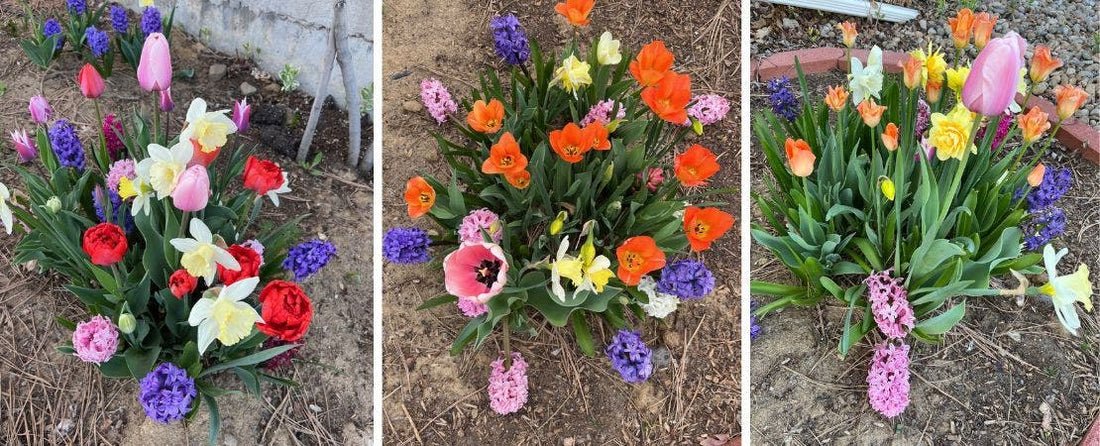
Are you ready to bring a burst of color and life to your garden this spring? Planting bulbs is one of the easiest and most rewarding ways to do just that.
Whether you’re a beginner or have tried it before, this guide will show you exactly how to get the best results. Imagine stepping outside to see vibrant flowers greeting you every day. Keep reading, and you’ll discover simple tips and secrets that will make your garden the envy of your neighborhood.
Let’s get your hands dirty and your garden blooming!
Choosing The Right Bulbs
Planting bulbs in spring can bring beautiful flowers to your garden. Picking the right bulbs is key to success.
Learn how to choose bulbs that will grow well and bloom brightly in your space.
Spring-blooming Varieties
Many bulbs bloom in spring. Some popular types include tulips, daffodils, and crocuses. Each offers different colors and shapes.
- Tulips: Bright colors and tall stems
- Daffodils: Cheerful yellow or white flowers
- Crocuses: Small, early bloomers with purple or white petals
- Hyacinths: Fragrant flowers in pink, purple, or blue
- Snowdrops: White, delicate flowers that bloom very early
Bulb Quality And Size
Good bulbs are firm and heavy for their size. Avoid bulbs with soft spots or mold. Bigger bulbs usually produce stronger plants.
| Bulb Size | Flower Strength | Growth Speed |
| Small | Light | Slow |
| Medium | Moderate | Average |
| Large | Strong | Fast |
Selecting Bulbs For Your Climate
Choose bulbs that match your local climate. Some bulbs need cold winters to bloom well. Others do better in mild weather.
Here is a simple guide for climate types:
- Cold climates:Daffodils and tulips need chilling to flower.
- Mild climates:Hyacinths and crocuses do well.
- Warm climates:Choose bulbs labeled for warmer zones like freesias.
Preparing The Planting Site
Planting bulbs in spring needs a good start. Preparing the site helps bulbs grow strong and healthy.
This guide covers soil type, sunlight, and soil preparation for the best results.
Soil Type And Drainage
Bulbs need soil that drains well. Too much water can make bulbs rot. Sandy or loamy soil is best.
If your soil is heavy clay, add sand or compost to improve drainage. Good drainage keeps bulbs healthy.
- Choose sandy or loamy soil
- Avoid waterlogged or heavy clay soil
- Improve drainage by adding sand or organic matter
Sunlight Requirements
Bulbs need plenty of sunlight to grow well. Most bulbs prefer full sun or partial shade.
Pick a spot that gets at least six hours of sunlight a day. This helps flowers bloom bright.
- Full sun means at least six hours of direct light
- Partial shade means 3 to 6 hours of sunlight
- Avoid deep shade or dense tree cover
Clearing And Loosening Soil
Clear the site of weeds, rocks, and debris. This gives bulbs space to grow well.
Loosen the soil to a depth of 8 to 10 inches. Loose soil helps roots spread and take in water.
- Remove all weeds and old plant roots
- Pick out stones and debris
- Use a garden fork or tiller to loosen soil deep
- Add compost to enrich the soil if needed
Planting Techniques
Planting bulbs in spring requires the right techniques to help them grow strong. Proper planting helps bulbs bloom beautifully.
Use the right depth, space bulbs well, and choose between containers or ground planting. These steps improve bulb health.
Optimal Planting Depth
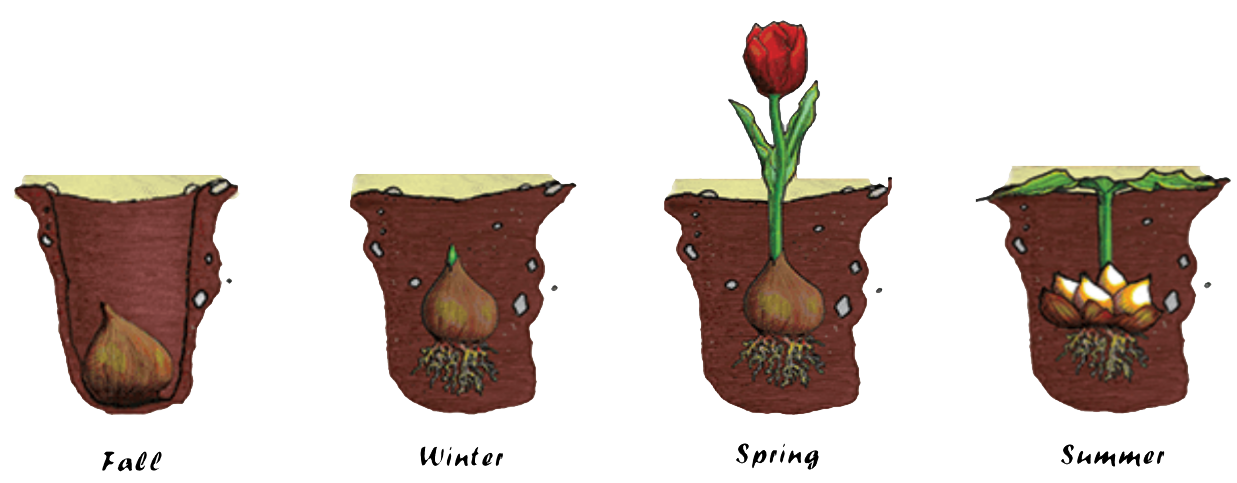
Plant bulbs at the correct depth to protect them from frost and pests. Depth depends on the bulb size.
Dig holes two to three times as deep as the bulb’s height. This helps bulbs stay moist and grow roots well.
- Small bulbs: plant 2-3 inches deep
- Medium bulbs: plant 4-6 inches deep
- Large bulbs: plant 6-8 inches deep
Spacing Bulbs Correctly
Leave enough space between bulbs for air and growth. Crowded bulbs may not bloom well and can rot.
Space depends on the bulb size and type. Check the package if you are unsure about spacing.
- Small bulbs: 2-3 inches apart
- Medium bulbs: 4-6 inches apart
- Large bulbs: 6-8 inches apart
Planting In Containers Vs. Ground
Planting bulbs in containers is a good option for small spaces or patios. Containers need good drainage.
Plant bulbs in the ground for larger displays. Soil should be loose and well-drained to avoid water buildup.
- Containers: use potting mix and holes for drainage
- Ground: loosen soil and remove weeds before planting
- Water bulbs after planting in both cases
Credit: johannabobbio.medium.com
Watering And Fertilizing
Planting bulbs in spring needs careful watering and fertilizing. Proper care helps bulbs grow strong roots and healthy flowers.
Knowing when and how to water and feed your bulbs will improve their growth and bloom time.
Initial Watering Tips
Right after planting, water bulbs gently but deeply. This helps settle the soil around the bulbs and starts root growth.
- Use a watering can or hose with a soft spray.
- Water until soil feels moist about 6 inches deep.
- Avoid soaking the soil to prevent bulb rot.
- If rain falls soon after planting, extra watering may not be needed.
Fertilizer Types And Timing
Choose a fertilizer with balanced nutrients for bulbs. A formula like 10-10-10 (N-P-K) works well to support root and flower growth.
| Fertilizer Type | Best Time to Apply | Purpose |
| Bulb food or balanced fertilizer | At planting | Helps roots develop |
| Low nitrogen fertilizer | After shoots appear | Supports flower growth |
| Slow-release fertilizer | Early spring | Feeds bulbs over time |
Maintaining Moisture Levels
Keep soil evenly moist but not wet during the growing season. Bulbs need water to grow but too much can cause rot.
Follow these tips to maintain moisture:
- Check soil moisture with your finger; water if dry 2 inches deep.
- Use mulch to keep soil cool and retain moisture.
- Water early in the day to reduce evaporation.
- Avoid watering leaves to prevent disease.
Pest And Disease Management
Planting bulbs in spring can bring beautiful flowers. Protecting bulbs from pests and diseases is important for healthy growth. This guide helps you manage common problems easily.
Good care keeps your bulbs strong and colorful. Learn how to spot pests and stop diseases early. Use natural ways to keep your garden safe.
Common Bulb Pests
Bulbs often face attacks from small insects and animals. These pests can damage bulbs and stop flowers from growing well. Knowing these pests helps you act fast.
- Aphids suck plant sap and weaken bulbs.
- Bulb mites eat the bulb tissue and cause rot.
- Narcissus flies lay eggs on bulbs; larvae feed inside.
- Slugs and snails chew on leaves and bulbs.
- Rodents like voles dig up and eat bulbs.
Preventing Fungal Issues
Fungal diseases cause bulb rot and leaf spots. Wet soil and poor air flow make fungi grow fast. Prevention is the best way to protect bulbs from fungi.
- Plant bulbs in well-drained soil to avoid water buildup.
- Space bulbs enough to let air flow around them.
- Avoid watering bulbs from above to keep leaves dry.
- Remove dead leaves and old bulbs to reduce fungus sources.
- Use clean tools and fresh soil when planting bulbs.
Natural Pest Control Methods
Use safe and simple ways to control pests without chemicals. Natural methods protect your garden and encourage healthy plants.
- Introduce ladybugs and lacewings to eat aphids.
- Spray garlic or neem oil to repel insects.
- Use barriers like copper tape to keep slugs away.
- Handpick pests like slugs and snails from plants.
- Plant herbs like chives or mint near bulbs to deter pests.
Caring After Bloom
After your spring bulbs finish blooming, they still need care to stay healthy. Proper care helps bulbs store energy for next year.
Following a few simple steps ensures your bulbs grow strong and bloom beautifully again.
Deadheading And Pruning
Remove spent flowers by deadheading. This stops the plant from using energy to make seeds. It helps bulbs focus on storing food.
Cut flower stems back to the base once blooms fade. Avoid cutting green leaves. They still collect sunlight for the bulb.
- Pinch or cut off faded flowers
- Leave green leaves untouched
- Prune only after flowers die
Allowing Foliage To Die Back
Let the leaves stay until they turn yellow and dry. This process lets bulbs gather energy for the next season. Do not pull leaves early.
Patience is important. Removing leaves too soon weakens bulbs and reduces future blooms.
- Wait for leaves to yellow and dry
- Do not cut or pull leaves early
- Leaves feed bulbs with sunlight
Preparing Bulbs For Next Season
After foliage dies back, dig up bulbs if needed. Clean off soil and remove soft or damaged parts. Let bulbs dry in a cool place.
Store bulbs in a dry, dark, and cool area until fall planting. Healthy bulbs grow strong roots and flowers next year.
- Dig up bulbs after leaves die
- Clean and inspect bulbs carefully
- Dry bulbs in shade for several days
- Store in a cool, dry place
Creative Bulb Planting Ideas
Planting bulbs in spring brings color and life to gardens. You can try new ways to make your garden stand out.
Using creative ideas helps flowers bloom longer and look more beautiful. Here are some easy ways to plant bulbs with style.
Layering Bulbs For Extended Blooms
Plant bulbs at different depths and times to enjoy flowers for many weeks. Start with early bloomers at the bottom and add later bloomers on top.
- Plant crocus or snowdrops first for early spring color
- Add tulips or daffodils above for mid-spring blooms
- Finish with lilies or alliums on top for late spring flowering
- Use loose soil to make layering easier
- Water gently after planting to settle the bulbs
Combining Bulbs With Perennials
Mix bulbs with perennials to create a garden that looks good all year. Bulbs add quick color before perennials grow fully.
| Bulb | Good Perennial Partner | Bloom Time |
| Tulip | Hosta | Mid-Spring |
| Daffodil | Daylily | Early Spring |
| Allium | Sedum | Late Spring |
| Crocus | Ferns | Early Spring |
Using Bulbs In Indoor Gardens
You can grow bulbs inside to brighten your home. Use pots or containers with good drainage and enough sunlight.
Try these tips for indoor bulb planting:
- Choose small bulbs like paperwhites or hyacinths
- Use a well-draining potting mix
- Place pots near sunny windows
- Keep soil moist but not wet
- Move pots to cooler spots after blooming to help bulbs rest

Credit: greenfarmland.ru

Credit: www.provenwinners.com
Frequently Asked Questions
When To Plant Bulbs In Spring?
Plant bulbs in early spring when soil starts to warm. It’s best to plant after the last frost. Ensure the ground is workable and not too wet. Early planting gives bulbs time to establish before blooming.
How Deep Should I Plant Bulbs?
Plant bulbs at a depth three times their height. For most bulbs, this is about 6 inches. Ensure the pointed end faces upwards. Proper depth ensures stability and healthy growth.
What Are The Best Bulbs For Spring Planting?
Daffodils, tulips, and hyacinths are ideal for spring planting. They thrive in well-drained soil and sunny spots. These bulbs add vibrant colors and are easy to care for.
How Often Should I Water Newly Planted Bulbs?
Water bulbs thoroughly after planting, ensuring soil is moist. Continue to water regularly but avoid waterlogging. Consistent moisture helps bulbs establish roots and encourages healthy growth.
Conclusion
Planting bulbs in spring brings color and life to any garden. Choose healthy bulbs and plant them at the right depth. Water them well and watch roots grow strong. Be patient as flowers bloom over weeks. This simple process creates a beautiful, natural display.
Enjoy the bright blooms and fresh scents all season. Gardening with bulbs can be easy and fun. Give your garden a fresh start this spring. Happy planting!