
Are your cordless drills scattered everywhere, making it hard to find the right one when you need it? You’re not alone.
Keeping your drills organized can save you time, reduce frustration, and protect your tools from damage. Imagine opening your toolbox and instantly spotting the drill you need, ready to go. In this guide, you’ll discover simple and effective ways to organize your cordless drills so they stay in perfect order.
Stick with me, and you’ll turn your clutter into a neat, easy-to-use setup that works for you every time.
Choosing The Right Storage
Organizing cordless drills makes your workspace neat and safe. Choosing the right storage helps protect your tools and saves time.
Good storage keeps drills ready to use and extends their lifespan. Think about your collection size and space before picking storage.
Assessing Your Drill Collection
Start by counting how many drills you own. Check if you have extra batteries and accessories too.
- Note the size and shape of each drill
- List the number of batteries and chargers
- Consider if you have drill bits or attachments
- Think about how often you use each drill
Types Of Storage Options
There are many ways to store cordless drills. Choose what fits your space and use.
- Wall-mounted racks save floor space
- Portable cases keep drills safe on the go
- Shelving units hold multiple tools and accessories
- Tool chests offer secure, locked storage
- Drawer organizers help separate small parts
Factors To Consider
| Factor | Why It Matters |
| Space Available | Choose storage that fits your room size |
| Number of Drills | More drills need larger or multiple storage |
| Accessibility | Easy access saves time during work |
| Protection | Good storage guards against dust and damage |
| Portability | Important if you carry drills to jobsites |

Credit: www.amazon.com
Portable Cases And Bags
Organizing cordless drills makes it easy to carry and protect them. Portable cases and bags keep drills safe and ready to use.
These storage options help you stay organized and work faster. Choose the right case or bag based on your needs.
Hard Shell Cases
Hard shell cases offer strong protection for cordless drills. They shield your tools from drops, dust, and water.
These cases often have locks or latches to keep drills secure during transport. They are durable and last a long time.
- Made from tough plastic or metal
- Provides impact resistance
- Usually has compartments for accessories
- Easy to stack and store
Soft Carrying Bags
Soft carrying bags are lightweight and flexible. They are easy to carry and often have shoulder straps.
These bags protect drills from scratches and light bumps. They usually have pockets for drill bits and chargers.
- Made from nylon or canvas
- Offers moderate protection
- Many pockets for small tools
- Good for quick trips or light use
Custom Foam Inserts
Custom foam inserts fit inside hard cases to hold drills firmly. They stop tools from moving and getting damaged.
You can cut foam to fit your drill shape and accessories. This keeps everything neat and easy to find.
- Made from dense foam material
- Protects tools from shocks
- Can be customized for any tool shape
- Keeps everything organized inside cases
Wall-mounted Solutions
Organizing cordless drills saves space and keeps your workspace tidy. Wall-mounted options help you store drills safely and within reach.
These solutions also protect your tools from damage. Let’s explore some easy ways to mount your cordless drills on the wall.
Pegboards And Hooks
Pegboards provide a flexible way to hang drills and accessories. Hooks come in various shapes and sizes to hold different drill models.
- Mount a pegboard on a clean wall surface.
- Use heavy-duty hooks designed for power tools.
- Arrange drills with their chargers and bits nearby.
- Label hooks to keep tools in order.
- Adjust hook positions as your tool collection grows.
Magnetic Holders
Magnetic holders are simple and quick for holding drills. They work best with drills that have metal parts on their bodies.
Use strong magnets to keep drills secure on the wall. Make sure the magnets can support the drill’s weight safely.
| Magnet Type | Holding Strength | Best For |
| Neodymium | High | Heavy drills and metal parts |
| Ferrite | Medium | Lightweight drills |
| Rubber Coated | Medium | Prevent scratches on drill surface |
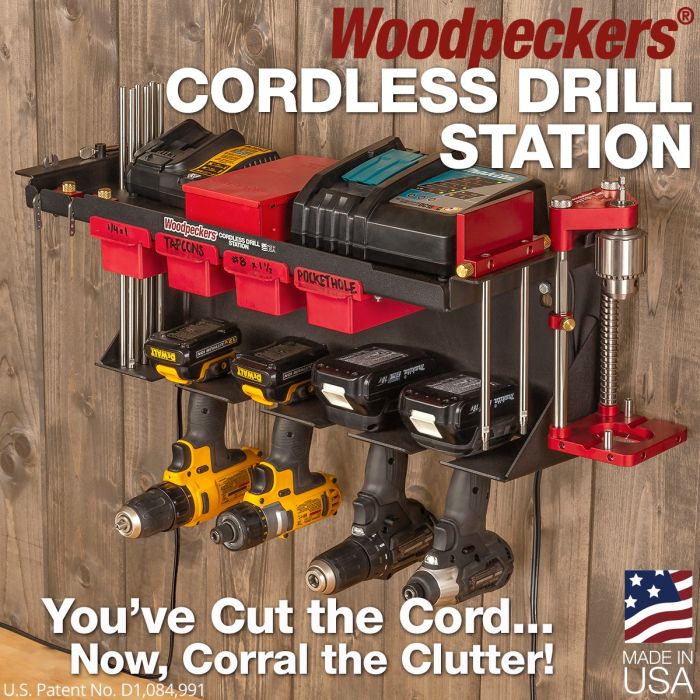
Custom Shelving Units
Custom shelves fit drills perfectly and keep them stable. You can build shelves with slots or compartments for each drill.
- Measure your drills before building shelves.
- Use sturdy wood or metal for durability.
- Add padding to prevent scratches.
- Include space for chargers and batteries.
- Paint or stain shelves to match your workspace.
Credit: www.woodpeck.com
Drawer And Cabinet Organization
Keeping cordless drills organized saves time and space. Drawers and cabinets are great options.
Use the right storage tools to protect your drills and find them easily.
Tool Drawers With Dividers
Tool drawers with dividers keep cordless drills separated. This stops them from scratching each other.
- Use adjustable dividers to fit different drill sizes.
- Label each section for quick access.
- Keep charger and batteries in separate compartments.
Stackable Storage Bins
Stackable storage bins save space and keep drills dust-free. You can see contents easily with clear bins.
| Feature | Benefit |
| Clear Plastic | Easy to find your drill |
| Stackable | Maximizes vertical space |
| Handle | Easy to carry and move |
Lockable Cabinets
Lockable cabinets protect drills from theft and damage. They work well in shared or public spaces.
Tips for using lockable cabinets:
- Choose cabinets with sturdy locks.
- Organize drills by size or type inside.
- Use shelves or bins inside for added order.
Charging And Battery Storage
Keeping cordless drill batteries charged and stored properly helps them last longer. Good habits protect your tools and keep them ready to use.
Organizing charging and storage spaces reduces clutter and makes it easy to find your drill and batteries fast.
Dedicated Charging Stations
Set up a specific area just for charging your cordless drill batteries. This keeps cords neat and batteries safe while they charge.
- Use a flat, stable surface away from water
- Keep chargers plugged into a surge protector
- Charge batteries at room temperature
- Label chargers if you have multiple battery types
Battery Organizers
Battery organizers help store batteries safely and prevent damage. They also keep your workspace tidy.
| Type | Description | Benefit |
| Plastic Cases | Individual slots for batteries | Prevents battery contact and damage |
| Wall Mount Racks | Holds batteries off the bench | Saves workspace and improves airflow |
| Drawer Inserts | Custom compartments for batteries | Keeps batteries organized and hidden |
Safety Tips
Follow safety rules to protect yourself and your batteries. Safe handling prevents accidents and extends battery life.
- Do not charge damaged or swollen batteries
- Keep batteries away from heat and flames
- Store batteries in a cool, dry place
- Use only chargers made for your battery type
- Unplug chargers when not in use
Labeling And Maintenance
Keeping cordless drills organized helps you work faster and avoid losing tools. Labeling and maintenance are key parts of this process.
Proper labels let you find the right drill quickly. Regular maintenance keeps your tools working well and lasting longer.
Effective Labeling Techniques
Use clear labels on your cordless drills and their storage spots. This reduces confusion and saves time.
Labels should include the drill type, battery size, and any special features. Use waterproof labels to avoid damage.
- Write with bold, easy-to-read fonts
- Place labels on both the tool and its case
- Use color codes for different drill types
- Keep labels simple and consistent
Regular Cleaning Routines
Cleaning your cordless drills regularly keeps them in good shape. Dirt and dust can harm the motor and battery.
Use a dry cloth to wipe the drill after use. Avoid water or harsh chemicals that can damage parts.
- Remove dust from vents and crevices
- Clean the battery contacts gently
- Store drills in a dry, clean place
- Check for dirt before charging batteries
Inspecting Tools Periodically
Check your cordless drills often to find problems early. This helps avoid breakdowns and costly repairs.
Look for loose parts, worn-out batteries, and damaged cords. Test the drill’s functions before each use.
- Check battery charge and health
- Tighten loose screws and parts
- Inspect drill bits for wear
- Listen for unusual sounds when running
Maximizing Small Spaces
Organizing cordless drills in small spaces can be challenging. Smart storage solutions save room and keep tools easy to find.
Use creative ideas to fit your drills neatly without clutter. This guide shares ways to store drills efficiently.
Compact Storage Ideas
Small storage boxes and cases help keep drills safe and tidy. Clear containers let you see the tools inside quickly.
- Use stackable plastic bins labeled by drill type or battery size
- Install small shelves inside cabinets to hold cases
- Keep chargers and batteries in the same container for easy access
- Use drawer dividers to separate drills and accessories
Multi-purpose Furniture
Choose furniture that holds tools and also works as a workspace. This saves space and keeps drills close.
| Furniture Type | Storage Feature | Use |
| Workbench with Drawers | Multiple compartments | Keep drills and parts organized |
| Storage Ottoman | Hidden interior space | Store drills while doubling as seating |
| Wall-Mounted Desk | Fold-down surface | Save floor space and hold small tools |
Vertical Storage Hacks
Use wall space to hang drills and batteries. This keeps floors clear and tools easy to reach.
- Mount pegboards with hooks to hang drills by their handles
- Use magnetic strips to hold metal drill bits and small parts
- Install narrow shelves on walls for drill cases and chargers
- Hang tool belts or pouches for quick access to accessories
Diy Storage Projects
Organizing cordless drills keeps your workspace safe and neat. DIY projects help store drills efficiently.
You can build storage solutions using simple tools and materials. This guide shows easy ways to organize drills.
Building Custom Racks
Custom racks fit your drill sizes and space perfectly. You can use wood or metal to build racks at home.
Make slots or shelves to hold drills and their batteries. Label each spot to find tools faster.
- Use plywood for a sturdy base
- Create holes or slots for drill handles
- Add hooks for charger cords
- Paint or stain for a clean look
Repurposing Household Items
Old items can store drills without buying new racks. Look for things like jars, baskets, or shoe organizers.
Use jars to hold drill bits and small parts. Shoe organizers can hang on walls to hold drills and chargers.
- Use a pegboard for hanging drills
- Repurpose baskets for drill storage
- Old drawers can keep drill accessories
- Use jars for small drill parts
Budget-friendly Solutions
You can organize drills without spending much money. Use low-cost materials like cardboard or plastic bins.
Label each box or bin to keep drills and parts separate. Stack bins to save floor space.
- Use cardboard boxes with cutouts for handles
- Buy plastic bins with lids for dust protection
- Stack containers to use vertical space
- Label containers for easy drill access

Credit: www.amazon.com
Frequently Asked Questions
How To Store Cordless Drills Efficiently?
To store cordless drills efficiently, use a dedicated tool organizer or wall-mounted rack. Ensure drills are easily accessible and well-organized. Consider using pegboards or storage bins for accessories. This prevents clutter and keeps your workspace tidy.
What Are The Best Tips For Organizing Drills?
Start by categorizing drills and accessories. Use storage solutions like racks, cabinets, or drawers. Label each section clearly. Regularly check and maintain your storage system to ensure it remains efficient and organized.
How Can I Maximize Space When Storing Drills?
Utilize vertical storage options like wall-mounted racks or pegboards. Stackable bins or shelves can also help save space. Consider compact storage solutions that keep all components organized without taking up too much room.
How Do I Maintain An Organized Tool Area?
Regularly declutter your tool area by removing unnecessary items. Ensure each tool has a designated spot. Use labels and dividers to enhance organization. Periodically reassess your storage system to adapt to any changes in your tool collection.
Conclusion
Organizing cordless drills keeps your workspace neat and safe. It saves time by making drills easy to find. Using simple storage ideas helps protect your tools. Clean and tidy areas improve work quality and focus. Try different methods to see what fits best.
Keep your drills charged and ready for use. A well-organized space makes projects more enjoyable. Start small and build a system that works for you. Consistent care extends your drill’s life and value. Stay organized and work smarter every day.