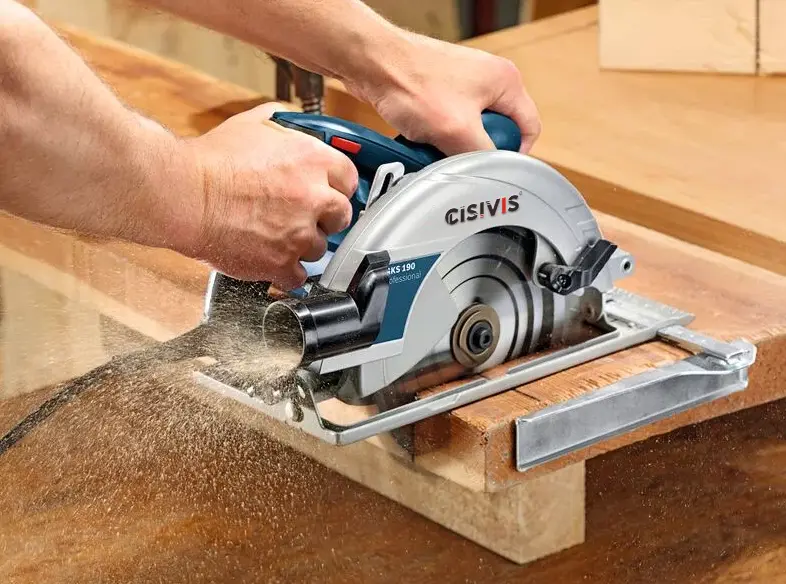
Your circular saw is only as good as its blade. If your blade is dull or damaged, cutting becomes harder, slower, and less precise.
But keeping your circular saw blades sharp and well-maintained isn’t as complicated as you might think. With a few simple tips, you can extend the life of your blades, save money, and get cleaner cuts every time. Ready to make your saw blades work like new?
Let’s dive into the best ways to maintain them and boost your cutting performance.
Choosing The Right Blade
Choosing the right circular saw blade is important for safety and good cuts. The blade must fit the material and saw type.
Using the correct blade helps the blade last longer and gives better results. It also reduces the risk of accidents.
Types Of Circular Saw Blades
Circular saw blades come in many types. Each type is made for certain tasks and materials. Knowing the types helps you pick the best one.
- Rip blades cut wood along the grain with fewer teeth.
- Crosscut blades cut wood across the grain with more teeth.
- Combination blades work for both ripping and crosscutting.
- Plywood blades have very fine teeth for smooth cuts.
- Masonry blades cut stone, brick, or concrete and are often diamond-tipped.
- Metal cutting blades are made to cut metal safely.
Matching Blades To Materials
Different materials need different blades to cut well and last longer. Match the blade to the material to avoid damage.
Using the wrong blade can cause poor cuts and can be dangerous. Always check the blade type before cutting.
| Material | Recommended Blade Type | Blade Features |
|---|---|---|
| Softwood | Rip Blade | Few large teeth for fast cuts |
| Hardwood | Crosscut or Combination Blade | More teeth for smooth finish |
| Plywood | Plywood Blade | Many small teeth to reduce splintering |
| Metal | Metal Cutting Blade | Special teeth and materials to cut metal |
| Concrete/Brick | Masonry Blade | Diamond edges for tough materials |

Credit: www.findbuytool.com
Cleaning Techniques
Keeping your circular saw blades clean helps them cut better and last longer. Dirt, resin, and pitch can build up during use.
Regular cleaning removes these deposits and keeps the blade in good shape for your projects.
Removing Resin And Pitch
Resin and pitch are sticky substances that gather on your blade. They can make the blade dull and slow cutting.
To remove them, soak the blade in a cleaning solution. Use a soft brush to scrub the blade gently. This removes buildup without harming the teeth.
- Soak blade in warm water mixed with mild detergent
- Use a nylon brush to scrub resin and pitch
- Rinse blade with clean water after scrubbing
- Dry blade completely to avoid rust
Safe Cleaning Agents
Use safe cleaning agents that do not damage the blade metal or teeth. Avoid strong acids or harsh chemicals.
Mild detergents, commercial blade cleaners, or simple solutions like vinegar and water work well. Always follow product instructions.
- Mild dish soap mixed with warm water
- White vinegar diluted with water (1:1 ratio)
- Commercial blade cleaning products designed for saw blades
- Avoid bleach, ammonia, or strong solvents
Sharpening Tips
Keeping your circular saw blades sharp helps you cut wood cleanly and safely. Dull blades can cause rough cuts and strain your saw.
Sharpening your blades regularly extends their life and improves performance. Here are some tips to help you sharpen circular saw blades well.
When To Sharpen
Sharpen your saw blades when they start to cut poorly or slowly. If the blade burns wood or makes rough cuts, it needs sharpening.
Listen for unusual sounds during cutting. If you hear more noise than usual, check the blade. Also, inspect for missing or chipped teeth.
- Slow or rough cuts
- Burn marks on wood
- More noise during cutting
- Missing or damaged teeth
Diy Sharpening Methods
You can sharpen your circular saw blades at home using simple tools. A diamond file or sharpening stone works well for small touch-ups.
Use a steady hand to file each tooth evenly. Keep the original angle of the teeth to maintain cutting quality. Clean the blade before and after sharpening.
- Use a diamond file or sharpening stone
- File each tooth evenly
- Keep original tooth angle
- Clean the blade before and after sharpening
Professional Sharpening Services
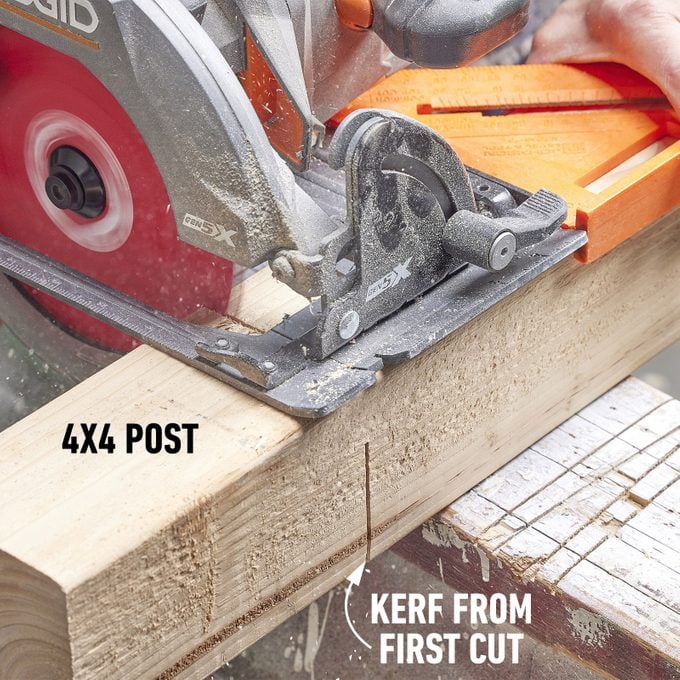
For best results, take your blades to a professional sharpener. They use machines that sharpen blades quickly and accurately.
Professional services also check blade balance and damage. They can restore blades that are hard to sharpen at home.
- Fast and precise sharpening
- Blade balance check
- Repair damaged teeth
- Extends blade life
Credit: www.familyhandyman.com
Proper Storage
Storing circular saw blades correctly keeps them sharp and safe. It helps avoid damage and extends blade life.
Good storage practices protect blades from rust and physical harm. This guide covers key tips for proper blade storage.
Avoiding Rust And Damage
Rust weakens blades and reduces cutting quality. Keep blades dry and clean before storing.
- Wipe blades with a dry cloth after use
- Apply a thin coat of machine oil to metal surfaces
- Store blades in a low-humidity area
- Avoid placing blades directly on concrete or metal surfaces
Organizing Blades Safely
Organizing blades prevents accidents and keeps them in good shape. Use holders or racks designed for saw blades.
| Storage Method | Benefits |
| Blade Rack | Keeps blades separated and easy to access |
| Plastic Cases | Protects blades from dust and moisture |
| Wall Hooks | Prevents blade contact and saves space |
| Drawer Dividers | Keeps blades organized and prevents movement |
Handling And Usage
Proper care of circular saw blades helps them last longer. Safe handling keeps you and the blade safe. Follow good practices every time you use the saw.
Focus on correct mounting, avoiding overheating, and using the right speed and feed. These tips improve cutting and blade life.
Correct Mounting Practices
Mount the blade correctly to avoid damage or accidents. The blade must fit tightly on the arbor without wobbling.
- Clean the arbor and blade before mounting.
- Check blade direction matches the saw’s rotation.
- Use the right flange and tighten it securely.
- Inspect the blade for cracks or damage before mounting.
Avoiding Overheating
Overheating dulls the blade and can cause warping. Keep the blade cool for sharp, smooth cuts.
| Cause | Effect | Prevention |
| Cutting too fast | Blade heats quickly | Slow down feed rate |
| Dull blade | Increased friction | Sharpen or replace blade |
| Poor lubrication | Excess heat | Use proper lubricants if needed |
| Extended cutting without breaks | Blade temperature rises | Pause to let blade cool |
Using The Right Speed And Feed
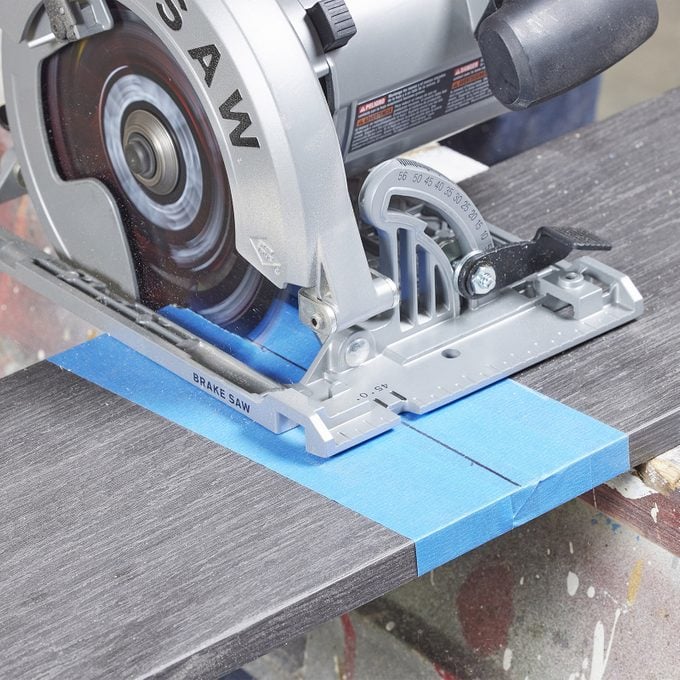
Use the correct speed and feed for the material and blade. This reduces wear and improves cut quality.
- Match blade RPM to the recommended speed for your blade type.
- Feed the material steadily, not too fast or too slow.
- Adjust speed and feed based on wood hardness or metal thickness.
- Check the saw’s manual for specific speed and feed guidelines.
Credit: www.familyhandyman.com
Regular Inspection
Regular inspection keeps your circular saw blades safe and effective. Checking your blades often helps avoid accidents and poor cuts.
It is important to look closely at the blade before each use. This helps catch problems early and saves time.
Checking For Damage And Wear
Look for cracks, missing teeth, or bent parts on the blade. These damages can cause unsafe cuts or blade failure.
Wear shows as dull edges or uneven tooth shapes. Worn blades cut poorly and can strain your saw motor.
- Check each tooth for chips or breaks
- Look for cracks around the blade center
- Make sure the blade is not bent or warped
- Inspect the blade surface for rust or corrosion
Identifying Signs Of Dullness
Dull blades cut slower and need more force. You might see burn marks or rough edges on the wood.
Listen for unusual sounds during cutting. A sharp blade runs smoothly and quietly.
- Blade requires extra pressure to cut
- Wood edges look torn or splintered
- Blade smokes or burns wood surface
- Cutting makes loud or strange noises
Frequently Asked Questions
How Often Should I Clean Circular Saw Blades?
Clean your circular saw blades after every 10 hours of use. Regular cleaning prevents resin buildup and maintains performance. Use a brush and mild detergent for best results. Proper maintenance extends blade life and ensures smooth cuts. Clean blades also reduce friction and overheating during operation.
What Materials Can Dull Circular Saw Blades?
Cutting through nails, concrete, or metal can dull saw blades quickly. Softwood and hardwood also contribute to dulling over time. Always inspect materials before cutting to avoid damage. Use appropriate blades for specific materials to prolong their lifespan. Regular maintenance helps keep blades sharp and efficient.
How Can I Prevent Blade Rust?
To prevent rust, store blades in a dry, cool place. After use, clean and dry the blades thoroughly. Apply a light coat of oil to protect against moisture. Regular maintenance and proper storage enhance blade longevity. Rust-free blades ensure smooth, efficient cutting operations.
Why Is Blade Alignment Important?
Proper blade alignment ensures precise and straight cuts. Misalignment can lead to uneven and inaccurate cuts. Regularly check and adjust blade alignment for optimal performance. Proper alignment also reduces wear and tear on the saw. Consistent alignment checks extend the lifespan of your blades.
Conclusion
Maintaining circular saw blades keeps them sharp and safe. Clean blades work better and last longer. Check for damage before each use to avoid problems. Store blades in a dry place to prevent rust. Regular care saves money and time on repairs.
Simple steps make your cutting tasks easier and smoother. Stay consistent with blade maintenance for best results. This helps you get the most from your tools. Small efforts make a big difference in performance. Keep your blades ready for every job ahead.