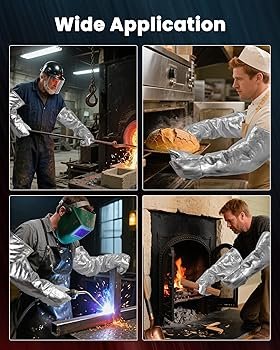
When you’re working with metal, your hands face serious risks—heat, sparks, and sharp edges can cause painful injuries. That’s why using the right welding gloves isn’t just a good idea; it’s essential for your safety and comfort.
But with so many options out there, how do you choose the gloves that protect you best and help you work efficiently? This guide to using welding gloves for metalworking will give you clear, simple advice to keep your hands safe and your work precise.
Keep reading, and you’ll discover the secrets to picking, wearing, and caring for gloves that truly work for you.
Choosing The Right Welding Gloves
Welding gloves protect your hands from heat, sparks, and sharp metal. Choosing the right gloves helps you work safely and comfortably.
Different types of gloves suit different welding tasks. This guide covers the main types, materials, and how to find the right size.
Types Of Welding Gloves
Welding gloves come in various styles. Each type offers different protection and flexibility. Some are better for heavy work, others for detailed tasks.
- Stick welding gloves: Thick and heavy for high heat and sparks.
- MIG welding gloves: Lighter with more dexterity for faster work.
- TIG welding gloves: Thin and flexible for precise control.
- Cut-resistant gloves: Used for handling sharp metal pieces safely.
Materials And Heat Resistance
Gloves are made from different materials that affect heat protection and comfort. Leather is the most common choice for welding gloves.
| Material | Heat Resistance | Common Use |
| Cowhide Leather | High | General welding and heavy work |
| Goatskin Leather | Medium | Light welding and detailed tasks |
| Deerskin Leather | Medium | Flexible gloves for TIG welding |
| Split Leather | High | Heavy-duty gloves with good heat resistance |
Size And Fit Considerations
Proper fit keeps your hands safe and lets you work easily. Gloves that are too tight or loose can cause accidents or discomfort.
- Measure your hand width at the knuckles (excluding thumb).
- Check glove size charts before buying.
- Try gloves on with welding gear to ensure comfort.
- Look for gloves with adjustable cuffs for a secure fit.
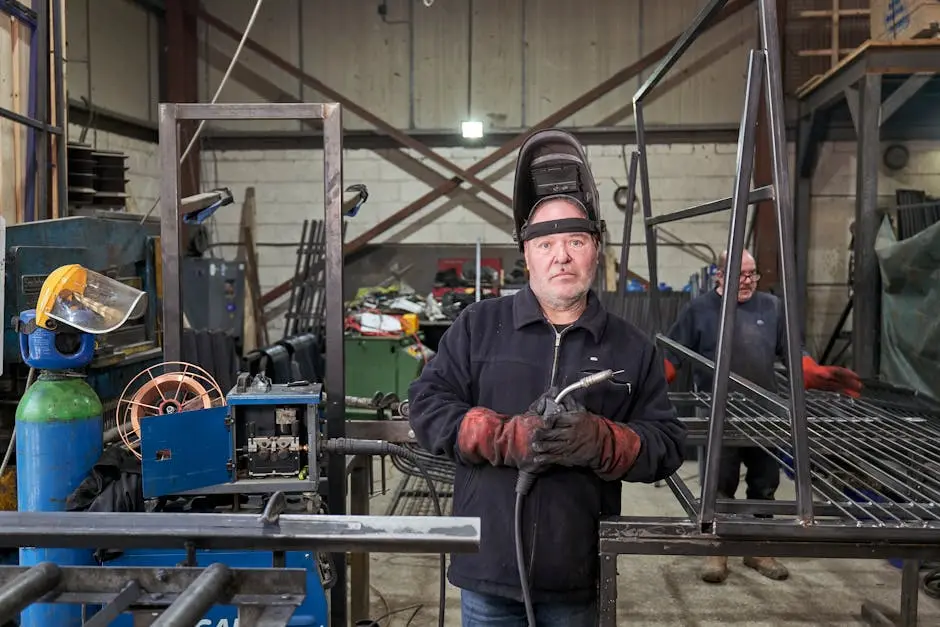
Credit: www.weldshopsupply.com
Key Safety Features
Welding gloves protect hands from dangers in metalworking. They help avoid burns, cuts, and other injuries.
Choosing gloves with the right safety features is very important. This guide explains the main features to look for.
Heat And Flame Protection
Welding gloves must stop heat and flames from burning your skin. They use special materials that resist high temperatures.
Good gloves cover the entire hand and wrist. This coverage keeps sparks and hot metal from touching your skin.
- Use leather or flame-resistant fabrics
- Have thick padding for heat insulation
- Cover wrists and lower arms
- Resist sparks and flames
Cut And Puncture Resistance
Metalworking can cause cuts or punctures from sharp tools or metal pieces. Gloves must protect your hands from these injuries.
Look for gloves made with strong, cut-resistant materials. These gloves help prevent accidents and keep your hands safe.
- Use materials like Kevlar or heavy-duty leather
- Have reinforced fingertips and palms
- Provide extra layers in high-risk areas
Comfort And Dexterity
Welding gloves must fit well and feel comfortable. Good fit helps you move fingers easily and work safely.
Choose gloves that balance protection with flexibility. This balance lets you hold tools firmly and work without trouble.
- Pick the right glove size for your hand
- Look for flexible materials or stretch panels
- Check for soft inner lining for comfort
- Choose gloves with good grip on palms and fingers
Proper Use And Maintenance
Welding gloves protect your hands from heat, sparks, and sharp metal. Using them correctly keeps you safe.
Cleaning and caring for gloves extends their life. Check them often to spot damage early.
Wearing Techniques
Put on welding gloves so they fit snugly but allow finger movement. Avoid loose gloves that catch sparks.
- Slide your hand fully inside the glove.
- Adjust the cuff to cover your wrist completely.
- Check that fingers move freely without squeezing.
- Wear gloves only for welding tasks to avoid contamination.
Cleaning And Storage Tips
Keep welding gloves clean and dry to stop wear and tear. Store them in a cool, dry place.
| Cleaning Method | Details |
| Surface Wipe | Use a damp cloth to remove dirt and soot. |
| Deep Clean | Wash with mild soap and water if gloves are very dirty. |
| Drying | Air dry away from heat to keep leather soft. |
| Storage | Keep gloves flat or hung to avoid creases. |
Inspecting For Damage
Check gloves before and after each use. Look for holes, tears, or thinning material.
- Feel inside and outside for weak spots.
- Look for burnt or melted areas.
- Replace gloves with any damage to stay safe.
Common Mistakes To Avoid
Using welding gloves protects your hands during metalwork. Many people make simple errors that reduce safety.
Knowing what mistakes to avoid helps keep your hands safe and comfortable.
Using Wrong Gloves For Tasks
Not all welding gloves fit every metalworking job. Using the wrong gloves can cause burns or injuries.
- Do not use light gloves for heavy welding work.
- Avoid gloves without heat resistance for high-temperature tasks.
- Use gloves designed for the specific metal and tools you handle.
- Never use damaged or worn gloves as protection.
Ignoring Wear And Tear
Welding gloves wear out over time and lose protection. Ignoring this can cause accidents.
| Wear Sign | Risk | Action |
| Holes or tears | Heat and sparks can reach skin | Replace gloves immediately |
| Hard or stiff leather | Less flexibility and comfort | Break in gloves or buy new ones |
| Frayed seams | Glove may come apart | Sew or replace gloves |
| Loss of heat resistance | Burn injuries | Switch to new gloves |
Neglecting Comfort And Fit
Gloves that do not fit well cause discomfort and reduce work quality. Choose gloves that fit your hands well.
- Measure your hand size before buying gloves.
- Check finger length and palm width for a snug fit.
- Choose gloves with breathable materials to reduce sweat.
- Try gloves on if possible to ensure comfort.
- Replace gloves that cause pain or restrict movement.
Enhancing Safety With Additional Gear
Welding gloves protect your hands from heat and sparks. Using extra safety gear keeps you safer during metalwork.
It is important to wear other protective items along with gloves. These help protect your body, eyes, and lungs.
Protective Clothing Compatibility
Wear welding gloves with clothes made from fire-resistant materials. Avoid synthetic fabrics that can melt or catch fire.
Long sleeves and pants protect your skin from sparks and hot metal pieces. Make sure your clothes fit well.
- Use leather or heavy cotton clothes
- Wear flame-resistant jackets or aprons
- Avoid loose clothing that can catch fire
- Check that sleeves cover glove cuffs
Eye And Face Protection
Welding produces bright light and flying sparks that can harm your eyes and face. Always wear proper eye protection.
Use safety goggles or a welding helmet with a dark lens. This stops UV rays and bright flashes from damaging your eyes.
- Wear a welding helmet with correct shade lens
- Use safety glasses under the helmet for extra protection
- Wear a face shield to protect from sparks and debris
Respiratory Safety Measures
Welding fumes contain harmful gases and dust. Use a respirator to avoid breathing these dangerous particles.
Choose a respirator mask designed for welding. Make sure it fits well and filters out metal fumes and smoke.
- Use a mask with P100 or N95 filters
- Wear a powered air-purifying respirator (PAPR) if possible
- Work in well-ventilated areas to reduce fumes
- Replace filters regularly for best protection
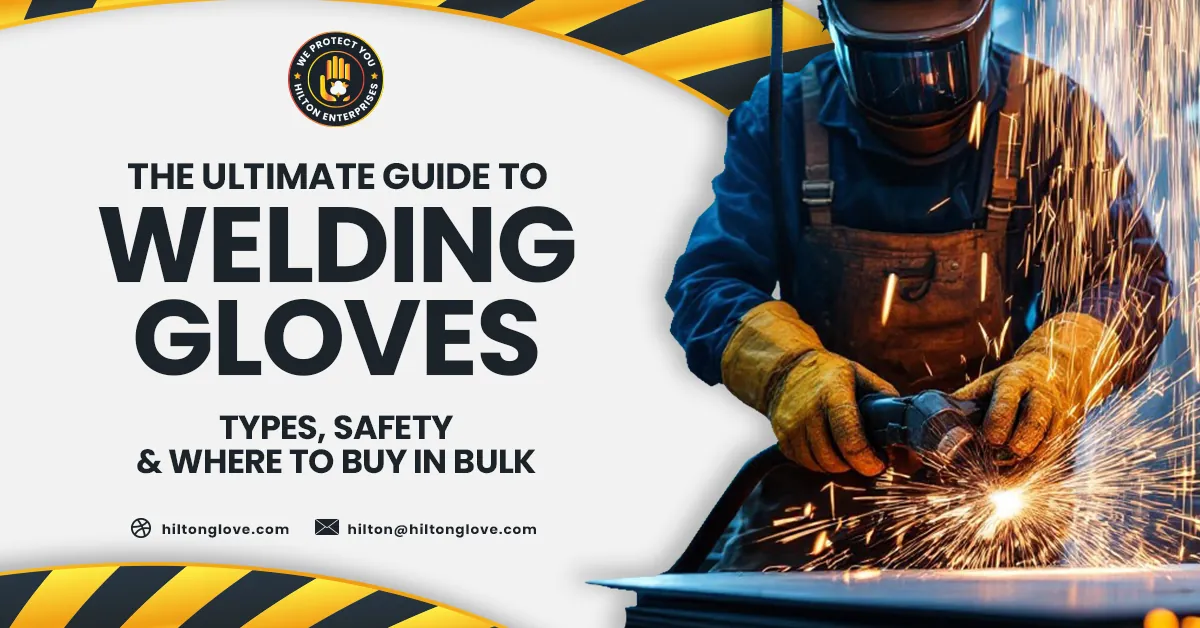
Credit: hiltonglove.com

Credit: www.envirosafetyproducts.com
Frequently Asked Questions
What Are Welding Gloves Made Of?
Welding gloves are made from heat-resistant materials like leather, Kevlar, or aluminized fabrics. Leather is the most common due to its durability and comfort. Kevlar offers added cut resistance, while aluminized fabrics provide superior heat reflection. These materials ensure protection from heat, sparks, and sharp objects during metalworking tasks.
How Do Welding Gloves Protect Your Hands?
Welding gloves protect hands from extreme heat, sparks, and sharp metal edges. They offer insulation against high temperatures and prevent burns. The gloves’ design also ensures flexibility, allowing a firm grip on tools. Their durable materials shield against cuts, enhancing safety during metalworking activities.
How To Choose The Right Welding Gloves?
Choose welding gloves based on the specific metalworking task. Consider factors like heat resistance, dexterity, and material. Leather gloves are versatile, while Kevlar offers extra cut protection. Ensure a comfortable fit for optimal safety and performance. Selecting the right gloves enhances protection and efficiency in welding tasks.
How To Maintain Welding Gloves?
To maintain welding gloves, regularly clean them by brushing off debris and dirt. Avoid soaking them in water, which can damage the material. Store in a dry, cool place to prevent deterioration. Inspect for wear and tear frequently, replacing them when necessary to ensure continued protection.
Conclusion
Welding gloves protect your hands from heat and sparks. Choosing the right gloves helps you work safely and comfortably. Always check the gloves for damage before starting your job. Clean and store them properly to make them last longer. Wearing gloves improves your grip on tools and metal pieces.
Remember, safety should come first in every metalworking task. Use gloves to reduce the risk of burns and cuts. Protect your hands well to enjoy better work results. Keep practicing safe habits for a successful metalworking experience.