Working on scaffolding can be risky if you don’t take the right safety measures. One of the most important tools to keep you safe is a harness.
But do you know how to wear it correctly? Wearing a harness the wrong way can put you in danger instead of protecting you. This guide will show you exactly how to wear harnesses on scaffolding so you stay secure and confident while working at heights.
Keep reading to learn the simple steps that can make a big difference for your safety every day.
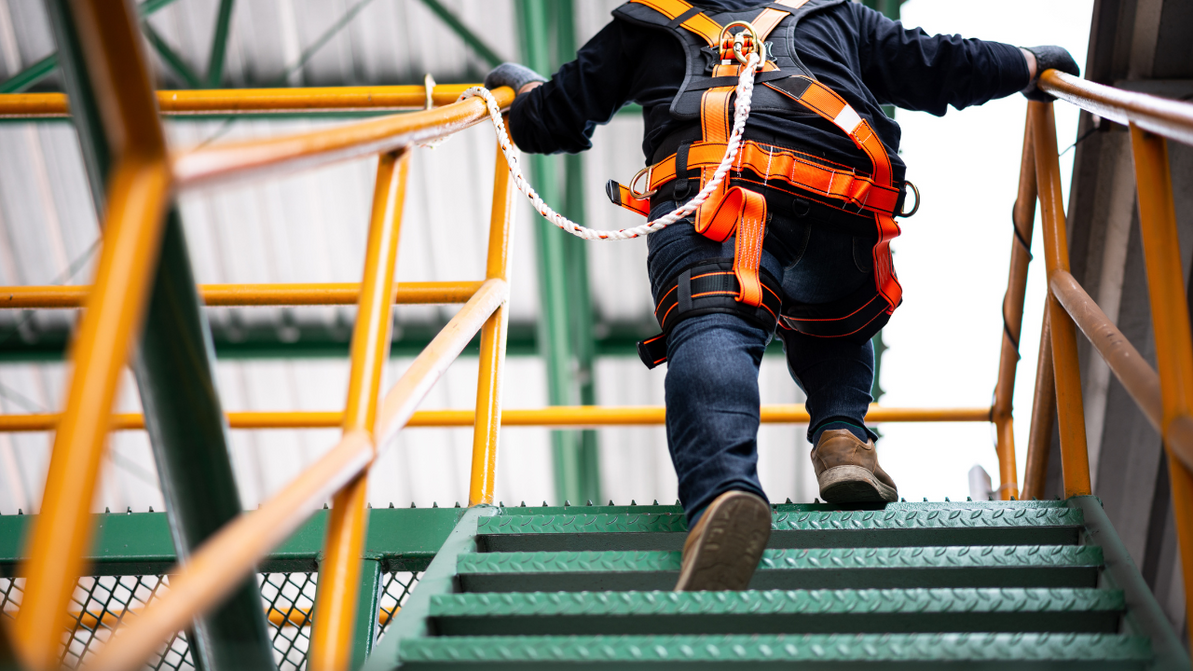
Credit: scaffoldingrentalandsales.com
Choosing The Right Harness
Wearing a harness on scaffolding keeps you safe from falls. Picking the right harness is important for comfort and protection. This guide helps you choose the best harness for your needs.
Consider the types, materials, and fit of the harness. These factors affect your safety and ease of use during work at height.
Types Of Harnesses
Different harness types suit various tasks on scaffolding. Knowing each type helps you select the best one for your work.
- Full Body Harness:Covers shoulders, chest, and legs. Offers maximum safety.
- Chest Harness:Fits around the chest only. Used for lighter work and positioning.
- Sitting Harness:Designed for comfort when seated during work.
- Suspension Harness:Supports workers hanging for long periods.
Material And Durability
Quality materials ensure the harness lasts and protects well. Look for strong webbing and solid hardware.
| Material | Feature | Benefit |
| Nylon | Flexible and strong | Comfortable and reliable |
| Polyester | Resists UV damage | Lasts longer outdoors |
| Steel Buckles | High strength | Secure connections |
| Aluminum Buckles | Lightweight | Easy to adjust |
Proper Fit And Adjustment
A harness must fit well to work correctly. It should be snug but not tight. Adjust all straps before starting work.
Follow these tips for a good fit:
- Wear the harness over light clothing.
- Tighten shoulder straps to prevent slipping.
- Secure chest straps at mid-chest level.
- Adjust leg straps for comfort and safety.
- Check buckles and fasteners are locked.
Credit: www.falltech.com
Preparing The Harness
Wearing a harness on scaffolding keeps you safe from falls. Preparing the harness right is very important for your protection. Check it carefully before each use.
This guide covers how to inspect, check, and clean your harness. Follow these steps to make sure it works well every time.
Inspecting For Damage
Look closely at the harness for any signs of damage. Check the webbing, stitching, and metal parts. Any cuts, tears, or worn spots can make the harness unsafe.
- Look for frayed or cut straps
- Check for broken or missing stitches
- Inspect metal rings and hooks for rust or cracks
- Feel for stiff or hardened areas on the webbing
- Make sure all parts move freely without sticking
Checking Buckles And Straps
Buckles and straps hold the harness tight and secure. They must work properly to keep you safe. Test each buckle and strap before putting on the harness.
| Check Point | What to Look For | Action Needed |
| Buckles | Latch smoothly, lock firmly | Replace if hard to fasten or loose |
| Straps | Adjust easily, no damage | Repair or replace if worn or stiff |
| Keepers | Hold straps in place | Replace if missing or broken |
Cleaning And Maintenance
Clean the harness after use to keep it safe and last longer. Use mild soap and water. Avoid harsh chemicals that can weaken the material.
- Use a soft brush to remove dirt
- Rinse thoroughly with clean water
- Hang to dry away from sunlight
- Store in a cool, dry place
- Do not machine wash or dry
Correct Harness Wearing Techniques
Wearing a harness properly is important for safety on scaffolding. A correctly worn harness helps prevent falls and injuries. This guide explains how to wear a harness step-by-step.
Follow these instructions carefully to ensure your harness fits well and works as it should.
Step-by-step Wearing Process
Put on the harness in a clear area. Check each part before use. Follow these steps to wear it safely.
- Hold the harness by the dorsal D-ring and shake it to untangle straps.
- Slip the shoulder straps over your shoulders like a vest.
- Connect the chest strap and adjust it to fit snugly.
- Pull the leg straps between your legs and fasten securely.
- Adjust all straps so the harness fits close but not tight.
- Make sure the dorsal D-ring is centered between your shoulder blades.
Securing The Harness
Securing the harness properly is vital. Use the following table to check key points before starting work.
| Check Point | What to Do |
|---|---|
| Dorsal D-ring | Centered on your back between shoulder blades |
| Chest Strap | Fastened and adjusted to hold shoulder straps |
| Leg Straps | Snug around thighs without cutting circulation |
| Buckles | All buckles double-checked and locked |
| Straps | Free from twists and damage |
Common Mistakes To Avoid
Avoid these common mistakes to keep safe while working on scaffolding. They can cause accidents or reduce harness effectiveness.
- Wearing the harness backward or inside out
- Leaving straps loose or hanging
- Skipping the chest strap or not fastening buckles
- Using a damaged or worn harness
- Not checking strap twists or buckle locks
Connecting To Scaffolding
Wearing a harness on scaffolding helps protect you from falls. Connecting the harness correctly is very important for safety.
Use proper techniques to attach your harness to strong points on the scaffolding. This guide explains how to connect safely.
Anchor Point Selection
Choose a strong anchor point that can hold your weight in case of a fall. The anchor must be stable and secure.
A good anchor point is usually a fixed part of the scaffolding frame. Avoid using weak or movable parts.
- Check if the anchor point is rated for fall arrest
- Use scaffolding frames or steel beams as anchors
- Do not attach to guardrails or unstable boards
- Confirm the anchor point is above your work area
Using Lanyards And Lifelines
Lanyards and lifelines connect your harness to the anchor point. They help stop a fall quickly and safely.
Choose lanyards with shock absorbers to reduce impact forces. Lifelines allow more movement but keep you secure.
- Use a lanyard long enough to reach the anchor
- Inspect lanyards and lifelines for damage before use
- Attach the lanyard to the harness dorsal D-ring
- Keep lifelines free from knots and sharp edges
Avoiding Fall Hazards
Stay aware of risks that can cause falls while working on scaffolding. Avoid unsafe conditions and actions.
Keep your lanyard clear of edges and moving parts. Never disconnect your harness while working at height.
- Watch for unstable planks or loose boards
- Do not lean too far outside the scaffold frame
- Keep tools and materials organized to avoid trips
- Always stay connected when on the scaffold
Safety Protocols While Working
Wearing harnesses on scaffolding is important for safety. Workers must follow strict rules to avoid accidents. Knowing proper safety protocols helps protect lives.
This guide covers key areas to keep workers safe. Regular checks, emergency plans, and proper training are essential steps.
Regular Safety Checks
Check harnesses and scaffolding before each use. Look for damage, wear, or loose parts. Ensure all connections are secure and strong.
- Inspect harness straps and buckles
- Test scaffold stability and guardrails
- Verify anchor points are safe
- Remove any damaged equipment immediately
- Keep a checklist to document inspections
Emergency Procedures
Know how to react if an accident happens. Quick action can save lives. Workers and supervisors should be ready to follow steps calmly.
| Emergency Step | Description |
| Alert | Call for help immediately |
| Secure Area | Stop all work and clear the zone |
| Rescue | Use trained personnel to assist safely |
| First Aid | Provide medical help if trained |
| Report | Document the incident for safety review |
Training And Certification
Only trained workers should use harnesses on scaffolding. Training teaches safe use and emergency response. Certification proves a worker is qualified.
- Complete a recognized safety course
- Practice proper harness fitting and use
- Learn how to inspect equipment
- Understand scaffold safety rules
- Update training regularly
Harness Care And Storage
Proper care and storage of scaffolding harnesses keep workers safe. It also extends the life of the equipment. Understanding how to handle harnesses helps avoid accidents.
Always follow safety guidelines to maintain harness quality. This guide covers storage, inspection, and replacement tips. These steps ensure the harness works correctly when needed.
Proper Storage Conditions
Store harnesses in a clean, dry place away from sunlight. Avoid storing near chemicals or sharp objects. Proper storage prevents damage and keeps harnesses ready for use.
- Keep harnesses off the ground to avoid dirt and moisture.
- Use hooks or racks to hang harnesses neatly.
- Store harnesses at room temperature, avoiding extreme heat or cold.
- Protect harnesses from exposure to oils, paints, and acids.
Routine Inspections
Inspect harnesses before each use to check for damage. Look for frayed straps, broken buckles, and worn stitching. Regular checks help spot problems early.
| Inspection Area | What to Check | Action if Damaged |
|---|---|---|
| Webbing | Frays, cuts, burns, or tears | Remove from use and replace |
| Buckles and D-rings | Cracks, corrosion, or deformation | Do not use; replace immediately |
| Stitching | Loose, broken, or missing threads | Replace harness |
| Labels | Legibility and presence | Replace if unreadable |
Replacing Old Or Damaged Harnesses
Replace harnesses after any fall arrest. Also, replace if inspections show damage. Using worn harnesses risks serious injury or death.
- Remove harness immediately if damaged or expired.
- Do not attempt repairs unless done by a certified professional.
- Record replacement dates and reasons for safety tracking.
- Use only harnesses that meet current safety standards.
Credit: www.falltech.com
Frequently Asked Questions
Why Wear A Harness On Scaffolding?
Wearing a harness on scaffolding ensures safety by preventing falls. It is crucial for workers operating at heights. A harness acts as a protective barrier, minimizing injury risks. Compliance with safety standards and regulations is also ensured. Proper harness use can significantly reduce workplace accidents, promoting a safer working environment.
How To Choose The Right Harness?
Choosing the right harness involves considering comfort, fit, and durability. Ensure the harness meets safety standards and is suitable for specific tasks. Adjustable features enhance comfort during prolonged use. Check for certifications and user reviews. A well-chosen harness boosts safety and efficiency on scaffolding.
When Should A Harness Be Inspected?
Inspect your harness before each use for signs of wear or damage. Regular inspections are crucial for safety. Look for frayed straps, rusted buckles, or other damage. If any issues are found, replace the harness immediately. Proper maintenance extends the harness’s lifespan, ensuring continued protection.
Can A Harness Prevent All Falls?
A harness can significantly reduce fall risks but cannot prevent all accidents. Proper usage and fitting are crucial for effectiveness. It should be part of a comprehensive safety plan. Training and awareness are essential. Combining harness use with other safety measures ensures maximum protection on scaffolding.
Conclusion
Wearing harnesses on scaffolding keeps workers safe every day. Always check the harness for damage before use. Make sure to wear it tightly and properly. Attach the harness to secure anchor points. Follow all safety rules on the job site.
Training helps workers understand how to use harnesses well. Staying careful prevents falls and serious injuries. Safety is the best way to protect yourself and others. Use this guide to work with confidence and care. Safety first, always.
