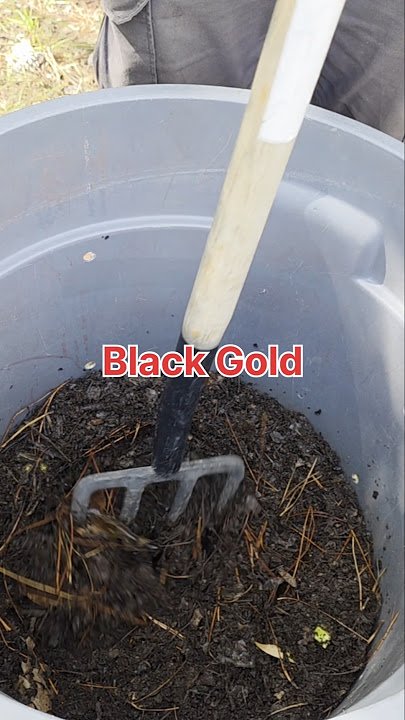
If you want to create rich, healthy compost for your garden, knowing how to use a garden fork for compost turning is a game changer. You might have a pile of compost sitting there, but without proper turning, it can take forever to break down.
Using a garden fork the right way helps you mix your compost easily, speed up the process, and keep everything aerated. In this guide, you’ll discover simple steps that anyone can follow to make your composting more effective. Keep reading, and you’ll soon see how a little effort with your garden fork can transform your garden soil.

Credit: www.amazon.com
Choosing The Right Garden Fork
Using a garden fork for compost turning makes the process easier. Picking the right fork helps you work better and saves energy.
Not all garden forks are the same. You should know what type fits your compost needs and comfort.
Types Of Garden Forks
Garden forks come in several types. Each type has its own use and design for different garden tasks.
- Digging forks have strong, wide tines for turning soil and compost.
- Border forks are smaller with narrow tines for light work.
- Manure forks have longer, thinner tines to move compost and manure.
Choose a digging or manure fork for compost turning. They handle heavy material well.
Material And Durability
The material of the garden fork affects how long it lasts and how strong it is. Good materials keep the fork safe from rust and damage.
- Steel forks are strong and last long.
- Stainless steel resists rust and needs less care.
- Aluminum forks are light but less strong.
- Plastic handles can break easily, so wood or metal is better.
Look for a fork made with steel or stainless steel tines and a sturdy handle.
Handle Length And Grip
The handle size affects your comfort and control. A good grip prevents slipping and reduces hand strain.
- Long handles let you stand straight and use more force.
- Short handles offer better control in tight spaces.
- Wooden handles feel warm and absorb shock well.
- Rubber grips add comfort and prevent slipping.
Pick a handle length that fits your height and a grip that feels comfortable.
Credit: bristolwastecompany.co.uk
Preparing The Compost Pile
Using a garden fork to turn your compost helps speed up the breakdown process. Preparing the compost pile correctly is key for good results. This guide covers the basics of ingredients, layering, and moisture.
Proper preparation lets air and water flow through the pile. This keeps microbes active and speeds composting. Let’s look at what to add and how to set up the pile.
Ideal Compost Ingredients
Good compost needs a mix of green and brown materials. Greens add nitrogen. Browns add carbon. The right balance feeds microbes and avoids bad smells.
- Green materials: vegetable scraps, grass clippings, coffee grounds
- Brown materials: dry leaves, straw, cardboard, small branches
- Avoid meat, dairy, and oily foods to prevent pests
Layering For Better Aeration
Layering your compost pile helps air reach all parts. This keeps the pile aerobic and stops it from smelling bad. Use alternating layers of browns and greens.
| Layer Type | Material Examples | Layer Thickness |
|---|---|---|
| Brown Layer | Dry leaves, straw, shredded paper | 3 to 6 inches |
| Green Layer | Vegetable scraps, grass clippings, fresh plant trimmings | 2 to 4 inches |
Repeat layers until your pile reaches about 3 feet tall. Then, use your garden fork to turn the pile every few weeks. This mixes the layers and adds oxygen.
Moisture Levels To Check
Keep your compost moist but not wet. Microbes need water to work. Too much water blocks air. Too little slows decomposition.
Test moisture like this:
- Grab a handful of compost material.
- Squeeze it gently.
- If water drips, the pile is too wet.
- If it crumbles, the pile is too dry.
- It should feel like a damp sponge.
Add water with a spray or hose if dry. Add dry browns like leaves if too wet. Turning with a garden fork also helps balance moisture.
Techniques For Turning Compost
Turning compost helps break down materials faster. It adds air, which helps tiny organisms work.
Using a garden fork is a simple way to turn compost. This guide shows how to do it well.
When To Turn The Compost
Turn your compost when it looks dry or smells bad. This helps keep it healthy.
Check your compost every 1 to 2 weeks. If it is warm inside, wait a few more days before turning.
- If compost is wet and smelly, turn it soon.
- If compost is dry, add water before turning.
- Turn regularly for faster composting.
Proper Fork Insertion Methods
Insert the garden fork deep into the compost pile. Use the fork’s full length for best results.
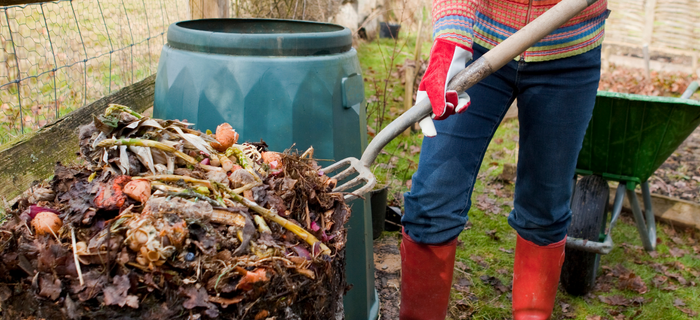
Lift the compost gently to avoid spilling. Turn the pile by moving the compost from the edges to the center.
- Push the fork straight down, about 12 inches deep.
- Lift compost carefully to keep materials intact.
- Work around the pile evenly to turn all parts.
Mixing And Fluffing Tips
Mix wet and dry materials evenly when turning. This helps air reach all parts of the pile.
Fluff the compost by breaking up clumps. This lets air flow and speeds up composting.
- Break large clumps with the fork’s tines.
- Mix green and brown materials well.
- Fluff the pile to keep air moving inside.
Safety Tips While Using A Garden Fork
Using a garden fork for compost turning helps mix materials well. It also speeds up decomposition. Safety is key to avoid injuries.
Follow simple rules to protect yourself and others. Always handle the fork carefully and be aware of your surroundings.
Protective Gear To Wear
Wear the right protective gear before using a garden fork. This helps prevent cuts, blisters, and other injuries.
- Sturdy gloves protect hands from splinters and dirt.
- Closed-toe shoes shield feet from dropped forks.
- Long pants protect legs from scratches.
- Eye protection prevents dirt or debris from getting in your eyes.
Safe Posture And Movements
Keep a safe posture to avoid back pain while using a garden fork. Use your legs, not your back, to lift and turn compost.
Move slowly and carefully. Avoid twisting your body. Keep your feet steady and your back straight.
- Bend your knees, not your waist.
- Hold the fork close to your body.
- Lift compost with your legs, not your back.
- Turn compost in small amounts to avoid strain.
Handling Forks Around Others
Be careful when using a garden fork near other people. Keep the fork pointed down when moving around.
Communicate your actions clearly. Make sure others stay a safe distance from your work area.
- Carry the fork with the tines facing down.
- Watch for people or pets nearby.
- Tell others before you start turning compost.
- Stop if someone comes too close.
Maintaining Your Garden Fork
Keeping your garden fork in good shape helps it last longer. Regular care makes compost turning easier. Simple maintenance keeps the fork strong and clean.
Learn how to clean, sharpen, and store your garden fork properly. These steps keep your tool ready for every gardening task.
Cleaning After Use
After using your garden fork, remove any dirt or compost stuck on the tines. Cleaning stops rust and keeps the fork working well. Use water and a brush to clean it. Dry the fork fully before putting it away.
Sharpening And Rust Prevention
Sharp tines make turning compost easier. Check your fork for dull or rusty spots often. Use a file to sharpen the tines. To prevent rust, apply a light coat of oil after cleaning. Wipe off any excess oil before storage.
- Use a metal file to sharpen tines
- Apply linseed or vegetable oil to metal parts
- Check for rust and remove it with steel wool
- Sharpen regularly during the gardening season
Storage Best Practices
| Storage Tip | Reason |
| Store in a dry place | Prevents rust and damage |
| Hang the fork on a wall hook | Keeps tines sharp and safe |
| Avoid leaving outside in rain | Protects wood handle from rotting |
| Keep away from children’s reach | Ensures safety |

Credit: uk.news.yahoo.com
Frequently Asked Questions
What Is A Garden Fork Used For In Composting?
A garden fork is essential for aerating compost. It helps mix the organic matter, speeding up decomposition. Regular turning with a fork ensures even composting by distributing heat and moisture. This tool makes composting more efficient and helps produce nutrient-rich compost for your garden.
How Often Should I Turn Compost With A Garden Fork?
Turning compost every two weeks is ideal for faster decomposition. Regular turning aerates the pile, promoting microbial activity. This process helps maintain the right temperature and moisture levels. Consistent turning results in quicker, more efficient composting, providing nutrient-rich compost for your garden sooner.
Can I Use Any Garden Fork For Composting?
Not all garden forks are suitable for composting. Choose a fork with sturdy tines and a comfortable grip. A durable, well-constructed fork makes turning easier and more efficient. Investing in a quality tool ensures longevity and better results in your composting efforts.
Why Is Aeration Important In Composting?
Aeration is crucial as it enhances microbial activity, speeding up decomposition. Oxygen is essential for beneficial microbes to thrive and break down materials. Proper aeration helps prevent odors and compaction, ensuring an even, efficient composting process. Regularly turning your compost pile with a garden fork achieves optimal aeration.
Conclusion
Using a garden fork makes compost turning easier and faster. It helps mix materials well and adds air to the pile. This speeds up the breakdown of waste into rich soil. Regular turning keeps compost healthy and reduces bad smells.
Remember to lift and turn gently to avoid strain. With a garden fork, your compost will be ready sooner. Enjoy richer soil for your plants and a cleaner garden space. Simple tools, simple steps, great results. Give it a try and see the difference.