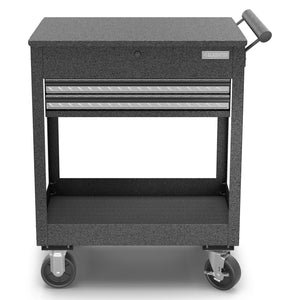
Imagine having all your essential tools organized and ready to go, no matter where your work takes you. A mobile tool cart can make your projects smoother and save you time searching for the right tool.
But how do you create one that fits your needs perfectly? You’ll discover simple, effective steps to build a mobile tool cart that keeps your tools within arm’s reach and your workspace clutter-free. Keep reading, and you’ll soon have a custom solution that boosts your productivity and makes every job easier.
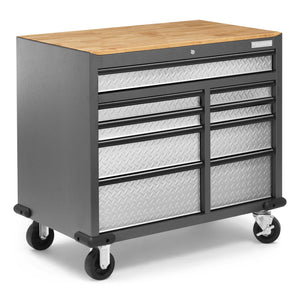
Credit: www.gladiatorgarageworks.com
Benefits Of A Mobile Tool Cart
A mobile tool cart helps you carry tools easily. It keeps your workspace neat and tools ready.
Using a mobile tool cart can save time and effort. It makes your work faster and less stressful.
Improving Workflow
A mobile tool cart keeps tools close to you. This reduces the need to walk back and forth.
With all tools in one place, you can finish tasks without stopping to search for items.
Saving Time And Effort
You save time by having tools within reach. This lets you focus on your work, not on finding tools.
It also lowers physical effort because you do not carry tools separately. The cart moves easily where you need it.
Enhancing Organization
A mobile tool cart helps you sort tools by type and size. This keeps your workspace tidy.
- Drawers store small tools safely
- Open shelves hold larger items
- Labels make it easy to find tools fast
Choosing The Right Cart
Picking the right mobile tool cart is important. It helps keep your tools organized and easy to move.
Think about what you need before buying. This guide will help you choose the best cart.
Materials And Durability
Tool carts come in different materials. Steel carts are strong and last a long time.
Plastic carts are lighter but may not hold heavy tools well. Wood carts are less common and not very durable.
- Steel: very durable and strong
- Plastic: lightweight but less strong
- Wood: not very durable or common
Size And Mobility
Choose a cart size that fits your workspace. Small carts work well in tight areas.
Look for carts with wheels that roll smoothly. Locking wheels keep the cart in place when needed.
- Small size fits in tight spaces
- Large size holds more tools but takes space
- Wheels should roll easily and lock securely
Storage Capacity
Think about how many tools you have. The cart should hold all your important tools.
Check the number of drawers and shelves. Deeper drawers hold bigger tools better.
- More drawers mean better organization
- Deeper drawers fit larger tools
- Open shelves are good for quick access
Essential Tools To Include
Creating a mobile tool cart helps you stay organized and work efficiently. Choosing the right tools is key to handling many tasks on the go.
This guide covers essential hand tools, power tools, and safety equipment for your mobile cart.
Hand Tools
Hand tools are basic but important. They help you do simple tasks without power. Include tools that fit many jobs and are easy to carry.
- Hammer for driving nails and light demolition
- Screwdrivers in flathead and Phillips types
- Pliers for gripping and cutting wires
- Adjustable wrench for bolts and nuts
- Measuring tape to check lengths and spaces
- Utility knife for cutting materials
- Level to ensure surfaces are flat and even
Power Tools
Power tools save time and effort on tough jobs. Choose compact and battery-powered versions for easy transport.
| Tool | Use | Tip |
| Cordless Drill | Drilling holes, driving screws | Bring extra batteries |
| Impact Driver | Tightening bolts and screws quickly | Use with correct bits |
| Jigsaw | Cutting shapes in wood and plastic | Keep blades sharp |
| Oscillating Multi-Tool | Sanding, cutting, scraping in tight spots | Choose versatile attachments |
Safety Equipment
Safety gear protects you from injuries. Always keep these items in your tool cart and wear them while working.
- Safety glasses to shield eyes from debris
- Work gloves to protect hands from cuts and dirt
- Ear protection like earplugs or earmuffs
- Dust mask or respirator for dusty environments
- First aid kit for minor injuries
Organizing Your Tools
Keeping your tools organized helps you find them fast. A well-organized cart saves time and effort.
Organizing tools also protects them from damage. Use smart ideas to keep your tool cart neat and tidy.
Using Drawers And Compartments
Drawers and compartments sort your tools by size and type. They keep small tools from getting lost.
Use shallow drawers for small items and deep ones for large tools. Compartments help separate different tool groups.
- Keep screws and nails in small compartments
- Place wrenches and pliers in medium drawers
- Store heavy tools in bottom drawers
Labeling And Accessibility
Label each drawer and compartment clearly. Labels help you find tools quickly without searching.
Make sure frequently used tools are easy to reach. Place them in top drawers or on the cart’s surface.
- Use large, clear labels
- Place labels on the front of drawers
- Group similar tools together
Tool Holders And Inserts
Tool holders keep tools upright and separated. Inserts fit inside drawers to hold tools in place.
Use foam inserts or plastic trays to protect tools. Tool holders help you grab tools fast without digging.
- Install magnetic strips for metal tools
- Use foam cutouts to match tool shapes
- Add elastic holders for screwdrivers and pens
Customizing For Specific Tasks
Creating a mobile tool cart that fits your work needs saves time and effort. Customizing the cart helps you keep tools organized and ready.
Focus on what tasks you do most to build a cart that works best for you. Adjust the design and features to suit your daily jobs.
Industry-specific Needs
Different jobs require different tools and storage options. Your cart should match the tools and parts you use often.
Consider the size and type of tools for your industry. This helps keep everything in place and easy to find.
- Electricians need compartments for wires and small parts
- Mechanics need strong drawers for heavy tools
- Carpenters need space for measuring tools and fasteners
Adjustable Components
Adjustable shelves and drawers make your cart flexible. You can change the layout as your needs change.
Use movable dividers to keep small items separate. Adjustable height shelves help store large or small tools safely.
- Sliding drawers with adjustable depths
- Removable shelves for tall tools
- Dividers that can be repositioned
Adding Power Sources
Include power outlets or battery holders if your tools need electricity. This keeps your tools charged and ready to use.
Plan where to place cords and switches to avoid clutter. A built-in power source makes your cart more useful on site.
- Install power strips with surge protection
- Mount battery chargers securely
- Add cable organizers to manage wires
Maintenance And Upkeep
Keeping your mobile tool cart in good shape helps it last longer. It also keeps your tools safe and easy to find. Regular care prevents big problems later.
This guide covers three key parts of maintenance: cleaning, inspecting, and repairing. Follow these steps to keep your cart working well.
Regular Cleaning
Clean your tool cart often to stop dirt and rust buildup. Use a damp cloth to wipe down all surfaces. Avoid letting liquids sit on metal parts.
- Remove all tools before cleaning
- Wipe shelves and drawers with a soft cloth
- Use mild soap if needed, then dry well
- Clean wheels to keep them rolling smoothly
- Check for dust in corners and crevices
Tool Inspection
Check your tools regularly to make sure they work well. Look for damage or wear that could cause problems or injury. Fix or replace bad tools as soon as possible.
| Tool | Inspection Points | Action if Damaged |
| Wrenches | Check for cracks or bends | Replace if cracked |
| Screwdrivers | Look for worn or broken tips | Sharpen or replace tips |
| Hammers | Check handle and head tightness | Tighten or replace handle |
| Measuring Tape | Check tape retracting smoothly | Lubricate or replace tape |
Cart Repairs
Fix your cart quickly if it breaks. Small repairs keep it safe and easy to use. Pay attention to wheels, drawers, and the frame.
- Tighten loose screws and bolts
- Replace broken wheels or casters
- Repair or replace damaged drawer slides
- Fix dents or bends in the cart frame
- Lubricate moving parts for smooth use
Maximizing Efficiency On The Job
Creating a mobile tool cart helps workers save time and effort. It keeps tools organized and easy to reach.
This guide explains how to set up your tool cart to work faster and smarter every day.
Strategic Placement
Place your most used tools where you can grab them quickly. Keep heavy items low to avoid strain.
Arrange tools by task type to find them faster during work.
- Top shelves for small hand tools
- Middle shelves for medium tools
- Bottom shelves for heavy items
- Separate compartments for different tool types
Time-saving Tips
Keep your cart clean and tidy to avoid wasting time searching. Label drawers and sections clearly.
Use hooks and holders to keep tools visible and easy to grab.
- Sort tools by size and use
- Check your cart daily to restock items
- Use magnetic strips for small metal tools
- Group similar tools together
Training And Usage
Teach workers how to use and maintain the tool cart properly. Show them where each tool belongs.
Regular training helps keep the cart organized and tools in good condition.
- Hold short sessions on cart setup
- Explain tool safety and care
- Encourage workers to return tools after use
- Review and update cart layout as needed
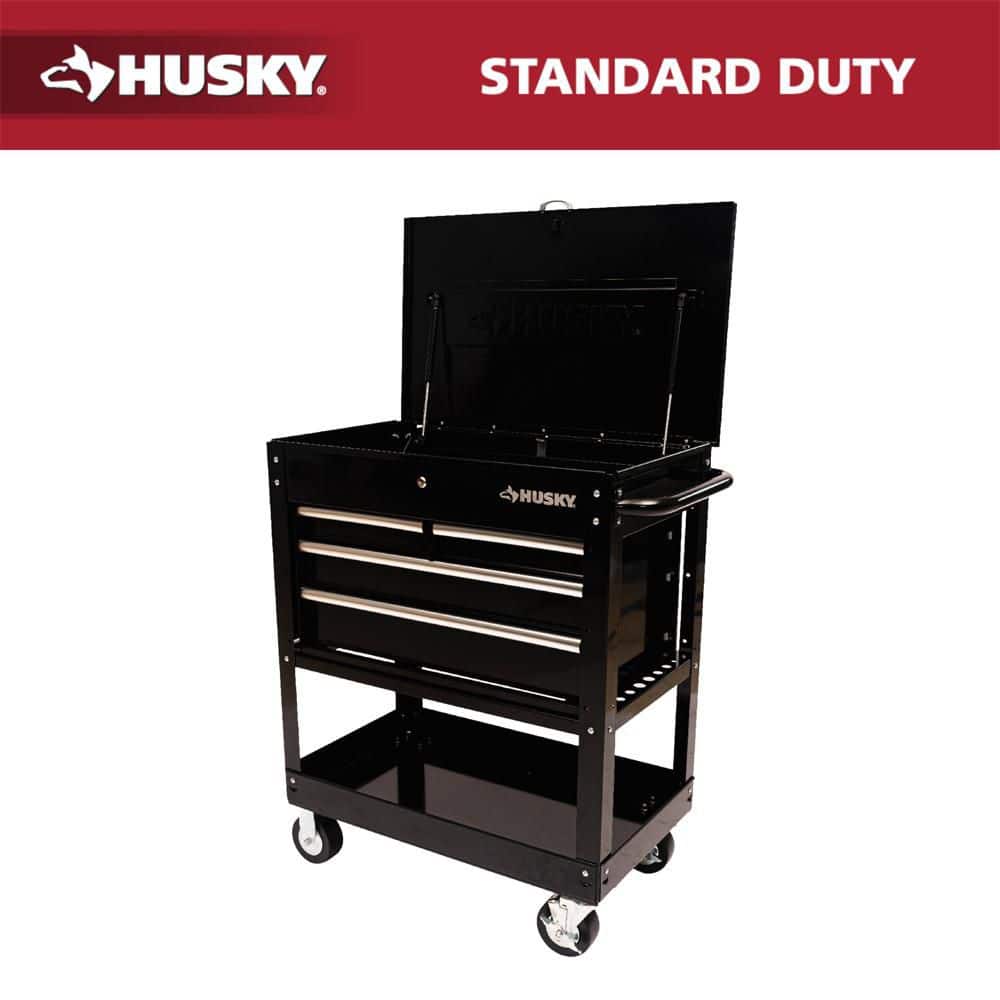
Credit: www.homedepot.com
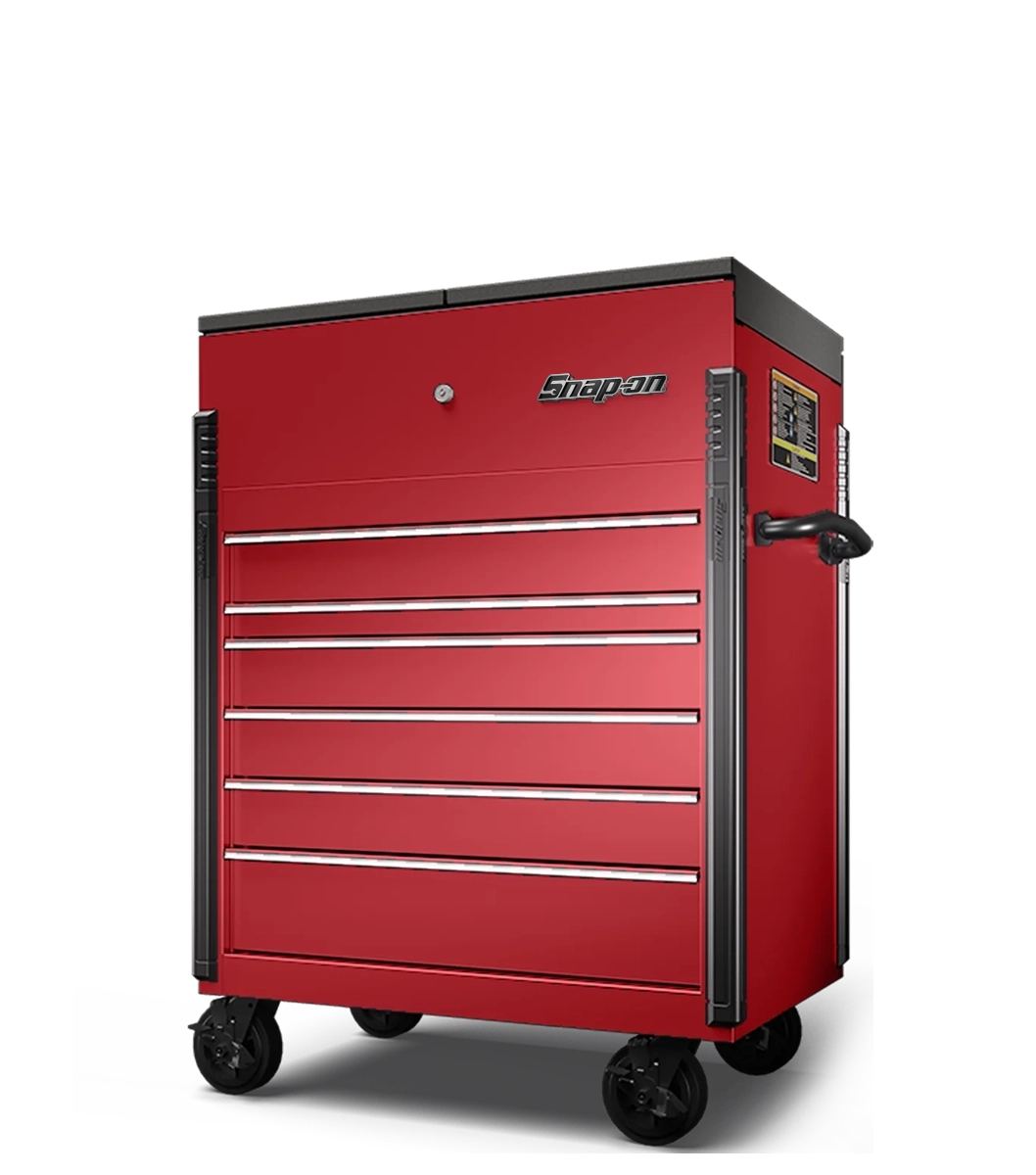
Credit: ultimator.snaponpromotion.com
Frequently Asked Questions
What Materials Are Needed For A Mobile Tool Cart?
To build a mobile tool cart, you’ll need plywood, caster wheels, screws, and a handle. You may also require a saw, drill, and measuring tape. Ensure you have a plan or blueprint ready to guide your construction process.
How Do I Choose The Right Caster Wheels?
Select caster wheels that support the weight of your tools and cart. Look for durable, smooth-rolling wheels for easy movement. Consider the surface where you’ll use the cart, like concrete or carpet. Locking mechanisms are beneficial for stability when stationary.
What Is The Ideal Size For A Tool Cart?
The ideal size depends on your tool collection and workspace. Ensure the cart fits your tools comfortably with room for growth. It should be small enough for easy maneuverability but large enough to hold all necessary items.
How Can I Organize Tools Efficiently On The Cart?
Use drawers, shelves, and pegboards to categorize and store tools. Label sections for easy identification. Place frequently used tools at convenient heights. Maintain balance by distributing weight evenly across the cart to prevent tipping.
Conclusion
Creating a mobile tool cart saves time and keeps tools organized. Choose sturdy materials and the right size for your needs. Add drawers and compartments for easy access. Make sure it moves smoothly with strong wheels. Regularly clean and check your cart for better use.
A well-built cart helps you work faster and smarter every day. Simple steps lead to a useful, durable tool cart. Start building yours today and enjoy the benefits.